The New Rules of Being Found: Why AI Citations Matter More Than Keywords in 2026
Gartner predicts 25% of search will shift to AI chatbots by end of 2026. Learn why optimizing for AI citations matters more than keywords, and what practical steps move the needle.

The way people find your brand is splitting in two.
Traditional search still matters. But a parallel discovery channel has emerged: AI-generated answers that cite sources rather than rank them. Gartner predicts up to 25% of traditional search volume will shift to AI chatbots and virtual agents by the end of 2026. That’s not a distant future scenario. That’s happening now.
Winning visibility in 2026 requires a fundamental shift in thinking. You’re no longer just optimizing for position. You’re optimizing to become the source that AI chooses to cite.
This isn’t about panic. It’s about repositioning. Let me walk you through how citation-based discovery works, why local signals and technical performance still matter, and what practical steps actually move the needle.
You’re Not Ranking Anymore. You’re Being Quoted.
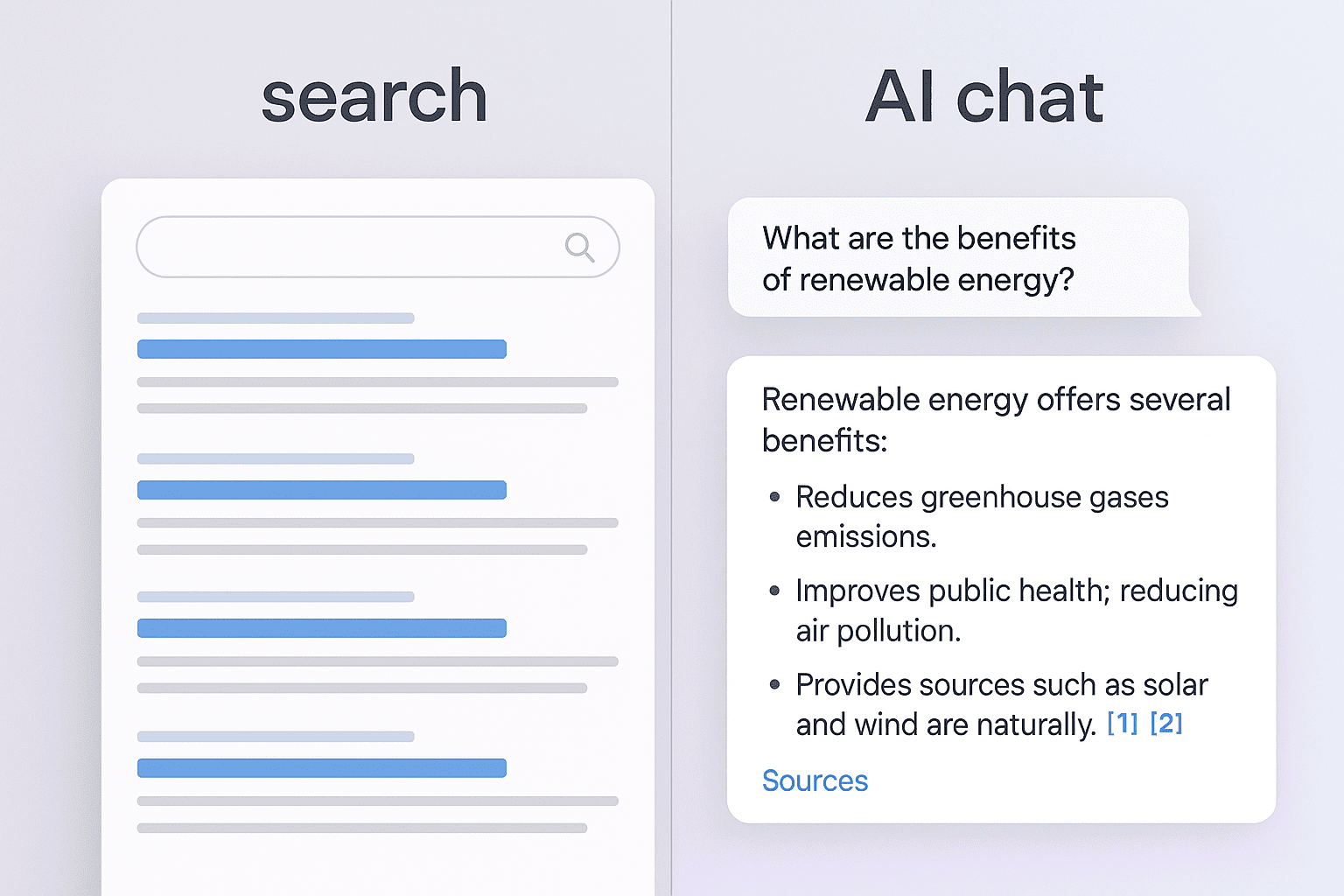
Generative Engine Optimization (GEO) has entered the mainstream as a parallel discipline to traditional SEO. The difference? Traditional SEO gets you a spot on a list. GEO gets you quoted in an answer.
The brands winning right now aren’t optimizing for keywords. They’re optimizing to be referenced.
Smart companies are already tracking brand mentions and citations across ChatGPT, Perplexity, Claude, and Google’s AI Overviews as a performance metric alongside traditional search rankings. They’re building content ecosystems, not just pages. The goal isn’t ranking. It’s becoming the source AI chooses to cite.
So what makes content citable?
Structured data. Semantic HTML. Context-rich content that answers questions machines actually receive. FAQ sections that address real queries, not keyword-stuffed variations of the same phrase.
E-E-A-T (Experience, Expertise, Authoritativeness, Trust) isn’t just a Google thing anymore. AI engines want trustworthy brands with verifiable authority signals across the web. They want content created by people who actually know what they’re talking about, with clear authorship and demonstrable expertise.
The companies moving early are treating AI visibility as a new performance metric. The companies moving late will wonder where their traffic went.
What Still Works (And Always Will)
Here’s the part that should comfort you: the fundamentals haven’t changed. They’ve just become more important.
Crawlability remains non-negotiable. Uncrawled content won’t rank or get cited. Period. A platform that cannot be properly crawled or indexed has no chance in competitive sectors. This applies to both SEO and GEO.
All search systems depend on crawled data. That won’t change. Whether it’s Google’s spiders or an AI model training on web content, if bots can’t access your pages, you don’t exist.
Core Web Vitals still matter. The January 2026 algorithm updates continue to reward sites where 75% of URLs meet performance thresholds. Fast load times on mobile. Smooth layouts. Quick tap response. These aren’t nice-to-haves. They’re table stakes.
Server errors prevent indexing by any bot. Broken links, messy redirects, buried pages. There’s less room for these mistakes than ever before.
Here’s what often gets lost in the AI hype: most users don’t care whether a provider uses the latest innovation. They care about whether expectations are met and promises kept. Fast, reliable platforms with clear content structure win regardless of which system is doing the discovering.
The strongest pages pair helpful depth with sound code. Content alone won’t cover errors. I’ve watched teams fix small technical warnings and see gains they didn’t expect. The unsexy work of making every touchpoint intentional continues to compound.
Proximity Data Now Drives Clicks
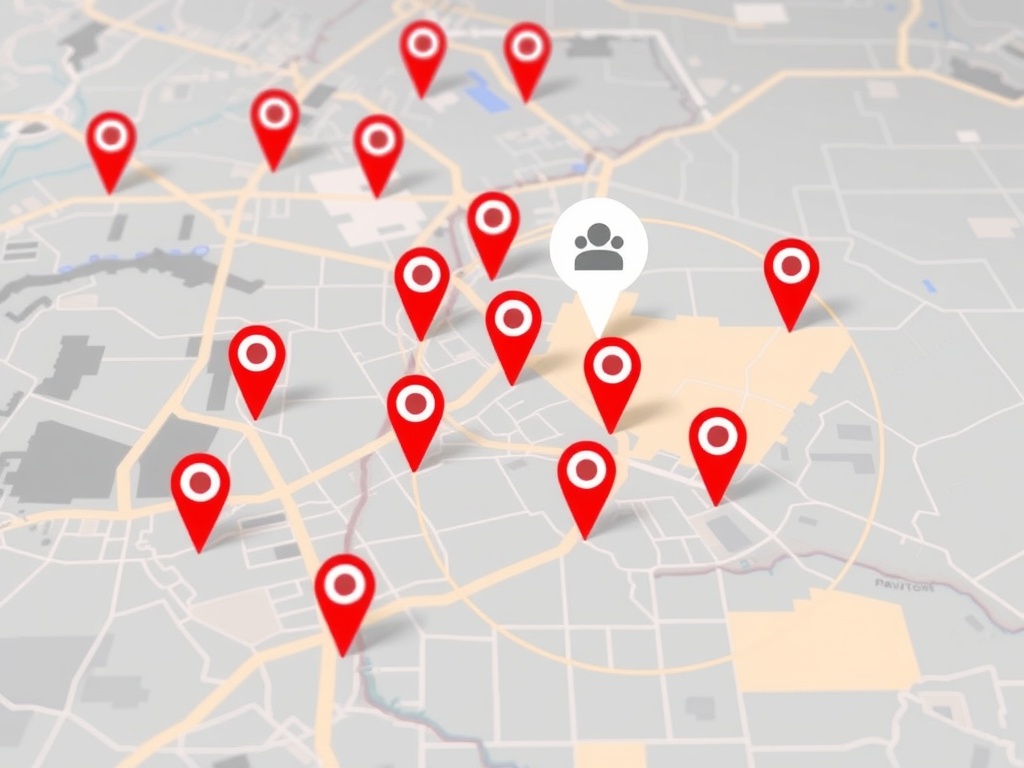
Local signals are gaining serious weight in 2026.
The numbers tell the story: local proximity data now impacts rankings, with studies showing 32% higher clicks when distance signals match real user movement. Business detail consistency (name, address, hours) showed 27% fewer ranking drops during January’s algorithm tests.
User action patterns matter more than ever. Clicks, calls, map requests. These show real intent beyond polished marketing copy.
Regional context now guides results. Pages that match nearby habits, local laws, seasonal weather patterns, and area pricing are rewarded. If your content feels generic and placeless, you’re losing ground to competitors who’ve localized properly.
Review behavior carries stronger weight too. 48% of users trust recent replies to reviews. That means your response time and engagement with customer feedback directly impacts your visibility.
If you serve local customers, your Google Business Profile and location-specific content aren’t optional extras. They’re core infrastructure. The businesses entering Q1 strong aren’t the ones who spent the most in December. They’re the ones whose customer experience felt intentional throughout.
Privacy Became a Competitive Advantage

Third-party cookies continue their slow extinction. By mid-2026, Chrome’s phase-out will be complete. But the brands thriving right now aren’t mourning. They’re building.
First-party data has moved from “nice-to-have” to core infrastructure. The numbers back this up: organizations using first-party data strategies achieve 2.9x better customer retention and 1.5x higher marketing ROI. Server-side tracking is now used by 67% of B2B companies, delivering 41% improvement in data quality.
Privacy isn’t limiting your reach. It’s qualifying your audience.
The shift is philosophical. Privacy isn’t a compliance checkbox anymore. It’s a trust signal that separates brands people choose from brands people tolerate.
Consent flows have become brand experiences. Transparent data use builds loyalty. Companies treating this as a strategic advantage rather than a burden are pulling ahead. The ones viewing GDPR compliance and cookie consent as annoying obstacles are falling behind.
As third-party data disappears, the brands with clean first-party systems and transparent consent flows have a measurable advantage. Trust is the new targeting.
What This Means for You
Visibility is being redefined. Ranking on a search page matters less than being cited in an AI-generated answer. But the fundamentals haven’t disappeared. They’ve become the foundation that makes citation-worthy content possible.
Three things to do this quarter:
Audit your technical health. Make sure bots can crawl your site and algorithms can clearly understand what makes your content valuable. Fix the server errors. Clean up the redirects. Check your Core Web Vitals.
Make your content structured and machine-readable. If an AI agent can’t easily parse your offerings, you’re invisible to a growing segment of the buying journey. Add semantic HTML. Build out FAQ sections. Create content that answers real questions with verifiable expertise.
Build trust through transparency. Your privacy practices, your authorship signals, your consent flows. These aren’t just legal requirements. They’re competitive advantages.
The brands adapting now will own the next era of discovery. January rewards preparation. It punishes improvisation. And it sets the trajectory for everything that follows.
At Emarketed, we’ve been helping brands navigate these shifts since long before AI became a buzzword. The tools change. The fundamentals don’t. If you’re ready to build visibility that lasts, we should talk.
Ready to optimize your content for AI search? Download our free AI Search Optimization (AEO) Checklist covering 60 critical optimization points for maximizing AI citation potential.
References
- Google Algorithm Updates January 2026 - SEO Vendor
- January 2026 Marketing News: Trends & Insights - Seafoam Media
- SEO in 2026: What will stay the same - Search Engine Land