Beginner's Guide to Understanding AI Marketing Agents
What they are, how they work, and whether your business is ready.
If you have been hearing the term “AI marketing agent” thrown around and are not entirely sure what it means, you are in the right place. The marketing world loves its jargon, and this is one of those phrases that gets used loosely. Some people mean a simple chatbot. Others are talking about sophisticated software that can run entire campaigns on its own. The reality sits somewhere in the middle, and understanding the differences matters before you spend any money.
This guide is written for small business owners and marketers who are starting from scratch. No technical background required. We will cover the basics, clear up the confusion, and give you a framework for deciding if AI marketing agents make sense for your business right now.
This article is part of our Ultimate Guide to AI Marketing Agents for Small Businesses, which covers everything from strategy to implementation.
What Is an AI Marketing Agent, Exactly?
An AI marketing agent is a piece of software that uses artificial intelligence to handle marketing tasks with some degree of independence. That last part is key. Regular marketing tools do what you tell them to do. You set up an email, schedule it for Tuesday at 9am, and the tool sends it. Done.
An AI marketing agent goes further. You might tell it your goal is to increase email open rates, and the agent figures out the best send time for each contact on your list based on their past behavior. It tests different subject lines. It adjusts the approach as it collects more data. The agent is not just executing your instructions. It is making decisions within the boundaries you set.
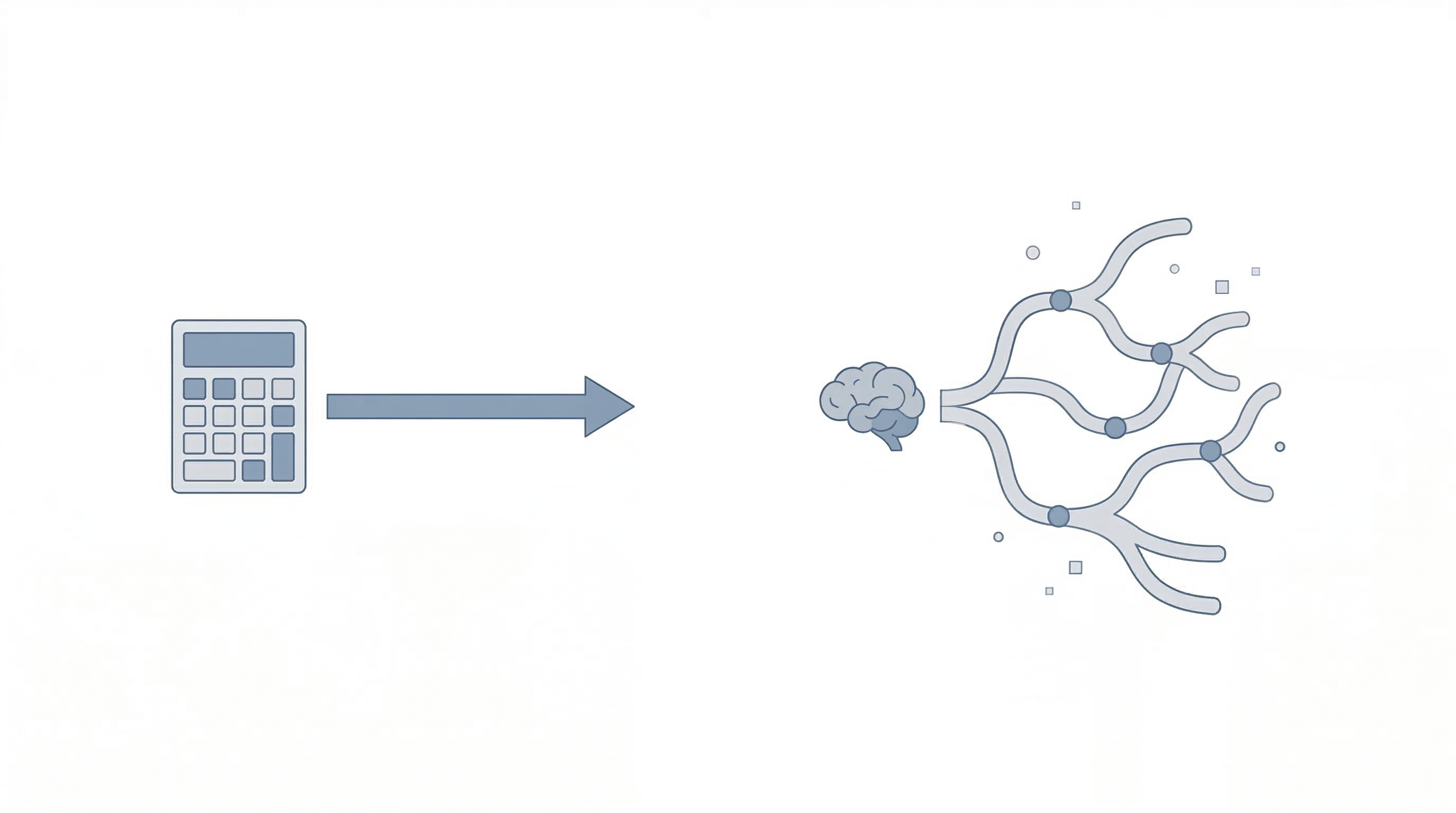
Think of the difference this way: a regular marketing tool is like a calculator. You punch in the numbers and it gives you an answer. An AI marketing agent is more like a junior team member who can look at the numbers, spot trends, and suggest (or take) the next step.
The Building Blocks: How AI Agents Differ from Basic Automation
This is where most of the confusion lives, so let us break it down clearly.
Basic automation follows a fixed set of rules. If a customer signs up, send welcome email A. If they do not open it within three days, send follow-up email B. The logic is predetermined. Someone (you) mapped out every scenario in advance.
AI-powered automation adds a layer of intelligence on top of those rules. The agent can look at patterns across your entire customer base and decide that certain people respond better to email B on day two instead of day three. Or it might discover that a completely different subject line works better for contacts who came from Instagram versus those who found you through Google. These are decisions the agent makes on its own based on data patterns.
True AI marketing agents take this even further. They can set their own sub-goals, test hypotheses, and adjust their strategy over time. They combine data analysis, content generation, audience segmentation, and channel optimization into a single workflow. Instead of you managing five separate tools and connecting the dots yourself, the agent handles the coordination.
Key Concepts You Should Know
Before you go shopping for AI marketing tools, here are the terms and ideas that will come up repeatedly:
Machine Learning (ML): This is the technology that lets AI agents get better over time. The agent analyzes results from past campaigns, identifies what worked and what did not, and adjusts its approach. The more data it processes, the smarter it gets. For a small business, this means your marketing should theoretically improve month over month without you changing anything.
Natural Language Processing (NLP): This is what allows AI to read, understand, and generate human language. It is the technology behind features like automated email copywriting, chatbot conversations, and sentiment analysis on social media comments. NLP is the reason an AI agent can draft a subject line that sounds like a person wrote it.
Personalization Engine: Many AI marketing agents include a personalization engine that tailors content, product recommendations, and messaging for individual customers. Instead of sending the same email to your entire list, the engine customizes elements for each recipient based on their behavior and preferences.
Predictive Analytics: Some agents can forecast future customer behavior based on historical data. For example, they might flag that a loyal customer has not visited your site in 45 days and is at risk of churning, then automatically trigger a re-engagement campaign.
Multi-Channel Orchestration: This refers to an agent’s ability to coordinate campaigns across multiple platforms (email, social media, paid ads, SMS) from a single place. Instead of managing each channel separately, the agent ensures your messaging is consistent and timed correctly across all of them.
What Can an AI Marketing Agent Actually Do for a Small Business?
Let us get specific. Here are the practical applications that matter most for small businesses:
Email marketing. Writing subject lines, personalizing content, optimizing send times, segmenting your list, and running automated sequences based on customer behavior.
Social media management. Scheduling posts, generating content ideas and drafts, analyzing engagement patterns, and identifying the best times and formats for your audience.
Paid advertising. Adjusting bids and budgets based on real-time performance, testing ad creative and copy variations, and targeting audiences more precisely than manual management allows.
Customer communication. Handling common questions through chatbots, routing complex inquiries to your team, and following up with customers after purchases or service interactions.
Reporting and insights. Pulling data from multiple sources into a single dashboard, spotting trends you might miss, and recommending next steps based on what the numbers show.
What AI Marketing Agents Cannot Do
Setting realistic expectations now saves you frustration later. AI marketing agents are not going to:
Replace your marketing strategy. The agent needs direction. It can optimize and execute, but it cannot define your brand positioning, identify your target market, or decide what makes your business different. That strategic thinking still has to come from you.
Guarantee results overnight. AI agents need data to learn from. The first few weeks are a calibration period. Expecting immediate results will lead to disappointment and potentially pulling the plug too early.
Handle sensitive or complex customer interactions. AI is getting better at conversation, but it still stumbles with emotional nuance, complaints that require empathy, and situations where context matters more than data. Keep a human involved for anything high-stakes.
Work well with bad data. If your customer list is full of duplicates, outdated information, or incomplete records, the AI agent will make decisions based on that mess. Clean data is a prerequisite, not an afterthought.
How to Know If Your Business Is Ready
Not every business needs an AI marketing agent right now. Here are some signals that suggest you are ready:
You are spending too much time on repetitive marketing tasks that pull you away from higher-value work. You have enough customer data (email lists, website traffic, purchase history) to give an agent something to work with. You have a basic marketing strategy in place and know what channels you want to focus on. Your budget allows for a monthly subscription, typically somewhere between $50 and $500 per month depending on the platform and features. You are willing to invest time upfront to set up the tool and learn how it works.
If you checked most of those boxes, it is probably worth exploring. If you are still building your first email list or have not yet figured out who your customer is, focus on those fundamentals first. AI agents work best when they have something solid to build on.
Where to Go from Here
This guide gives you the vocabulary and conceptual framework to start evaluating AI marketing agents with confidence. The next steps depend on where you are in your marketing journey.
If you want to see what is available, our Top 10 AI Marketing Agents for Small Businesses in 2026 covers the leading platforms with honest assessments of each. If you are ready to get started, How to Implement an AI Marketing Agent in Your Small Business walks you through the process step by step.
And for a complete look at the topic, head back to our Ultimate Guide to AI Marketing Agents for Small Businesses where everything ties together.
Have questions about whether an AI marketing agent is right for your business? Get in touch with our team for a no-pressure conversation about your options.