Common Mistakes to Avoid When Using AI Marketing Agents
The errors that hurt results — and how to sidestep them.

The most frequent (and costly) errors small businesses make with AI marketing agents, and how to sidestep each one before it eats your budget or damages your brand.
AI marketing agents are powerful tools. But powerful tools in the wrong hands, or used without a plan, can create problems just as fast as they create results. We have watched dozens of small businesses adopt AI marketing agents over the past two years. The ones that struggle almost always make the same handful of mistakes.
None of these errors are fatal. They are all fixable. But catching them early saves you time, money, and the kind of frustration that makes people give up on AI tools entirely.
This article is part of our Ultimate Guide to AI Marketing Agents for Small Businesses, your complete resource for AI-powered marketing strategy and implementation.
Mistake 1: Automating a Broken Process
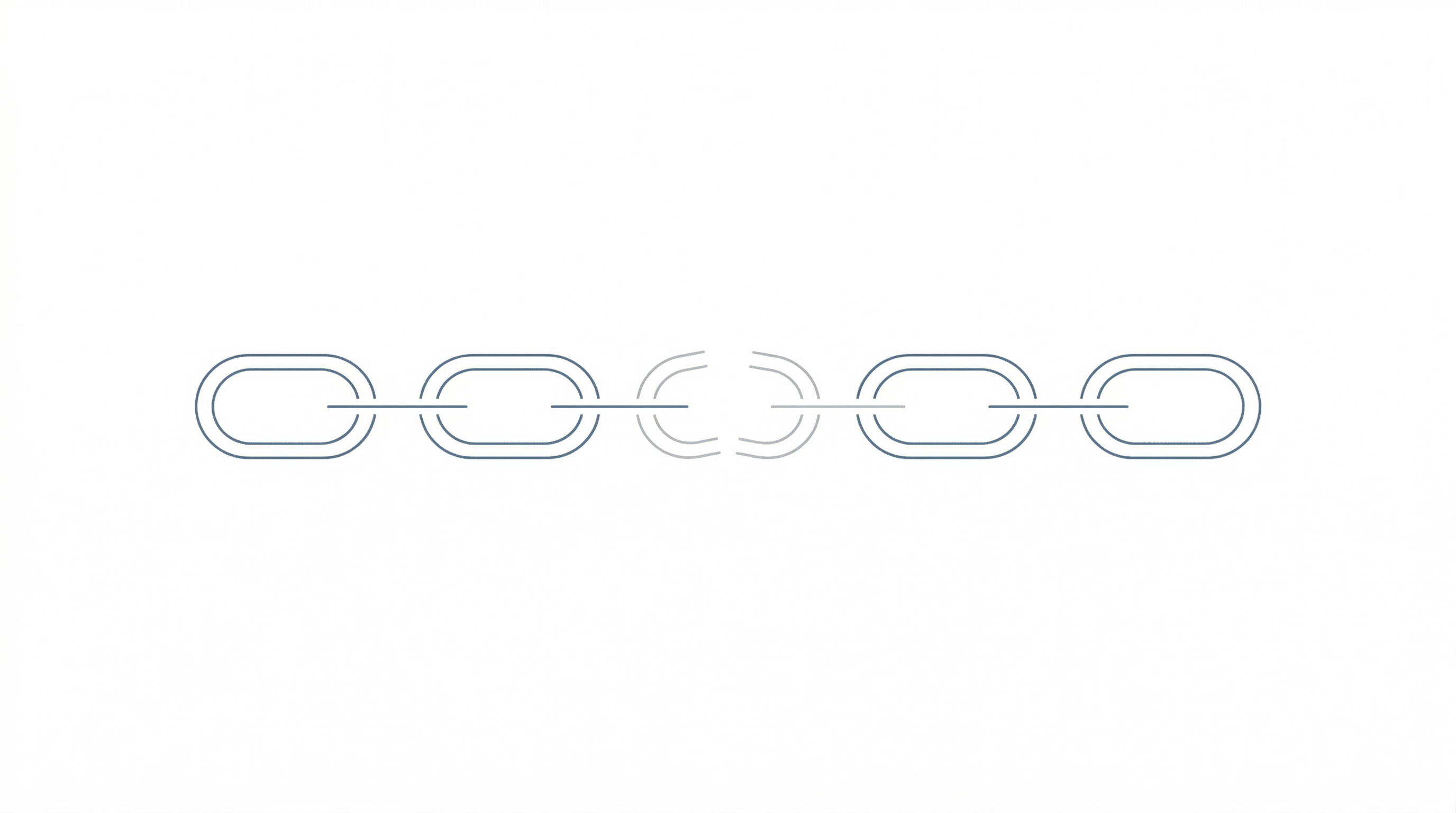
This is the most common mistake, and it is the most expensive one. If your marketing strategy is unclear, your messaging is off-target, or your customer journey has gaps, an AI agent will not fix those problems. It will execute them faster and at a larger scale.
We have seen businesses automate email sequences that were driving unsubscribes because the content did not match what subscribers signed up for. We have seen AI agents optimize ad campaigns toward the wrong conversion goal because nobody defined the right one during setup. We have seen social media agents blast out content that was on-brand for a company that did not actually know what their brand was.
How to avoid it: Before you automate anything, make sure the manual version works. Send the email sequence by hand first. Run the ad campaign with manual targeting. Post the social content and see what resonates. Once you have a process that produces decent results, then hand it to the AI to scale and optimize.
Mistake 2: Skipping the Data Cleanup
AI agents make decisions based on data. If that data is messy, their decisions will be messy too. This sounds simple, but the number of businesses that plug an AI tool into a CRM full of duplicate records, outdated email addresses, and inconsistent formatting is staggering.
Bad data creates specific problems. The AI might segment your audience incorrectly because the same customer appears three times with slightly different names. It might optimize send times based on engagement data that is skewed by bot clicks or bounced emails. It might recommend products to customers based on someone else’s purchase history because records got merged incorrectly.
How to avoid it: Dedicate time to data hygiene before you connect your AI tool. Remove duplicates. Fix formatting inconsistencies. Delete hard bounces and long-inactive contacts. Verify that your tracking pixels and analytics are firing correctly. This is boring work, but it directly impacts everything the AI does afterward.
Mistake 3: Trying to Automate Everything at Once
The temptation is real. You just bought a shiny new AI tool that can handle email, social media, ads, customer chat, and analytics. Why not turn everything on and let it rip?
Because you will have no idea what is working. If you change five things simultaneously and your results improve, which change caused the improvement? If something goes wrong, where do you look first? Launching everything at once creates a mess that is hard to debug and impossible to learn from.
How to avoid it: Start with one channel. Email is usually the best choice because results are measurable and stakes are relatively low. Get that running well, understand how the AI makes decisions, and build confidence in the tool. Then add a second channel. Then a third. Each expansion should follow the same pattern: set up, test, evaluate, then scale.
Mistake 4: Publishing AI Content Without Review
AI-generated content is getting better every month. But “better” does not mean “ready to publish without looking at it.” AI can miss context, produce factual errors, use an inappropriate tone for a sensitive topic, or generate content that sounds fine in isolation but contradicts something you said in a previous campaign.
The risk is higher than most people realize. A poorly worded email goes to your entire list. An AI-generated social post with incorrect product information gets shared before you notice. An ad with an awkward phrase runs for three days while you are on vacation. Each of these incidents erodes customer trust.
How to avoid it: Build a review step into every workflow. For automated sequences, review all emails before activation and check them again monthly. For AI-generated social content, batch-review a week of posts before they go live. For ad copy, approve all variations before the campaign launches. The review does not need to take long, but it needs to happen.
Mistake 5: Expecting Results in the First Two Weeks
AI marketing agents need time to calibrate. They need data to learn from, tests to run, and feedback loops to start working. The first two weeks are a warm-up period, not a performance evaluation.
We have seen businesses pull the plug on an AI tool after ten days because “it was not delivering results.” That is like hiring a new employee and firing them after their first week of training because they had not closed a deal yet.
How to avoid it: Commit to at least 60 days before judging the tool’s performance. Set your baseline metrics before launch so you have something to compare against. Review progress at 30 days and again at 60 days. Most businesses see meaningful improvement by the end of the second month, with results accelerating in month three as the AI accumulates more data.
Mistake 6: Ignoring What the AI Is Teaching You
AI agents generate a lot of data about your customers, your content, and your campaigns. Many businesses focus only on the execution side (is the AI sending emails and posting content?) and completely ignore the insights side.
Your AI agent might be surfacing patterns like: customers from Instagram convert at twice the rate of customers from Facebook, or email subject lines with numbers outperform those without by 35%, or customers who buy within the first week have three times the lifetime value of those who wait a month. These insights are valuable beyond the AI tool itself. They should inform your broader business strategy.
How to avoid it: Schedule a monthly deep-dive into the analytics your AI platform provides. Look beyond campaign-level metrics. Study the audience segments, the content performance patterns, and the behavioral trends. Share these insights with anyone involved in business decisions. The AI is not just a marketing tool. It is a research tool that happens to also execute campaigns.
Mistake 7: Choosing Features Over Fit
The platform with the longest feature list is not automatically the right choice for your business. Small businesses frequently pick tools that are built for companies ten times their size, then spend months trying to configure features they do not need while the features they do need get buried in complexity.
A sophisticated enterprise platform with 200 features is worse than a simple tool with 20 features if those 20 features match exactly what you need and the interface does not require a training course to navigate.
How to avoid it: Start your evaluation with your specific problem, not with a feature comparison chart. Identify the one or two marketing challenges you want the AI to solve. Then find the tool that solves those specific problems at a price point that makes sense for your revenue. You can always upgrade later.
Mistake 8: Forgetting the Human Touch

This mistake usually shows up around month three or four, after the AI has been running smoothly for a while. Everything is automated. Emails go out on schedule. Social posts publish like clockwork. Ad campaigns optimize themselves. And then a customer mentions that your brand feels “different” lately. Less personal. More generic. Like talking to a machine.
Over-automation kills the warmth that makes small businesses special. Your customers chose you over a bigger competitor for a reason, and that reason is almost always some version of a personal connection.
How to avoid it: Identify the touchpoints that matter most to your customer relationships and keep them human. Respond personally to customer questions that go beyond the routine. Write the occasional email yourself instead of letting the AI handle every send. Show up in your social comments with genuine personality. Let the AI handle the volume. You handle the moments that count.
Mistake 9: Not Setting Guardrails
Most AI platforms let you define boundaries for what the agent can and cannot do. Topics to avoid. Price ranges it can offer. Tone parameters. Approval requirements for certain types of content. Many businesses skip this configuration step entirely and then act surprised when the AI does something unexpected.
Without guardrails, the AI optimizes purely for the metrics you gave it. If you told it to maximize email clicks, it might use clickbait subject lines that get opens but damage your brand. If you told it to minimize cost per lead, it might target the cheapest-to-reach audience even if those leads never convert to paying customers.
How to avoid it: Spend time during setup defining what the AI should not do, not just what it should do. Set topic restrictions, tone guidelines, approval workflows for high-stakes content, and spending limits for ad campaigns. Review and update these guardrails quarterly as you learn more about how the tool behaves.
The Pattern Behind All These Mistakes
If you look at this list as a whole, there is a common thread: every mistake comes from treating the AI agent as a replacement for thinking rather than a tool that amplifies good thinking.
The businesses that succeed with AI marketing agents are the ones that bring clear strategy, clean data, realistic expectations, and ongoing human oversight. The AI handles the execution. You handle the judgment.
For a positive example of what a good implementation looks like, read our Case Study: How AI Marketing Agents Increased Leads for a Local Retailer. And for practical tips on getting the most from your investment, see 7 Tips for Maximizing ROI from Your AI Marketing Agent.
Making the switch to AI marketing and want to get it right the first time? Talk to the Emarketed team for guidance that helps you avoid the costly mistakes.