7 Tips for Maximizing ROI from Your AI Marketing Agent
The strategies that separate great results from mediocre ones.

Most small businesses that adopt an AI marketing agent see decent results in the first month. But “decent” is not why you signed up. You signed up because you wanted to reclaim time, lower your cost per lead, increase revenue from existing customers, and compete with businesses that have much bigger marketing budgets.
The difference between decent and great results usually comes down to how you use the tool, not which tool you picked. These seven tips are based on patterns we have seen across businesses that consistently outperform with their AI marketing agents.
This article is part of our Ultimate Guide to AI Marketing Agents for Small Businesses, your complete resource for AI-powered marketing strategy and implementation.
1. Tie Everything to a Revenue Metric
This sounds obvious, but most small businesses skip it. They set up their AI agent, watch open rates improve, celebrate a few good months of engagement numbers, and never connect those improvements to actual revenue.
From day one, define the metric that ties your AI marketing efforts to money. For e-commerce, that might be revenue per email sent or cost per acquisition. For service businesses, it could be cost per qualified lead or customer lifetime value. For SaaS, monthly recurring revenue influenced by marketing campaigns.
Set up tracking so you can see this number clearly. Most AI marketing platforms connect to your analytics and e-commerce data. Use that connection. When you review performance weekly, look at the revenue metric first and everything else second.
The businesses that get the best ROI from AI agents are not the ones with the highest open rates. They are the ones who know exactly how much revenue each automated campaign generates.
2. Give the AI Better Data, Not More Data
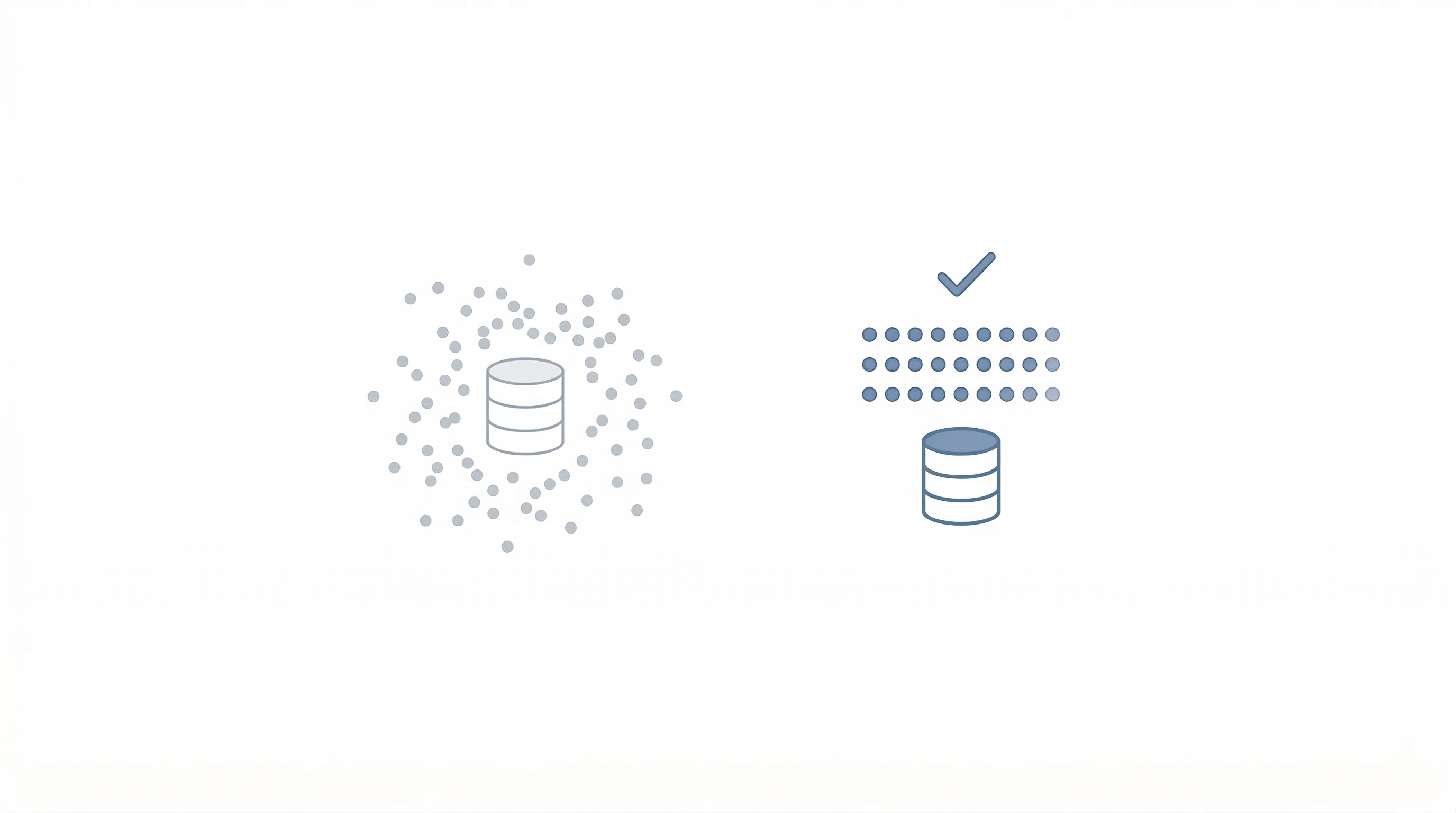
There is a common misconception that AI agents need massive amounts of data to be effective. What they actually need is clean, accurate, and relevant data. A list of 2,000 well-maintained contacts with accurate purchase history and engagement tracking will outperform a list of 20,000 records with missing fields, duplicate entries, and contacts who have not engaged in two years.
Before you worry about growing your data set, clean up what you have. Deduplicate your contact records. Remove hard bounces and permanently disengaged contacts. Verify that your website tracking is firing correctly and that your CRM fields are consistently formatted.
Then focus on enriching the data you already have. Add purchase history to contact records. Tag contacts by how they found you. Track which content they engage with. Each piece of clean, relevant data gives the AI more to work with when making segmentation and personalization decisions.
3. Let the AI Run Tests You Would Never Have Time For
Most small businesses test one or two things per campaign if they test at all. Maybe they try two subject lines and pick the winner. AI agents can run dozens of tests simultaneously, and they do not need you to manage any of it.
Take advantage of this. Enable every testing feature your platform offers. Subject line variations. Send time optimization. Content personalization. Audience segment testing. Call-to-action placement and wording. The compounding effect of small improvements across all these variables is where the real ROI lives.
Here is an example. A subject line test might improve open rates by 8%. Send-time optimization adds another 5%. Audience segmentation lifts click-through rates by 12%. Content personalization increases conversion rates by 10%. Individually, these are modest gains. Combined over thousands of sends across months of campaigns, they add up to a significant revenue difference.
The key is to let the AI run these tests continuously rather than treating testing as a one-time project.
4. Use the 80/20 Rule for Automation
Not everything should be automated. The best approach is to automate the 80% of tasks that are repetitive, time-consuming, and data-driven, while keeping the 20% that requires human judgment, creativity, or personal connection.
The 80% (automate these): routine email sequences, social media scheduling, audience segmentation, A/B testing, send-time optimization, basic reporting, lead scoring, and retargeting campaigns.
The 20% (keep human): brand strategy decisions, crisis communication, high-value customer relationships, creative direction for major campaigns, community engagement that requires genuine personality, and any communication where the stakes are high enough that a mistake could damage your reputation.
This split gives you the efficiency gains of AI while preserving the human elements that build trust and differentiation. It also prevents the “everything feels automated and generic” problem that turns customers off.
5. Review AI Decisions Weekly, Not Daily
During the first two weeks, checking in daily makes sense. You are learning the tool and catching any obvious issues. After that, switch to weekly reviews.
Daily monitoring creates two problems. First, you will be tempted to override the AI based on small sample sizes. One bad day of email opens does not mean the agent is broken. It might mean it is a holiday weekend and half your list is not checking email. Second, constant tweaking prevents the AI from learning. Every time you manually intervene, you reset part of the optimization process.
Weekly reviews give you enough data to spot real trends while letting the AI do its job. Create a simple review routine: pull your key metrics every Monday morning, compare them to the previous week and to your baseline, note anything unusual, and only make changes if a trend persists for two or more consecutive weeks.
The exception is anything that could harm your brand. If the AI sends something with incorrect information, an inappropriate tone, or broken links, fix it immediately. But those issues should be rare if you configured your guardrails properly during setup.
6. Reinvest Your Time Savings Into High-Value Work
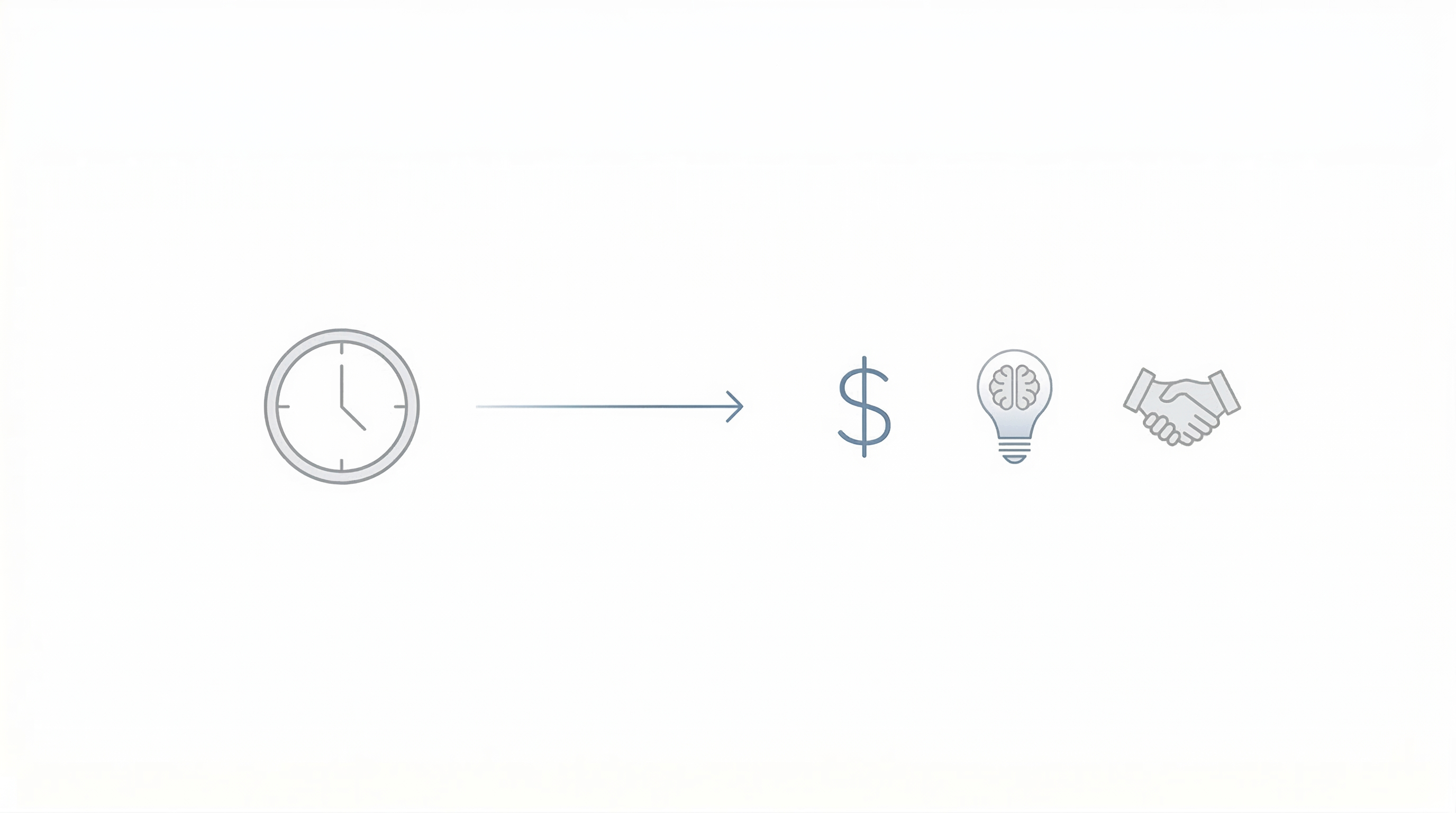
This tip is less about the AI tool and more about what you do with the time it gives back. The most common pattern we see is a business owner saves 10 hours a week on marketing tasks and then fills that time with more busy work instead of high-value activities.
Be intentional about how you use the time you reclaim. If the AI handles your email sequences and social scheduling, use those recovered hours for activities that actually grow revenue: building partnerships, developing new products or services, deepening relationships with your best customers, creating the kind of original content that AI cannot produce on its own, or working on your business strategy.
The ROI of an AI marketing agent is not just measured in campaign performance. It is measured in what you do with the capacity it creates. A $100/month tool that frees up 10 hours a week has a very different ROI if you spend those hours on revenue-generating activities versus if you spend them answering emails you could have delegated.
7. Benchmark Against Yourself, Not Industry Averages
Industry average benchmarks (like “the average email open rate is 21%”) are useful for context but terrible for measuring your progress. Your open rate might start at 14% because you have a neglected list and weak subject lines. Getting that to 20% in three months is an excellent result, even if it is still below the “average.”
Track your own starting baseline and measure improvement from there. The metrics that matter most are the ones that show directional change in your business: Are your open rates trending up month over month? Is your cost per lead decreasing? Is revenue from automated campaigns growing? Is customer retention improving?
The AI agent’s job is to make your numbers better than they were. If it is doing that consistently, the ROI is there regardless of how your numbers compare to some generic industry benchmark.
The Bottom Line
Getting ROI from an AI marketing agent is not about finding the perfect tool or having the perfect strategy. It is about clean data, clear goals, disciplined testing, and patience. The businesses that treat AI agents like a set-it-and-forget-it solution get mediocre results. The ones that invest focused, regular attention into feeding the AI good data, reviewing its decisions, and reinvesting the time savings into growth activities see returns that compound over time.
For guidance on avoiding the most common pitfalls, read Common Mistakes to Avoid When Using AI Marketing Agents. If you are still deciding which platform to use, our In-Depth Review: The Best AI Marketing Agent Platforms for SMBs covers the top options in detail. And if you want to understand where this technology is heading so you can plan ahead, see The Future of AI Marketing Agents: Trends to Watch.
Want help building an AI marketing strategy that actually delivers ROI? Talk to the Emarketed team for a practical plan tailored to your business.