AI Marketing Platforms Are Becoming Visibility Systems
AI marketing platforms now need to connect AI visibility, paid media, automation, and measurement. Here is what B2B and service brands should build next.
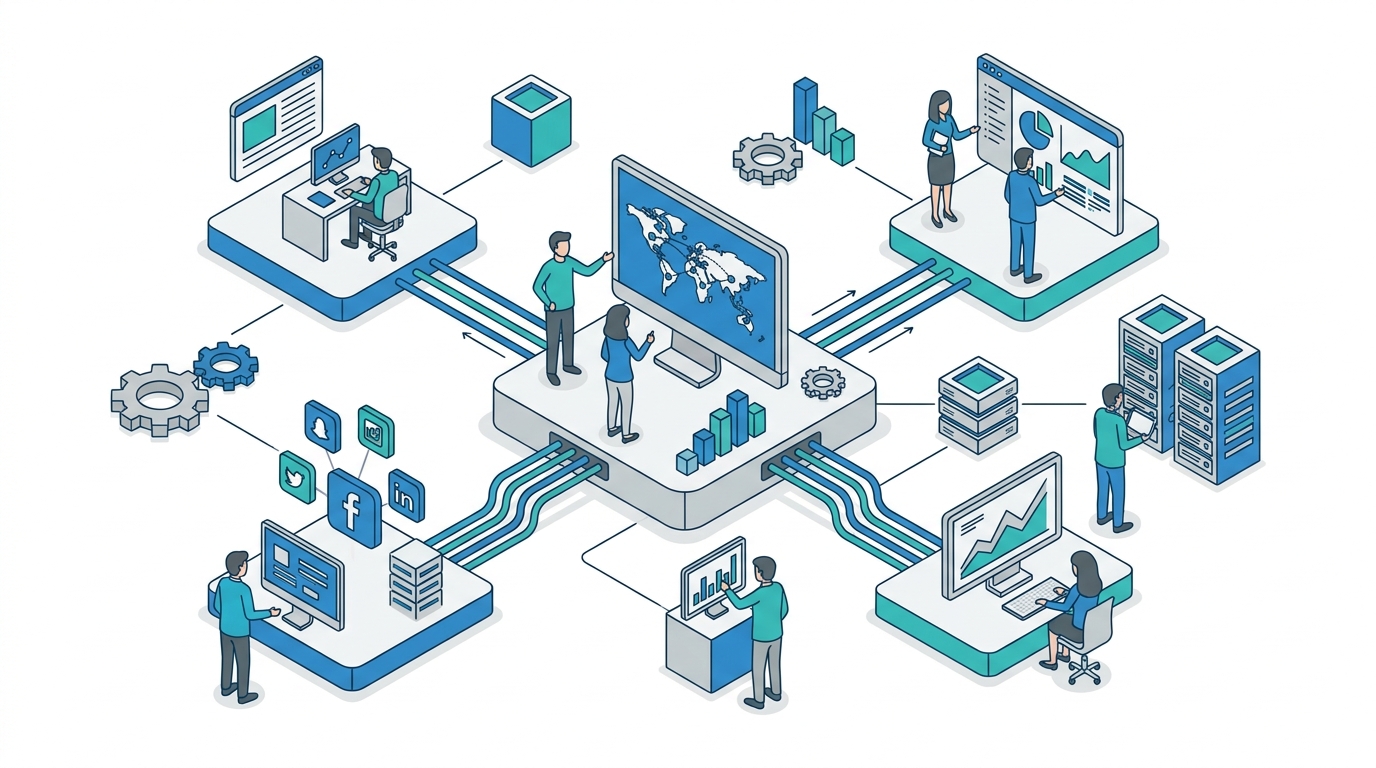
The phrase ai marketing platform is about to mean something different.
For years, marketing platforms were sold as places to manage campaigns, store contacts, build workflows, and pull reports. That model still matters, but it is no longer enough. When buyers ask ChatGPT, Gemini, Perplexity, or Google’s AI layer for a vendor recommendation, a service comparison, or a buying shortcut, the platform that wins is not the one with the prettiest dashboard. It is the one that helps a team show up, get cited, measure visibility, and connect that visibility to revenue.
That shift got a lot more concrete this week. Google said its Gemini API File Search is now multimodal, which makes grounded retrieval more practical for teams building answer systems. Microsoft said AI answers need a smarter search index, which is another way of saying the web is being reorganized around answer quality, not just page ranking. At the same time, OpenAI’s updated Ads in ChatGPT basics and Digiday’s report that OpenAI opened its self-serve ads manager to U.S. advertisers show that paid distribution inside AI interfaces is moving from experiment toward workflow.
If you run marketing for a B2B company, service business, or agency, the takeaway is simple: your AI marketing platform should function like an operating system for visibility.
It needs to know where your brand appears, why it gets cited, which answers it misses, how paid campaigns support demand capture, and where automation still drives lead flow after direct clicks get squeezed.
The modern AI marketing platform is not a dashboard, it is a connected system
A lot of teams still buy software in channel silos. One tool for SEO. One for paid media. One for reporting. One for SMS. One for automation. One for content. One more for AI visibility if budget allows.
That stack made sense when search, ads, and nurture were easier to separate.
It makes less sense now because the customer journey is getting compressed into fewer, higher-intent moments. A prospect can ask for software recommendations, compare vendors, see a sponsored prompt-side placement, click to a landing page, and join an automated nurture flow in a single session.
That is why the better way to define an AI marketing platform now is this: the system that connects recommendation, response, measurement, and follow-up.
The platform layer matters less for content generation than most vendors want you to believe. Generating more copy is easy. Understanding whether AI systems can retrieve, trust, and reuse your brand’s information is harder. Jason Barnard’s recent piece on the 10-gate AI search pipeline makes that point clearly. If your content fails discovery, rendering, indexing, annotation, or grounding, the rest of your marketing stack never gets the chance to perform.
This is where a lot of software pitches fall apart. They promise speed, but not retrieval quality. They promise content volume, but not citation strength. They promise workflow automation, but not proof that your brand is actually present inside AI answers.
A real platform has to do more than publish. It has to help marketing teams close the loop between what gets created, what gets found, what gets recommended, and what converts.
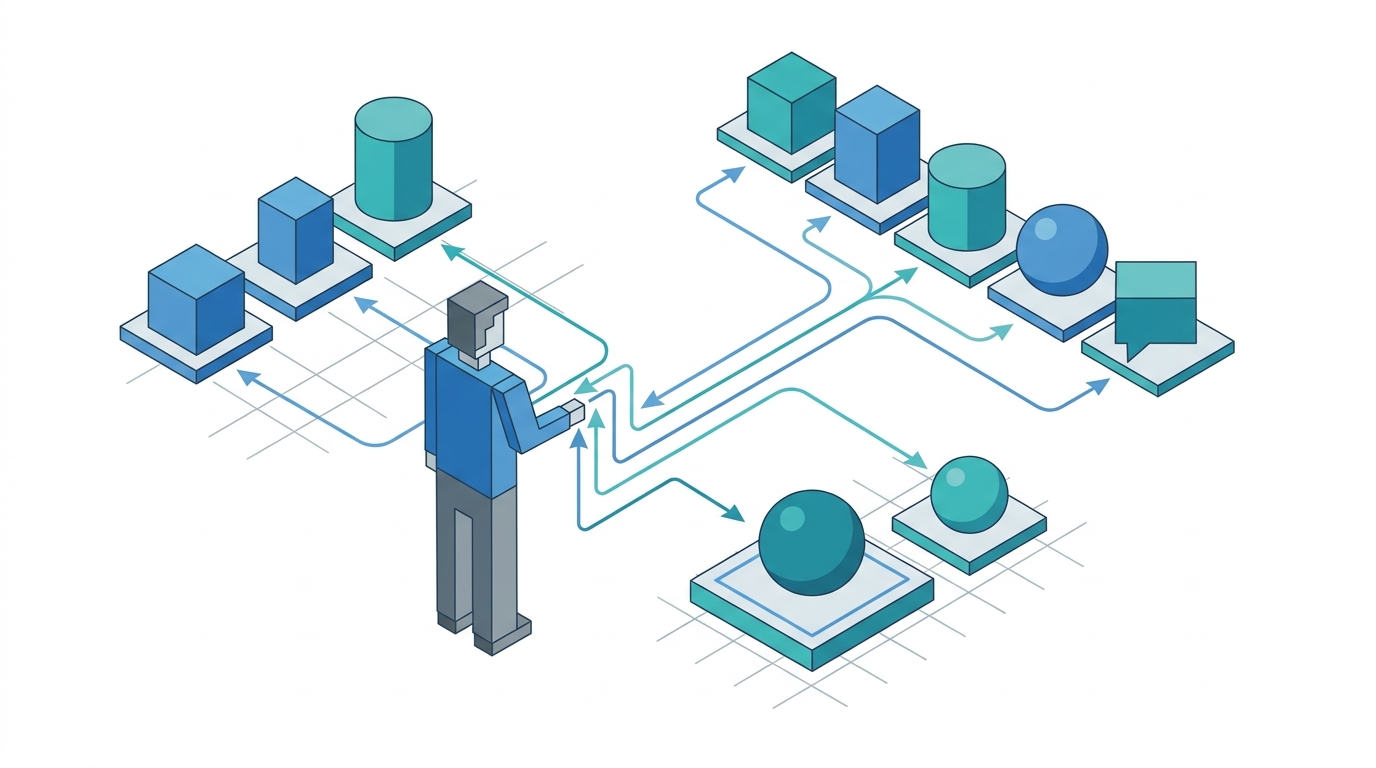
Why AEO changes what marketers need from software and reporting
AEO changed the reporting problem before most teams changed the software problem.
Traditional reporting was built around visits, rankings, click-through rate, and conversion paths that started after someone clicked a search result. AI search does not behave that neatly. Visibility can increase while clicks fall. Citation share can rise while traffic stays flat. A brand can influence a buying decision before analytics ever sees a session.
Microsoft’s AI indexing comments matter because they point toward the same structural shift Emarketed has been talking about for months. AI systems are not only ranking pages. They are selecting evidence. They are deciding which source is supportable enough to include in an answer. That is a different job than classic search ranking.
So the software marketers use has to evolve as well.
A useful AI marketing platform should show at least five things:
- Where your brand appears across AI search surfaces.
- Which pages get cited, or fail to get cited.
- What prompt themes trigger those mentions.
- How those visibility shifts line up with pipeline, leads, and sales.
- How paid campaigns and nurture flows pick up demand when the click never comes from organic search.
That is why a search visibility checker or ai visibility checker is no longer a nice-to-have add-on. It is part of the reporting foundation. If you cannot see your brand’s citation footprint, you are still grading performance with last year’s scoreboard.
We have seen this directly in client work. Seasons in Malibu holds 4,200+ keyword rankings and 814K+ monthly social impressions, a full-service result that covers SEO, AEO, paid search, social, and web. That kind of outcome does not come from one isolated channel. It comes from a connected system where visibility, demand capture, and conversion follow-through reinforce each other.
For B2B marketers, the same logic applies. Your prospect might first hear about you through an answer engine citation, later see your brand again in a paid placement, then convert after an automated follow-up sequence. If your reporting treats those as separate worlds, your budget decisions will be off.
Paid media is moving closer to AI search, not farther away
One of the easiest mistakes in 2026 is treating AI visibility and paid media as competing bets.
They are becoming complementary.
Digiday reported that OpenAI has opened its self-serve ads manager to U.S. advertisers of all sizes while promising third-party measurement and CPA bidding later. OpenAI’s own help documentation says ChatGPT Ads currently support CPM and CPC buying, show impressions, clicks, spend, CTR, average CPC, average CPM, and conversions, and allow UTM-based tracking. That is early-stage infrastructure, but it is still real infrastructure.
Meanwhile, Google continues pushing advertisers toward automation-heavy campaign structures. Its April announcement that Dynamic Search Ads are upgrading to AI Max shows the direction clearly. Google is not asking marketers whether AI-assisted campaign orchestration should become default. It is deciding that for them.
Then Google followed that with new AI Max features that extend the system into more campaign types and give advertisers more ways to steer messaging and destination control.
That matters because it changes how teams should optimize paid media campaigns.
In an AI-shaped search environment, paid search is no longer just about harvesting existing clicks. It is also about showing up in the commercial moments AI interfaces create or influence. That means your paid media setup should be informed by the same themes your AEO work is surfacing:
- Which high-intent questions keep appearing in AI conversations?
- Which offers need stronger landing pages because AI answers are pre-qualifying users before the click?
- Which branded queries are rising because answer engines are introducing you earlier in the journey?
- Which service pages need tighter message match because AI-assisted campaigns are expanding query coverage?
If your team wants to optimize paid media campaigns, the best starting point now is not only bid management. It is insight transfer between AI visibility data and paid performance data.
That is the core platform shift. The system should help paid media learn from answer engines, and help answer-engine content learn from paid conversion data.
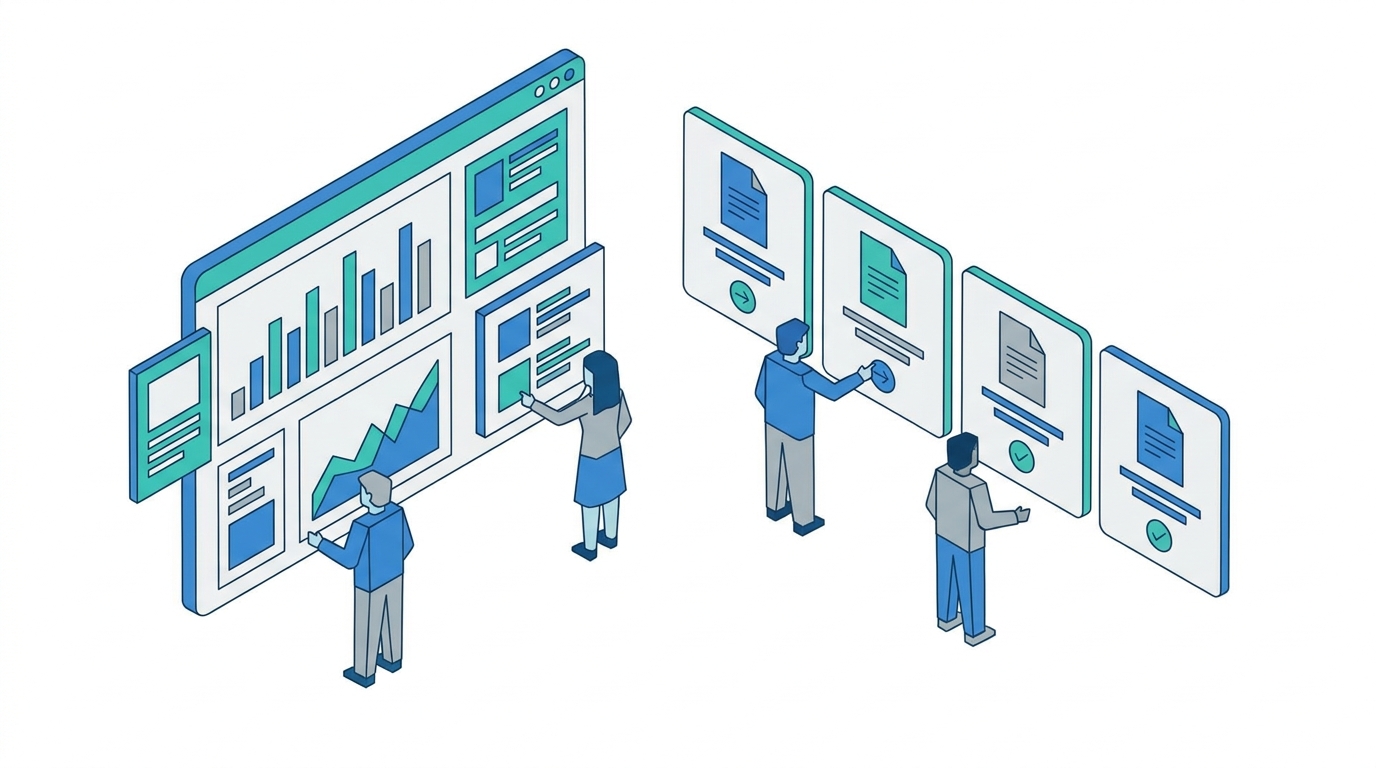
Where SMS marketing automation still fits
This is also a good moment to clear up a common misconception.
When people ask what is sms marketing automation, they usually mean scheduled text campaigns, lead reminders, or nurture flows. That is still part of it, but the bigger point is orchestration. SMS is one of the fastest ways to follow up when AI and paid channels create high-intent demand.
So yes, sms marketing automation still belongs inside a modern AI marketing platform. It just belongs there for a more specific reason than before.
If AI search reduces some direct organic clicks, then the value of every qualified click, form fill, and call request goes up. That puts more pressure on speed-to-lead and follow-up quality. A system that captures inbound interest and triggers immediate text-based follow-up can recover value that weaker teams leave on the table.
For service businesses, that can mean:
- text confirmation after a consultation request
- fast follow-up after a lead form from paid search
- appointment reminders for sales demos
- reactivation flows for dormant leads
- handoff from chatbot or AI assistant interaction into human outreach
The point is not that SMS replaces search. It is that automation keeps the stack connected after search behavior changes.
This is why software evaluation needs to get more practical. A vendor can call itself an AI marketing platform all day long, but if it cannot connect visibility signals, paid campaigns, and automated follow-up, it is probably a feature bundle, not a system.
That is also where a strong marketing automation service can outperform generic software implementation. Teams that are reworking follow-up should also look closely at how their paid ads strategy and AEO program share data instead of operating in parallel. Most teams do not need another unused dashboard. They need working workflows tied to actual demand signals.
Brand authority is the hidden layer under the whole stack
The retrieval and measurement story is important, but it still sits on top of a more basic truth: AI systems prefer brands they can trust.
Andrew Holland’s recent Search Engine Land article on why brand authority beats topical authority in AI search gets at this well. Content volume alone is not enough. Authority comes from being recognized as a source, not just publishing more pages than everyone else.
That is a crucial point for anyone shopping for free ai seo tools 2026 lists or AI content software. Tools can help with process. They cannot manufacture legitimacy.
A strong AI marketing platform should therefore support authority building in practical ways:
- clear entity consistency across site pages
- strong proof pages and category pages
- structured service content that answers buying questions directly
- consistent branded mentions across channels
- reporting that highlights which content becomes citation-worthy
This is also why some of Emarketed’s strongest results come from connected execution instead of isolated channel work. LA Roofing Materials grew from near-zero organic presence to over 2,000 keyword rankings and a 258% surge in AI mentions, a result of consistent SEO and AEO execution over time. That kind of lift does not come from tool hopping. It comes from building authority that AI systems can repeatedly recognize.
If a platform does not help you clarify what your brand is authoritative for, it is missing the part that matters most.
What a practical stack looks like for a B2B or service business
Most teams do not need a moonshot rebuild. They need a working stack with fewer blind spots.
For a B2B or service brand, a practical setup in 2026 usually looks like this:
1. Core site and answer-ready service pages
Your site still needs fast, clear, well-structured pages that explain services, proof, outcomes, and differentiation. This is the content AI systems retrieve from first.
2. AI visibility monitoring
You need recurring checks on citation presence, answer themes, and brand mention consistency across major AI surfaces. If you want one lightweight starting point, Emarketed’s Brand Presence Checker is a useful baseline. Teams that want more context on the reporting side can pair that with Emarketed’s takes on brand mentions and AI visibility and answer equity as a KPI. Keep it to one tools link and build from there.
3. Paid search and AI-influenced demand capture
Your paid stack should reflect how AI is changing query behavior. That includes stronger landing page relevance, broader message testing, and campaign structures prepared for AI-assisted expansion.
4. Automation and nurture
Every qualified lead should move into fast follow-up. Email still matters, but SMS and CRM workflows matter more when buying journeys speed up. For B2B teams selling into longer cycles, this is also where LinkedIn-driven authority and AI search citations for B2B visibility start to support the rest of the stack.
5. Unified reporting
The reporting layer should combine citations, branded search movement, lead quality, assisted conversions, and sales outcomes. If those metrics live in different universes, leadership gets a distorted picture.
That is the operating system view. It is less flashy than some AI demos, but it is more useful.
FAQ: what marketers are asking about AI marketing platforms right now
What is an AI marketing platform in 2026?
An AI marketing platform in 2026 should connect AI visibility, paid media, automation, and measurement. It is less about generating content at scale and more about helping brands get found, cited, tracked, and converted.
Why does AI visibility matter if traffic still comes from Google?
Because influence is moving upstream. Buyers are using AI interfaces to compare vendors and shortlist options before they ever click. If your brand is absent from those answers, you can lose consideration before analytics records a visit.
What is sms marketing automation and why does it still matter?
SMS marketing automation is the use of triggered text messaging inside lead nurture and customer communication workflows. It still matters because faster follow-up helps teams capture value from the high-intent traffic and leads that AI search and paid campaigns create.
Do I need a separate ai visibility checker?
You need some reliable way to monitor AI visibility, whether that is a dedicated ai visibility checker, internal workflow, or agency process. Without that data, you are evaluating modern search performance with incomplete signals.
How should teams optimize paid media campaigns when AI reduces clicks?
Focus on higher-intent landing pages, tighter measurement, better creative testing, and closer alignment between AI visibility themes and paid message strategy. The goal is not only more clicks. It is better capture of the demand AI systems influence.
Are free ai seo tools 2026 enough to solve this problem?
Free tools can help with audits and diagnostics, but they do not replace strategy, authority building, or connected reporting. They are useful starting points, not complete systems.
The next step is to build for recommendation, not just traffic
The smartest move most teams can make this quarter is not buying another AI content tool.
It is auditing whether their current stack can answer five questions clearly: where are we visible, where are we absent, what gets us cited, how are paid channels adapting, and what happens after a lead shows intent?
If your current software cannot answer those, then your AI marketing platform is not really a platform yet.
It is a collection of tools waiting for an operating system.
That is where the next round of winners will separate from the teams still optimizing only for clicks.