AEO Is Now a Software Category, Not a Search Theory
AEO just became a real software category in 2026. Here is what HubSpot, Conductor, and Siteimprove signal for agencies, marketers, and AI visibility strategy.

Answer engine optimization is not a fringe SEO debate anymore. This week, three established marketing software companies moved AEO into product, pricing, dashboards, and budget conversations.
HubSpot launched HubSpot AEO as part of its Spring 2026 Spotlight. Conductor launched AgentStack for AEO. Siteimprove launched deeper AEO insights for AI visibility. When multiple vendors ship products around the same workflow in the same window, the market is telling you something.
That something is simple: marketers are no longer asking whether AI search visibility matters. They are asking how to measure it, who owns it, and what budget line it belongs to.
For agencies and in-house teams, this is the real shift. AEO has moved out of theory and into operations.
Why this week matters more than another trend piece
Marketing gets flooded with shiny objects. Most of them never make it past the keynote stage. AEO looks different now because the new product launches all point to the same operational problem.
Organic traffic is getting weaker as a clean standalone KPI, while AI answer visibility is getting harder to ignore. HubSpot said organic traffic for its customers is down 27% year over year while AI referral traffic has generally tripled, and it built its new AEO product around that reality. That is not a niche startup trying to create a category. That is a major platform reacting to behavior already happening inside the market.
Conductor took a different angle. Its AgentStack launch frames AEO as infrastructure, with apps, APIs, an MCP server, and turnkey agents built to manage AI search visibility at scale. Siteimprove leaned into measurement, adding AI citations, share of answers, brand sentiment, and competitive positioning inside a unified visibility dashboard.
Those details matter because they show where the market is settling. AEO is becoming a repeatable function with three parts:
- visibility monitoring
- prompt and citation analysis
- content and technical changes tied to measurable business outcomes
That is what software categories are built on. They take an emerging pain point and turn it into a system people can buy, own, report on, and improve.
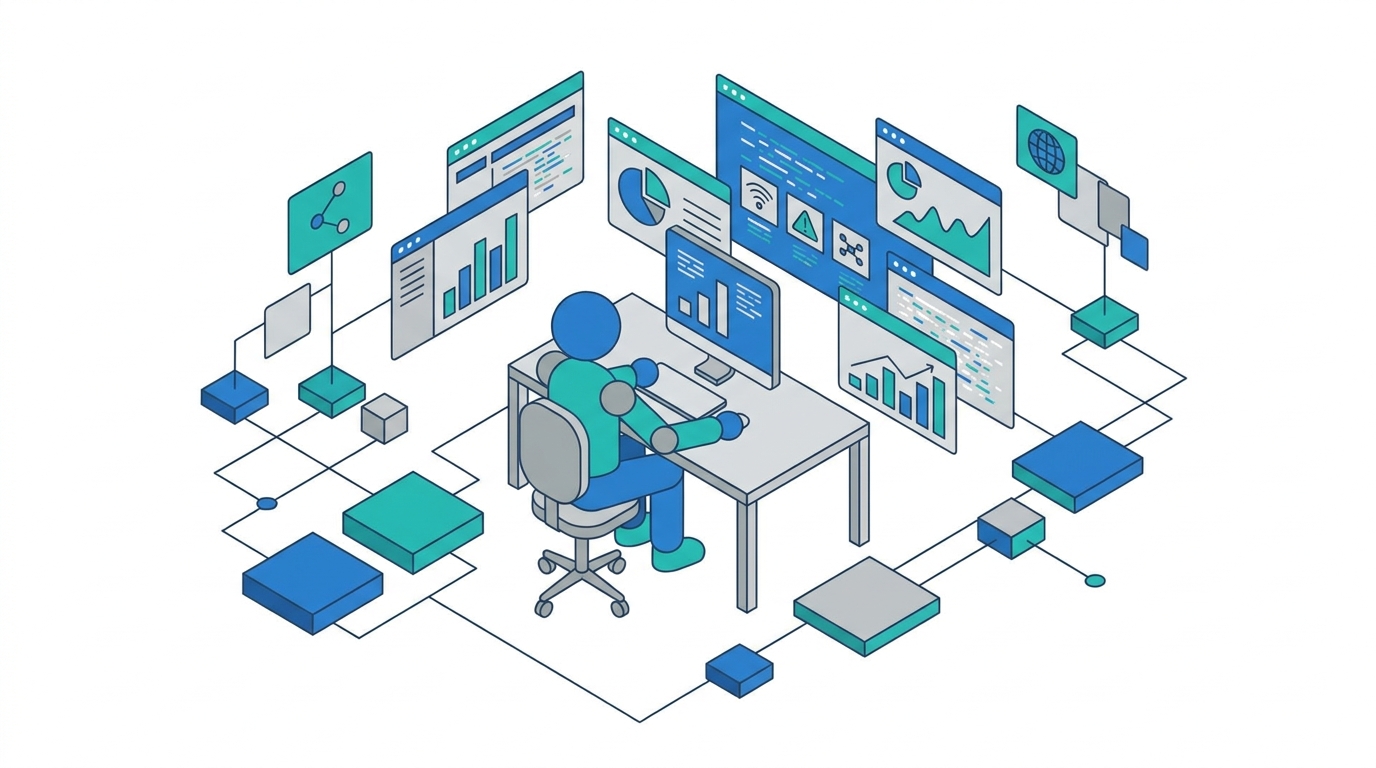
AEO is becoming the next reporting layer marketers have to own
A few months ago, plenty of teams could still treat AI visibility as an interesting side project. Maybe someone on the SEO team checked ChatGPT manually. Maybe a strategist ran a few prompts in Perplexity and dropped screenshots into a deck. That was enough for exploration, but not for operations.
The new launches suggest that phase is over.
HubSpot positioned AEO as something marketers should measure regularly, not occasionally. Its launch materials describe competitor benchmarking, citation analysis, prioritized recommendations, and prompt suggestions tied to a company’s own customer data. That is a big conceptual jump from rank tracking. It says the job is no longer just winning a keyword. The job is understanding which questions buyers ask AI systems, whether your brand appears in the answers, and what to do when it does not.
Siteimprove made the same point from an enterprise reporting angle. Its updated platform now tracks citation frequency, share of voice inside answers, sentiment, and revenue attribution tied to AI visibility. Even if some attribution claims will take time to mature, the direction is obvious. Executives want a dashboard for AI answer presence the same way they wanted one for organic visibility, paid performance, and funnel conversion.
Conductor pushed that idea further by turning AEO into workflow automation. If a platform can reduce reporting time and accelerate AI-search-ready content production, then AEO stops being just a strategy slide. It becomes a process teams can actually run every week.
This is the part a lot of agencies still miss. The market is not waiting for a perfect definition of AEO. It is building around the need to manage AI visibility now.
What this means for agencies
If you run an agency, the immediate question is not whether you should talk about AEO. It is whether you can deliver something concrete enough to justify a retainer.
That means your offer has to move past vague language like “we’ll help you show up in AI.” Clients are going to see HubSpot talking about AEO. They are going to see software vendors and competitors talking about AI visibility. Once that happens, they expect a system.
A workable AEO service line now needs at least five parts.
1. Query and prompt mapping
You need a defined set of prompts that reflect how buyers actually ask AI tools for help. Those prompts should not be random. They should cover category questions, comparison questions, local intent, problem-aware searches, and brand-adjacent discovery queries.
2. Citation and presence tracking
AEO without measurement turns into storytelling. You need a repeatable way to document whether a client is cited in ChatGPT, Gemini, Perplexity, Google AI experiences, and other relevant answer surfaces.
3. Content restructuring
Most brands do not need more generic content. They need clearer answers, stronger topical depth, better page architecture, and tighter entity signals. AI systems reward directness and source clarity more than bloated keyword formatting.
4. Technical trust signals
Schema, internal linking, clean authorship, consistent service-page structure, and machine-readable brand information all matter more when systems are trying to decide whether your content deserves to be cited.
5. New reporting language
You still need to report on traffic and conversions, but that is not enough anymore. Clients need to understand citation rate, answer presence, assisted influence, and where AI visibility is growing before sessions show up in analytics.
This is also where a lot of agencies can create separation. Most firms are still packaging AEO as “SEO, but for ChatGPT.” That is too shallow. The better framing is that SEO and AEO now overlap, but they are not identical jobs.
For some clients, especially in healthcare and high-consideration services, being cited in the answer may matter more than winning the click that never comes.
The reporting shift is bigger than the traffic shift
A lot of marketers are still hung up on the wrong argument: does AI send enough traffic yet?
That is not the most useful question.
The better question is this: if buyers are using AI systems earlier in the decision process, what evidence do you have that your brand is present when those decisions get framed?
HubSpot’s launch is revealing here because it did not pitch AEO as a vanity metric. It tied the product to discovery, prompt intelligence, and higher-converting AI referrals. Siteimprove did the same by putting revenue attribution next to citations and sentiment. Conductor tied it to speed, scale, and team workflow.
In other words, the category is forming around business visibility, not around a simple replacement for keyword rankings.
That matters because marketers have seen this movie before. Social reach, local pack rankings, influencer mentions, review velocity, and share of voice all looked fuzzy at first. Then they became operational metrics because the market figured out how to connect them to pipeline and revenue.
AEO is on that same path now.
We already see this in client work. Seasons in Malibu holds 4,200+ keyword rankings and 814K+ monthly social impressions, a full-service result that covers SEO, AEO, paid search, social, and web. That matters because the modern search journey is not clean or linear. A patient may see a citation in an AI answer, view branded content later, and convert through a different channel entirely. If your reporting model only respects last-click organic traffic, you will undercount what AI visibility is doing.

Why in-house teams should pay attention right now
If you lead marketing in-house, this week’s product launches create a practical question: who owns AEO inside your org?
It probably will not stay isolated inside one team.
SEO teams understand content structure, technical trust signals, and search demand. Content teams shape the answers. Brand teams care about message consistency and reputation inside AI responses. Demand gen teams want to know whether AI visibility drives qualified pipeline. Sales teams want better prompts, better positioning, and fewer blind spots against competitors.
That means AEO is likely to become a cross-functional function even if one team administratively owns the dashboard.
The earlier you define that ownership, the better. Otherwise AEO becomes one of those awkward categories that everybody references and nobody runs.
A good starting point is to treat AEO like a shared visibility layer. One team owns measurement cadence and recommendations, but the work gets distributed:
- SEO handles structure, technical fixes, and entity consistency
- content handles answer design and topic depth
- brand reviews message accuracy and reputation gaps
- demand gen tracks downstream lead quality and influence
This is also why Emarketed’s AEO service page matters as a reference point for teams trying to understand what a structured program should include. The discipline is no longer abstract. It now needs owners, workflows, and recurring deliverables.
The real risk: software adoption without strategy
There is one caution buried inside all this momentum.
AEO software is arriving fast, but software alone will not fix weak source material.
A dashboard can tell you that you are missing from AI answers. It can show which competitors are present. It can even suggest prompts or content opportunities. But if your site is vague, thin, inconsistent, or untrustworthy, no product is going to manufacture authority for you.
That is where the category could get messy over the next year. Some teams will buy AEO tooling and assume they have solved the problem. They have not. They have only made the gap more visible.
The brands that benefit most from this next phase will be the ones that use software to sharpen execution, not replace it.
That means:
- tightening service pages so they answer real buyer questions directly
- expanding topic clusters with actual depth instead of filler
- building citation-worthy assets with clear authorship and sourcing
- improving entity consistency across the site and the wider web
- testing answer surfaces regularly instead of waiting for quarterly surprises
Software makes those workflows easier to manage. It does not make weak marketing strong.
What happens next in the AEO market
Now that AEO has clearer product packaging, expect three things to happen quickly.
More budget scrutiny
Once a category has software pricing attached to it, leadership starts asking for ROI language. AEO programs will need business cases, not just future-of-search slides.
Faster agency productization
Agencies that have been loosely talking about AI visibility will formalize packages, audits, monitoring retainers, and content programs. The winners will be the ones with a clear framework and proof, not just trendy vocabulary.
More confusion in the middle of the market
A lot of businesses will hear “AEO” from five vendors and get five different definitions. That creates an opening for agencies and consultants who can explain the work plainly: track visibility, improve source quality, increase citation likelihood, and connect that to qualified business outcomes.
The market does not need more jargon. It needs operators who can translate the shift into action.
FAQ: what marketers should know about AEO becoming a software category
What does it mean that AEO is now a software category?
It means AEO is moving from thought leadership into tools, reporting, workflows, and budget ownership. When major martech vendors build products around AI visibility, the market is saying this work is operational, not experimental.
Does this mean SEO is dead?
No. SEO still matters. What changed is that ranking alone is no longer enough. Brands now need both strong traditional search performance and visibility inside AI-generated answers.
Should agencies buy AEO software right away?
Only if they also have a delivery framework behind it. Software can speed up research, reporting, and monitoring, but it will not replace content quality, technical cleanup, and strategic prompt mapping.
What metrics matter most in AEO reporting?
Citation presence, share of answers, prompt coverage, competitor comparison, AI referral quality, and assisted pipeline signals all matter. Traffic still counts, but it is no longer the only useful outcome.
Who should own AEO inside a marketing team?
Usually one lead should own the cadence, but the work itself spans SEO, content, brand, and demand gen. AEO works best when one team coordinates it and multiple teams contribute.
Is AEO only relevant for enterprise brands?
No. Smaller brands can benefit too, especially in categories where buyer questions are specific and trust signals matter. In many cases, a focused brand with better answers can outperform a larger competitor with bloated content.
What to do on Monday morning
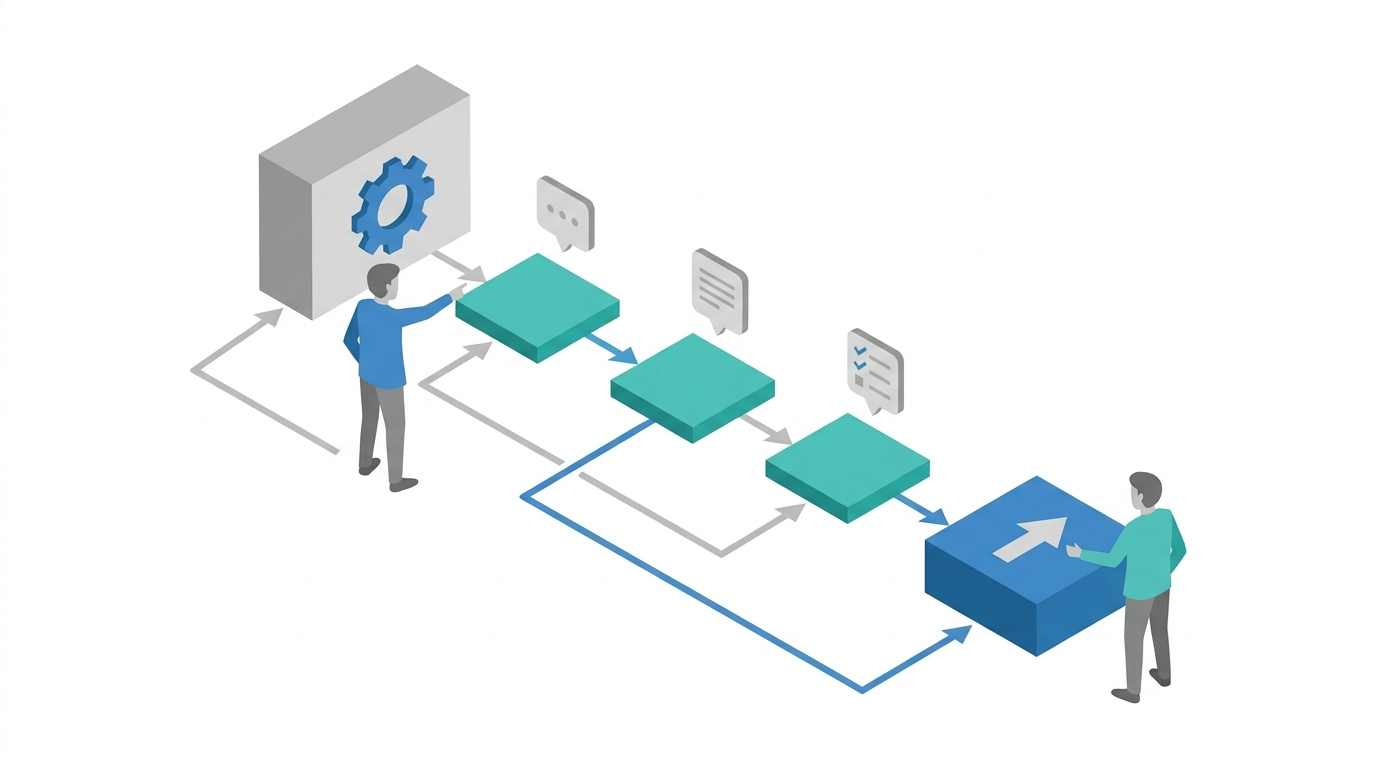
If you are an agency, stop treating AEO like a slide at the end of an SEO deck. Build an actual operating model. Define prompts. Track citations. Rewrite weak pages. Report on visibility in answers, not just rankings in results.
If you are in-house, decide who owns this before it becomes another shared priority with no driver. Pick a core set of buyer questions, test them across AI platforms, and document where your brand shows up, where it does not, and why.
This week mattered because it made the market easier to read. HubSpot, Conductor, and Siteimprove all put chips on the same square. That does not happen by accident.
AEO is now a software category because AI visibility is now a real business problem. The brands that treat it that way will have an advantage over the ones still arguing about definitions.