Personalization at Scale: How AI Marketing Agents Tailor Customer Experiences
From generic campaigns to individual experiences at any scale.
How small businesses are using AI to deliver individualized marketing to hundreds or thousands of customers without a massive team or budget.
Personalization used to mean adding someone’s first name to an email subject line. That was the extent of what most small businesses could manage, and even that felt like a win. Meanwhile, companies like Amazon and Netflix were building recommendation engines that felt like they knew you better than your friends did.
The gap between what large companies could do with personalization and what small businesses could afford was enormous. AI marketing agents are closing that gap faster than anyone expected.
Today, a small business with the right AI tools can deliver product recommendations based on individual browsing behavior, send emails timed to each customer’s habits, adjust website content based on who is visiting, and tailor offers based on purchase history and predicted future behavior. All without hiring a data science team.
This article covers how AI-powered personalization works, where it delivers the biggest impact for small businesses, and how to implement it without overcomplicating your marketing operation.
This article is part of our Ultimate Guide to AI Marketing Agents for Small Businesses, your complete resource for AI-powered marketing strategy and implementation.
What “Personalization at Scale” Actually Means
Let us define this clearly because it gets thrown around loosely.
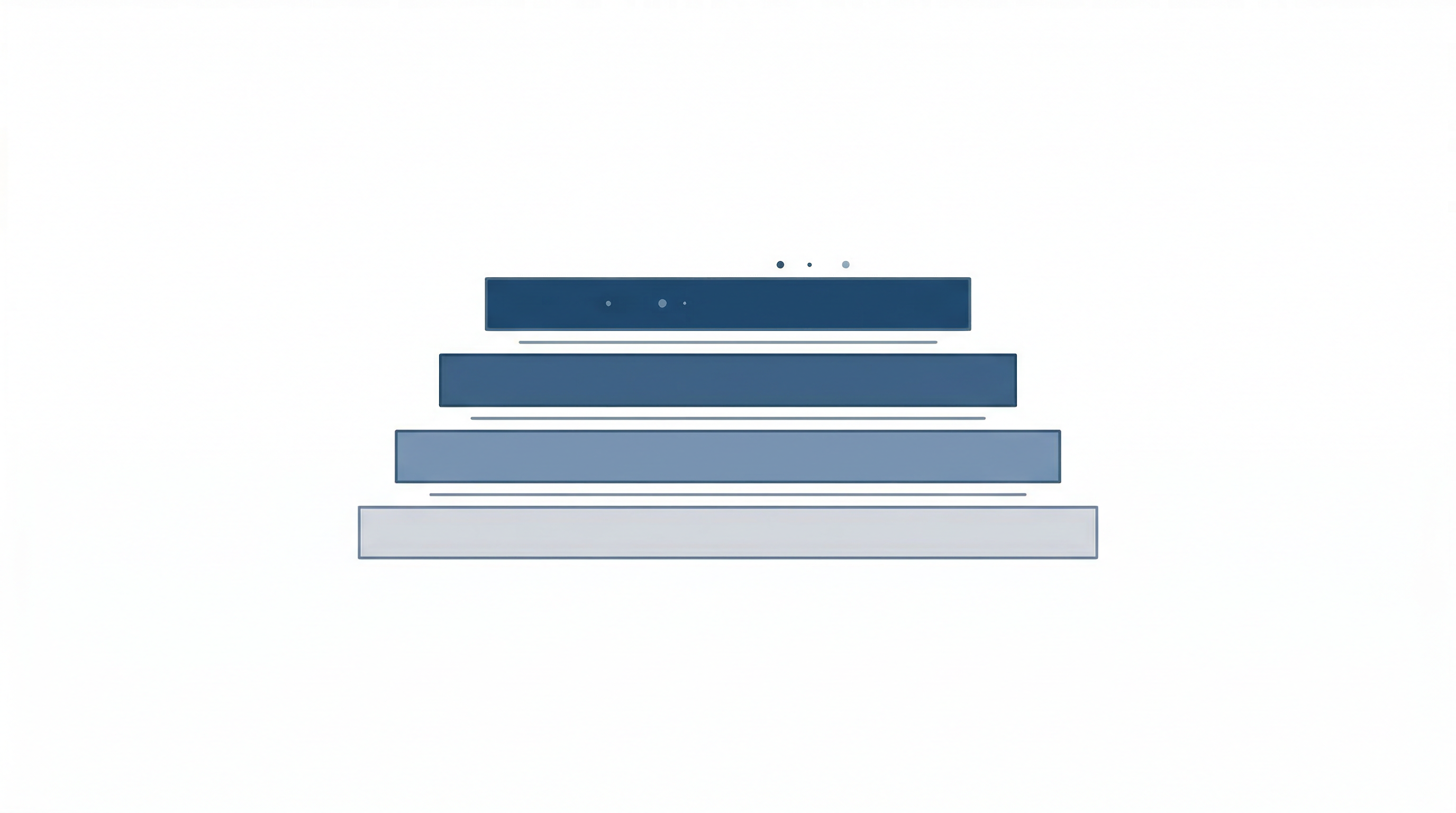
Basic personalization is using someone’s name or referencing their location. It feels slightly more personal than a generic message, but it does not change the substance of what you are communicating.
Segmented personalization is grouping customers into categories (new customers, repeat buyers, high spenders) and tailoring messaging for each group. Better than basic personalization, but everyone in a segment gets the same experience.
Individual personalization at scale is what AI marketing agents enable. Every customer receives a different experience based on their specific behavior, preferences, and predicted interests. The email they open has different product recommendations than what another customer sees. The offer they receive is calibrated to their purchase patterns. The timing of every touchpoint is optimized for their individual habits.
The “at scale” part is what makes AI necessary. A human could theoretically create a unique experience for each of your ten best customers. But doing it for 2,000 or 20,000 customers simultaneously? That requires automation with intelligence behind it.
Where Personalization Makes the Biggest Difference
Not every touchpoint needs to be personalized. The effort-to-impact ratio varies significantly. Here is where personalization consistently delivers the strongest results for small businesses:
Email Campaigns
Email is the most natural fit for AI-powered personalization because you already have data on each subscriber (what they have opened, clicked, bought, and browsed) and you control the entire experience from subject line to content to timing.
Practical applications include product recommendations tailored to purchase history, dynamic content blocks that change based on the recipient’s segment or behavior, send-time optimization adjusted per individual subscriber, and subject lines tested and selected based on what each person tends to respond to.
The numbers back this up consistently. Personalized emails outperform generic ones by wide margins on open rates, click-through rates, and revenue per send.
Product Recommendations
For e-commerce businesses, AI-powered product recommendations are one of the highest-ROI personalization tactics available. The AI analyzes what each customer has viewed, purchased, and added to their cart, then suggests products they are likely to want next.
This works in emails (“You might also like…”), on your website (dynamic recommendation widgets), and in post-purchase sequences (“People who bought X also loved Y”). Platforms like Klaviyo and Dynamic Yield handle this well for small businesses.
Website Experience
Some AI tools can adjust what visitors see on your website based on who they are. A returning customer might see their recently viewed products on the homepage. A first-time visitor from a Google ad might see a landing page tailored to the keywords they searched. A customer who abandoned their cart might see a targeted banner offering free shipping.
This level of website personalization used to require expensive enterprise tools. Simpler versions are now accessible through platforms like Optimove, Insider, and even built-in features on Shopify Plus.
Retargeting and Paid Ads
AI agents can personalize your retargeting campaigns based on what each customer did on your site. Someone who looked at shoes but did not buy sees shoe ads. Someone who read three blog posts about kitchen remodeling sees ads for your remodeling services. The specificity increases relevance, which increases click-through rates, which reduces your cost per acquisition.
How It Works Under the Hood
You do not need to understand the technical details to use these tools, but knowing the basics helps you make better decisions.
Data collection. The AI gathers behavioral data from every customer interaction: email opens and clicks, website visits and page views, purchase history, cart activity, and social media engagement. It builds a profile for each customer that gets richer over time.
Pattern recognition. Using machine learning, the AI identifies patterns in how different customer types behave. It might learn that customers who view a product three times within a week are 70% likely to buy if they receive a reminder email. Or that customers who buy during a sale rarely pay full price and respond better to discount-focused messaging.
Decision making. Based on these patterns, the AI decides what to show each customer, when, and through which channel. These decisions happen in real time or near-real time, adjusting as new data comes in.
Continuous learning. Every interaction generates new data that refines the AI’s models. The personalization gets better over time without you needing to manually update rules or segments.
Getting Started Without Overcomplicating Things
The biggest risk with personalization is over-engineering it before you have the basics in place. Here is a practical starting path:
Level 1: Segment-based personalization. If you are not personalizing at all right now, start by dividing your audience into 3 to 5 segments based on behavior (new subscribers, active customers, lapsed customers, VIP buyers). Create different messaging for each segment. Most AI email platforms handle this automatically once you set up the segments.
Level 2: Behavioral triggers. Add automated messages triggered by specific actions: welcome emails for new subscribers, abandoned cart reminders, post-purchase follow-ups, and browse abandonment emails. The AI personalizes the content within each trigger based on what the customer was looking at.
Level 3: Individual-level personalization. Once your triggers are running and you have a few months of data, enable the AI’s deeper personalization features: individual product recommendations, predictive send-time optimization, and dynamic content that changes per recipient. This is where the compounding value really shows up.
Level 4: Cross-channel personalization. Connect your email, website, and ad platforms so the AI can coordinate personalized experiences across channels. A customer who clicks a product in an email sees that product featured when they visit your site. If they do not buy, they see a targeted ad the next day. This level takes more setup but creates a cohesive experience that significantly lifts conversion rates.
Move through these levels at your own pace. Most small businesses can reach Level 2 within the first month and Level 3 by month three. Level 4 is a longer-term goal that builds on everything before it.
The Privacy Balance
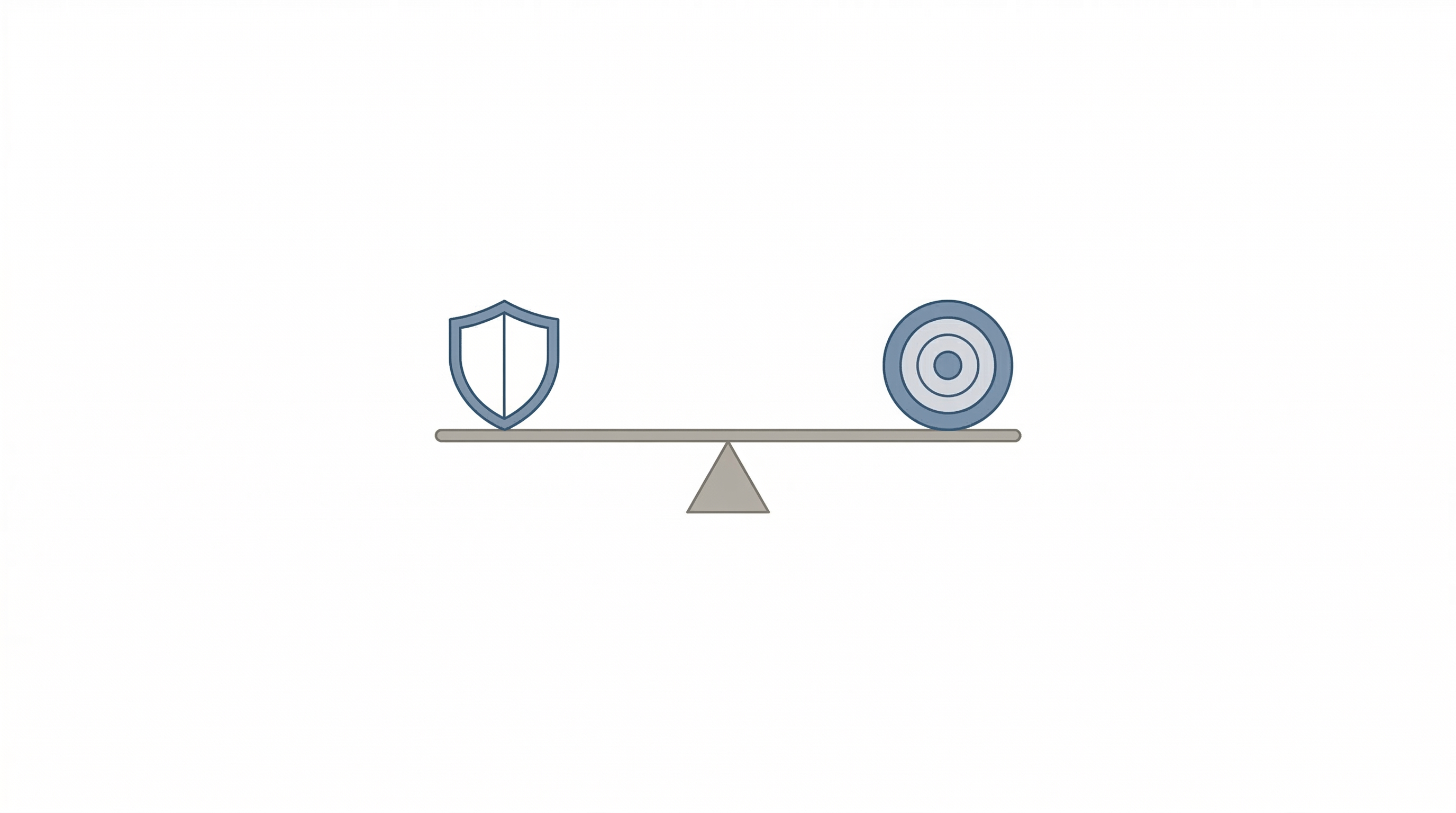
Personalization only works if customers trust you with their data. Push too hard and personalization starts to feel intrusive. Customers notice when the specificity of your marketing crosses the line from helpful to unsettling.
The rule of thumb: personalization should feel like a helpful recommendation from a knowledgeable salesperson, not like surveillance. “You might like this product based on your recent purchase” feels helpful. “We noticed you looked at this product for 47 seconds on Thursday afternoon” feels creepy.
Be transparent about how you use data. Give customers control over their preferences. And always make sure your personalization adds genuine value to the customer’s experience rather than just serving your conversion metrics.
Results You Can Expect
Based on what we see across small businesses implementing AI-powered personalization:
Personalized email campaigns typically see 15 to 30% higher open rates and 20 to 50% higher click-through rates compared to generic sends. Product recommendation engines drive an additional 10 to 25% of e-commerce revenue once properly calibrated. Behaviorally triggered automations (cart abandonment, browse abandonment, post-purchase) recover revenue that would otherwise be completely lost.
The compounding effect is the real story. Each personalization layer you add improves the data available for the next layer. After six months of consistent implementation, the AI’s understanding of your customers is dramatically better than where it started, and the results reflect that.
For more on making the most of your AI marketing investment, read 7 Tips for Maximizing ROI from Your AI Marketing Agent. And for a real-world example of personalization in action, see our Case Study: How AI Marketing Agents Increased Leads for a Local Retailer.
Ready to bring personalization to your marketing? Talk to the Emarketed team about building an AI-powered personalization strategy that fits your business.