Brand Mentions Are Now an AI Visibility Strategy
AI visibility starts before search. Here is why brand mentions, entity signals, and citations now matter more than publishing another generic blog post.
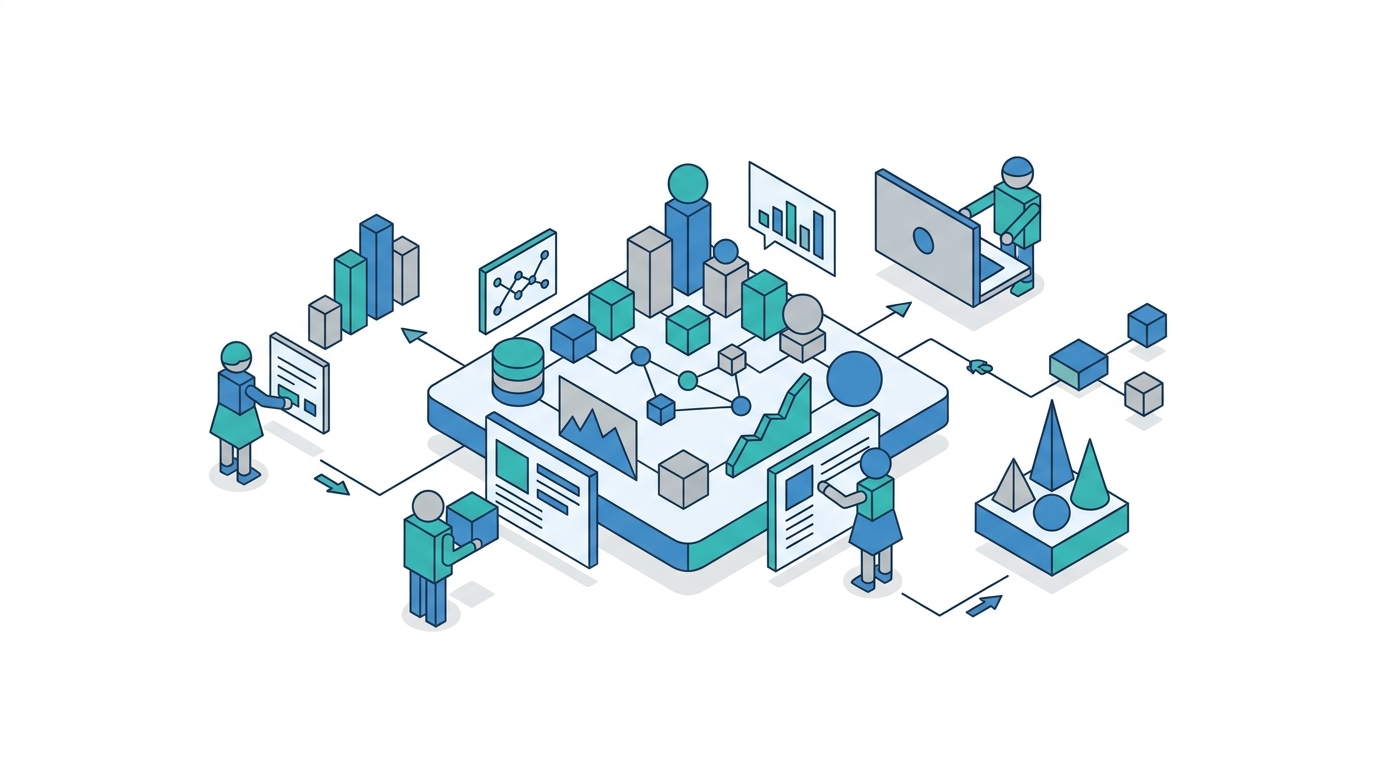
AI visibility starts before anyone types a prompt.
That is the shift most marketers are still missing. If your brand is not already present across trusted pages, third-party mentions, reviews, citations, and clear entity signals, AI systems have less reason to surface you when someone asks for a recommendation. Another generic blog post will not fix that.
This matters right now because several fresh pieces from Search Engine Land have converged on the same conclusion: AI visibility starts before search and ends with citations, brand authority is beating topical authority in AI search, and a small group of domains still captures a disproportionate share of ChatGPT citations. The takeaway is blunt. If your brand is not known, referenced, and easy for machines to understand, you are asking AI tools to trust a stranger.
For agencies, healthcare marketers, and in-house teams, that changes the job. The work is no longer just publishing content around keywords. The work is building answer eligibility.
Why AI visibility starts before search
Traditional SEO trained marketers to think in a straight line: keyword, page, ranking, click, conversion. AI search is messier than that. Large language models and AI-assisted search tools do not simply reward the page with the best on-page optimization. They assemble answers from brands and sources that already look credible.
That means the decision often happens before your page gets considered. If your company has weak entity signals, few credible mentions, scattered business information, thin author pages, or no footprint in trusted industry conversations, you can lose before the prompt is even answered.
This is why the recent Search Engine Land coverage on AI visibility matters. The point is not that blogs are dead. The point is that blogs work differently now. A post is more useful when it supports a broader reputation graph, not when it exists as an isolated keyword asset.
For marketers, that has three practical implications:
- Your site content is only one part of the signal set.
- Your brand footprint across the web affects whether AI systems trust your claims.
- Citation wins usually come after authority is established, not before.
That last point is where many teams waste time. They keep asking how to get cited without asking why an AI system would cite them at all.
The old topical-authority playbook is not enough anymore
For years, the safe SEO advice was to build topic clusters, publish consistently, and cover a subject from every angle. That still helps, but it is no longer the whole game.
Search Engine Land’s recent argument that brand authority beats topical authority in AI search lines up with what many agencies are already seeing in the field. The brands that show up most often are not always the ones with the largest content library. They are often the brands with stronger recognition, cleaner entity signals, better off-site references, and clearer proof that real people trust them.
In plain English, AI systems are less impressed by volume than marketers hoped. They care more about whether your brand looks established, referenced, and consistent.
This creates a real problem for companies still running content calendars built around output quotas. Publishing four more safe blog posts this month may add indexable pages, but it may do very little for citation likelihood if nothing about your authority footprint changes.
That is also why another recent Search Engine Land piece, What blog posts should you write to be mentioned in ChatGPT?, is so useful. It points toward more commercial, comparison-driven, decision-stage content instead of generic top-of-funnel posts. AI tools seem more likely to search the web and cite sources when the prompt has real buying intent attached to it.
So yes, content still matters. But the right content now has a job beyond ranking. It has to reinforce that your brand belongs in the answer.
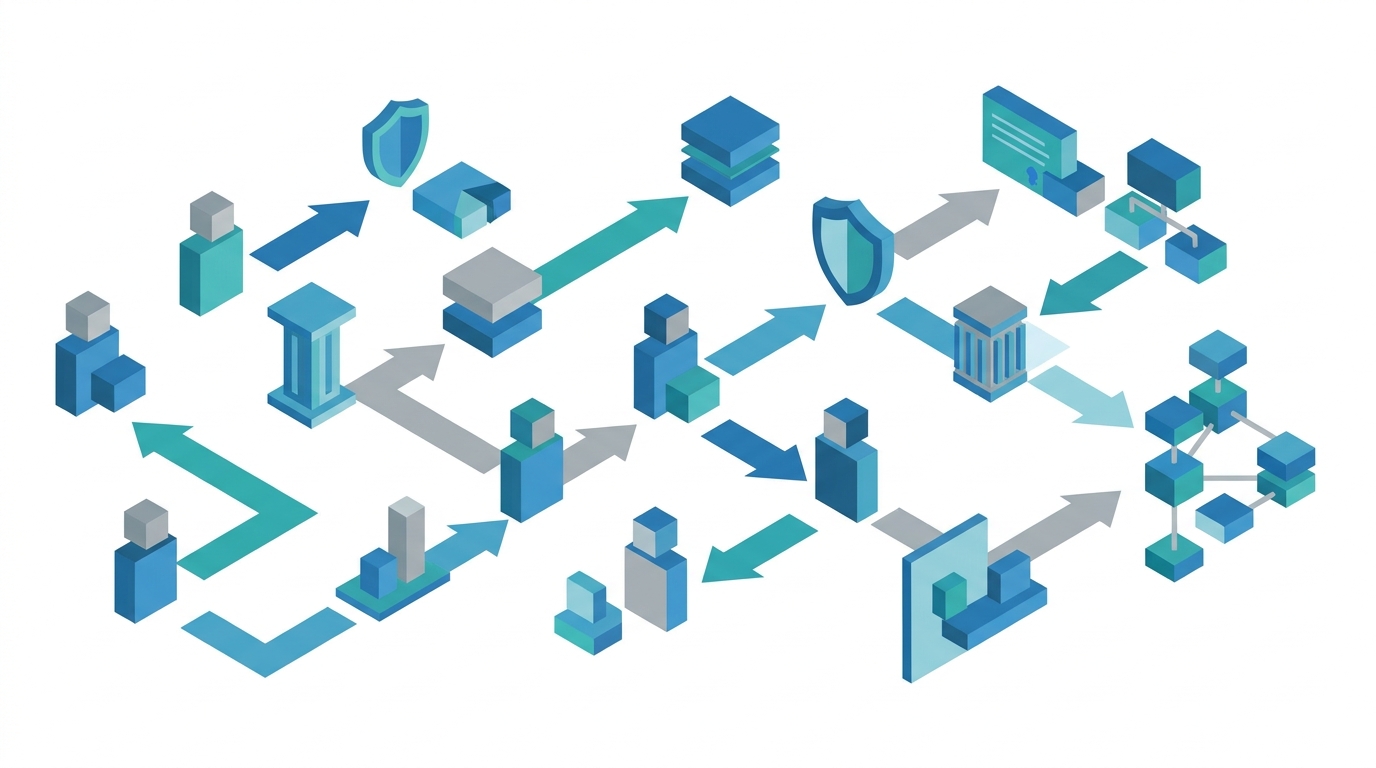
What counts as a real AI visibility signal
If you want a practical way to think about this, stop treating AI visibility as a single ranking factor. It is closer to a stack of trust signals.
A recent Search Engine Land article on four signals that now define visibility in AI search reinforces this direction. Even without relying on one magic metric, the pattern is clear: visibility comes from layered evidence.
Here are the signals that matter most.
1. Clear entity identity
Your brand should be easy to identify across your website and the wider web. That includes consistent company naming, accurate address and phone data where relevant, solid organization schema, author information, about pages, and clear service descriptions.
Messy entity data creates friction. If your company name appears in three formats, if your location data conflicts, or if your expertise is vague, you are giving AI systems a harder classification problem than necessary.
2. Third-party validation
AI tools are cautious about self-reported claims. Anyone can say they are the best agency for rehab marketing or the top SEO firm for manufacturers. Independent mentions matter because they give those claims outside support.
That can include media coverage, podcast appearances, interviews, associations, high-quality directories, citations from relevant publications, notable reviews, and expert mentions in industry communities.
3. Decision-stage content
The strongest citation opportunities often come from pages built for real evaluation, not filler traffic. Comparison pages, service explainers, category pages, FAQ hubs, pricing guidance, implementation pages, and buyer-focused blog posts are more aligned with the kinds of prompts people use when they want a recommendation.
This fits with the recent reporting that commercial prompts trigger more web-backed AI behavior than informational ones. If you only publish educational top-of-funnel posts, you may be investing in the least citable layer of your content strategy.
4. Consistent topical proof
Brand authority does not replace subject expertise. It sharpens the standard. You still need enough quality coverage to prove you know the territory. The difference is that ten strong pages connected to a credible brand are now more useful than fifty average posts attached to a forgettable one.
Why healthcare marketers should pay attention first
Healthcare and behavioral health marketers should probably treat this shift as urgent, not interesting.
AI tools are already shaping patient research behavior. When people ask about treatment options, symptoms, care quality, providers, or what to expect, they are often getting a summarized answer before they ever click a provider site. In a high-trust category, that makes authority gaps more expensive.
A weak brand footprint in healthcare does not just reduce traffic. It can erase consideration.
That is one reason Emarketed’s work for Seasons in Malibu is a useful example. Seasons holds 4,200+ keyword rankings and 814K+ monthly social impressions, a full-service result that covers SEO, AEO, paid search, social, and web. The detail that matters here is not just the rankings. It is the breadth of presence. AI mentions rose from 49 to 122, and cited pages climbed from 122 to 190. That kind of lift does not come from publishing random blog posts. It comes from sustained authority building across channels.
Healthcare marketers should take that as a warning and an opportunity. In trust-sensitive categories, AI systems need stronger reasons to mention you. If your brand is invisible outside its own website, the bar is much harder to clear.
What agencies should do instead of just adding more content
The good news is that this shift is actionable. The bad news is that it requires more discipline than a standard content calendar.
Here is the smarter playbook.
Audit your existing mention footprint
Start by documenting where your brand already shows up. Search branded and non-branded prompts across ChatGPT, Google AI Overviews, Perplexity, and Gemini. Check review platforms, niche directories, industry sites, podcasts, Reddit threads, LinkedIn conversations, and press mentions.
You are trying to answer two questions:
- Where does the brand already have proof?
- Where are competitors getting mentioned instead?
This is the fastest way to see whether your problem is content quality, authority gaps, or simple market invisibility.
Strengthen the pages AI tools are most likely to use
Most sites underinvest in the pages that matter most for AI citations. Service pages are vague. About pages are thin. FAQ content is scattered. Author pages barely exist. Buyer questions are buried in blog archives.
Fix that first.
Clear service pages, strong bios, well-structured FAQ sections, and specific proof points do more for answer eligibility than another broad thought-leadership piece. If you want a simple starting point, Emarketed’s AEO guide gives teams a solid framework for how answer-focused optimization actually works.
Build brand mentions on purpose
The phrase “brand mentions” can sound soft, but the execution should be specific. The goal is not random awareness. The goal is mention quality in places that reinforce your expertise.
That may include:
- Contributed commentary in industry publications
- Podcast guest appearances
- Relevant award listings or association profiles
- Strong client review generation
- Founder or expert posts on LinkedIn that get cited or discussed
- Digital PR tied to actual data or research
This aligns with the Search Engine Land piece on earning brand mentions that drive LLM and SEO visibility. Mention building works best when it is connected to a clear entity, a real point of view, and pages on your site that support the claim.
Shift some budget toward commercial content
A lot of content programs are still overweight on awareness content because it is easier to produce at scale. That is a mistake if your goal is AI visibility that affects pipeline.
Commercial and decision-stage assets deserve more investment now:
- Service comparisons
- “Best fit” pages for industry or use case
- Buyer FAQs
- Process explainers
- Credibility pages with specific results
- Category pages built around real selection criteria
This is where agencies can do better than generic publishers. You know the objections prospects raise, the criteria they use, and the questions they ask before they buy. Turn that into content with structure and proof.

What this means for reporting
If your monthly reporting still centers on rankings, impressions, and organic sessions alone, it is already out of date.
That does not mean those metrics are useless. It means they are incomplete. AI visibility introduces a separate layer of performance that needs to be tracked directly.
Agencies should add at least these questions to reporting:
- For which prompts does the brand appear in AI answers?
- Which pages get cited most often?
- Which competitors appear more often, and in what contexts?
- Are branded mentions growing outside the website?
- Does AI referral traffic convert differently from standard organic traffic?
The brands that win this shift will be the ones that stop confusing publication volume with market presence.
FAQ: Brand mentions and AI visibility
Does AI visibility really start before search?
Yes. AI tools often favor brands that already have a recognizable footprint across trusted sources, structured data, reviews, and authoritative mentions. If you are not known, you are harder to cite.
Are blog posts still worth writing for AEO?
Yes, but they need a better job. The best posts now support authority, answer real decision-stage questions, and reinforce why your brand deserves to be cited.
What kinds of pages get cited most often?
Commercial and comparison-oriented pages, strong service pages, FAQ content, buyer guides, and pages with clear proof points tend to align better with AI answer behavior than generic awareness posts.
How do I improve brand authority for AI search?
Tighten your entity signals, improve core pages, collect stronger third-party mentions, publish more useful buyer-focused content, and build a consistent off-site presence around your expertise.
Is this more important for healthcare marketing?
Yes. In healthcare and behavioral health, trust matters more, and AI-generated answers can shape patient consideration before a website visit ever happens.
Can small brands compete if big domains dominate citations?
Yes, but not by copying enterprise publishing volume. Smaller brands can win by being more specific, more credible in a niche, and more consistent across the trust signals AI systems actually use.
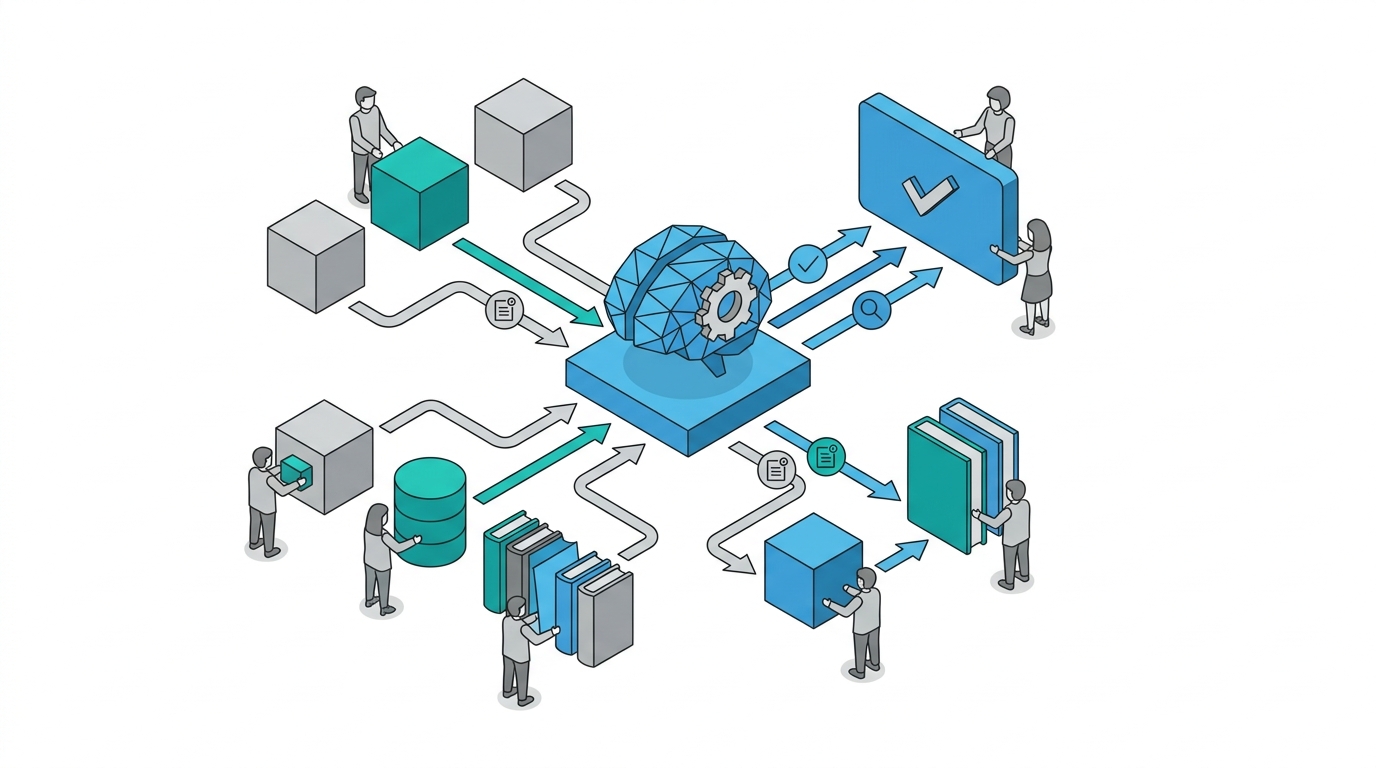
What to do this week
If your team is still treating AI visibility like a content production problem, change that this week.
Run an authority audit. Review your core service, about, and FAQ pages. Map where competitors are being cited. Pick one area where your brand needs stronger third-party proof and start building it on purpose.
The agencies that adapt fastest will not be the ones publishing the most. They will be the ones that understand a simple new rule: before AI can recommend you, it has to recognize you.