Google AI Search Now Rewards Chosen Sources
Google's latest AI Search updates reward preferred, cited, and original sources. Marketers need source selection strategy now, not just ranking strategy.

Google AI Search is becoming a source-selection system, not just an answer engine. That is the shift marketers should pay attention to right now.
Google’s late-May and early-June updates make the direction hard to miss. The company brought Preferred Sources into AI Overviews and AI Mode, added stronger labels around original reporting, and then introduced new Search Console AI visibility reports and a new site-owner control. If you still think the job is only to rank a page, you are reading the old map.
Google Is Upgrading The Source Layer
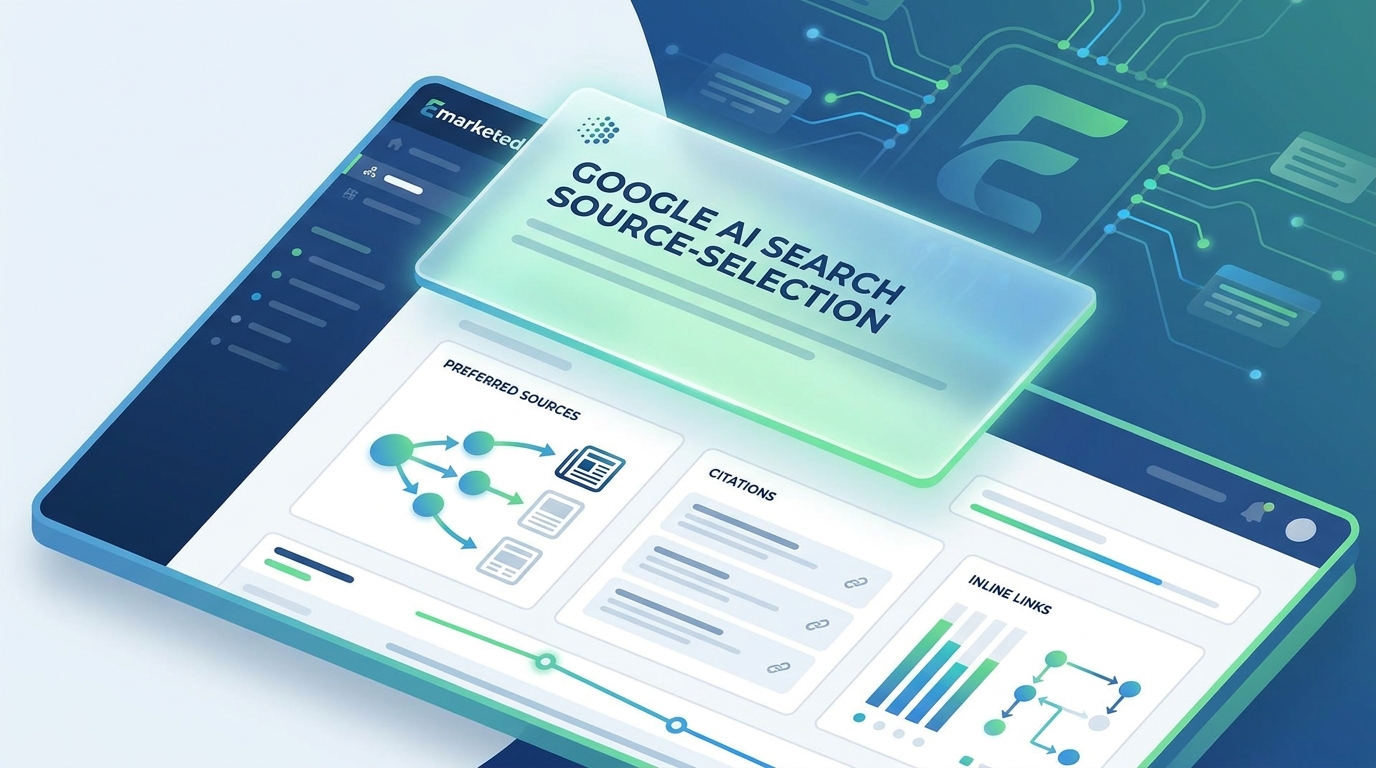
The June 3 update is unusually direct. Google said AI Overviews now have more than 2.5 billion monthly active users and AI Mode has passed one billion monthly users. It also said these experiences now include more inline links, website previews, and clearly marked Preferred Sources inside AI responses.
That matters because it changes what visibility looks like. A page is no longer just trying to win one search result slot. It is trying to become a source that the interface highlights, labels, and surfaces again when users want something they trust.
Google reinforced that point in its new Search Console generative AI reports, which separate AI feature visibility from the broader performance report. The reports show impressions, pages, countries, devices, and dates tied to generative AI features. That is useful, but it is also a signal: Google now sees AI visibility as distinct enough to measure on its own.
Ranking Still Matters, But It Is Not The Whole Job
This does not mean classic SEO stops mattering. In Google’s May 15 guidance on optimizing for generative AI in Search, the company kept pushing the same core ideas: unique content, strong page experience, clean structure, and good media. The difference is that those fundamentals now feed a more selective AI layer.
In practical terms, marketers should stop asking only, “Can this page rank?” and start asking, “Would a buyer want this source highlighted, cited, or revisited?”
That is a different standard. Thin category pages, padded blog posts, and interchangeable service copy can still exist on a site without becoming the material AI wants to elevate. Pages that win in this environment usually do three things better:
- They answer a specific question directly.
- They carry proof or perspective that feels original.
- They make the source itself look worth trusting.
That last part is where brand strategy starts mattering more. If users can favor certain publishers, spot highly cited coverage, and follow clearer source labels, then remembered brands have an advantage over generic ones.

What Smart Teams Should Change Now
First, identify the handful of pages you actually want AI systems to treat as preferred source material. For most brands, that means service pages, category explainers, proof pages, comparisons, and expert-answer content, not another pile of broad awareness posts.
Second, strengthen the signals around those pages. Clear authorship, tighter claims, better supporting detail, and stronger internal positioning all matter more when Google is making source choice more visible. This is the same logic behind our AEO services and why pages built around AI summary trust signals usually outperform vague copy.
Third, use the new AI reporting carefully. More impressions inside AI Search are helpful, but they are not the whole story. You still need to know which pages are being surfaced, whether the traffic is qualified, and whether the brand is being represented accurately inside the answer layer.

At Emarketed, we have seen how much stronger source signals compound over time. Hughes Auctions grew AI mentions by 165% and saw a strong surge in SERP Features as its AEO work gained traction. That is the useful lesson here: source visibility improves when the underlying material becomes easier to trust, cite, and surface.
Google is telling marketers that AI Search will keep adding more source choice, more controls, and more reporting. The teams that treat that as a real strategy shift now will be easier to find when buyers start choosing which sources deserve their attention.