Email Marketing Basics Local Businesses Get Wrong
Most local email programs still fail on segmentation, automation, list health, and follow-up. Fix these basics before your next campaign or promotion goes out.
Most local businesses do not have an email marketing problem. They have a basics problem.
The list is old. Every contact gets the same message. Promotions go out with no real sequence behind them. Then the owner looks at a decent open rate and assumes the channel is fine, even though sales barely move.
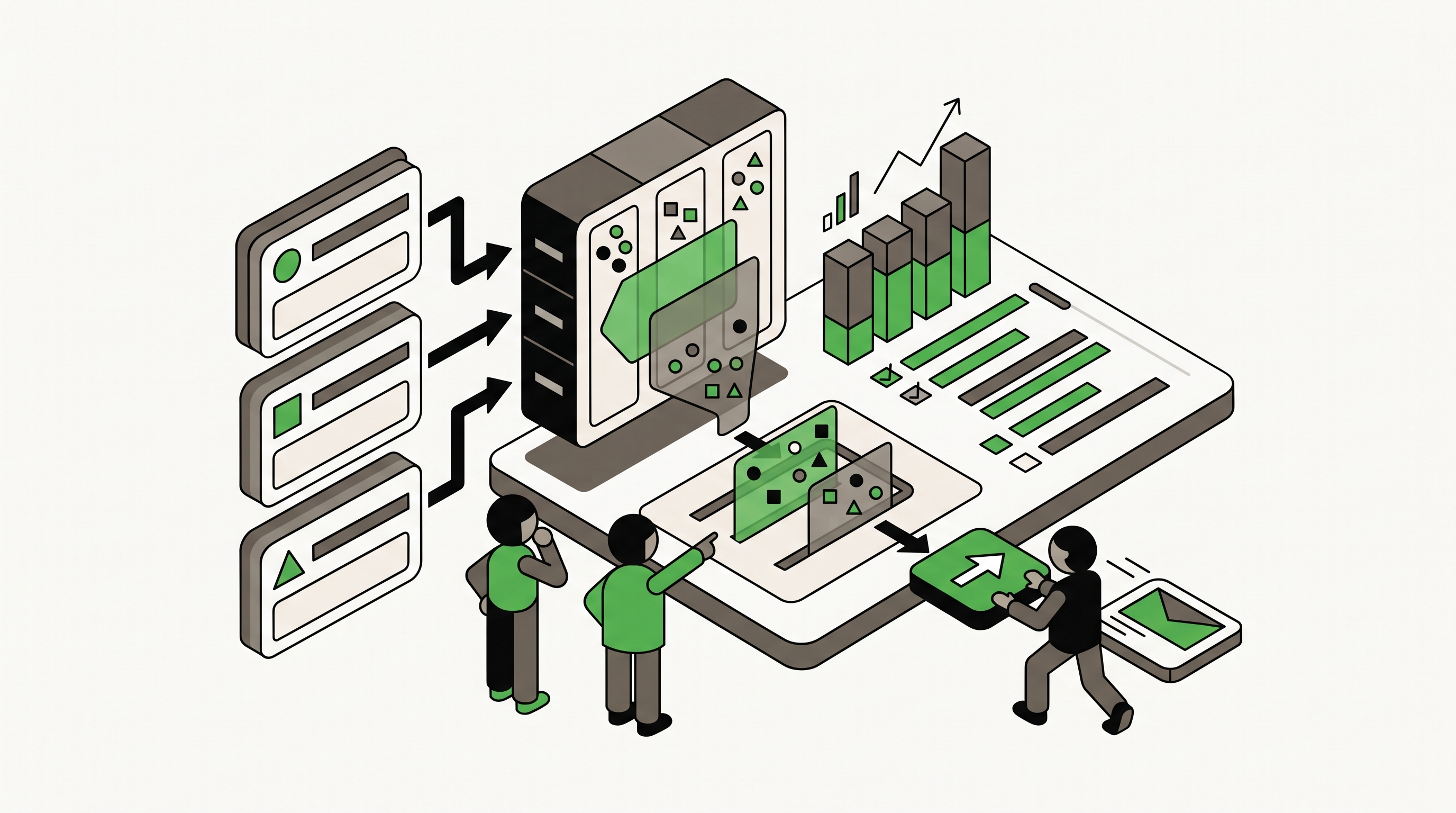
That is a costly mistake in 2026. Litmus says email teams are moving away from unreliable open-rate thinking and toward automation, segmentation, and privacy-safe measurement because those are the levers that still hold up when inbox rules change. Klaviyo’s 2026 benchmark data makes the same point from another angle: flows generate nearly 41% of email revenue from just 5.3% of sends, and flow click rates run more than three times higher than standard campaigns. If your local business still treats email like an occasional blast, you are leaving easy revenue on the table.
Stop Judging The Program By Opens Alone
Open rate is still useful as a rough signal, but it is not a trustworthy scoreboard anymore.
Mailchimp’s benchmark guide says the average open rate across its data sits around 34.23%, but it also warns that Apple’s Mail Privacy Protection affects open-rate accuracy. Litmus goes further and says marketers are actively shifting away from open rates as a primary measure because privacy changes inflated the metric and made it less dependable.
For a local business, that means a “good” open rate can hide a weak program. If the email gets opened but nobody clicks, books, replies, or buys, the campaign did not do much.
Track these instead:
- click rate on the main call to action
- booked calls, appointments, or quote requests from email
- revenue tied to campaigns and automations
- unsubscribes and spam complaints after each send
If the reporting stops at opens, you are grading the headline and ignoring the outcome.
Generic Lists Get Generic Results
One of the most common local-business mistakes is sending the same message to customers, prospects, old leads, recent buyers, and people who have not engaged in a year.
That is not a strategy. That is a volume habit.
Litmus reports that more than 90% of marketers in its State of Email survey say segmentation improves performance. Mailchimp also treats segmentation as a core driver of stronger engagement. The logic is simple: relevant emails get more attention because they match what the recipient actually cares about.
For a local business, segmentation does not need to be complicated. Start with small groups:
- new leads who have not bought yet
- active customers
- past customers who have gone quiet
- contacts interested in one service line but not another
- referral partners or professional contacts
That alone improves relevance fast. A roofer should not send the same message to a past repair customer and a commercial property manager. A clinic should not send the same sequence to a new inquiry and a long-term patient. Better segments usually mean better timing, cleaner offers, and fewer wasted sends.
One-Off Blasts Are Not A Real Email System
Many local businesses send newsletters or promotions when they remember to. Then they wonder why email feels inconsistent.
The deeper problem is that they built campaigns, not a system.
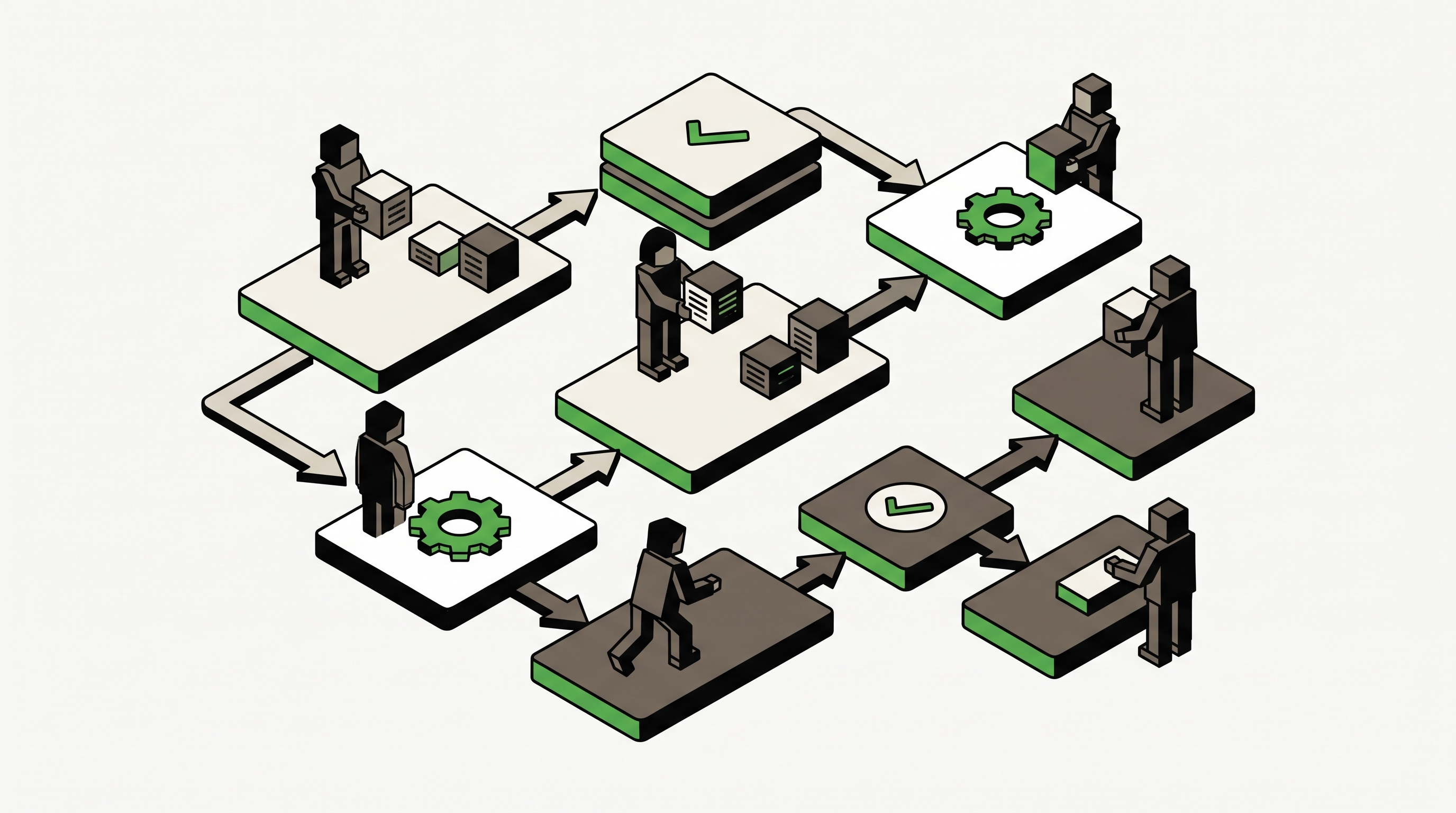
Klaviyo’s 2026 benchmark page shows why automations matter so much: while campaigns account for most send volume, flows produce a huge share of revenue and materially stronger click performance. That is because automated emails arrive when intent is real. Welcome emails, inquiry follow-ups, estimate reminders, abandoned-cart nudges, and reactivation sequences are all tied to an actual behavior instead of the team’s publishing calendar.
That matters for email marketing services because the highest-return email work is usually structural, not cosmetic.
If your business only sends:
- monthly updates
- holiday offers
- occasional reminders
you are probably missing the sequences that do the heavier lifting.
The first automations most local businesses should build are:
- a welcome or inquiry sequence
- a follow-up sequence after a quote, consult, or form fill
- a reactivation sequence for contacts who have gone quiet
Those three flows usually outperform a pile of random broadcasts.
Stale Lists Hurt More Than Teams Admit
A stale list does not just lower engagement. It can damage deliverability and make the whole program less trustworthy.
Validity’s 2026 deliverability benchmark report says inbox placement still depends on whether messages actually reach the inbox, not just whether they were technically sent. It also notes that privacy rules, AI, and mailbox-provider changes keep raising the bar for senders. In other words, poor list hygiene gets more expensive over time.
This is where local businesses get lazy. They keep old contacts forever, rarely remove cold subscribers, and continue sending to people who have shown no intent for months.
That creates three problems:
- engagement weakens
- deliverability risk rises
- reporting gets noisier
If a big slice of your list has not opened, clicked, replied, or bought in a long time, stop treating it like an asset. Clean it. Run a re-engagement campaign. Suppress dead weight. Protect the inbox placement of the people who still want to hear from you.
Local businesses that care about lead generation should take this seriously because a dirty list quietly reduces the value of every future send.
Follow-Up Speed Still Decides Whether Email Pays Off
The final mistake is operational, not technical.
The email works. The lead clicks. The form comes in. Then nobody follows up fast enough, or the next step is vague, or the message sends traffic into a dead end.
This is where owners misread the channel. They blame copy, design, or send frequency when the real issue is that the follow-up path is weak. Email does not create revenue by itself. It moves someone to the next step. The business still has to handle that step well.
For local teams, that means every email should answer one question clearly:
What exactly should the reader do next?
If the answer is “book,” make booking obvious. If the answer is “reply,” ask a direct question. If the answer is “request a quote,” route them to a page that makes the request easy and specific.
What To Fix Before Your Next Send
If your email program feels underwhelming, start here:
- Stop using open rate as the main success metric.
- Segment the list by status, service interest, or lifecycle stage.
- Build at least three basic automations around welcome, follow-up, and reactivation.
- Clean inactive subscribers before they drag down deliverability.
- Tighten the next step so every email supports a real business action.
That is the reset most local businesses actually need. Not more volume, not prettier templates, and not another discount blast to everyone in the database.
Email still works. The basics just matter more now because inboxes are crowded, metrics are messier, and generic sending gets exposed faster. Fix the structure, and the channel gets easier to trust again.