Direct Checkout Is The New Ecommerce Leak
Direct checkout on AI and social platforms can lift purchases, but ecommerce brands need cleaner product data, policies, tracking, and checkout rules.
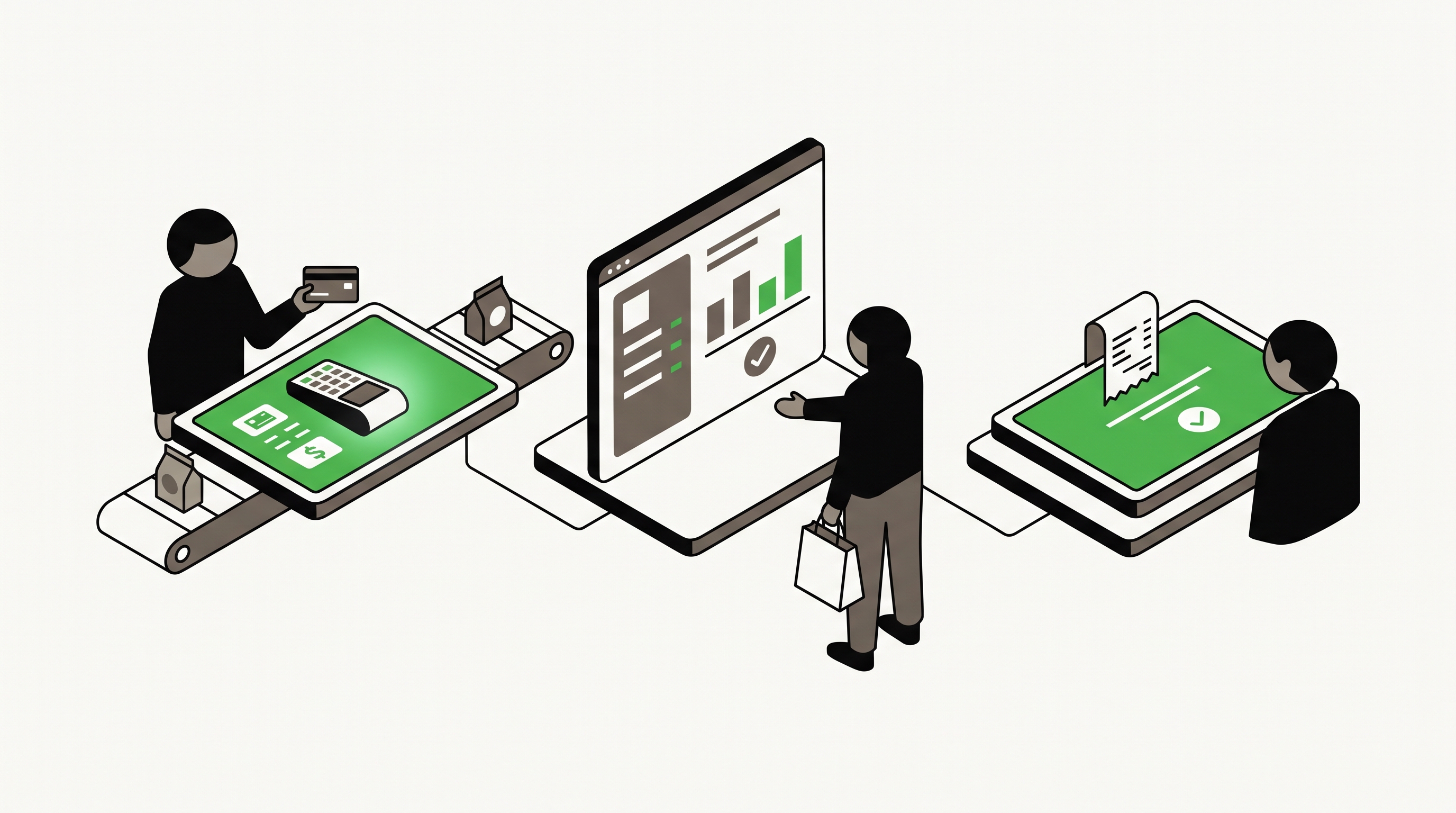
Direct checkout is moving from the store into the places where shoppers already browse, search, and compare. That can shorten the purchase path. It can also strip away the custom proof, tracking, upsells, and policy context many ecommerce brands rely on to protect margin.
TikTok announced new agentic commerce features at Advertising Week New York, including Buy Direct and Shopping Assistant. Buy Direct is designed to let users purchase from a brand without leaving TikTok, while Shopping Assistant answers questions about product details, shipping, sizing, availability, and purchase decisions inside the conversation.
Google and Shopify are pushing in the same direction. Shopify’s help documentation for selling on Google AI Mode and Gemini says direct checkout is active by default for eligible stores, with product discovery powered by Google Merchant Center.
The useful question for ecommerce teams is not whether direct checkout is good or bad. It is whether your store is ready for a sale path you do not fully control.
The Storefront Is No Longer The Only Checkout Surface
For years, ecommerce teams improved conversion by tuning the website: product pages, cart, checkout, reviews, shipping promises, bundles, loyalty prompts, and post-purchase flows.
That work still matters, but the buyer may not see all of it.
Google’s Shopify documentation says some checkout customizations may not appear in Google AI Mode and Gemini direct checkout. Unsupported or limited items can include custom fields, upsells, loyalty or rewards experiences, informational trust blocks, reviews, terms text, chat, and client-side pixels. Google Analytics and custom pixels also do not fire in that checkout flow.
That is a big operating change. A brand that depends on a checkout app to collect personalization details, surface compliance language, push a bundle, trigger a loyalty offer, or capture a custom tracking event cannot assume that same experience carries into every off-site checkout.
Direct checkout may reduce friction for simple purchases. It may create new leaks for stores with complicated products, regulated claims, custom options, subscription logic, or margin-sensitive bundles.
Product Data Now Carries More Of The Sale
When checkout moves closer to the platform, the product feed has to do more selling.
Google says products for AI Mode and Gemini must be available through Google Merchant Center, and Shopify tells merchants to keep product data, shipping information, return policies, and refund policies current so Merchant Center matches the online store. Google’s broader commerce update also says its Universal Commerce Protocol is bringing checkout features across Search, Gemini, ads, YouTube shopping surfaces, hotels, and local food delivery, with Merchant Center adding AI performance insights and conversational product attributes.
That makes feed hygiene a conversion issue, not just a listing issue.
If the platform shows the wrong variant, stale price, weak description, missing disclosure, outdated return policy, or unclear shipping promise, the buyer may decide before reaching your site. For Shopify and DTC brands, Shopify development now has to include the commerce surfaces around the store, not only the storefront itself.
This also connects to the review and feed work we covered in Product Reviews Just Became Feed Work. Product data, reviews, policies, and availability are becoming one trust layer. If that layer is messy, direct checkout makes the mess more visible.
The Timing Makes This More Urgent
Holiday buying behavior is already shifting earlier and faster.
Digital Commerce 360 reported that U.S. shoppers spent $9.86 billion online during Amazon’s October 6-7 Prime Big Deal Days, up 8.5% year over year. Mobile accounted for 52% of online sales during the event, about $5.1 billion, and buy now, pay later covered 6% of orders.
Adobe’s summer Prime Day data showed the same direction at a larger scale. During the June event, U.S. retailers drove $26.4 billion in online spend, mobile represented 54.2% of online sales, and AI-referred shoppers converted 40% better than non-AI channels.
Put those signals together and the pattern is clear: shoppers are buying earlier, buying on mobile, using AI for research, and becoming more comfortable with compressed purchase paths. Brands that wait until November to fix product data, checkout rules, and tracking will be late.
What To Check Before You Turn It On
Start with your highest-margin and highest-volume products. Do not audit the whole catalog first.
Check whether each priority product has accurate titles, variants, pricing, inventory, product identifiers, shipping settings, return policy details, review coverage, and required disclosures. Then test which checkout features are essential to completing the order correctly.
If a product requires customization, subscription selection, local pickup, bundle logic, consent language, or a custom checkout field, confirm whether that flow is supported before letting the platform own the final step. If it is not supported, redirecting shoppers back to the store may be the smarter choice.
Measurement needs the same review. If custom pixels do not fire, the reporting plan has to account for server-side events, platform reporting gaps, and order-level reconciliation. Otherwise the channel may look weaker or cleaner than it really is.
At Emarketed, we have seen ecommerce growth compound when traffic quality and store experience improve together. Sector 9 Skateboards grew sales by 165% and conversion rate by 42%, while Nutcase Helmets grew sales by 306% and sales attributed to marketing by 774%. The lesson applies here: the checkout path only works when the offer, data, proof, and measurement agree.
Direct checkout is not a shortcut around ecommerce fundamentals. It is a stress test for them.
The Monday move is simple: pick five products most likely to sell through social, AI, or feed-driven discovery. Audit what a buyer can see, what the platform can understand, what the checkout can support, and what your team can measure after the order. Fix those leaks before the next traffic spike.