Organic Social Links Are Now A Budget Line
Meta One turns organic Instagram and Facebook links into a paid planning decision. Here is how businesses should rethink social traffic and attribution.
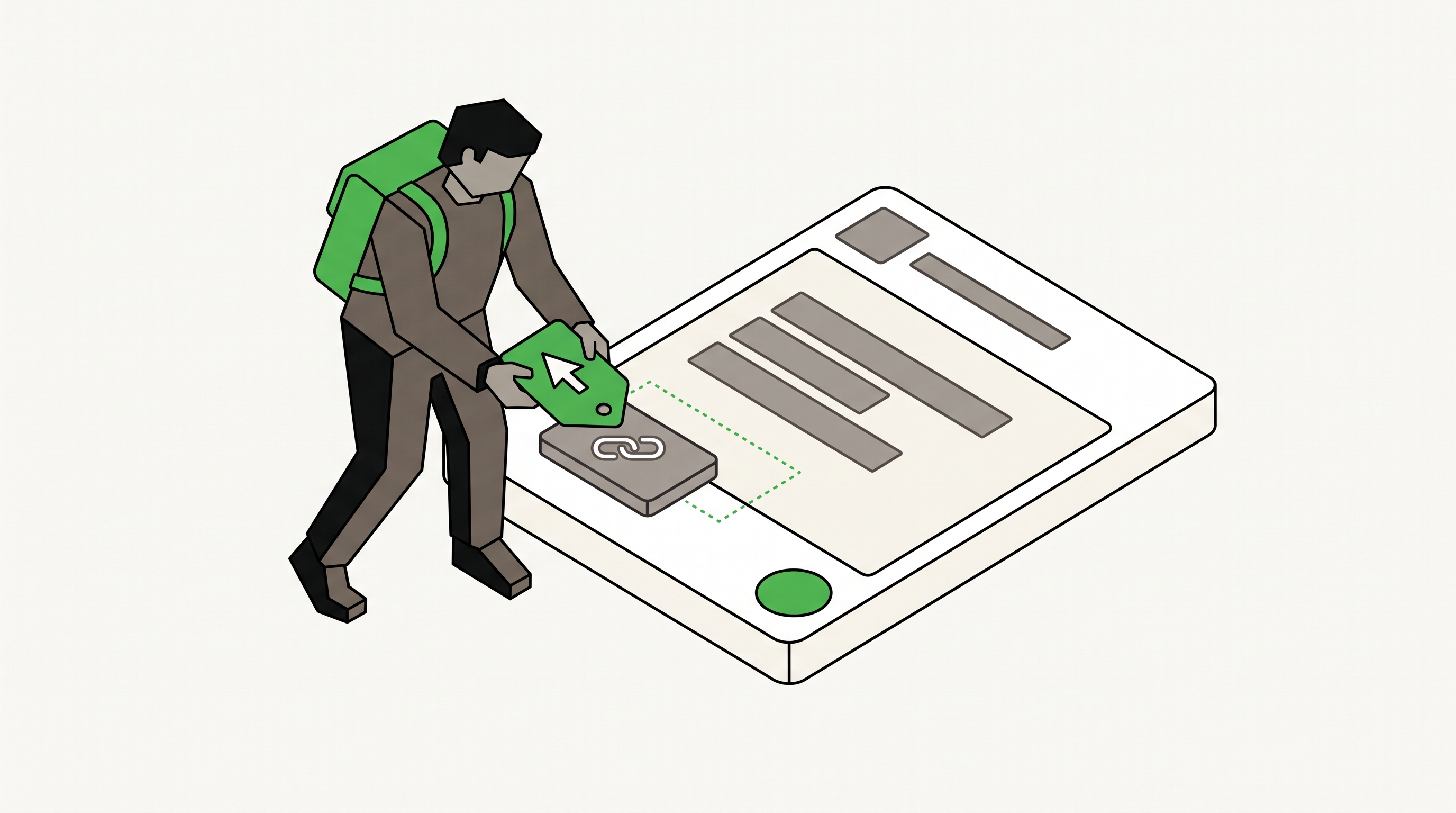
Organic social used to have a simple promise: publish useful content, earn attention, send some of that attention back to your site.
That promise is getting more expensive.
Meta announced Meta One on September 15, bundling paid features across Instagram, Facebook, WhatsApp, and Meta AI. For businesses, one detail matters more than the feature list: advanced publishing features can include links in organic posts and Reels, exportable analytics, deeper audience insights, and better scheduling tools.
That does not mean every business should pay for another subscription. It does mean social media traffic can no longer be treated like a free side benefit of posting. If links, reach, analytics, and support are increasingly packaged behind paid tiers, the social plan has to decide what organic is supposed to do.
Organic Reach Is Not The Same As Owned Traffic
A follower is not the same as an email subscriber, a website visitor, or a lead in your CRM.
That distinction matters because social platforms control the path between attention and action. If a business depends on organic posts to drive registrations, appointment requests, product pages, newsletter signups, or event traffic, link access is not a cosmetic feature. It is part of the funnel.
The mistake is assuming every post needs to send people somewhere. Most do not. Strong social media management still earns trust inside the feed through useful answers, proof of work, staff visibility, customer education, and short-form authority. A roofing supplier, rehab center, auction house, law firm, or B2B manufacturer can build credibility without turning every caption into a traffic grab.
But some posts are different. A product drop, open house, webinar, seasonal offer, case study, hiring push, or high-intent service explanation needs a cleaner next step. If the platform makes that next step paid, the business has to decide which moments deserve it.
The Link Should Earn Its Place
The practical response is not to add links everywhere. It is to build a link budget.
Separate social posts into three buckets:
- proof posts that build trust without a click
- conversation posts that invite comments, saves, replies, or shares
- action posts that should move people to a page, form, booking flow, or product
Only the third bucket needs a link strategy. If every post is treated like an action post, the channel becomes noisy. If no post gets a clear action path, social becomes brand activity with weak attribution.
Pick the campaigns that deserve direct traffic before the month starts. Tie each one to a page that is ready to convert. Use UTM parameters. Check whether the landing page matches the promise in the post. Then judge the result against qualified visits, form starts, calls, checkouts, or booked conversations, not only likes.
Our guide to social media marketing makes the same broader point: social works best when it supports a real business motion. The platform update only makes that discipline more visible.
Original Content Still Does The Heavy Lifting
Paid link access will not rescue weak social content.
Instagram has also been pushing harder toward original content. Social Media Today reported in April that Instagram updated its algorithm to give more priority to original creators while reducing the reach advantage of accounts that mostly repost. That fits the direction marketers have been seeing all year: platforms want native, specific, human content, not recycled assets with a sales link pasted underneath.
For businesses, that should change the weekly content meeting.
Instead of asking, “What can we post with a link?” ask, “What can we show that makes someone more likely to trust us when the link appears?”
That could be a technician explaining a repair, an admissions director answering an insurance question, a warehouse team showing product availability, or a founder walking through a customer objection. The link matters more when the feed has already done the credibility work.
This is especially important for businesses that are not naturally visual or viral. As we wrote in our piece on social media for businesses that are not pretty or viral, the job is not to imitate creator culture. The job is to prove competence often enough that buyers recognize the business before they need it.
What To Do Before Paying For More Access
Before adding another paid social feature, audit the last 30 days of posts.
Count how many posts had a clear business purpose, a strong next step, and a page that actually matched the post. Then look at the posts that earned saves, shares, comments, profile visits, calls, DMs, or website clicks.
If the best posts were proof-driven, build more proof. If action posts got clicks but no conversions, fix the landing page. If link posts were ignored, the issue may be weak creative, weak timing, or an offer nobody wanted.
The Monday move is simple: choose the two to four organic social moments this month where a direct link would genuinely help the buyer. Build the page, tracking, creative, and follow-up around those moments.
Organic social is still useful. It is just less free than many businesses assumed. Treat link access like a budget decision, and your social strategy will get sharper fast.