Email Marketing for Healthcare: Compliance-Safe Campaigns That Get Opened
Healthcare email marketing can stay compliant and still convert. Build campaigns patients open and act on without crossing legal lines.
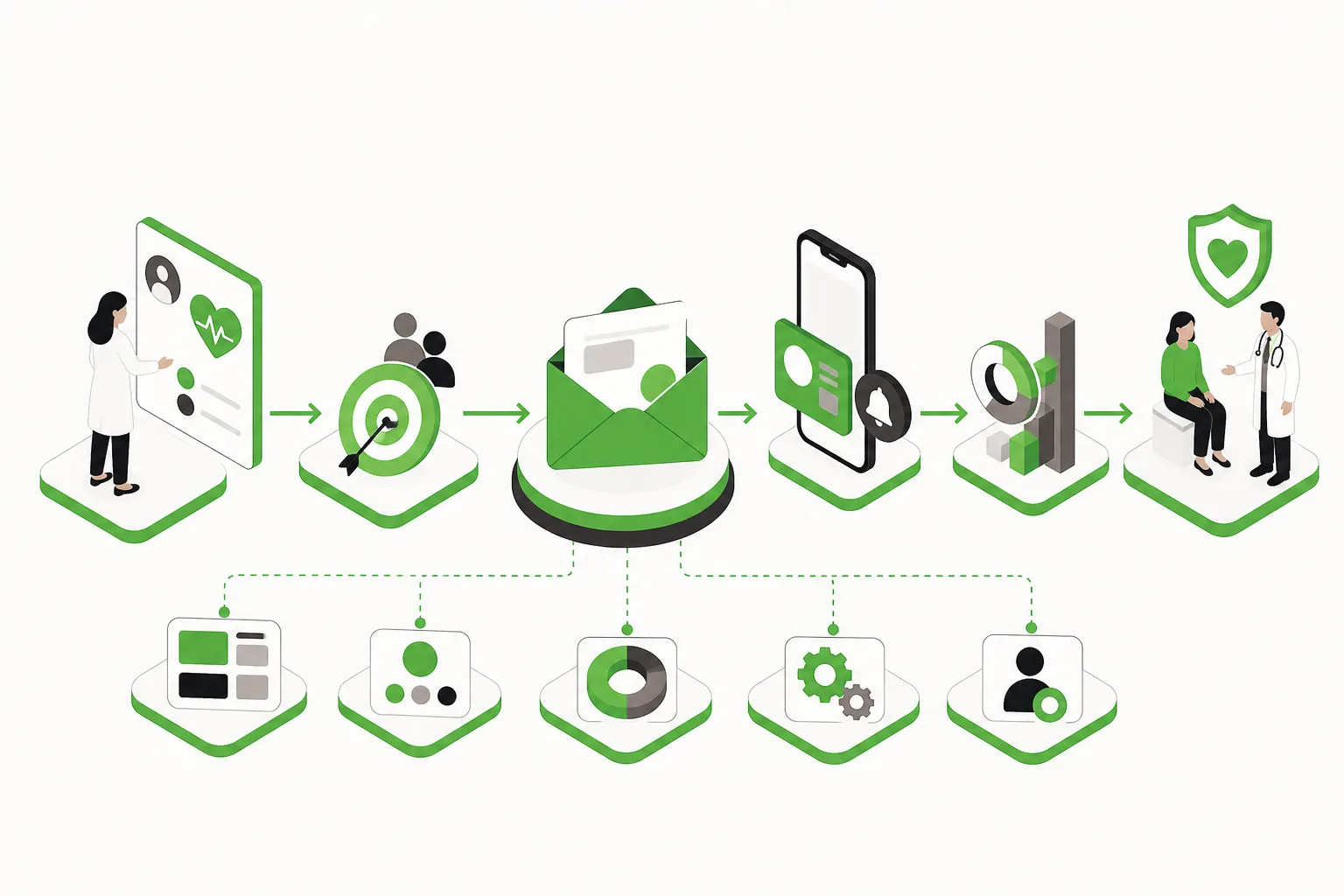
Monday morning, your team is staring at two drafts. One is a flu shot reminder for active patients. The other promotes a new diabetes program to a segmented list pulled from the EHR. Both look useful. Only one is likely to move forward without a compliance headache.
That is the real challenge with email marketing for healthcare. The issue is rarely whether email works. It does. The issue is whether your campaigns can drive appointments, keep patients engaged, and support service-line growth without crossing lines around PHI, consent, or claims that create avoidable risk.
Healthcare organizations that do this well treat email as an operational channel, not just a promotional one. They build clear rules for what can be sent broadly, what needs review, how lists are segmented, and how automation is configured. If you are managing campaigns for a hospital, clinic, or multi-location practice, that structure matters more than clever copy.
This article breaks down what is generally safe to send, what needs extra care, and how to improve open rates without getting reckless.
Why Healthcare Email Needs A Different Playbook

Retail email tactics do not transfer cleanly into healthcare. A subject line that feels punchy for ecommerce can feel invasive when the topic is a diagnosis, treatment path, or sensitive specialty.
Healthcare marketers also work inside a tighter risk envelope. HIPAA does not ban email marketing outright, but it does raise the stakes around how patient data is used, how messages are triggered, and what details are exposed. Add state privacy rules, internal legal review, platform limitations, and patient trust, and the margin for error gets small fast.
That is why healthcare marketing automation should start with governance. Before building journeys, set rules for data use, approvals, suppression, and escalation. Automation makes good systems efficient. It also makes weak systems fail at scale.
What Is Usually Safe To Send
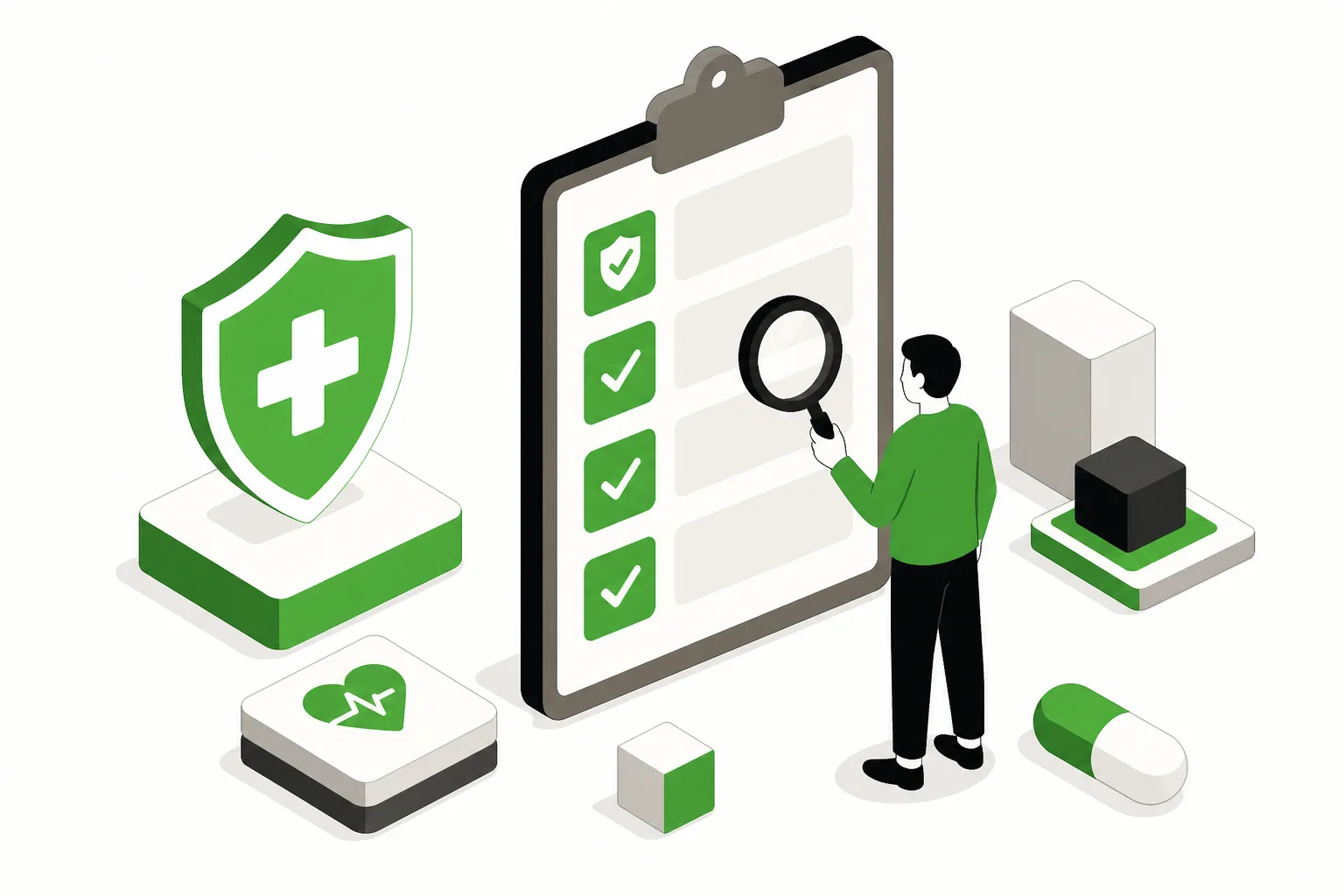
Not every healthcare email is high risk. Many of the most effective campaigns are also the least controversial because they focus on access, education, and general service awareness.
General Practice Updates
Broad announcements are usually the safest place to start. Think new provider introductions, expanded hours, a new location, updated insurance acceptance, or telehealth availability. These messages inform patients without implying anything about an individual’s health status.
Preventive And Seasonal Reminders
Preventive care campaigns can work well when phrased generally. Flu shots, annual physicals, back-to-school checkups, women’s wellness visits, and open enrollment reminders are common examples. The key is to avoid language that reveals or strongly implies a specific condition tied to the recipient.
Educational Content
Articles, videos, FAQs, and care tips are useful when they stay informational. A hospital can send content about healthy sleep habits, heart-healthy nutrition, or sports injury prevention to a broad audience with relatively low risk. Educational content also gives you a reason to email consistently without sounding promotional every time.
Operational Messages With Marketing Value
Appointment reminders, follow-up instructions, and portal prompts often sit closer to operations than marketing, but they still shape retention and patient experience. Work closely with compliance and legal teams to define what belongs in transactional messaging versus promotional messaging, because the rules and consent standards may differ.
What Needs Extra Care Before You Hit Send
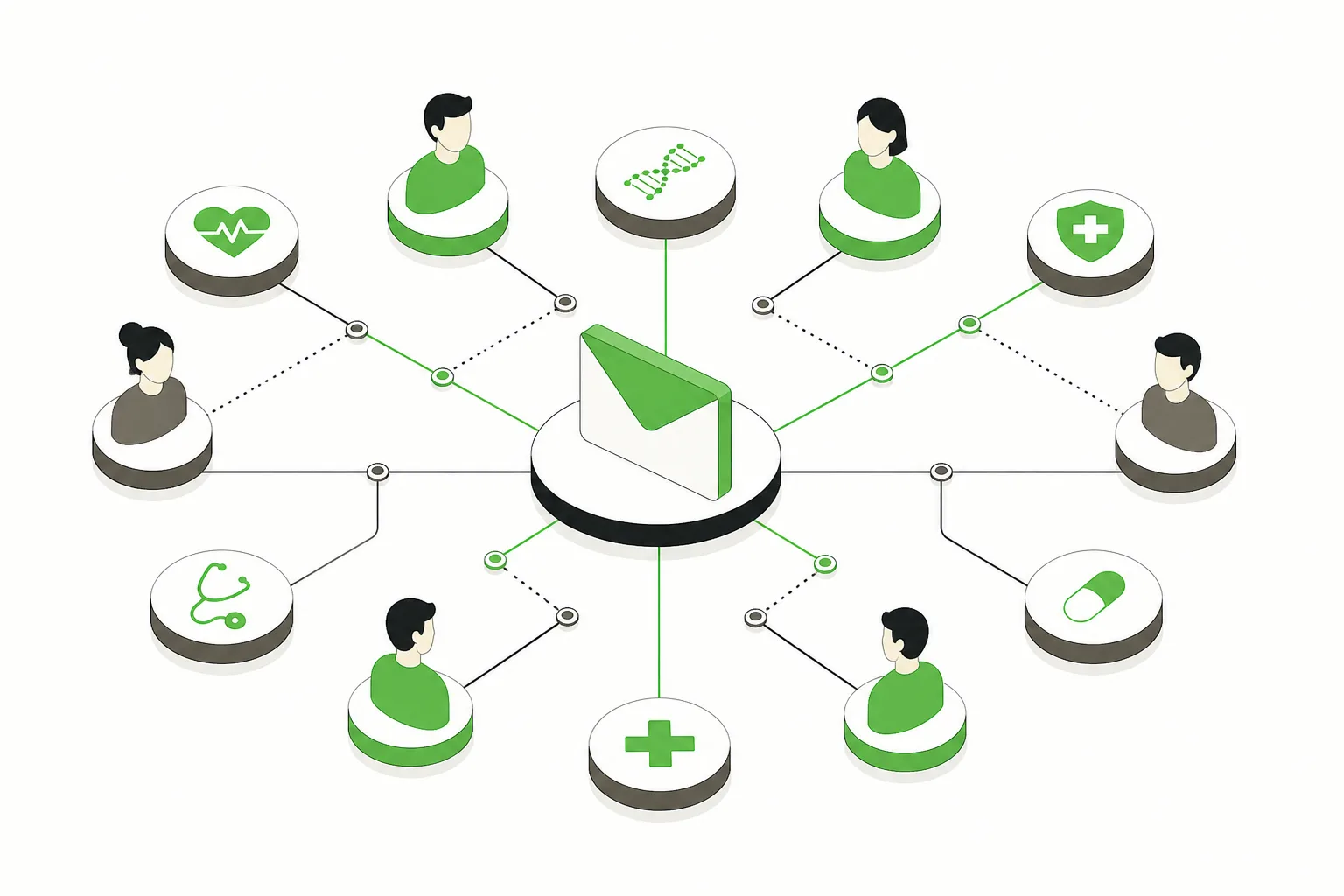
This is where teams get into trouble. The risky emails are often built with good intentions, but they use data or language in ways that expose sensitive information.
Condition-Specific Outreach
A message that says, “Since you were treated for migraine symptoms, here is our neurology program,” is a problem. Even if the information is accurate, the email can reveal protected health information if someone else sees it, or if the segmentation itself is based on diagnosis data used for marketing in a way your policies do not allow.
Safer alternative: promote neurology services broadly to a general audience, or route condition-specific outreach through approved care management workflows with proper controls.
Testimonials And Patient Stories
Patient testimonials can be powerful, but healthcare is not the place to treat them casually. If a testimonial identifies a patient or includes treatment details, you need explicit authorization and a documented process. Even when permission exists, review how the story is framed. Do not overstate results or imply guaranteed outcomes.
The Federal Trade Commission has increased scrutiny around deceptive endorsements and health-related advertising claims, which makes disciplined review even more important. See the FTC’s advertising guidance at https://www.ftc.gov/business-guidance/advertising-marketing.
PHI In Any Form
Most teams know not to put a diagnosis in the subject line. Fewer are as careful in the body copy, preview text, dynamic fields, or linked landing pages. PHI risk does not disappear because the email platform is reputable.
Names paired with treatment details, provider names paired with specialty visits, test references, medication mentions, and personalized condition reminders can all create exposure. The U.S. Department of Health and Human Services provides the baseline HIPAA guidance here: Index.
Claims About Outcomes
Healthcare marketers love proof points. Regulators love context. If you say a treatment is the best, safest, fastest, or most effective, you need substantiation and careful review. Even softer claims such as “life-changing results” can create problems if they imply outcomes that are not typical or supported.
Consent And Opt-Out Hygiene Are Not Administrative Details
Too many teams treat consent management as a backend task. It is a front-end performance issue and a compliance issue at the same time.
Start with clear documentation of how each contact entered the database, what they consented to receive, and whether that consent covers marketing communications. If your organization mixes patient communications, newsletters, event invites, and promotional content in one system, your rules need to be explicit.
Opt-out mechanisms should be easy to find and easy to process. Hiding unsubscribe links may preserve a few names temporarily, but it damages trust and can increase spam complaints. That hurts deliverability, which means even compliant messages stop reaching inboxes.
The CAN-SPAM Act still applies to commercial email, including requirements around identification and opt-out handling. The FTC’s summary is here: https://www.ftc.gov/business-guidance/resources/can-spam-act-compliance-guide-business.
One practical rule: suppress faster than you think you need to. If a patient opts out, do not leave room for lag between systems. Sync suppression lists across platforms, agencies, CRM tools, and service-line teams.
Segment By Service Line, But Do It Carefully
Segmentation is where healthcare email becomes more relevant and more dangerous. The goal is not to avoid segmentation. The goal is to segment in ways that improve usefulness without exposing sensitive status.
Use Relationship-Based Segments First
Safer segments often include geography, preferred location, language, age band when appropriate, appointment recency, referring provider relationships, or known interest captured through compliant forms. These segments support relevance without leaning too hard on diagnosis-level detail.
Build Content Around Service Lines, Not Personal Conditions
There is a meaningful difference between sending a general orthopedic service update to a regional audience and sending a joint pain campaign to people identified from clinical records. One is broad service marketing. The other may trigger privacy and authorization concerns depending on how the audience was built and how the content reads.
For multi-location practices, create a segmentation matrix by service line, region, audience source, and approval level. That gives marketers a repeatable framework instead of case-by-case guesswork.
If your team is mapping channels across search, content, and patient communications, a planning asset like the campaign brief template can help keep approvals, goals, and audience definitions aligned before production starts.
Subject Lines That Improve Opens Without Triggering Risk
Open rates matter, but healthcare subject lines should earn attention through clarity, not shock value.
What Works Better
- Specific usefulness: “New Evening Appointments Available”
- Timeliness: “Schedule Your School Physical Before August”
- Convenience: “Three Ways To Book Your Next Visit”
- Location relevance: “Now Open In Pasadena”
- Preventive framing: “Time To Plan Your Annual Wellness Visit”
What To Avoid
- Anything that names or implies a diagnosis
- Fear-based language about urgent health consequences
- Overpromises about outcomes
- Curiosity bait that feels manipulative
- Sensational phrasing better suited to direct response retail
Apple’s Mail Privacy Protection has also made open-rate interpretation less reliable, because opens can be inflated by automated preloading. Marketers should still test subject lines, but they should weigh clicks, appointments, and downstream conversion events more heavily. Apple explains the feature here: Web.
Send-Time Practices That Lift Performance
There is no universal best send time for healthcare. The right answer depends on the audience and the message type.
Working adults may respond better early in the morning, at lunch, or early evening. Parents often engage at different times than retirees. Referral network emails behave differently from patient newsletters. The only useful rule is to test in structured cohorts.
Keep the variables tight. Test one send-time change at a time, with similar audience sizes and similar content types. Avoid reading too much into one campaign, especially around holidays, severe weather, or local events that can distort behavior.
Frequency matters too. Healthcare brands often under-email because they are afraid of complaints, then over-email when a service line needs volume. A steadier cadence usually performs better. Patients are more likely to engage with a sender they recognize than one that disappears for months and returns with a hard sell.
How To Set Up A Safer Review Process
Compliance-safe campaigns are usually the result of process, not luck.
Create Three Review Tiers
- Low-risk: practice news, location updates, general education, seasonal reminders
- Moderate-risk: service-line promotion, provider spotlights, event invites, segmented newsletters
- High-risk: condition-adjacent messaging, testimonials, outcome claims, retargeted patient audiences
Each tier should have a defined approver path. Low-risk content may only need marketing review. Moderate-risk content may need brand and legal review. High-risk content should trigger compliance review by default.
Use Pre-Approved Language Libraries
Templates help, but approved language blocks are even more useful. Build standard copy for appointment prompts, insurance reminders, preventive care messaging, and service descriptions. That reduces improvisation, which is where risky phrasing usually appears.
Audit Automation Quarterly
Journeys drift. New fields get mapped. Old segments keep running. Teams change vendors. Review automations every quarter to confirm triggers, suppression rules, dynamic content, and unsubscribe handling still work the way you think they do.
If email performance is tied to broader acquisition and retention goals, your reporting should connect opens and clicks to real business outcomes. A simple framework like the marketing KPI dashboard template can make that easier across service lines and locations.
Where Email Fits In A Broader Healthcare Growth Strategy
Email should not carry the entire patient acquisition burden. It works best as part of a coordinated system that includes search, paid media, local visibility, website conversion, and patient experience.
That matters because many healthcare organizations send decent emails to weak landing pages, or promote services patients cannot easily find on the site. If the post-click experience is messy, better subject lines will not save the campaign.
For teams trying to connect email with organic visibility and patient acquisition, it helps to align messaging with broader SEO strategy so service pages, educational content, and campaign offers reinforce each other instead of competing.
FAQ
Do Healthcare Emails Always Require Patient Authorization?
No, but the answer depends on the message type, the audience source, and how the data is used. General updates and broad educational messages are different from campaigns built from diagnosis or treatment information. Your legal and compliance teams should define those boundaries clearly.
Can We Segment By Specialty Without Creating HIPAA Risk?
Yes, if segmentation is designed carefully and the resulting message does not reveal sensitive status. Relationship-based and geography-based segmentation is usually easier to manage than diagnosis-driven targeting. The risk rises when the message itself implies the recipient has a specific condition.
Are Open Rates Still A Useful Metric For Healthcare Email?
Useful, yes. Sufficient, no. Privacy features can distort opens, so healthcare marketers should track clicks, appointment requests, form completions, and patient reactivation outcomes alongside opens.
Should Hospitals And Multi-Location Practices Use Marketing Automation?
Absolutely, but only with strong governance. Healthcare marketing automation can improve consistency, speed, and relevance, yet it also amplifies mistakes if triggers, suppressions, and review workflows are weak.
What Is The Safest Way To Promote A New Service Line?
Start broad. Use general audience messaging, educational content, and service-page traffic before moving into tighter segmentation. Keep the copy focused on access, expertise, and next steps, not assumptions about the recipient’s medical status.
What To Fix First If Your Team Is Unsure
If your healthcare email program feels messy, do not start by rewriting subject lines. Start with the operating model.
Document what data can be used for marketing, define low-, medium-, and high-risk campaign types, clean up consent and suppression workflows, and rebuild segmentation around service lines and audience source, not clinical shortcuts. Then improve the creative.
That is usually where the real gains come from. Better governance produces safer campaigns, cleaner lists, stronger deliverability, and more credible reporting. Once that foundation is in place, your team can send emails that patients actually open, and leadership can trust the program enough to scale it.
If you need a second set of eyes on campaign structure, service-line messaging, or the way email fits into your broader healthcare growth plan, explore Emarketed’s digital marketing services and build a program that performs without creating avoidable compliance risk.