Understanding the ROI of AI Search Optimizations
Discover how to measure the ROI of AI search optimizations effectively, focusing on assisted conversions, branded search lift, and pipeline influence for long buying cycles.
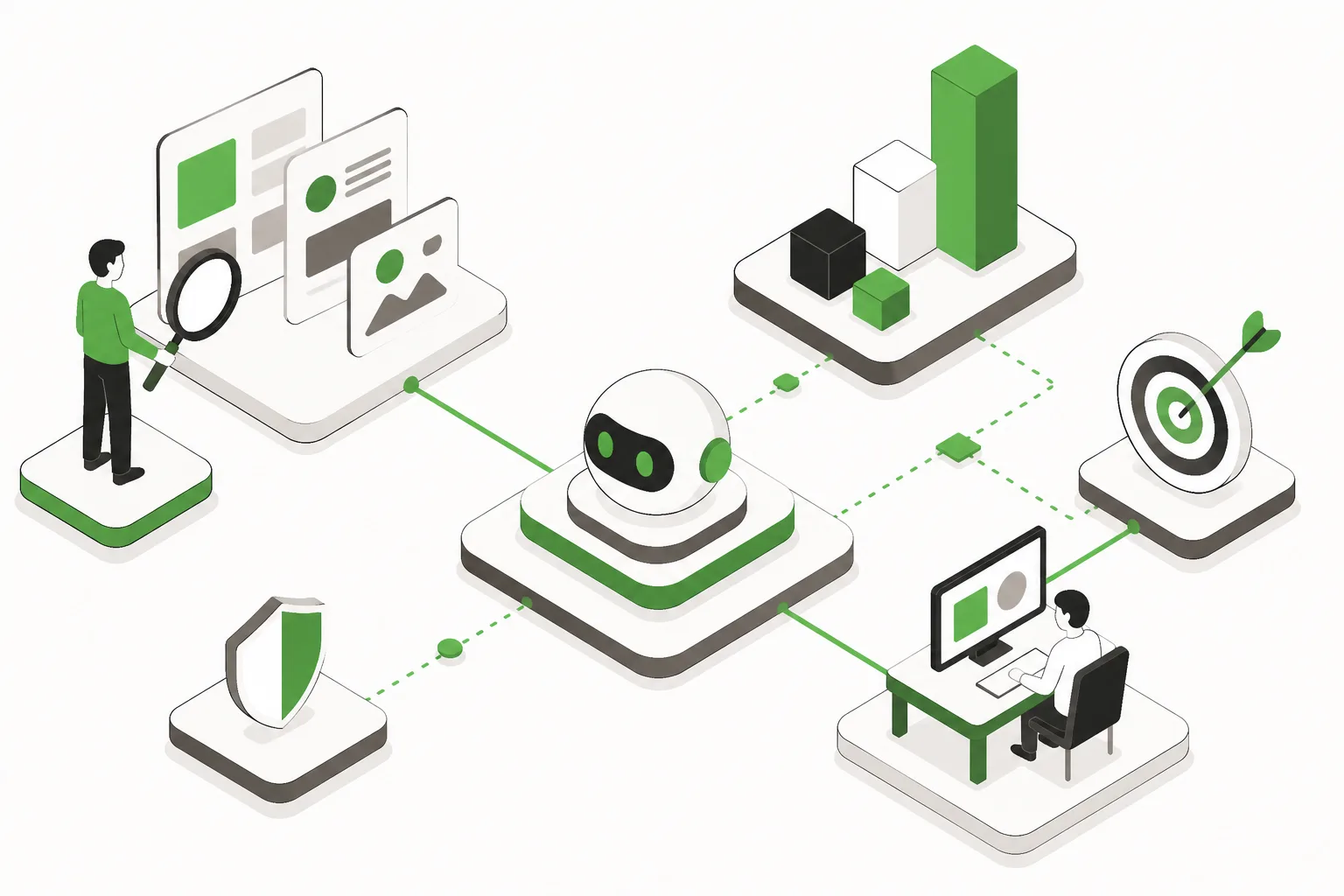
If you are investing in AI search optimization, the return rarely shows up as a clean last-click conversion. It shows up in assisted conversions, branded search lift, higher close rates from better-informed prospects, citation-driven referral traffic, and pipeline influence across multiple touches. That is the right frame for measuring ROI, especially for healthcare organizations and B2B companies with longer buying cycles.
The mistake is treating AI visibility like a vanity metric project or, just as bad, forcing it into the same measurement model you use for branded paid search. AI search sits upstream and mid-funnel more often than bottom-funnel. Prospects discover a provider, shortlist vendors, compare credibility signals, and then visit your site later through direct, organic, branded, or referral paths. If your reporting only credits the final click, you will understate the value.
This article focuses on how to think about return on investment from AI search optimization, what to count, what to ignore, and how to set realistic expectations before you spend budget.
What ROI From AI Search Optimization Actually Looks Like
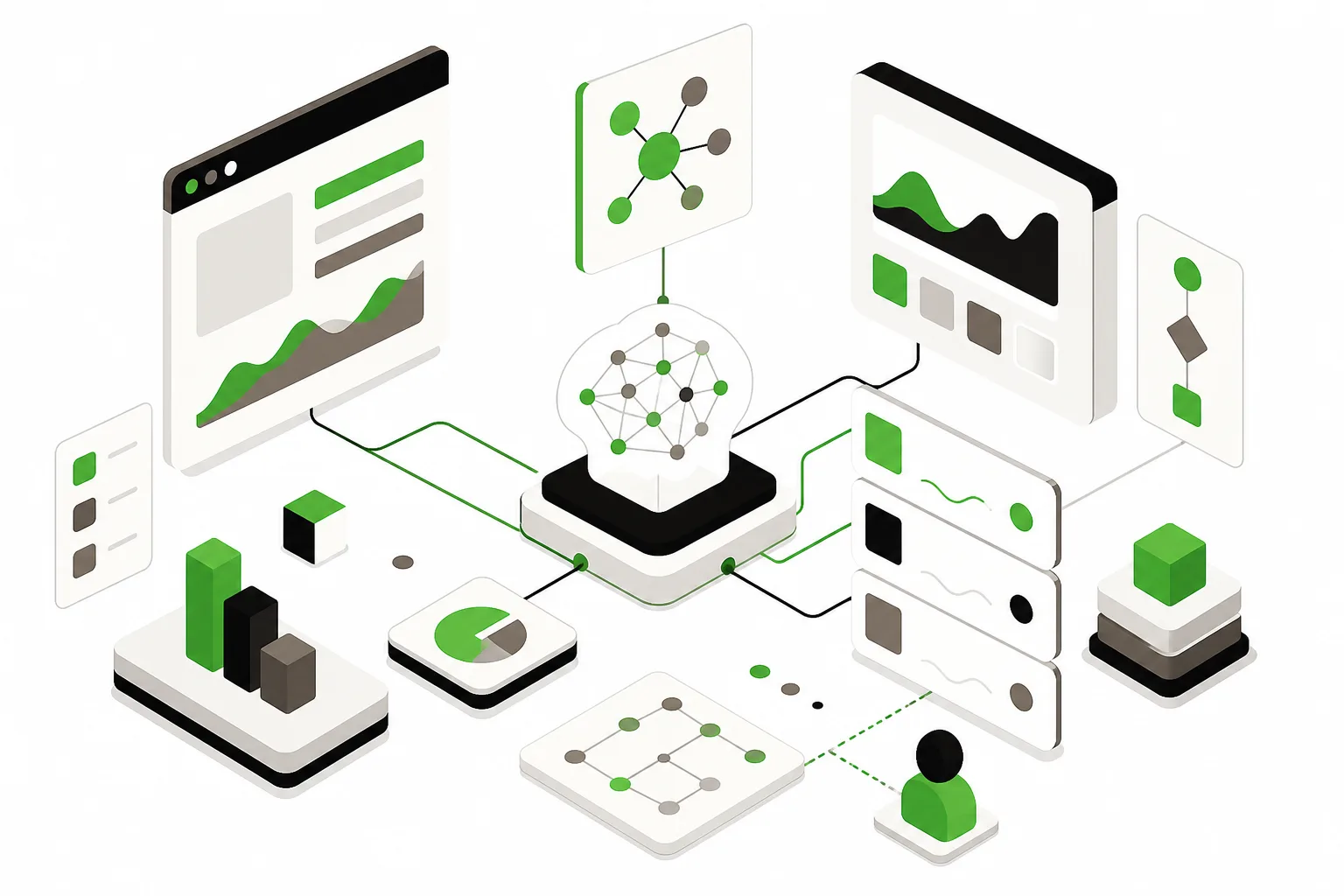
AI search optimization produces value when your brand is surfaced, cited, or recommended in AI-assisted search experiences that influence a buying decision. That may happen in Google AI Overviews, ChatGPT browsing results, Perplexity answers, Bing Copilot responses, or other answer engines. The commercial impact often arrives one or two steps later.
For a healthcare facility, that could mean a prospective patient or family member sees your facility cited in an AI-generated comparison, then searches your brand name two days later and converts through a phone call. For a B2B company, it might mean a buying committee member finds your category page through an answer engine citation, shares it internally, and a demo request happens weeks later through direct traffic.
That is why ROI here should be defined as incremental business impact attributable to AI-driven discovery and influence, not just sessions from a chatbot domain.
Direct Revenue Is Only One Layer
Some AI search wins are directly measurable. You may see referral sessions from AI interfaces, form fills from those sessions, or calls from landing pages tied to answer-engine-focused content. Those are the easiest wins to report.
Most organizations stop there.
The larger opportunity is to measure the indirect effects that compound over time. AI search can improve consideration, compress research time, strengthen trust, and increase the chance that your brand makes the shortlist. Those outcomes do not always produce a neat attribution path, but they still affect revenue.
What You Should Count In Your ROI Model
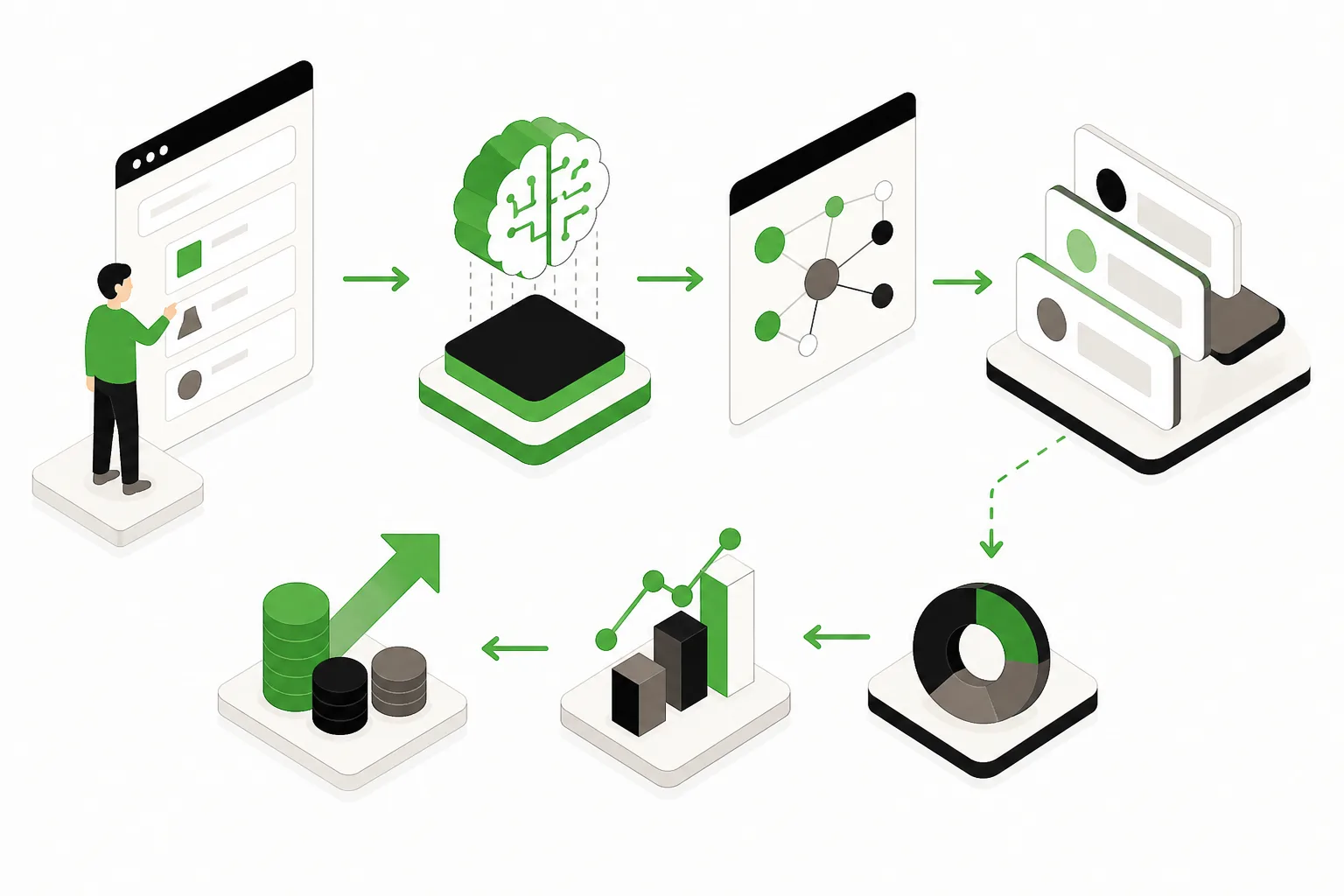
A useful AI search ROI model blends direct response metrics with influence metrics. You need both.
Assisted Conversions
Assisted conversions should be near the top of your dashboard. In GA4 and your CRM, look for journeys where AI-originated discovery contributed to a later conversion through another channel. This includes users who first arrived from an AI citation, then returned through organic search, email, or direct traffic before converting.
For healthcare marketers, assisted conversions matter because patient decisions often involve multiple visits, calls, and stakeholders. For B2B teams, they matter because buying cycles are longer and involve more internal validation.
If your analytics setup is mature, compare assisted conversion paths for pages intentionally optimized for AI citation against similar pages that are not. That gives you a better directional read than looking only at last-touch conversions.
Branded Search Lift
One of the clearest signs that AI visibility is working is a rise in branded search demand. When answer engines mention your organization, more people search your name later. In Google Search Console, that often appears as increased impressions and clicks for branded queries after AI-focused content and entity optimization efforts go live.
This matters because branded search is not just traffic. It is evidence that more people know you exist and are actively validating your credibility.
Track branded query growth by market, service line, and campaign period. Then compare it against baseline trends and non-branded demand. If branded search rises while your AI visibility also improves, that is a strong signal of influence, even if the final conversion came through another channel.
Citation-Driven Referral Traffic
Some platforms do pass referral data, and some users click through from cited sources in AI-generated answers. That traffic is worth isolating. Create channel groupings or source filters for known AI referral domains where possible, and tag landing pages built to attract answer-engine citations.
Do not expect enormous volume right away. Expect qualified volume.
A small number of high-intent visits from AI-assisted discovery can outperform a much larger pool of generic traffic. Measure bounce rate, engagement, return visits, and conversion rate for these sessions. In B2B and healthcare, quality usually matters more than raw session counts.
Pipeline Influence
This is the metric many teams miss. Pipeline influence asks a better question than “Did AI search generate a lead?” It asks, “Did AI search help create, accelerate, or strengthen an opportunity?”
For B2B companies, connect AI-influenced landing pages, content assets, and referral sources to CRM opportunity records. Look at demo requests, sales-qualified leads, opportunity creation, velocity, and close rate. For healthcare groups, map AI-influenced sessions to appointment requests, calls, insurance verification starts, or admissions inquiries, depending on the care model.
If a prospect interacted with content that is regularly cited by AI systems before entering the pipeline, that touch deserves weight in your model.
Conversion Rate On AI-Influenced Landing Pages
Another practical measurement is page-level conversion efficiency. When pages are structured clearly, answer a narrow question well, and show strong trust signals, they tend to perform better both for AI citation and for human conversion.
Track the conversion rate of pages built or revised for AI search optimization. If those pages begin to attract more qualified traffic and convert at a higher rate than older pages, the ROI case becomes easier to defend.
What Not To Count, Or At Least Not To Overvalue
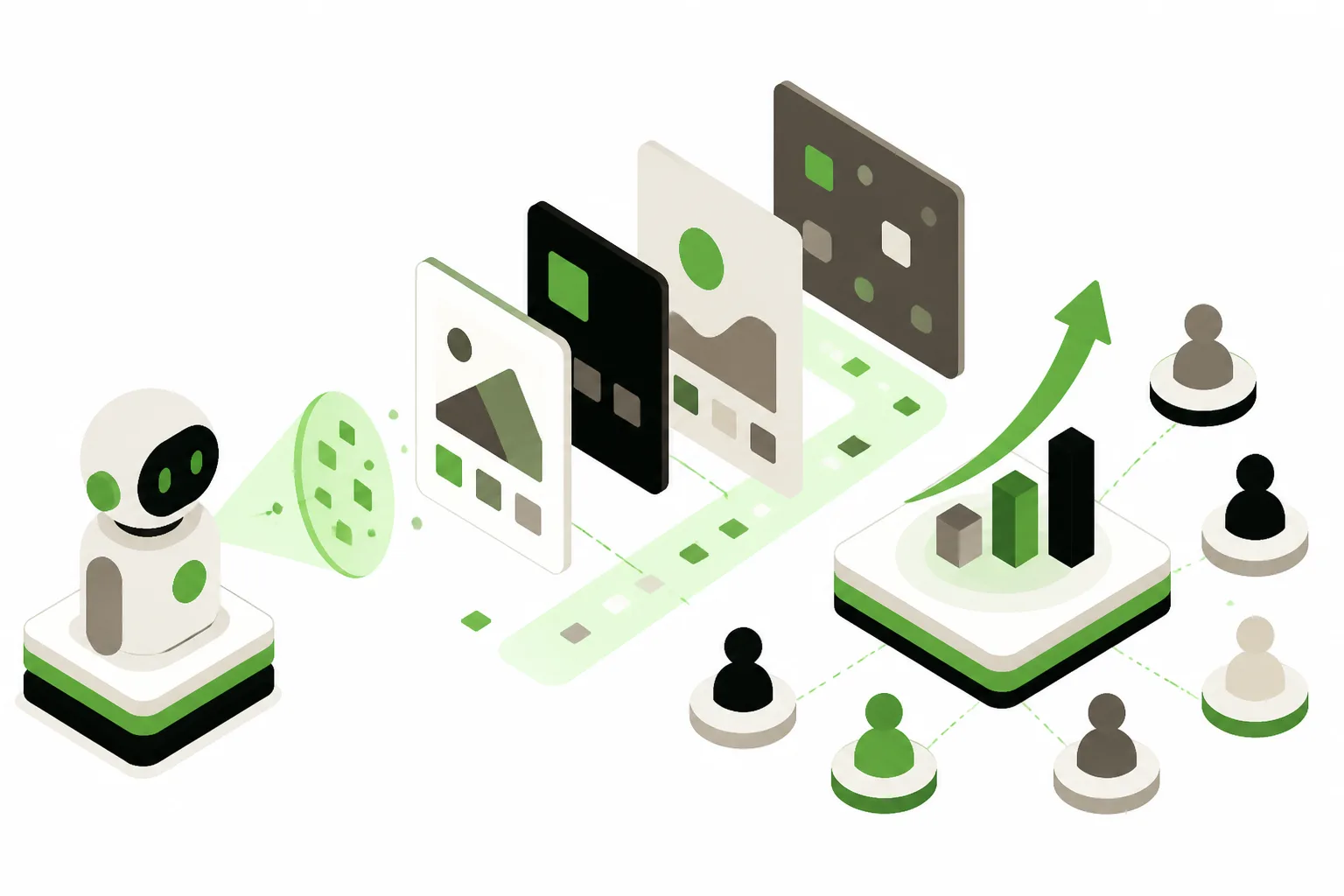
Not every visibility signal deserves a line item in your ROI model. Some are useful diagnostics, but weak business metrics.
Raw Chatbot Mentions
A mention by itself is not a return. If your brand appears in an answer but there is no evidence of traffic, demand lift, engagement, or pipeline movement, it is just a signal, not an outcome.
Raw chatbot mentions can help you benchmark discoverability, but they should never be the headline KPI in executive reporting.
Screenshots As Proof Of Performance
Teams love screenshots of a brand appearing in ChatGPT or Perplexity. They are fine for illustration. They are not measurement. Results vary by user history, prompt wording, location, and model updates. Screenshots should support a story, not replace one.
Impressions Without Context
Visibility is useful, but impressions alone can mislead. If your content appears in AI-assisted experiences but does not generate downstream behavior, the business value is limited. Pair visibility metrics with branded search lift, on-site engagement, assisted conversions, and lead quality.
Traffic Spikes With No Commercial Intent
Some AI-driven visits come from broad informational prompts. If those users do not match your ideal customer profile, the traffic can inflate reports while adding little revenue value. Healthcare facilities and B2B firms should be especially careful here because niche relevance usually beats scale.
How To Build A Practical ROI Framework
You do not need perfect attribution to make good budget decisions. You need a defensible framework that combines direct response data with influence signals.
Start With Baselines
Before making changes, document your current position: branded search volume, non-branded organic traffic to priority pages, conversion rates, referral traffic from AI-related sources, and pipeline metrics tied to organic discovery. Without a baseline, every later claim becomes subjective.
This is also the point where a visibility benchmark helps. A free tool like the AI Search Optimizer can give you a starting read on how visible your brand is across AI-driven search environments. That score is not the ROI itself, but it is useful context for measuring progress against business outcomes.
Define The Conversion Events That Matter
For healthcare, that may include calls, appointment requests, admissions inquiries, contact forms, and insurance verification starts. For B2B, it may be demo requests, consultation bookings, quote requests, webinar signups, or sales-qualified leads.
Pick a small set of high-value actions and assign estimated values to them. If you already know your lead-to-close rate or patient intake value, use that data. If not, build a conservative estimate with finance or sales input.
Use Weighted Attribution
Last-click reporting will miss much of the impact from AI search. A weighted model is usually more realistic. Give partial credit to discovery touches, especially when they involve pages designed to answer comparison, evaluation, or category questions that answer engines tend to cite.
You do not need an overly complex model. Even a simple framework that gives 20 to 30 percent credit to early discovery touches can produce better decisions than a last-click-only view.
Connect Marketing Data To CRM Outcomes
This is where many ROI conversations either become credible or collapse. If your web analytics and CRM are disconnected, AI search influence will look smaller than it is. Connect source, landing page, campaign, and content interactions to lead and opportunity records wherever possible.
B2B teams should review influenced pipeline, opportunity creation rate, and close rate by content cluster. Healthcare marketers should review lead quality, call outcomes, and patient acquisition metrics tied to organic and referral discovery paths.
Realistic Timelines For ROI
AI search optimization is not usually an instant-response channel. It behaves more like a compounding visibility investment.
First 30 To 60 Days
Expect baseline work, technical cleanup, content restructuring, entity alignment, and early visibility checks. You may see improved citation frequency or stronger inclusion in answer-engine responses before you see hard revenue movement.
60 To 120 Days
This is where early business signals often appear: more branded search, better engagement on reworked pages, some referral traffic from AI-driven environments, and a rise in assisted conversions. For companies with active demand already in market, this period can produce meaningful directional proof.
120 Days And Beyond
The stronger ROI case usually develops here. You have enough time to compare periods, isolate content groups, and evaluate pipeline influence. In healthcare and B2B, where decisions take time, this longer window is often the first one that reflects reality.
If someone promises a full ROI readout in two weeks, be skeptical.
How To Explain AI Search ROI To Leadership
Executives do not need a lecture on answer engines. They need a clear model for why the investment matters and how results will be judged.
Keep the explanation simple: AI search optimization increases the odds that qualified buyers discover and trust your brand during research. Some of that value appears as direct visits and conversions. More of it appears as assisted conversions, branded demand growth, and stronger pipeline performance. The reporting model should reflect that buying behavior.
It also helps to compare this investment to familiar channels. Content, SEO, PR, and category education have always created value beyond last click. AI search optimization belongs in that family, even though the surfaces are new.
FAQ
How Long Does It Take To Measure ROI From AI Search Optimization?
You can measure early visibility and engagement changes within the first one to two months, but reliable ROI usually takes longer. Most healthcare and B2B organizations need at least one full sales or patient-acquisition cycle to see the impact on assisted conversions and pipeline influence.
Should We Treat AI Search As A Separate Channel In Reporting?
Yes, but only partly. Track known AI referrals and visibility benchmarks separately, then connect them to broader outcomes like branded search lift, organic return visits, and CRM progression. Treat it as both a distinct discovery source and an influence layer across other channels.
What Is A Good KPI Set For Healthcare Facilities?
Focus on branded search growth, calls from organic landing pages, appointment or admissions inquiries, assisted conversions, and lead quality. If your team can track it, add call outcomes and patient acquisition value by source path.
What Is A Good KPI Set For B2B Companies?
Use branded search lift, demo requests, sales-qualified leads, influenced opportunities, opportunity velocity, and close rate on AI-influenced journeys. Content engagement on comparison and solution pages is also useful when tied back to pipeline.
Can A Return On Investment Marketing Calculator Solve This?
A calculator can help estimate scenarios, but it cannot replace attribution discipline. Use a model to forecast potential value, then validate it against actual assisted conversions, referral quality, branded demand, and CRM outcomes. The numbers become meaningful only when they are grounded in your buying cycle and conversion data.
What To Do Before You Increase Budget
Audit your current visibility, define your business KPIs, and set a reporting model that gives credit to influence, not just the final click. Then test AI search optimization on a focused set of high-intent pages or service lines instead of spreading effort across the whole site at once.
That approach gives you a cleaner read on what is improving, what is noise, and where additional investment belongs. If your team cannot yet see whether your brand appears in AI-driven search experiences, start by grading your current visibility, then build your ROI model around the outcomes that actually matter to your organization.