How to Optimize Your AI Visibility Strategy for B2B Marketing
Boost your B2B marketing by optimizing AI visibility strategies. Learn to ensure your brand is included in AI-generated summaries and recommendations for maximum impact.
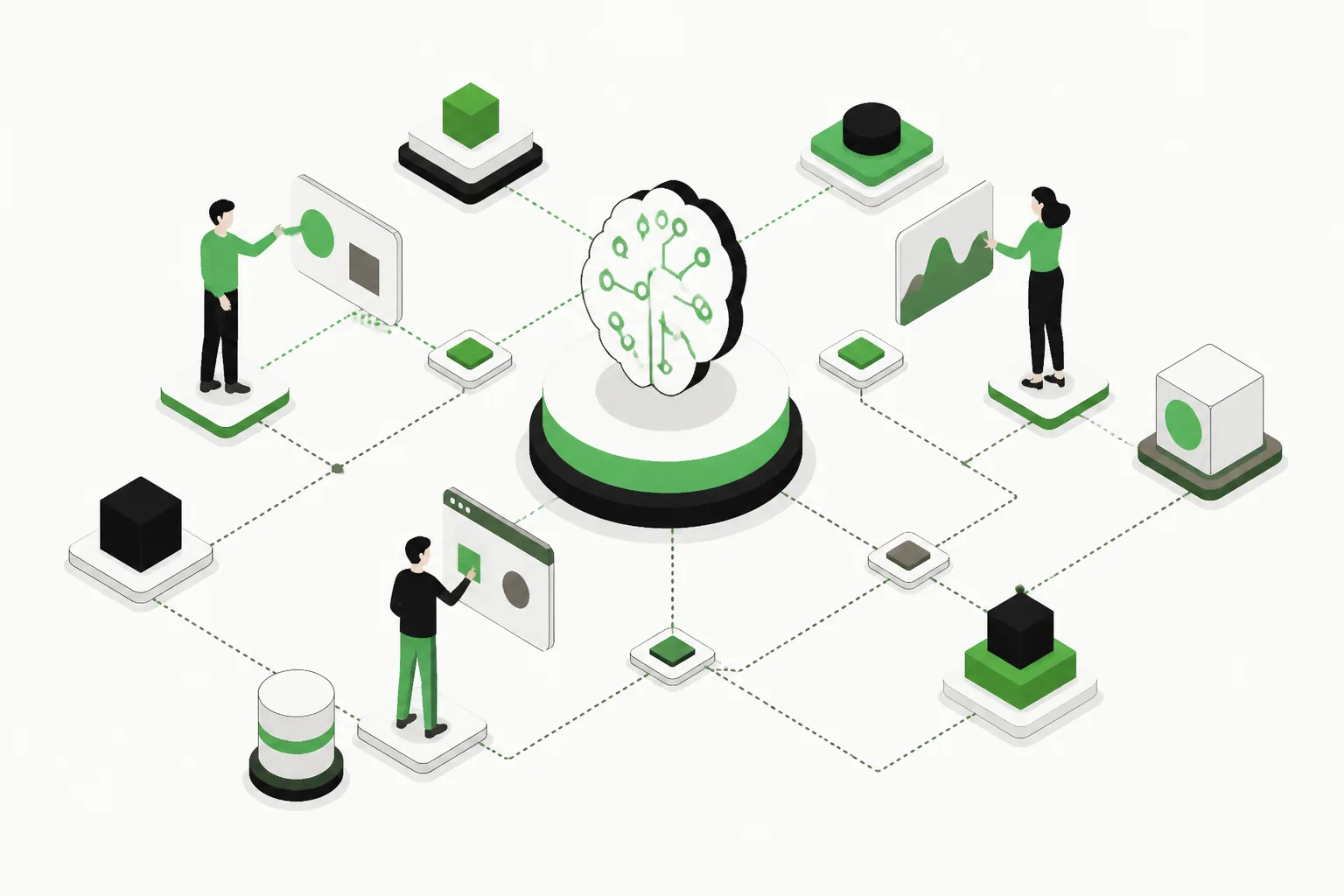
B2B buyers are already using AI search tools to shortlist vendors, compare categories, and validate claims before they ever fill out a form. If your brand is missing from those answers, your pipeline has a visibility problem, not just a traffic problem.
That is why an AI visibility strategy needs to sit next to your SEO, content, and demand generation plans, not underneath them. For B2B teams, the goal is not chasing vanity mentions in chat interfaces. The goal is earning inclusion when AI systems summarize your category, recommend providers, cite sources, and surface buying guidance.
Why AI Visibility Matters More In B2B Than In Many Other Markets

B2B buying cycles are long, research-heavy, and usually involve multiple stakeholders. That makes AI search especially influential. Procurement leads, marketing directors, operations teams, and executives can all use AI tools differently, but they often start with the same behavior: asking for a fast synthesis of options.
Traditional rankings still matter, but AI-generated answers are changing how discovery happens. A prospect may never click ten blue links if an AI assistant gives them a shortlist, explains tradeoffs, and points them toward a few brands with credible authority.
For B2B companies, that means visibility now depends on more than ranking a product page. You need structured expertise, clear positioning, supporting proof, and content that machines can confidently interpret.
Start With Category Clarity, Not Content Volume
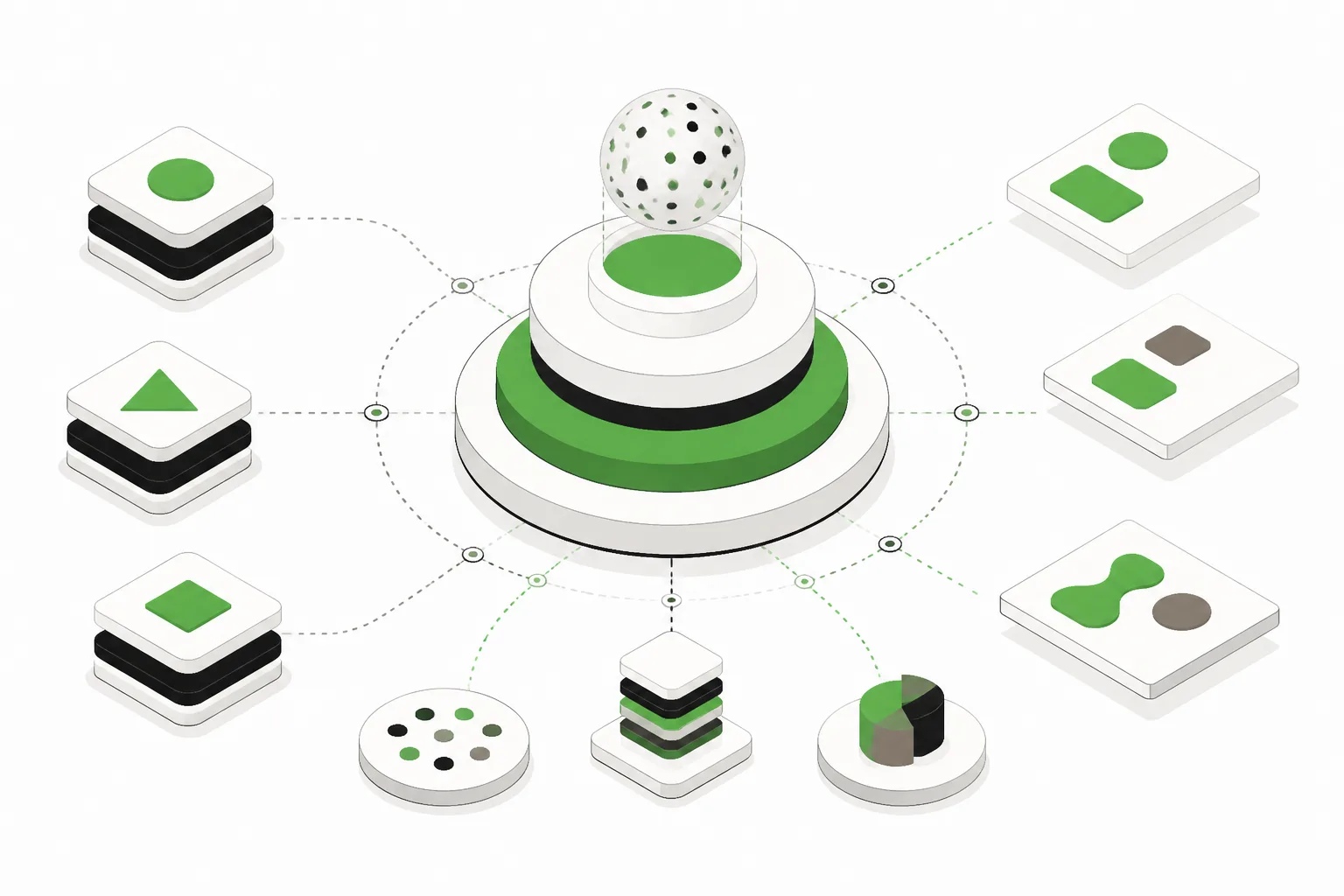
Most B2B brands have a positioning problem before they have a content problem. If your site is vague about what you do, who you serve, and why you are different, AI systems will struggle to summarize you accurately.
Define Your Core Commercial Narrative
Make your category, audience, and outcomes obvious. A strong B2B homepage and service architecture should answer three things fast: what you offer, who it is for, and what business result it supports.
If your messaging says “growth solutions” or “digital transformation partner” without specifics, you are making both buyers and AI models do extra work. Clear language wins. State the service, the vertical, and the result.
Build Supporting Topic Depth Around That Narrative
Once your positioning is clear, support it with related content. That includes service pages, comparison pages, implementation guides, pricing context, use cases, and FAQs. This is where a focused ai visibility strategy becomes practical: it turns your website into a source that can be summarized, cited, and trusted.
If your team needs help mapping those content gaps, Emarketed’s Topic Authority Builder is a useful place to start. It helps organize the subject clusters that support authority in AI search and traditional search alike.
Optimize For Retrieval, Not Just Rankings
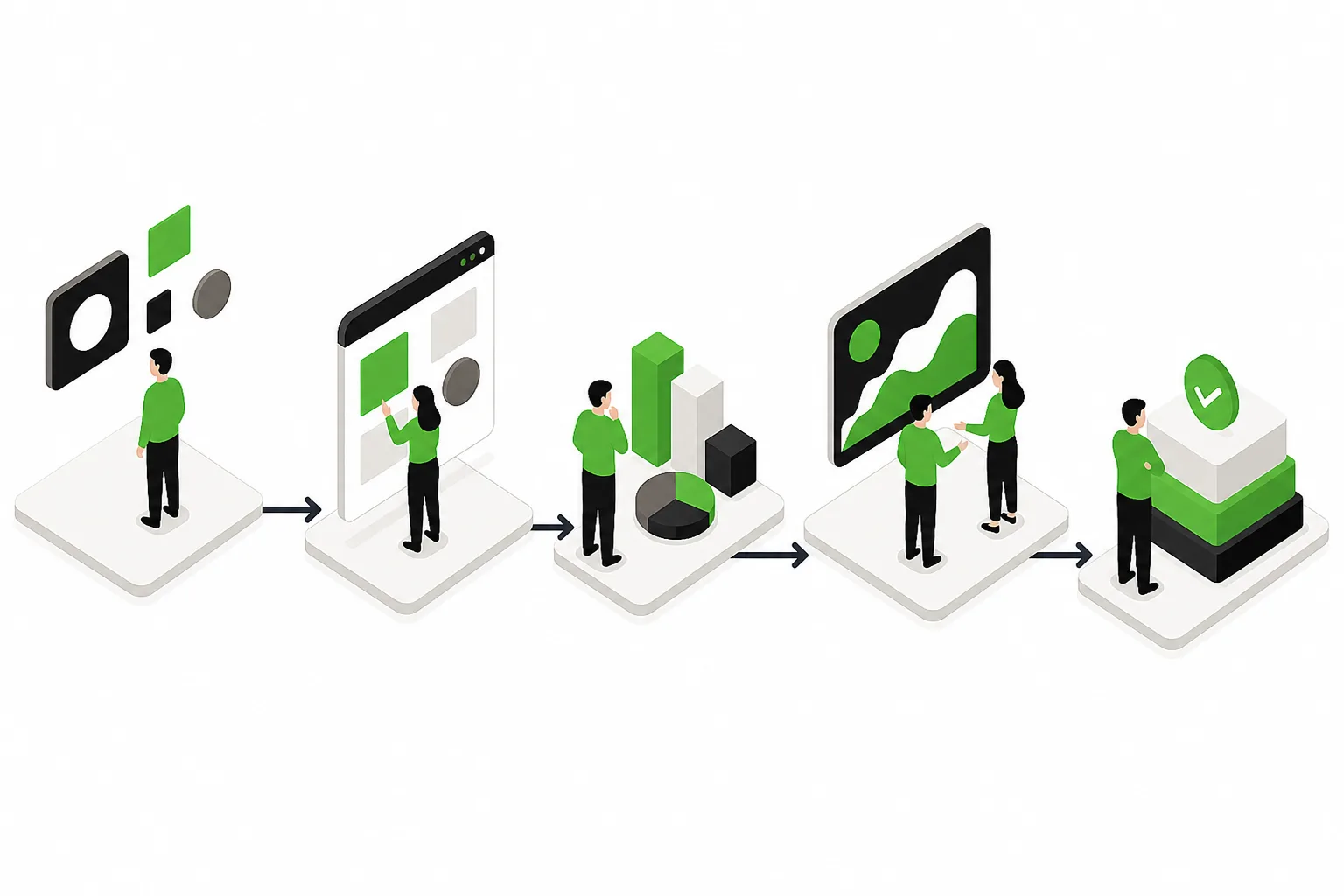
AI systems do not “think” about your brand the way a person does. They retrieve, compress, and reframe information from sources they can access and interpret. That means your content needs to be easy to extract, not just persuasive to read.
Use Direct, Declarative Language
B2B marketers often overwrite. They stack abstractions, brand slogans, and internal terminology into copy that sounds polished but says very little. AI retrieval works better when your pages use direct statements, concise definitions, and plain-English descriptions of services and outcomes.
For example, “We help multi-location healthcare groups improve patient acquisition through SEO, paid media, and conversion-focused web strategy” is far more useful than “We deliver integrated growth acceleration across the modern digital journey.”
Structure Pages So Answers Are Easy To Extract
Use clean headings, short paragraphs, bullets, and explicit subtopics. Include pages that answer narrow but commercially relevant questions, such as implementation timelines, pricing models, ideal-fit clients, compliance considerations, and expected KPIs.
This structure helps in classic SEO, but it also supports ai visibility for b2b marketing because AI systems can pull cleaner summaries from well-organized pages.
Strengthen The Signals AI Systems Trust
AI visibility is not only about what your site says about you. It is also about whether the broader web confirms those claims. B2B brands need consistency across owned, earned, and third-party sources.
Align Brand Descriptions Across The Web
Your homepage, LinkedIn company page, directory listings, author bios, and media mentions should describe your business in similar terms. Not identical wording, but aligned meaning. If one source says you are a software consultancy, another says you are an ad agency, and another says you are a CRM implementation partner, AI systems may produce muddy answers.
Show Evidence, Not Just Expertise
Case studies, testimonials, certifications, named client categories, and original data all help. B2B buyers are skeptical, and AI systems tend to favor content with stronger corroboration. If you claim measurable outcomes, support them with examples.
This is especially important for service businesses, where the offer is less tangible than a software product. AEO and SEO work best when your authority is visible in proof points, not hidden behind generic copy. Brands that want a more deliberate approach often pair content improvements with dedicated Answer Engine Optimization services to improve how they appear in AI-driven discovery.
Match Content To Real B2B Buying Stages
One of the biggest mistakes in AI visibility work is overproducing top-of-funnel educational content while underinvesting in commercial decision content. B2B buyers need both.
Early Stage: Define The Problem And The Category
Create pages that explain the category, common challenges, decision criteria, and market options. These pages help AI systems understand where your brand fits.
Mid Stage: Compare Approaches And Vendors
This is where many B2B companies are too cautious. Buyers want comparison content. AI tools also look for it when generating recommendations. Publish honest pages about differences between in-house and outsourced models, platform tradeoffs, pricing structures, and fit by company size or industry.
Late Stage: Reduce Friction
Decision-stage content should answer procurement and stakeholder questions directly. Include implementation steps, timelines, onboarding expectations, reporting cadence, and security or compliance details where relevant. The easier you make vendor evaluation, the easier you are to recommend.
Measure AI Visibility With The Right Expectations
You cannot manage what you do not measure, but you also should not expect AI visibility to behave exactly like organic traffic. Some influence will be indirect. A prospect may discover your brand in an AI answer, then search for you later by name.
Track Branded Search And Assisted Discovery
Watch for lifts in branded queries, direct traffic, referral patterns, and lead quality. Those signals often move before you can neatly attribute a conversion to an AI interface.
Audit How AI Tools Describe Your Brand
Check whether major AI platforms can identify your company accurately, explain your services, and place you in the right competitive set. If the summaries are weak or incorrect, that is a content and entity signal issue.
Emarketed’s AI Search Optimizer can help teams benchmark how visible their site is across AI-driven search experiences and identify where improvement is needed.
Common Mistakes B2B Teams Make
- Treating AI visibility like a separate channel: It is connected to SEO, PR, brand positioning, and conversion content.
- Publishing high-volume low-value content: More pages do not help if they repeat the same weak ideas.
- Ignoring commercial intent: Educational content alone will not make you recommendable in buying conversations.
- Using vague messaging: If your site is hard for a human to summarize, it is hard for AI too.
- Failing to validate off-site signals: Inconsistent descriptions across the web dilute trust.
FAQ
What Is AI Visibility In B2B Marketing?
It is your brand’s ability to appear accurately and favorably in AI-generated answers, recommendations, summaries, and citations during the B2B research process.
How Is AI Visibility Different From SEO?
SEO focuses heavily on ranking in search results. AI visibility includes that, but also covers whether AI systems can retrieve, interpret, and confidently mention your brand when answering user questions.
Do B2B Companies Need New Content For AI Search?
Usually, yes, but not always more content. Many brands need better-structured service pages, clearer category explanations, stronger proof, and more decision-stage content rather than a higher publishing volume.
Can Smaller B2B Brands Compete In AI Search?
Yes. Clear positioning, specialized expertise, and credible supporting content can outperform bigger but less focused competitors, especially in niche categories.
What Should Be Fixed First?
Start with messaging clarity, service page structure, and proof assets. Then expand into comparison content, FAQs, and supporting authority content that matches real buyer questions.
What Smart B2B Teams Should Do Next
If your brand is still treating AI discovery as a side effect of SEO, you are behind the market. The teams pulling ahead are tightening their category messaging, building decision-ready content, and checking whether AI systems actually understand what they do.
Start with an honest audit of your current presence. Review how your site describes your offer, where supporting proof lives, and whether third-party sources reinforce the same story. Then prioritize the pages that influence buying decisions, not just traffic charts. That is how an AI visibility strategy becomes a revenue strategy.