How AI Search Visibility Affects B2B Companies: Strategies for Success
Discover how AI search visibility impacts B2B companies and learn strategies to enhance your presence in AI-generated results, ensuring you're on buyers' shortlists.
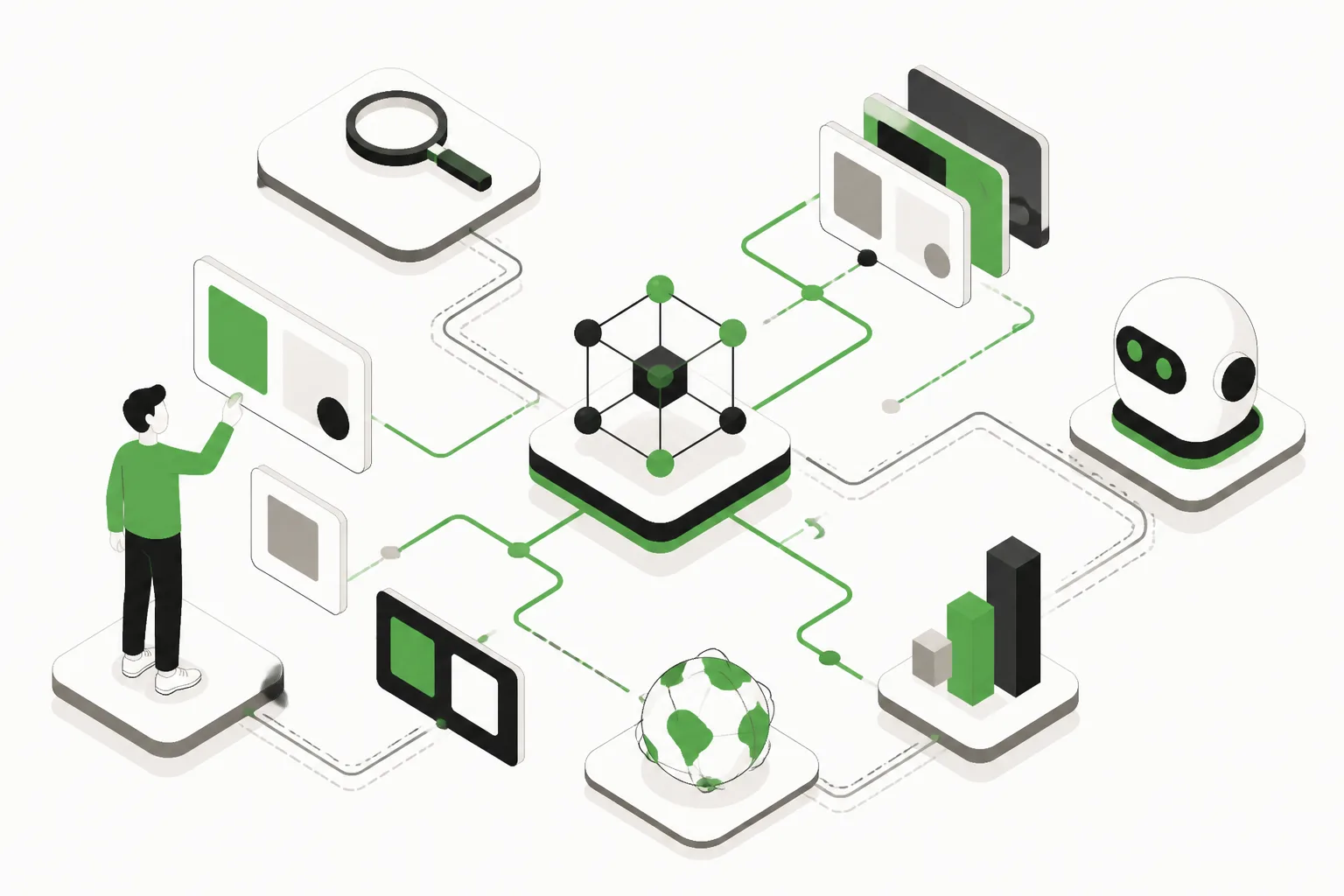
B2B buyers are already using AI-powered search to shortlist vendors, compare capabilities, and validate claims before they ever fill out a form. If your company is not visible in those AI-generated answers, summaries, and recommendations, you are losing consideration earlier than most analytics platforms can show. That is the real shift. AI search visibility is no longer a side topic for experimental marketers, it is becoming part of how demand gets filtered.
For B2B companies, this matters even more than it does for many consumer brands. Sales cycles are longer, deal values are higher, and trust signals carry more weight. When AI systems pull from credible, structured, and well-connected content, they shape which brands get mentioned first and which brands disappear from the conversation.
What AI Search Visibility Means For B2B Companies
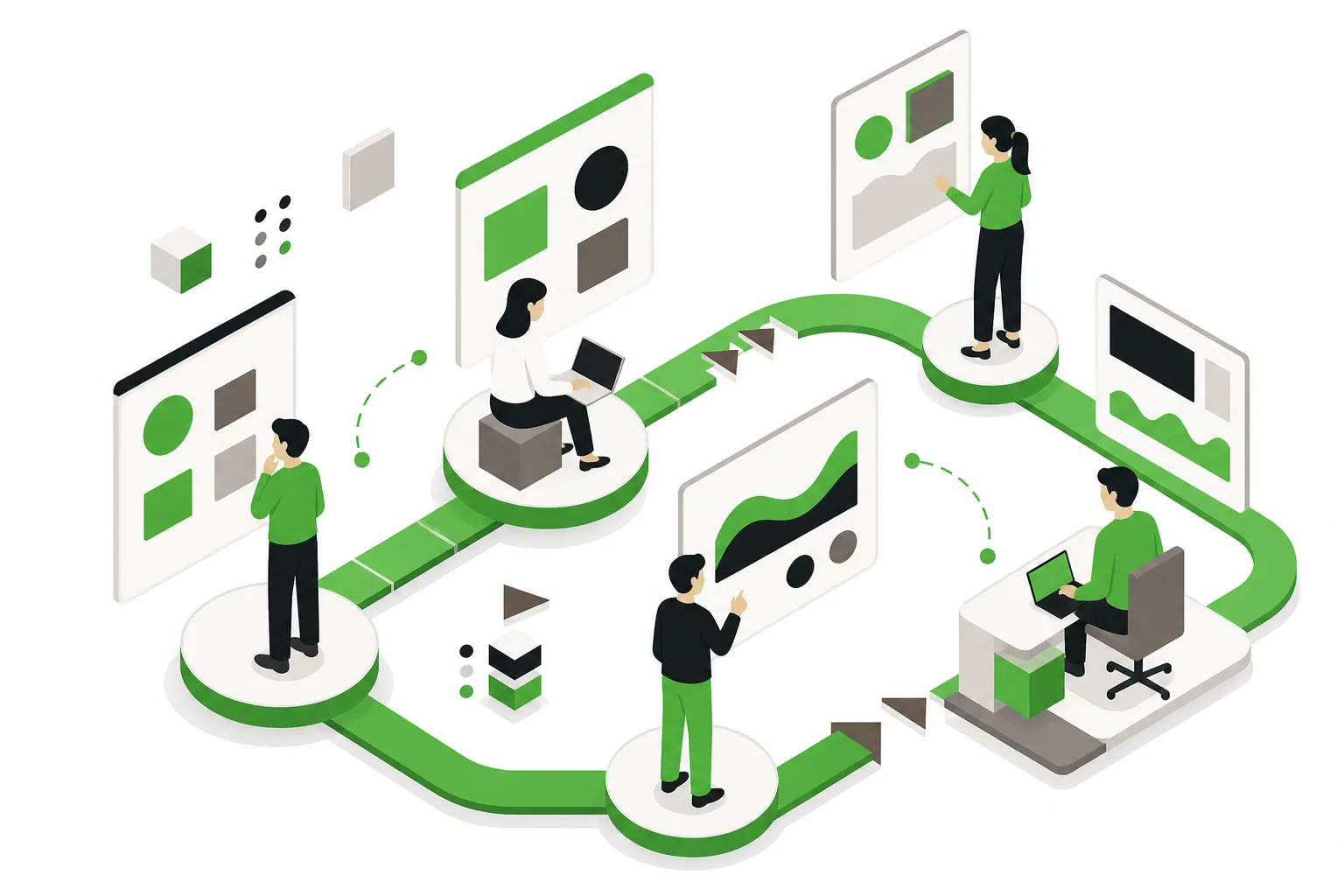
AI search visibility refers to how often and how accurately your brand, expertise, and content appear in AI-driven search experiences. That includes AI overviews in search engines, conversational assistants, answer engines, and research tools that summarize vendor options or explain technical topics.
Traditional SEO still matters, but AI systems do not simply rank ten blue links and stop there. They synthesize information. They extract definitions, compare providers, and recommend next steps. For B2B marketers, that means your website has to do more than rank. It has to be understandable, quotable, and credible enough to be cited or paraphrased.
This is where many companies fall behind. They may have product pages and a few blog posts, but they lack the depth, structure, and topical authority that AI systems tend to reward.
Why AI Search Changes The B2B Buyer Journey

Research Starts Earlier And Gets Filtered Faster
B2B buyers often begin with broad questions: which platform fits a mid-market healthcare group, what CRM integrates with a specific ERP, or how to evaluate agency partners for AI visibility. AI search tools compress that research process. Instead of opening fifteen tabs, buyers can get a synthesized answer in seconds.
That efficiency is useful for buyers, but it creates a problem for companies that rely on being discovered through generic search alone. If AI tools summarize the market before a buyer reaches your site, your brand needs to be part of that summary.
Authority Matters More Than Volume
Publishing more content is not the answer by itself. B2B companies win when they publish content that demonstrates expertise, answers high-intent questions, and supports a clear point of view. Thin articles written to chase keywords rarely survive in AI-driven environments because they add little original value.
That is one reason many firms are rethinking their mix of SEO, content, and AEO. If your content is not structured to answer questions directly, explain nuances, and support claims with evidence, it is less likely to appear in AI-generated responses.
How Weak AI Visibility Hurts Pipeline

The impact is not just theoretical. Poor AI search visibility can weaken performance across the funnel.
- Fewer qualified brand mentions: If AI tools cite competitors more often, they shape buyer perception before outreach begins.
- Lower organic influence: Search impressions may still exist, but click behavior changes when answers are delivered directly in the interface.
- Longer trust-building cycles: Buyers who do reach your site may need more reassurance because they did not encounter your brand during early research.
- Reduced category ownership: If your company is absent from key topic clusters, competitors define the conversation.
For B2B organizations with niche offerings, this can be especially damaging. A company may have the better solution, but if AI systems cannot easily identify and explain that expertise, it gets overlooked.
What Strong AI Search Visibility Looks Like
Strong visibility in AI search does not always mean your homepage ranks first. It often looks more distributed than that. Your brand may appear in AI summaries for category questions, your service pages may be cited for specific capabilities, and your thought leadership may support comparison or evaluation queries.
That visibility usually comes from a few consistent factors:
- Clear service and solution pages written for real decision-makers
- Topical depth around core industry problems
- Strong internal linking between related pages
- Credible brand signals across the web
- Content that answers questions directly, not vaguely
Companies that want a practical benchmark can review an ai search visibility checker framework to understand how AI platforms interpret their presence.
Strategies B2B Companies Should Prioritize
Build Topic Depth Around Commercial Questions
Most B2B sites talk about themselves too much and buyer problems too little. AI search rewards content that helps users evaluate options, understand tradeoffs, and make decisions. That means creating clusters around implementation concerns, pricing models, integrations, compliance issues, onboarding, and expected outcomes.
If you sell into healthcare, finance, SaaS, or professional services, your content should reflect the operational realities of those sectors. Generalized messaging does not travel well in AI summaries because it lacks specificity.
Strengthen Core Service Pages
Your service pages should not read like placeholders. They need to explain who the service is for, what problems it solves, what the process looks like, and why your approach is different. This is basic, but it is still where many B2B firms underperform.
Well-built pages on SEO services and adjacent offerings help AI systems connect your brand with the right use cases. They also improve human conversion once buyers land on the site.
Use Structured, Direct Writing
AI systems respond well to clarity. That does not mean writing like a robot. It means using clean headings, concise explanations, comparison sections, FAQs where relevant, and pages that answer one core intent well. Ambiguous copy may sound polished, but it often performs poorly because it is hard to extract and cite.
Support Claims With Evidence
B2B buyers are skeptical for good reason. So are AI systems trained to prioritize reliable signals. Use case studies, process details, data points, expert commentary, and third-party citations where appropriate. If you mention trends in search behavior or AI adoption, cite the original source inline.
For example, McKinsey has documented growing generative AI adoption across business functions, which supports why AI-assisted research is becoming a standard part of buying behavior: https://www.mckinsey.com/capabilities/quantumblack/our-insights/the-state-of-ai.
Improve Brand Recognition Beyond Your Website
AI visibility is influenced by more than on-site content. Your company should have consistent positioning across profiles, mentions, interviews, partner pages, and other credible sources. If AI tools see fragmented descriptions of what you do, your brand association becomes weaker.
This is one reason some firms work with an ai search marketing agency rather than relying only on traditional content production. The work is broader than publishing blog posts. It includes entity clarity, authority building, and answer-level optimization.
How To Measure Progress Without Guessing
B2B marketers should stop treating AI visibility as unmeasurable. It is harder to track than standard rankings, but not impossible. You can monitor whether your brand appears in AI-generated answers, which pages get cited, what themes are associated with your company, and where competitors are winning mentions.
Start with a simple process:
- Identify your highest-value commercial and informational queries.
- Test those queries across major AI search environments.
- Document which brands, pages, and sources appear repeatedly.
- Compare that visibility against your existing organic and pipeline data.
- Update content based on gaps in clarity, authority, or topical coverage.
You can also use tools like Emarketed’s AI Search Optimizer to get a faster read on where your site stands and where it needs work.
FAQ
Is AI Search Visibility Replacing Traditional SEO?
No. Traditional SEO still powers discoverability, crawling, indexing, and authority. AI search builds on top of that foundation. B2B companies need both, because ranking alone does not guarantee inclusion in AI-generated answers.
Which B2B Companies Should Care Most About AI Search?
Any company with a considered purchase process should care, especially SaaS firms, healthcare organizations, agencies, consultants, manufacturers, and professional service providers. If buyers research before contacting sales, AI visibility affects you.
How Long Does It Take To Improve AI Search Visibility?
It depends on your current authority, content quality, and technical foundation. Some improvements can show up within weeks, especially when core pages are rewritten for clarity. Broader gains usually require sustained work across content, brand signals, and site structure.
Can Smaller B2B Brands Compete With Larger Companies?
Yes, especially in niche markets. AI systems often reward specificity and expertise. A smaller brand with focused, useful content can outperform a larger competitor with generic messaging.
What Should A Marketing Team Do First?
Audit the pages tied to revenue, then compare how your brand appears in AI search against your top competitors. From there, fix weak service pages, build supporting content around real buyer questions, and tighten internal linking.
The Next Move For B2B Teams
B2B companies do not need to chase every new AI feature, but they do need to adapt to how buyers now research and shortlist vendors. The practical move is to treat AI search visibility as a revenue issue, not a trend piece. Audit what AI systems say about your brand, improve the pages that should earn citations, and build content that helps buyers make decisions with confidence.
If your team has strong offerings but weak discoverability in AI-driven search, fix that gap before competitors define your category for you.