Attribution When Buyers Never Click: Measuring Channels in an AI Search World
Discover how to measure marketing channels effectively in an AI-driven search world where buyers make decisions without clicking, challenging traditional attribution models.
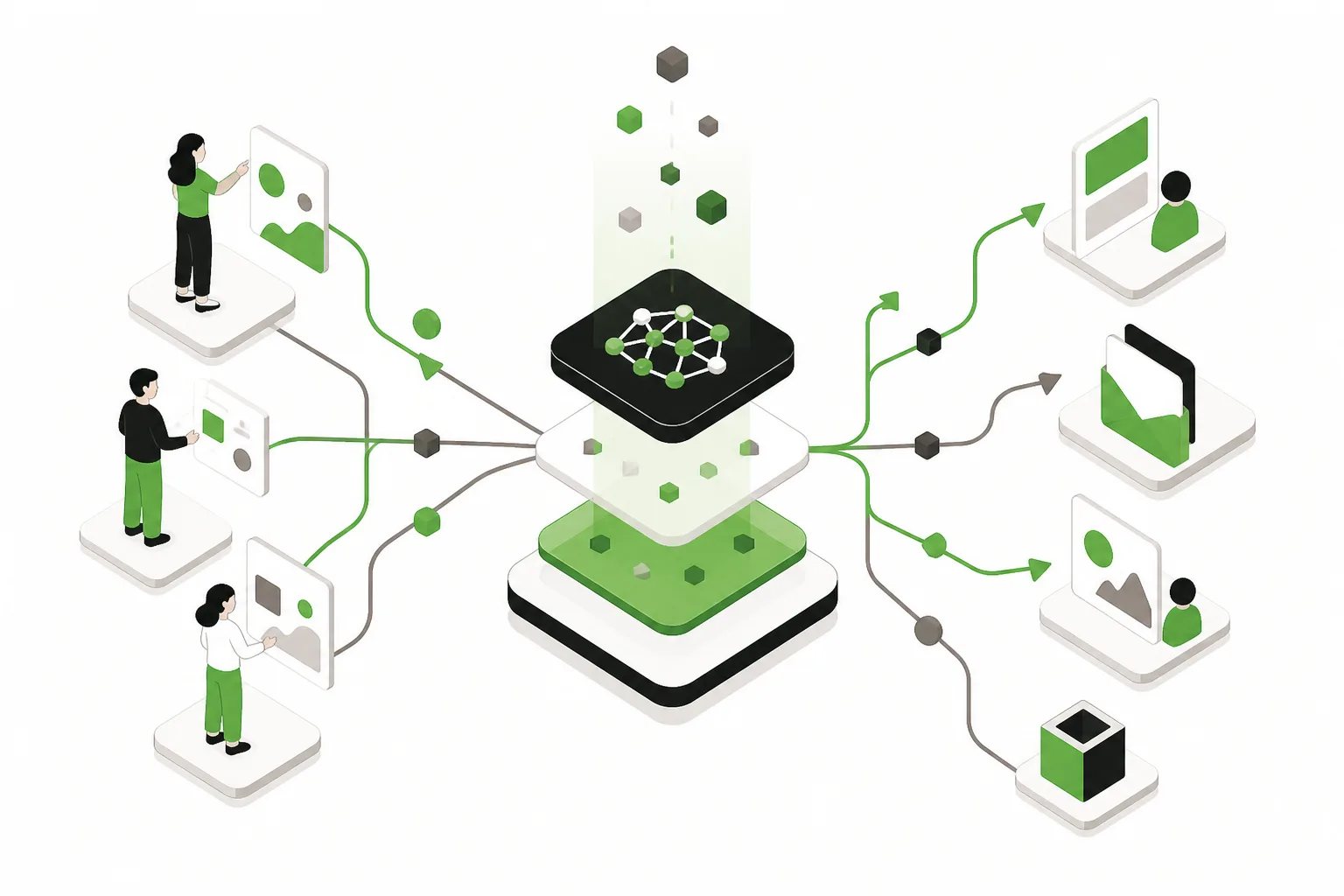
Your monthly report is due, paid search looks efficient, organic looks flat, direct traffic is up, and sales says prospects keep mentioning “we saw you in ChatGPT” or “Google already answered the basics.” None of that shows up cleanly in last-click attribution. The buyer did research, formed a preference, maybe even shortlisted you, and your analytics platform only caught the final branded search, a typed-in visit, or a demo request from “direct.”
That is the reporting problem now. Buyers are making decisions inside AI Overviews, ChatGPT, Perplexity, and other answer layers before they ever land on your site. For marketing leaders, the job is not to pretend every touchpoint can be tracked perfectly. The job is to build a measurement model that is honest about blind spots, disciplined about proxy signals, and credible enough that a CFO can use it.
This is where a lot of teams go wrong. They either cling to last-click because it is familiar, or they throw up their hands and say attribution is dead. Neither position is useful. What you need is a practical system: keep the parts of attribution that still work, add the right leading indicators, tighten your ga4 conversion tracking, and report channel impact with clear confidence levels instead of fake precision.
What Changed In The Buyer Journey
For years, the path was easier to observe. A prospect searched, clicked a result, browsed pages, came back through retargeting or email, then converted. There were gaps, but the core journey left a trail.
Now a meaningful share of discovery and evaluation happens in interfaces that summarize, compare, and recommend without sending a click. Google AI Overviews can answer top-of-funnel questions immediately. Chat-based tools can compress research into one interaction. Buyers may arrive only when they are ready to validate pricing, book a call, or fill out a form.
That means your analytics often capture the bottom of the funnel while missing part of the influence that created demand upstream.
It also means channel reporting needs a different standard. Instead of asking, “What exact percentage of pipeline came from this channel?” you often need to ask, “What evidence shows this channel is shaping awareness, consideration, and conversion likelihood?”
What Last-Click Still Tells You
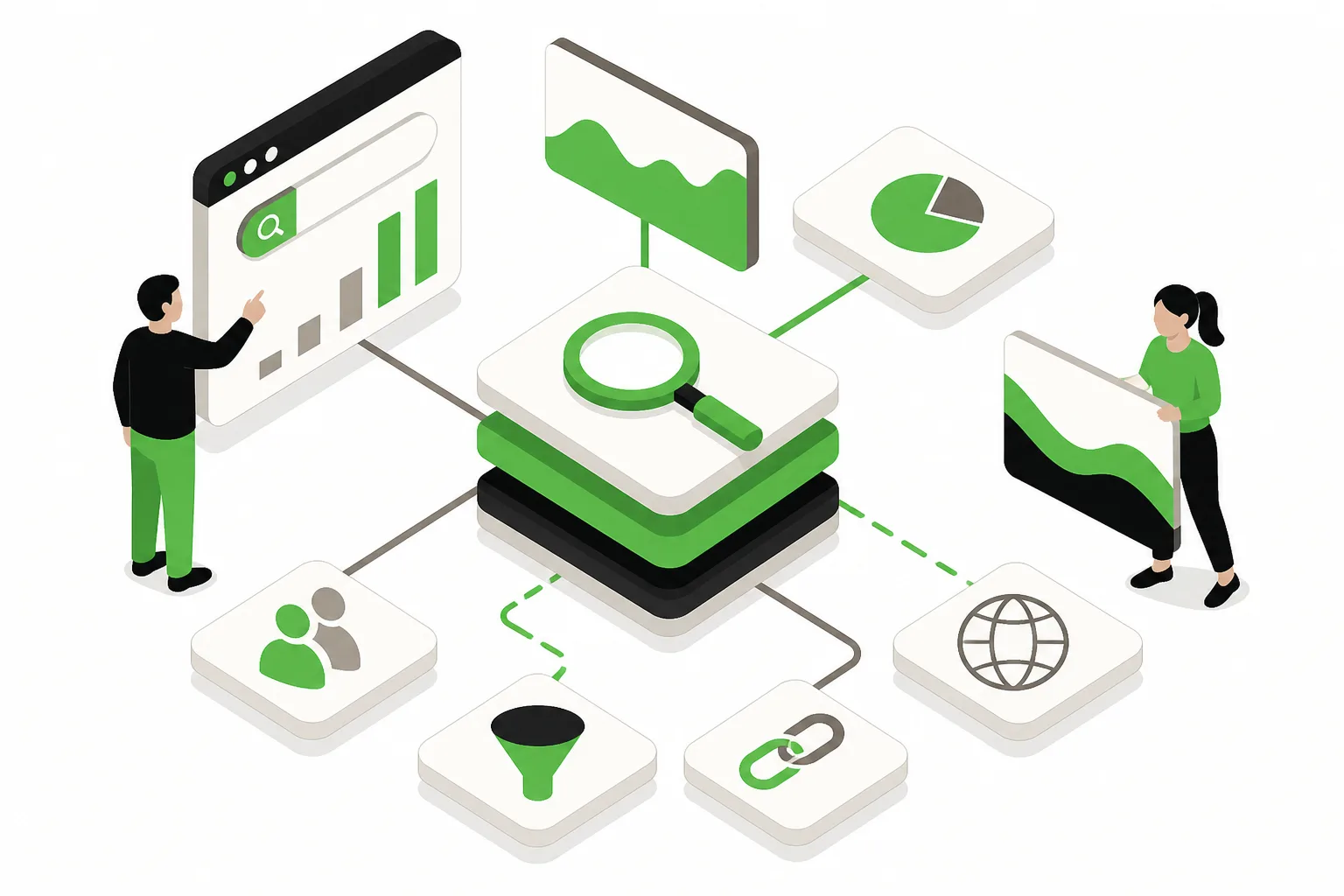
Last-click attribution gets mocked a lot, but it still has value if you stop asking it to answer questions it was never built to answer.
It Shows Conversion Capture
Last-click is still useful for understanding which channels are best at harvesting existing demand. Branded paid search, direct traffic, email, remarketing, and bottom-funnel organic pages often look strong here because they close the loop. That matters. If a channel consistently captures ready-to-buy traffic efficiently, you should know that.
It Helps With Budget Pacing
Finance teams need operational visibility. Last-click can help you spot deterioration in close-range channels fast. If paid search CPA spikes, if demo forms from non-brand search drop, or if retargeting-assisted conversions dry up, you can react before the quarter gets away from you.
It Gives You A Stable Baseline
The mistake is not using last-click. The mistake is treating it as the whole story. Keep it as one layer in the reporting stack, especially for lower-funnel channels, while being explicit that it undercounts channels that create demand earlier or influence buyers inside AI interfaces.
Where Traditional Attribution Breaks
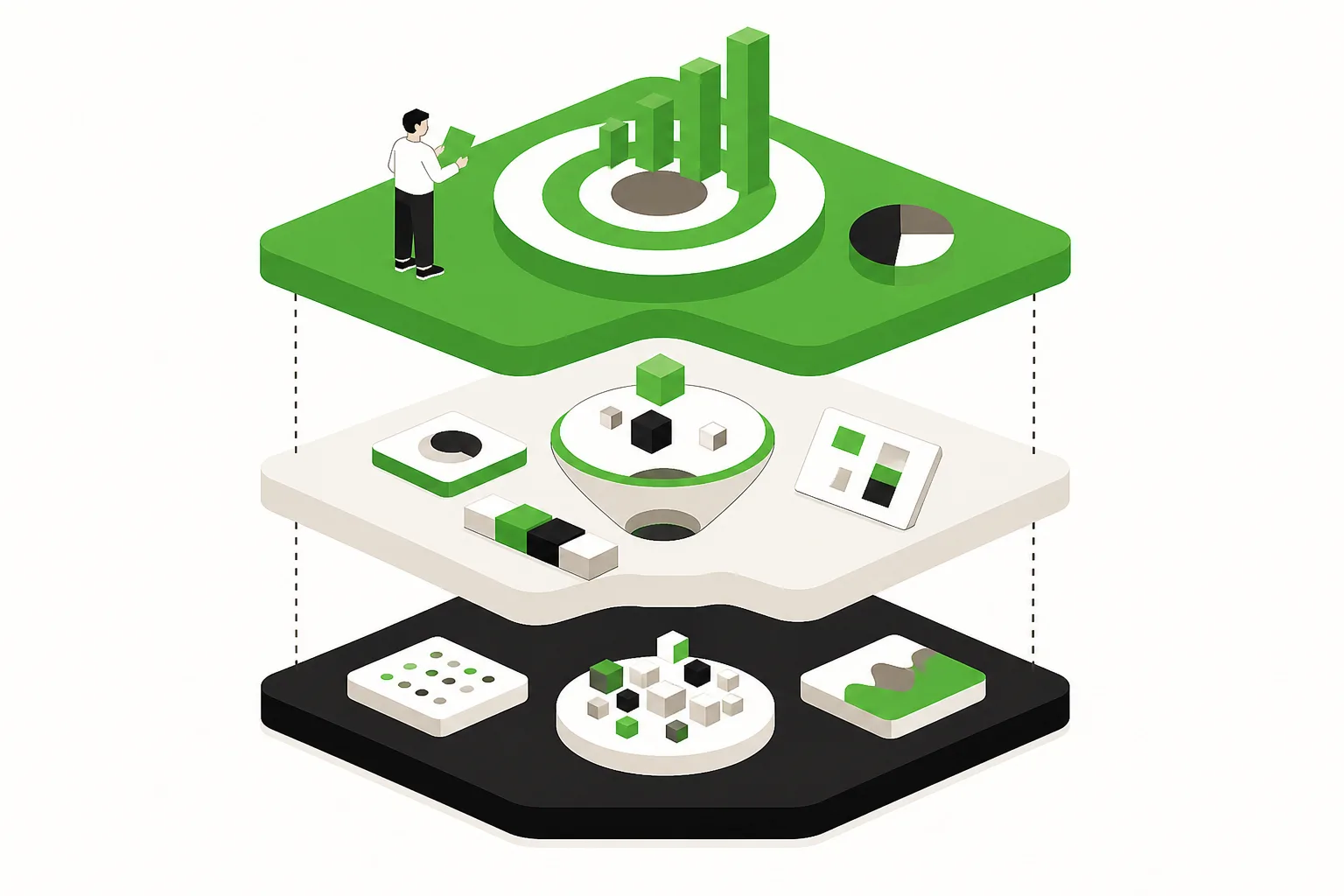
AI search introduces a visibility problem and a referral problem.
The visibility problem is simple: a buyer can consume your brand, your positioning, and even competitor comparisons inside an AI answer without creating a site visit. No click means no session. No session means nothing for analytics to attribute.
The referral problem is messier. Some AI-driven visits do appear in referral reports, some are bucketed oddly, and some vanish into direct or unclassified traffic depending on browser behavior, app environments, and how the handoff happened. You will see fragments, not a complete ledger.
That is why channel measurement now needs triangulation. One metric will not save you. A pattern across several metrics can.
The Proxy Signals Worth Tracking
If invisible influence is part of the journey, you need indicators that move when awareness and consideration move. Not vanity metrics, actual proxies with a plausible relationship to demand.
Branded Search Volume
Branded search is one of the strongest signals that off-site visibility is creating demand. When more buyers search your company name, product name, or key branded phrases, something upstream is working.
This is especially useful when non-brand informational traffic does not rise at the same pace, but brand interest does. AI exposure often works like that. A buyer gets the answer elsewhere, remembers your name, then later searches for you directly.
Use Google Search Console and Google Trends carefully here. Search Console gives you query-level branded demand on your site. Google Trends can help with directional context, though it is less precise. Track branded impressions, branded clicks, and branded click-through rate over time, then compare those trends against campaigns, PR, thought leadership pushes, and AI visibility work.
Direct Traffic, With Caveats
Direct traffic is a messy bucket. It includes true type-in visits, bookmarks, dark social, some app traffic, and plenty of unattributed sessions. That makes it dangerous if you use it lazily.
Still, a sustained increase in direct traffic, especially to high-intent pages like pricing, demo, location, or service pages, can be a meaningful signal when paired with branded search growth and sales feedback. The key is segmentation. Homepage direct traffic alone is weak evidence. Direct traffic to bottom-funnel pages after a visibility push is more telling.
AI Referrals That Do Appear
You should absolutely track AI referrals when they show up. They will be incomplete, but incomplete does not mean useless.
Build source and medium groupings in GA4 for known AI referrers where possible. Watch referral traffic from chat.openai.com, perplexity.ai, gemini.google.com, copilot, and other sources that actually pass traffic. These visits may be small in volume today for some brands, but they are highly diagnostic. They tell you that at least some buyers are moving from answer engines to your site.
They also help validate whether your visibility work is translating into discoverability, not just mentions.
Conversion Surveys
Ask buyers how they heard about you. Yes, self-reported attribution is imperfect. Buyers forget, compress multiple touches into one answer, or name the last thing they remember. It is still one of the best ways to capture invisible influence that analytics misses.
Keep the question simple. “Where did you first hear about us?” and “What influenced you to reach out today?” work better than long forms with twenty channel options. Include options like AI assistant, Google search, referral, LinkedIn, podcast, conference, email, and “not sure.” Add a free-text field.
Patterns matter more than single responses. If mentions of ChatGPT, AI search, or “Google answered it and your brand came up” start appearing regularly, that is evidence worth reporting.
Sales Call Notes And CRM Fields
Your CRM should capture influence data from conversations, not just forms. Train sales and account executives to log the language prospects use. “You were recommended in ChatGPT” is different from “I clicked a Google ad,” and both are useful.
This does not need to become a bureaucratic nightmare. A required dropdown plus a short notes field is enough to start.
How To Tighten Measurement Inside GA4
Better attribution starts with cleaner instrumentation. Plenty of teams are trying to interpret AI-era behavior on top of shaky analytics setups. That is asking for bad decisions.
Clean Up Conversion Definitions
First, make sure your primary conversions reflect actual business outcomes. Demo requests, qualified contact forms, booked consultations, phone calls over a threshold, and revenue events should be separated from soft conversions like PDF downloads or time on site.
Then audit your event structure. Duplicate events, inconsistent naming, and accidental form fires will poison reporting. If your core setup is weak, no amount of attribution modeling will fix it.
Use Channel Groupings Intentionally
Default channel groupings are rarely enough anymore. Create custom views or reporting layers that isolate branded paid search, non-brand paid search, organic brand, organic non-brand, referral, AI referral, email, and direct traffic to key landing pages.
That gives you a way to see whether demand creation is lifting branded and direct capture later.
Track Landing Page Intent
Not all sessions are equal. A visit to a blog post means something different from a visit to a service page, pricing page, or contact page. Map landing pages by funnel stage so you can see whether “invisible” influence is increasing high-intent entries.
For teams that need a stronger analytics foundation, Emarketed’s broader digital marketing services work is useful precisely because reporting, SEO, paid media, and site behavior are connected. Attribution gets better when the operating model is connected too.
How To Connect AI Visibility To Business Outcomes
This is the bridge many teams are missing. AI visibility metrics alone are not enough, and pipeline numbers alone miss the source of influence.
You need both.
Start by measuring whether your brand and content appear in AI-generated answers for the questions that matter in your market. Then compare those visibility shifts against branded search, direct high-intent traffic, assisted conversions, and sales-reported source mentions. If all four move together over time, you have a credible story.
That is also where tools can help. A periodic benchmark from Emarketed’s AI Brand Presence Checker can show whether your brand is being recognized in answer environments, while an AEO agency engagement can help improve the inputs that shape those mentions. The point is not to report AI visibility as a vanity score. The point is to connect visibility evidence to demand evidence.
How To Present This Honestly To A CFO
CFOs do not need perfect certainty. They need a measurement framework that is transparent, repeatable, and tied to financial outcomes.
Lead With What Is Observable
Start with hard numbers: qualified leads, pipeline, revenue, CAC, conversion rate, and close rate by observable channel. Do not bury the measurable stuff under a long theory about AI.
Add An Influence Layer
Then show the indicators that suggest invisible influence is growing. This might include rising branded search impressions, increased direct entries to service pages, AI referral sessions, higher branded conversion rates, and survey mentions of AI tools or answer engines.
Frame these as supporting evidence, not audited truth. That distinction builds trust.
Use Confidence Language
One of the best habits you can adopt is labeling claims by confidence level. For example:
- High confidence: Paid search generated 42 demo requests at a $310 CPA.
- Medium confidence: Organic thought leadership contributed to demand creation, supported by a 28% lift in branded search and increased direct traffic to service pages.
- Emerging signal: AI answer engines are influencing buyer research, based on referral data, survey responses, and sales call notes.
That language is far more credible than pretending a dashboard can see every touchpoint.
Show Direction, Not Just Attribution
CFOs care about whether investment is compounding. If AI visibility work coincides with stronger branded demand, better close rates on inbound leads, and lower blended acquisition costs over time, that is strategically important even if you cannot assign every dollar to a single click path.
A Practical Reporting Framework For Monthly Reviews
If you need a structure, use a three-layer scorecard.
Layer One: Outcome Metrics
- Qualified leads
- Sales accepted opportunities
- Pipeline created
- Revenue influenced and won
- CAC and payback period
Layer Two: Capture Metrics
- Branded paid search conversions
- Organic branded clicks
- Direct traffic to high-intent pages
- Email and remarketing conversion rates
Layer Three: Influence Metrics
- Branded search volume trend
- AI referral traffic
- Share of survey responses mentioning AI tools or answer engines
- Sales notes with AI-source mentions
- AI visibility benchmarks for priority queries
When these layers are reviewed together, the story gets much clearer. You stop forcing one number to do everything.
FAQ
Should We Stop Using Last-Click Attribution?
No. Keep it for what it does well: measuring demand capture near conversion. Just stop treating it as a full-funnel truth source.
How Much Weight Should We Give Self-Reported Attribution?
Enough to matter, not enough to stand alone. Survey responses and sales notes are best used as pattern detection alongside analytics and CRM data.
Can GA4 Fully Measure AI Search Influence?
No. GA4 can measure the visits and conversions that reach your site, plus some referral evidence. It cannot fully observe research that happens inside external AI interfaces without a click.
What Is The Best Proxy For Invisible Demand Creation?
Usually a combination of branded search growth, direct traffic to high-intent pages, and conversion surveys. Any single proxy can mislead. Together, they are much stronger.
How Often Should We Report AI Visibility Metrics?
Monthly is usually enough for executive reporting, with more frequent monitoring internally if the channel is strategically important or changing quickly.
What Marketing Leaders Should Do Next
Start by auditing your reporting stack this month. Verify conversion definitions, separate capture metrics from influence metrics, add a simple “how did you hear about us” field, and create a basic AI referral view in GA4. Then benchmark your brand’s visibility in answer engines and compare it against branded search and direct high-intent traffic over the next two quarters.
If your team needs help building that measurement picture, this is exactly where analytics strategy and AI visibility work should meet. The brands that will report best in the next phase are not the ones pretending attribution is solved. They are the ones building a system that is clear about what can be measured, disciplined about what can only be inferred, and strong enough to guide budget decisions anyway.