Why Ecommerce Retention Should Beat Another Traffic Push
Before Q4, ecommerce brands should fix loyalty, returns, and post-purchase friction so new traffic converts better and more first-time buyers come back.
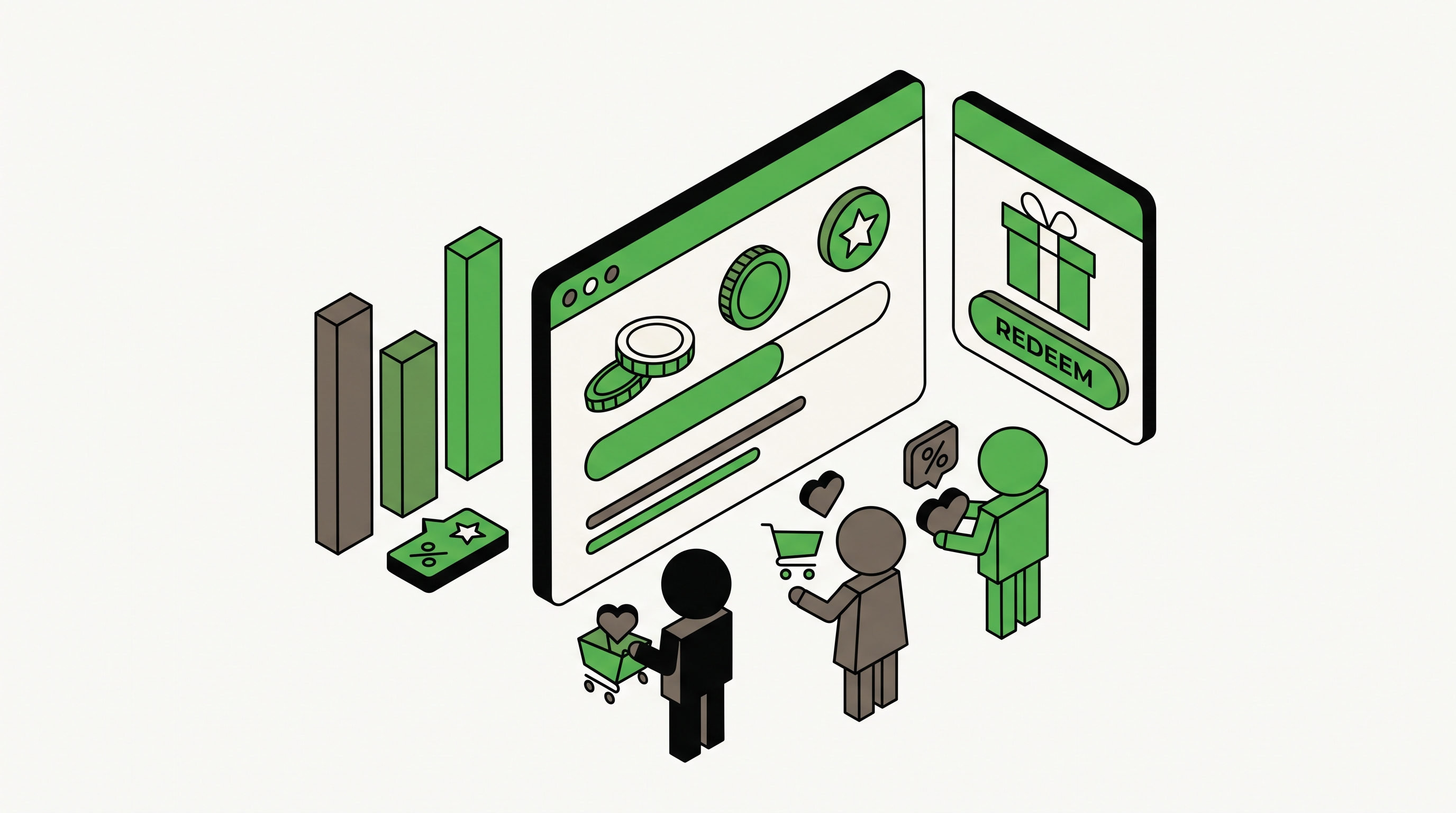
If you run an ecommerce brand and your September plan starts with “buy more traffic,” you are probably fixing the wrong problem first.
Late August brought a useful cluster of reminders. Shopify published fresh guides on how to create a rewards program and improve the post-purchase experience. Read together, they point to the same conclusion: retention work is not a nice extra for mature brands. It is the layer that makes acquisition spend hold its value.
That matters right now because Q4 punishes weak operations. More traffic only helps when the site, offer, and post-purchase flow give people a reason to buy again.
Loyalty Is A Revenue System, Not A Perk
Shopify’s August 26 rewards guide says 80% of marketers report that loyalty programs bring in more money than they cost, and a third report ROI between 400% and 600%. That is not a soft brand metric. That is performance math.
The more useful detail is how Shopify frames the job. Good rewards programs are built around behaviors that move the business: repeat purchases, referrals, reviews, higher order values, and better engagement across channels. In other words, loyalty is not about tossing points at customers. It is about shaping what profitable customers do next.
Shopify also cites a case where Snuggle Honey used a digital rewards app to reach a 40% customer retention rate. That should get every ecommerce operator’s attention heading into peak season. When acquisition costs rise, the cheapest growth is often a second order from someone who already trusts you.
If your store still treats retention like an email side project, that is usually a sign the system is split up poorly. Offers live in one tool, customer data lives somewhere else, and the site experience never reflects what the retention team is learning. That is why ecommerce brands often need Shopify development support at the same time they are trying to improve marketing efficiency.
Post-Purchase Friction Is Still Killing Conversions
Retention does not start after the sale. It starts before checkout, when buyers are deciding whether your store feels safe enough to trust.
Shopify’s August 19 post-purchase guide lines up with Narvar’s returns data, which says 90% of shoppers check the return policy before buying. It also lines up with DHL’s 2026 ecommerce trends report, which says 7 in 10 shoppers will abandon their cart if they are not offered the delivery and returns options they want at checkout. The National Retail Federation adds another operational reality: an estimated 19.3% of online sales were expected to be returned in 2025.
Those numbers explain why retention and conversion should sit in the same conversation. A murky return policy, weak delivery options, or clumsy exchange flow does not only create customer service pain later. It lowers conversion now and makes repeat purchase less likely later.
This is also why Emarketed’s recent post on review marketing as ecommerce infrastructure matters. Trust is no longer carried by one page element. It is built across reviews, delivery promises, policy clarity, and the follow-up experience after the first order.
September Budget Should Go To The Leaks First
For many brands, the smartest September spend is not another prospecting test. It is the work that keeps Q4 traffic from slipping through the floorboards.
At Emarketed, we have seen this pattern in ecommerce accounts where growth compounds only after the storefront and the media strategy start pulling together. Sector 9 Skateboards grew sales by 165% and conversion rate by 42%. Nutcase Helmets grew sales by 306% and sales attributed to marketing by 774%. Paid media helped drive the demand, but those numbers only matter when the site gives buyers enough confidence to finish the purchase and come back.
Before you push harder on acquisition, check four things:
- Is your loyalty offer tied to a useful behavior, not just a discount?
- Can a first-time shopper understand your return and exchange policy in under a minute?
- Are delivery expectations clear before checkout, not buried after the order?
- Do post-purchase emails push buyers toward a second order, review, referral, or account signup?
If the answer to two of those is no, your retention problem is probably bigger than your traffic problem.
What To Do This Week
Run one retention audit before you approve more spend. Review the top landing pages, cart, checkout, return policy, post-purchase email flow, and rewards offer as one connected system. Then fix the friction buyers actually feel.
The brands that win Q4 will not only buy demand. They will keep more of the customers they already worked so hard to acquire.