Google Ads Location Assets Need A Cleanup
Google Ads location assets now have clearer rules. Local advertisers should audit Business Profile data, landing pages, and campaign fit before spend leaks.
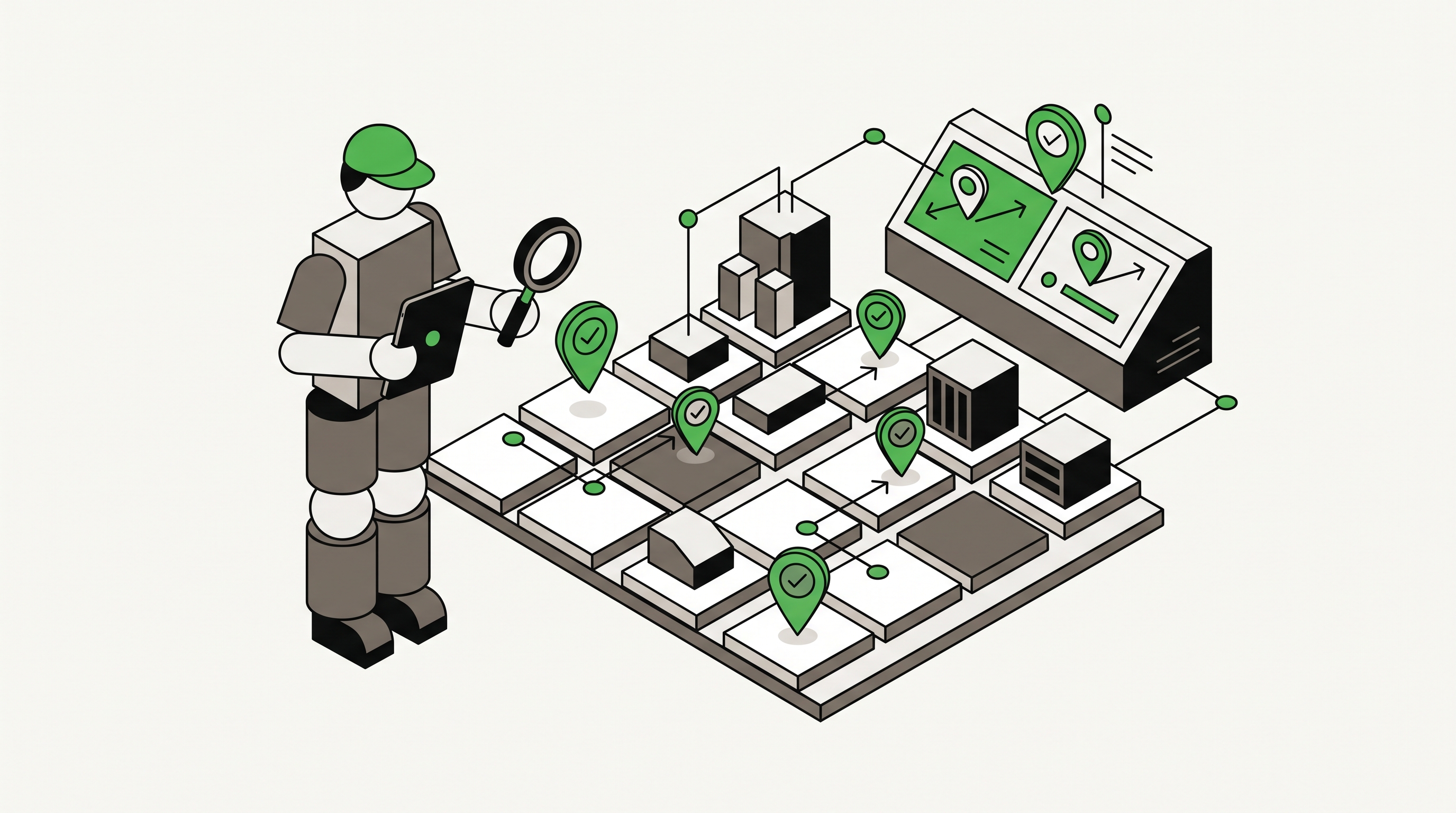
Google Ads location assets are not a setup detail anymore. They are part of how local campaigns prove they are pointing people to the right business, the right location, and the right next step.
That became easier to see after Google posted a September 8 update saying its location asset requirements were revised for clearer terminology, readability, and troubleshooting. Google also said enforcement has not changed. That detail matters. This is not a new policy panic. It is a reminder that many advertisers still treat location data like a box to check, even when it can affect calls, directions, store visits, and local trust.
For local businesses, healthcare providers, home services, retailers, and regional B2B suppliers, the takeaway is simple: clean up the location layer before you push more budget into local campaigns.
The Asset Pulls From More Than Google Ads
Search Engine Land reported that location assets can show a business address, phone number, hours, and ratings, and that Google Business Profile is commonly used to supply the business information behind those assets.
That means your Google Ads account may not be the only place to fix a paid media problem. Google’s own location asset documentation says Business Profile data can include street address, phone number, hours, merchant photos, and videos. It also notes that closed locations will not show in final ads and that Google Ads location data is sourced from Google Maps and Business Profile.
If your ad team does not own Business Profile access, your paid media workflow has a gap. A stale phone number, mismatched hours, weak location photos, or wrong location grouping can become a campaign quality problem even when the keywords and bids look fine.
Local Relevance Has To Be Real
The updated requirements are especially useful because they clarify what Google does not want: locations without owner approval, locations Google cannot recognize, permanently closed locations, and products or services that do not match the advertised location.
That last point is where advertisers should slow down. A location asset should not imply that a service, product, or appointment type is available somewhere it is not. If a rehab facility advertises a program at the wrong campus, a medical practice routes specialty searches to a generic office, or a retailer promotes inventory at a location that does not carry it, the campaign may create clicks but lose trust fast.
Paid ads management and local search overlap at exactly this point. The ad can create the visit, but the location page, Business Profile, reviews, photos, and call path have to confirm the same promise. Emarketed’s local SEO guide treats those pieces as one system because buyers do too.
What To Check This Week
Start with the obvious records. Compare your Google Ads location assets, Google Business Profile listings, website location pages, call tracking numbers, hours, service areas, and campaign targeting.
Then look for the mismatches that cost money:
- locations attached at the account level when only some campaigns need them
- closed, moved, or merged locations still eligible to show
- service pages that promote offers not available at the linked location
- campaign landing pages that do not mention the location shown in the ad
- photos or business names in Business Profile that look outdated or over-edited
- call reporting that is turned off, even though calls are a key conversion
Google’s Business Profile starter documentation says a verified profile helps businesses manage how they appear on Maps and Search, including hours, website, phone number, photos, videos, and reviews. That is not just organic visibility. It is paid campaign infrastructure when location assets are involved.
Budget Should Follow Clean Local Data
The bigger lesson is not that every advertiser needs to obsess over policy wording. The lesson is that local paid media is only as trustworthy as the location data underneath it.
Before increasing spend, ask one practical question: if a buyer clicks this ad, sees this location, calls this number, and lands on this page, does every signal tell the same story?
If the answer is no, do not scale yet. Fix the listing, page, hours, location group, phone tracking, and campaign assignment first. Cleaner local data will not make a weak offer strong, but it will stop good budget from being wasted on avoidable confusion.