Local Services Ads Are Moving Into Google Ads
Google starts moving Local Services Ads into Google Ads in August 2026. Here is what local advertisers should download, review, and fix first.
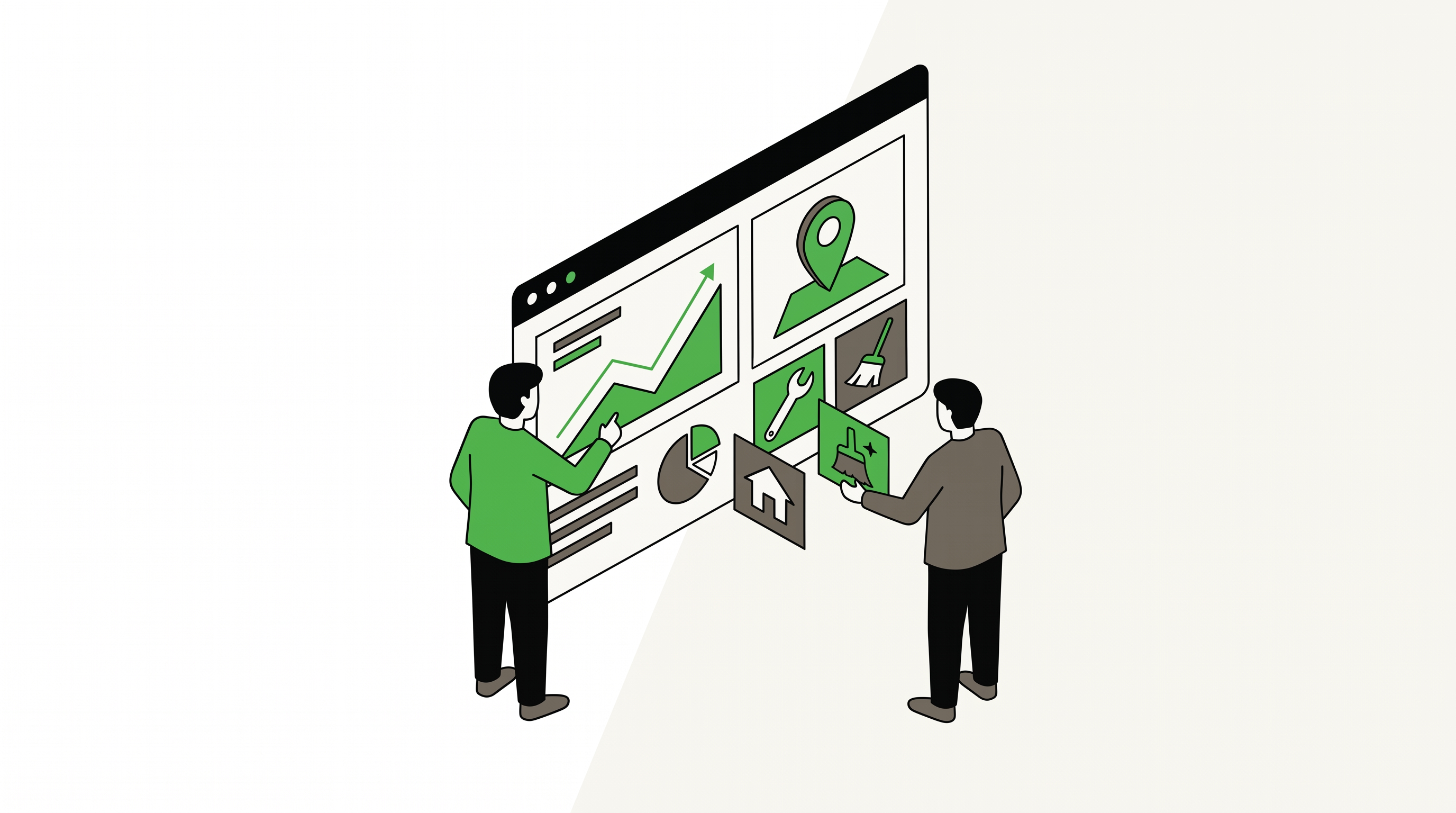
Local Services Ads are moving into Google Ads, and that is more than a product rename.
Google says the first migration phase starts in August 2026 for select U.S. home and storefront service advertisers, with broader groups following later in 2026 and the rest in 2027. If you run ads for roofing, HVAC, plumbing, pest control, cleaning, or similar local services, the smart move is to treat this like an account transition project now, not when the warning email lands.
This Changes More Than The Dashboard
According to Google’s migration guide, Local Services Ads will move into Google Ads as Performance Max campaigns with pay-per-lead goals. Google also says the campaign setup will transfer automatically, including locations, service types, schedules, photos, and budget limits.
That sounds simple until you look at what actually changes:
- weekly budgets become daily budgets
- manual bidding goes away
- separate target CPA settings by service category go away
- the old Local Services dashboard stops being available after migration
- Better Business Bureau callouts are no longer supported
In other words, this is not just a cleaner interface. It changes how some local advertisers control spend, compare service lines, and report performance to owners or clients.
The Biggest Risk Is Losing Your Old Reporting View
The most urgent line in Google’s documentation is the easiest one to miss: historical performance reports will not transfer. Once the account moves, advertisers lose access to the original Local Services Ads dashboard and should download reports beforehand.
That matters for agencies, franchise groups, and owner-operators who rely on year-over-year comparisons to explain lead costs and seasonal swings. If those reports disappear before you export them, you lose your clean baseline.
Google also says campaigns may take up to two weeks to finish migrating and stabilize. That means August performance could look messy even if nothing is technically wrong. Teams that fail to document pre-migration performance are going to have a harder time separating normal transition noise from real account problems.
What To Review Before Your Migration Email Shows Up
Google says account administrators will get a notice 14 days before migration and another reminder 7 days later. Before that happens, local advertisers should tighten a few basics:
- Export historical reports from the current Local Services Ads dashboard.
- Review service categories that currently have very different lead values or costs.
- Check whether your Google Business Profile has the right business name, address, and standard hours.
- Replace any BBB callouts with stronger structured callouts inside Google Ads.
- Decide whether high-value services belong in separate campaigns once the move is complete.
Google’s documentation on pay-per-lead goals for Performance Max says these campaigns use data from your Google Business Profile and are built on the same framework as Local Services Ads for local leads. That makes profile accuracy more operational than ever. If your profile details are sloppy, your ad workflow gets sloppier too.
This is also a good time to review the rest of your paid funnel. If you already know lead routing, call handling, or follow-up speed are weak, the migration is a bad moment to stay passive. Our guide on what to fix before you raise Google Ads budget covers the handoff problems that usually get exposed once an account structure changes.
Treat This Like A Local Lead Quality Audit
The strongest response is not panic. It is preparation.
If you manage local paid media, August should be used to preserve reporting history, clean up Business Profile details, and re-check whether one campaign should really carry multiple services with different economics. If you wait until the migration is finished, you may already be explaining unstable numbers without the old dashboard to back you up.
Google is pushing local service advertisers into a more centralized system. That could make management easier over time. In the short term, it means the advertisers who stay organized will adapt faster than the ones who assume the platform will sort everything out for them. If your team wants help reviewing the account before the switch, our paid ads services can audit the reporting, structure, and lead-quality flow before the migration hits.