What To Fix Before You Raise Google Ads Budget
Before you raise Google Ads budget, fix tracking, landing pages, query control, and lead handling so extra spend buys better leads, not more waste.
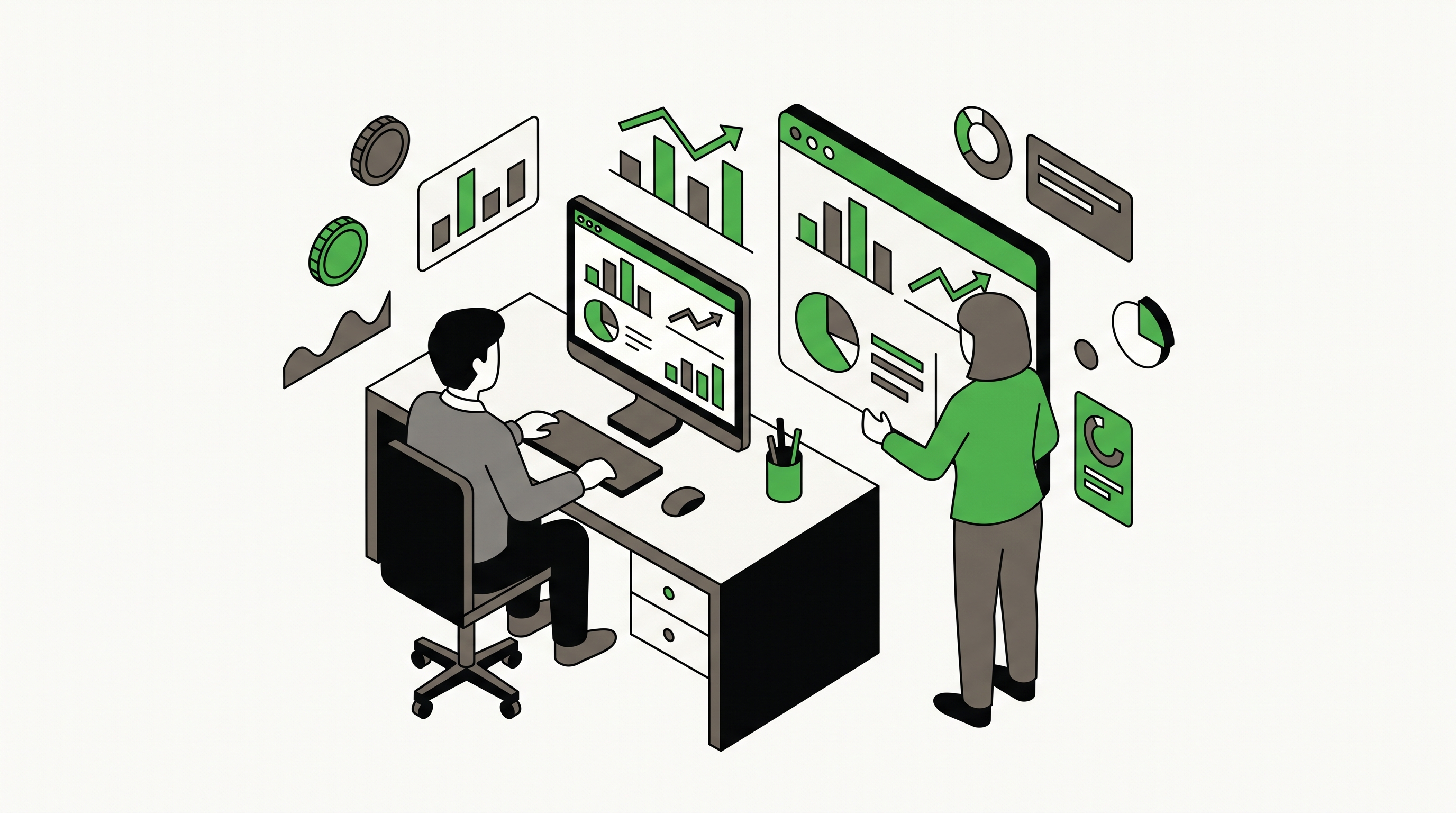
Raising budget is not a growth strategy when the account is still leaking intent, data, and lead quality.
That is the mistake a lot of advertisers make when results flatten. They assume the problem is reach, so they add more spend. In practice, more budget usually magnifies what is already broken: weak conversion tracking, sloppy search terms, landing pages that do not match the ad, and follow-up that burns good leads after the click.
If you are about to push spend higher, fix these five things first. They are the checks that make a bigger budget more likely to buy qualified pipeline instead of more noise.
Fix Conversion Measurement First
Google says conversion measurement should track the actions that actually matter to the business, including website actions, phone calls, and offline conversions. That matters because many accounts still optimize around the easiest signal to track, not the most valuable one.
A form fill is not the same as a qualified lead. A thirty-second call is not the same as a booked consultation. If the platform is learning from shallow signals, raising budget just teaches it to find more of the wrong people faster.
Google also says enhanced conversions improve measurement accuracy by using hashed first-party data to connect more conversions back to ad interactions. For lead-gen accounts, that is a practical upgrade, not a technical extra. If your sales team qualifies leads in a CRM but that signal never gets back into the ad account, your bidding logic is running half blind.
Before you increase spend, check:
- whether your primary conversion is tied to revenue or qualified leads
- whether calls, not just forms, are being measured
- whether offline outcomes can be imported or reconciled later
- whether sales and marketing agree on what counts as a good lead
If those answers are fuzzy, budget is not the first fix. Measurement is.
Tighten Query Control Before CPCs Get The Money
Google’s own guide to improving conversion rate says specific keywords usually convert better than broad, vague terms, and that negative keywords help filter out people who are browsing rather than buying. That is still one of the simplest paid-search truths on the board.
The warning sign is usually visible in the search terms report. You think you are buying “commercial intent,” but the account is quietly picking up research queries, job seekers, support requests, freebie hunters, or adjacent services you do not even offer.
Google explains that negative keywords exclude irrelevant search terms so you can focus on the keywords that matter to your customers. In real accounts, that often means blocking terms like:
freejobssalarytemplateDIY- competitor product types you do not sell
- locations your team does not serve
This is also where budget conversations get distorted. A campaign can show healthy click volume and still be buying the wrong demand. If you raise spend before cleaning that up, you are not scaling performance. You are scaling mismatch.
For advertisers who need a second opinion on account hygiene, our paid media optimization guide is a useful benchmark for what strong paid-search review should actually cover.
Repair The Landing Page Before You Buy More Clicks
Google’s landing-page guidance says your ads and landing pages should match closely, the site should work well on mobile, and the page should make the next action easy to find. That sounds basic, but it is where a lot of extra budget goes to die.
If the ad promises a quote, the page should make quoting obvious. If the keyword implies urgent service, the phone number and form should be easy to find without scrolling. If the campaign targets one specific service, the page should not force people to sort through five unrelated offers first.
Common problems that should be fixed before scaling:
- the headline repeats the service category but offers no proof
- the page asks for too much information too early
- the form is buried below filler copy
- mobile layouts make tap targets too small
- speed issues slow the page during the first few seconds
- the CTA asks for a commitment the visitor has not earned yet
Google also says advertisers can evaluate landing page performance by checking mobile friendliness and expanded landing-page behavior. That is worth doing before you touch the budget slider.
When the page is the bottleneck, more ad spend just buys more people into the same weak experience. That is usually when paid ads and website development need to work from the same checklist instead of in separate silos.
Check Call Handling And Lead Routing
A lot of service businesses think they have a traffic problem when they really have a lead-handling problem.
Google’s documentation on phone call conversion tracking makes this straightforward: you can track calls from ads, calls to a phone number on your site, and set minimum call lengths so short, low-value calls do not count the same way as real conversations. That means there is no good reason to treat every call as equal.
If your team closes business by phone, ask a few blunt questions:
- Are calls from ads being tracked separately from website calls?
- Is the minimum call length realistic for your sales cycle?
- Does someone answer quickly during business hours?
- Do after-hours leads get a response the next morning, or three days later?
- Are spam calls and bad fits being filtered out of reporting?
This is the step advertisers skip when they say lead quality “mysteriously” fell after scaling. Often the leads did not change that much. The intake process broke under higher volume.
Extra budget is only useful if the business can absorb extra demand. If the front desk misses calls, the SDR queue is slow, or form routing is sloppy, fix that before you buy more clicks.
Raise Budget Only After This Checklist Passes
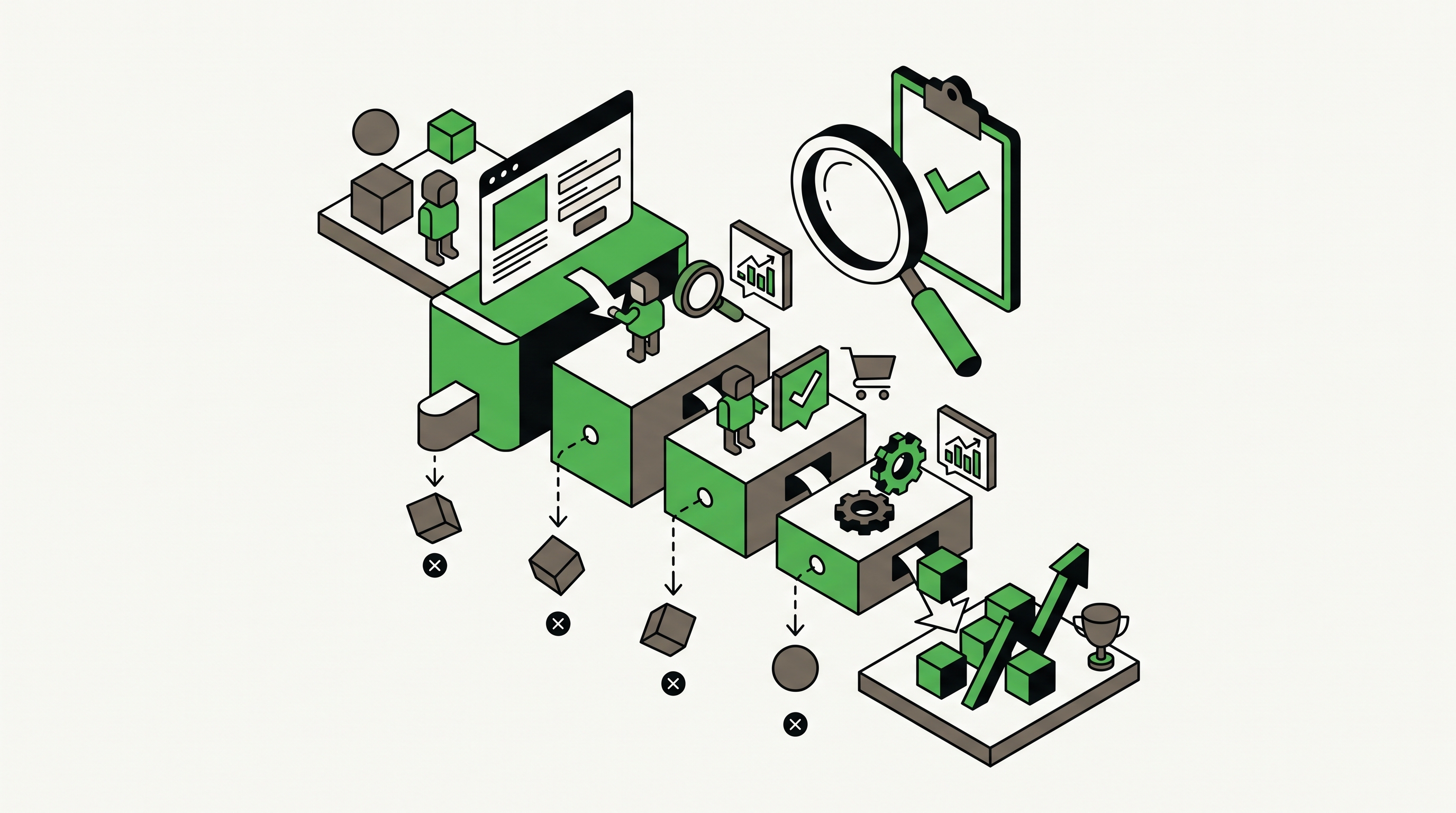
Here is the practical rule: do not raise budget because the platform says you are limited by spend. Raise budget after the funnel proves it can turn more intent into better outcomes.
A simple pre-scale checklist looks like this:
- Conversion tracking reflects qualified actions, not just easy actions.
- Search term waste is under control and negative keywords are current.
- The landing page matches the ad, works on mobile, and makes the CTA obvious.
- Calls and forms are routed fast enough to protect lead quality.
- Cost per qualified lead is stable enough that more spend will not wreck margin.
If you can check all five, higher budget has a real chance to help. If you cannot, the better move is usually to hold spend steady and clean up the funnel first.
That is not the flashy answer, but it is the one that protects profitability. More budget should be a reward for operational clarity, not a substitute for it. If your team wants help finding the leaks before scaling, our paid ads team can audit the account with the landing page, tracking, and lead-quality workflow in view together.