Social media.
A practical guide.
Which platforms to focus on, what content to create, and how to turn followers into customers. The practical version — no vanity-metric advice.
The Reality of Social Media for Small Business
Let’s be honest: social media marketing is overwhelming for small businesses. New platforms emerge, algorithms change, and everyone’s telling you to be on everywhere at once.
The truth is simpler. You don’t need to be on every platform. You need to be where your customers are, with content that actually connects with them.
We’ve helped businesses of all sizes build their social media presence. The businesses that succeed aren’t the ones posting most often or spending the most on ads. They’re the ones who understand their audience and consistently show up with value.
This guide will help you cut through the noise and build a social media strategy that actually works for your business.
Picking the Right Platforms
The biggest mistake small businesses make is trying to be everywhere. You can’t, and you don’t need to. Pick one or two platforms and do them well.
Facebook remains the largest platform with the most diverse demographic. It’s particularly powerful for:
- Local businesses serving older demographics
- Service-based businesses
- Community-oriented brands
- Businesses that benefit from event promotion
Facebook Pages work well for business presence, and Facebook Groups can build incredible community around your brand.
Instagram is visual. It’s perfect for:
- E-commerce and retail
- Restaurants and food businesses
- Photographers, designers, and creatives
- Fitness and wellness brands
- Any business with strong visuals
Instagram Reels have become the primary format for reach, so video production matters here.
LinkedIn is professional. It’s ideal for:
- B2B businesses
- Professional services
- Recruiting-focused companies
- Thought leadership content
Personal profiles often outperform company pages on LinkedIn. Encourage your team to be active.
TikTok
TikTok is younger and more entertainment-focused. It works for:
- Brands targeting Gen Z
- Businesses that can be fun and authentic
- Those willing to commit to regular posting
TikTok rewards authenticity over polish. Behind-the-scenes content often performs better than produced content.
YouTube
YouTube is the second-largest search engine. It’s essential for:
- Educational content
- Tutorials and how-tos
- Product demonstrations
- Brands willing to invest in video production
YouTube takes the most effort but has the longest content lifespan.
How to Choose
Ask yourself two questions:
- Where does my audience spend time?
- What type of content can I create consistently?
The answer to those questions tells you where to focus. Master one platform before adding another.
Creating Content That Connects
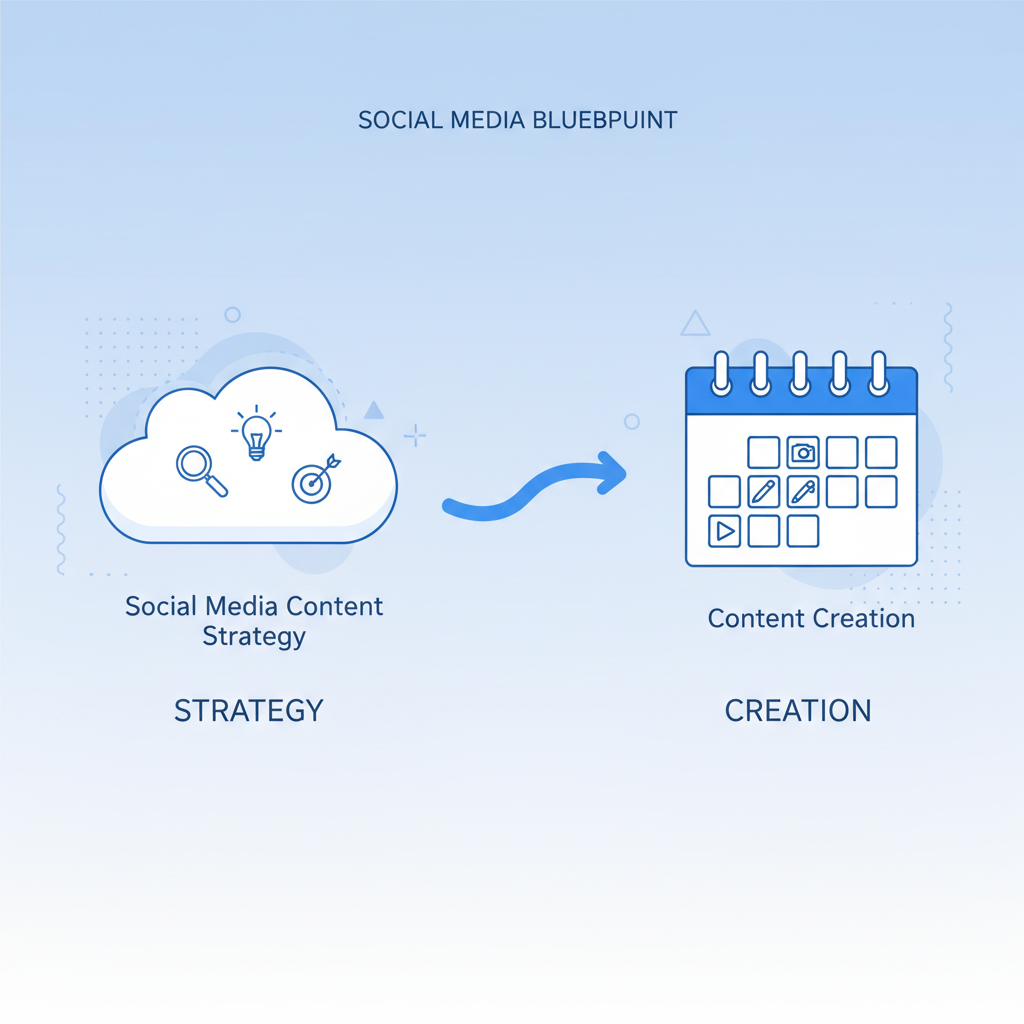
Content is the heart of social media. But not all content is created equal. The goal isn’t to fill a quota; it’s to create posts that resonate with your audience.
The Value-First Approach
Every post should offer something to your audience: useful information, entertainment, inspiration, or connection. Posts that just sell get scrolled past.
Think about what your audience wants to see, not just what you want to tell them.
Content Pillars
Establish three to five content pillars that represent what your social media will focus on. For a restaurant, these might be:
- Food and menu highlights
- Behind-the-scenes kitchen content
- Community and events
- Customer stories
- Special offers
Having pillars keeps your content balanced and helps you plan.
The 80/20 Rule
About 80% of your content should provide value. Only 20% should directly promote your products or services.
People follow you for value, not sales pitches. The promotion comes after you’ve built trust.
Types of Content That Work
Educational posts teach your audience something useful. Tips, how-tos, and industry insights perform well.
Entertaining posts make people smile or think. Humor, surprises, and emotionally resonant content gets shared.
Inspiring posts motivate your audience. Success stories, transformations, and aspirational content builds loyalty.
Community posts celebrate your audience and local connection. User-generated content, customer spotlights, and local events build belonging.
Promotional posts showcase your offers. These should be well-crafted and not dominate your feed.
Building Your Strategy
A scattergun approach to social media wastes time and yields nothing. A strategy gives you direction and lets you measure progress.
Define Your Goals
What do you want from social media? Common goals include:
- Brand awareness
- Lead generation
- Customer engagement
- Community building
- Customer service
- Sales
Your goals determine what you measure and how you prioritize.
Know Your Audience
You can’t connect with everyone. Define who you’re trying to reach:
- Demographics: age, location, gender
- Psychographics: interests, values, pain points
- Behaviors: what they buy, how they buy
The more specific you can be, the better your content will resonate.
Audit Your Competition
Look at what successful competitors are doing. What’s working for them? What’s missing? Where can you differentiate?
This isn’t about copying. It’s about understanding the landscape and finding your angle.
Create a Content Calendar
Planning ahead prevents the “what should I post today?” scramble. A content calendar helps you:
- Maintain consistency
- Plan for events and promotions
- Balance content types
- Coordinate with other marketing
Start with a monthly view, then break it down weekly and daily.

Engagement The Social in Social Media
Social media is two-way communication. If you’re just broadcasting, you’re missing the point.
Responding to Comments
Reply to every comment, especially early on. This signals that you care and encourages more engagement.
Make responses personal, not generic. A simple “Thanks so much!” goes further than copy-paste replies.
Engaging With Others
Don’t just post and disappear. Comment on other accounts, respond to mentions, and participate in conversations.
This builds relationships and increases your visibility.
Building Community
The best social media creates belonging. Encourage user-generated content, run polls and questions, and celebrate your followers.
A engaged community is more valuable than a large passive following.
Handling Negative Comments
Negative feedback happens. Respond professionally and empathetically. Take conversations offline when needed.
Never delete negative comments unless they’re truly inappropriate. Potential customers see how you handle criticism.

Hashtags Finding Your Visibility
Hashtags help people discover your content. Using them strategically expands your reach.
Finding the Right Hashtags
Research hashtags your audience uses. Look at what competitors and industry leaders use. Use tools like Instagram’s hashtag suggestions or dedicated research tools.
Mix popular hashtags with niche ones. Popular tags have huge reach but high competition. Niche tags reach smaller but more targeted audiences.
How Many to Use
Instagram allows up to 30, but quality matters more than quantity. Five to ten well-chosen hashtags beat thirty random ones.
Hashtag Best Practices
- Don’t use banned or flagged hashtags
- Include a mix of broad, medium, and niche tags
- Put hashtags in your caption, not as the first comment
- Create a branded hashtag for your business
Paid Social When to Invest
Organic reach has declined across platforms. At some point, paid social becomes necessary for growth.
When to Start Paid
Before investing in ads, nail your organic presence. Know what content resonates, who your audience is, and what your conversion path looks like.
Paid amplifies what’s working. It can’t fix a broken strategy.
Types of Social Ads
Brand awareness ads build reach and visibility. They’re for people who don’t know you yet.
Engagement ads boost specific posts to increase likes, comments, and shares.
Lead generation ads collect information from interested prospects. Facebook’s lead forms are particularly effective.
Conversion ads drive specific actions on your website: purchases, sign-ups, downloads.
Budgeting
Start small and test. Set clear goals and measure results. Social ads can get expensive quickly if you’re not careful.

Measuring What Matters
Not all metrics matter equally. Focus on the numbers that tie to your goals.
Vanity Metrics vs. Real Metrics
Likes and followers feel good but don’t always translate to business results. Focus on:
- Engagement rate
- Reach and impressions
- Click-through rate
- Leads generated
- Conversions
Platform Analytics
Every platform provides analytics. Learn to read them. Instagram Insights, Facebook Analytics, Twitter Analytics, and YouTube Studio all offer valuable data.
Reporting cadence
Check your analytics weekly for trends, monthly for patterns. Don’t obsess over daily fluctuations.
Common Social Media Mistakes
We’ve seen these mistakes hurt businesses repeatedly. Don’t make them.
Inconsistency
Posting sporadically kills momentum. Algorithms favor accounts that post regularly, and audiences drift away when you disappear.
Better to post less often consistently than a lot then nothing.
Buying Followers
Purchased followers are bots and fake accounts. They don’t buy things, engage, or help your business. And platforms can detect and penalize fake followers.
Build your following organically.
Ignoring One Platform for Another
Every platform has different rules and audiences. What works on Instagram might flop on LinkedIn. Tailor your approach, don’t copy-paste.
Not Having a Voice
Your brand needs personality. Be consistent in tone and style across posts. People should recognize your content before they see your logo.
Chasing Trends Blindly
Trends can boost visibility, but not every trend fits every brand. Participate in trends that align with your values and audience.
Getting Started
Social media doesn’t have to be overwhelming. Start simple and build from there.
- Choose one platform where your audience spends time
- Set up a complete, optimized profile
- Define three to five content pillars
- Plan your first month’s content
- Post consistently and engage with your audience
- Measure what works and adjust
The businesses that succeed on social media are the ones who show up consistently and genuinely connect with their audience. That’s achievable for any business willing to put in the work.
Need help building your social media strategy? We’re here to help. Let’s talk. For more on content, see our Content Marketing Playbook. For paid social options, check Paid Media Optimization.