SEO for small business.
What actually works in 2026.
A field guide from a marketing agency that's been doing SEO since 1998 — before YouTube, before the iPhone, before social media existed.
Introduction: Why Listen to Us?
We’ve been doing SEO since 1998.
Let that sink in. When we started, Google had just launched. There was no YouTube, no iPhone, no social media. SEO meant meta keywords, keyword density formulas, and submitting your site to directories.
Since then, we’ve watched this industry reinvent itself a dozen times. We’ve adapted through every major algorithm update: Panda, Penguin, Mobilegeddon, Medic, Helpful Content, and now AI Overviews. We’ve used tactics that were industry standard at the time and evolved when Google changed the rules.
We’ve done it all:
- Article directory submissions (when that worked)
- Keyword-specific microsites and domain networks (when that worked)
- Private blog networks (when that worked)
- Hidden content positioned off-screen (when that worked)
We’re not embarrassed by that history. That was SEO. Everyone who’s been in this industry long enough did those things, or they weren’t competitive. The difference is whether you evolved or got left behind.
We evolved.
Today, our philosophy is simple: follow Google’s guidelines, create genuine value, and build for the long term. The tactics have changed completely. The fundamentals, helping people find what they’re looking for, never have.
The Results Speak for Themselves
World Gym - National fitness franchise
- Results: Took over a stagnant site → grew to 39,000+ ranking keywords
Sector 9 - E-commerce / Action sports
- Results: Inherited flat performance → built to 11,000+ keywords with 687 in Top 3
Seasons in Malibu - Addiction treatment & mental health
- Results: Sustained growth in one of the most competitive verticals in SEO
LA Roofing Materials - Local B2B
- Results: Patient build → breakout growth, nearly tripled keyword footprint in 6 months
We’ve worked with national brands and local businesses. E-commerce and service providers. The “easy” niches and YMYL healthcare where Google scrutinizes everything.
And yes, we’ve heard “SEO is dead.”
We heard it after Panda killed content farms. After Penguin destroyed link schemes. After featured snippets started “stealing” clicks. After ChatGPT launched and everyone panicked about AI search.
SEO has “died” about 15 times since we started. And yet our clients are still getting traffic. Leads are still coming in. Revenue is still being generated from organic search.
The Truth About SEO in 2026
SEO isn’t dead. Lazy SEO is dead. Shortcut SEO is dead. Set-it-and-forget-it SEO is dead. Real SEO, the kind that takes patience, adapts to change, and focuses on genuine value, is very much alive.
This guide will show you how it works.
How Search Engines Actually Work: The Non-Technical Version
Before we get into tactics, you need to understand the basics of what search engines do. Don’t worry. This isn’t a computer science lecture. Think of it like understanding how a car works before you learn to drive.
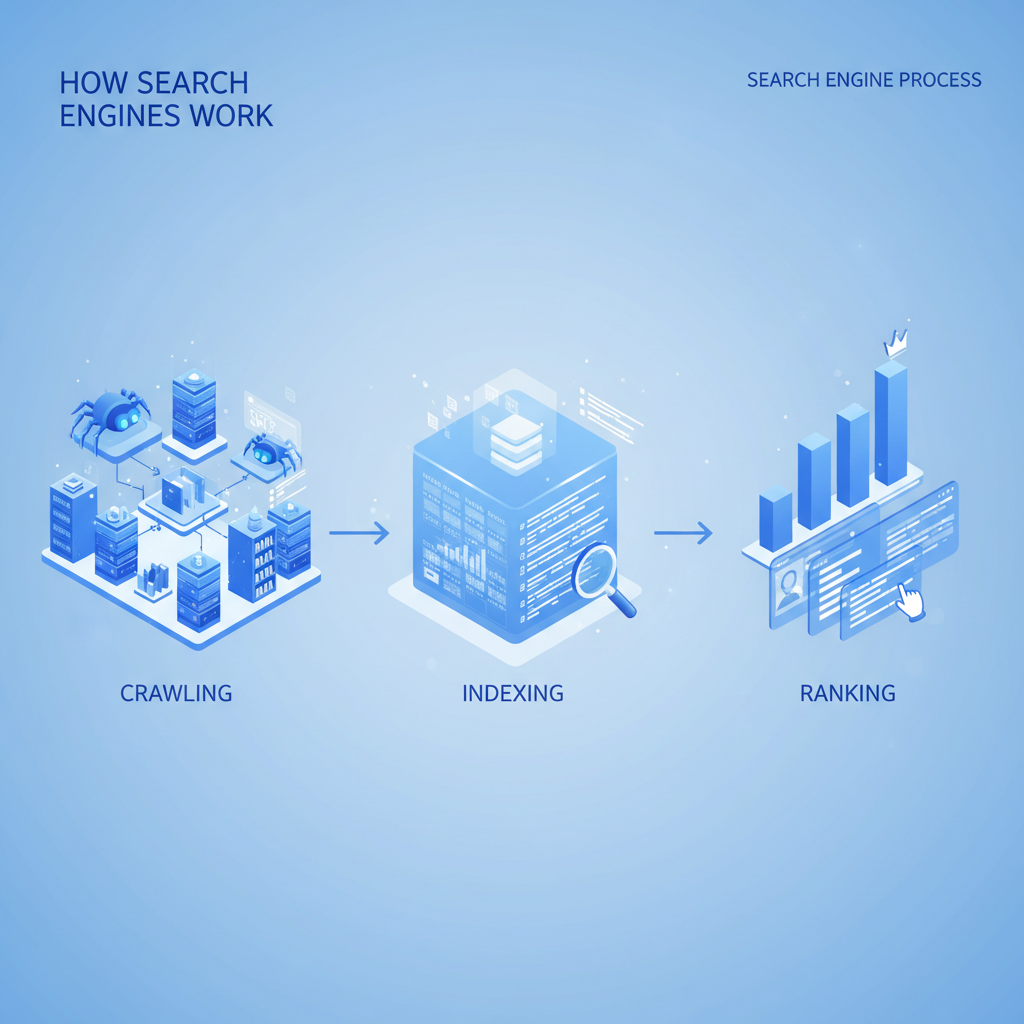
Search engines do three things:
1. Crawling: Discovering Your Website
Google uses automated programs called “crawlers” or “spiders” (Googlebot is theirs) that constantly scan the internet, following links from page to page, discovering new and updated content.
Think of it like a librarian who walks through every aisle of a massive library, noting what books exist and where they’re located.
What this means for you: If Google can’t crawl your site due to technical errors, broken links, or blocking instructions in your code, it can’t index or rank you. You’re invisible.
2. Indexing: Understanding and Storing Your Content
Once Google finds your pages, it analyzes them: reading the text, looking at images, understanding what the page is about, and stores this information in a massive database called the index.
The librarian has now cataloged every book, noting the subject, author, and key topics, so they can retrieve it later.
What this means for you: Your content needs to be clear about what it’s about. If Google can’t understand your page, it won’t know which searches to show it for.
3. Ranking: Deciding Who Shows Up First
When someone searches, Google looks through its index and uses over 200 ranking factors to decide which pages best answer that query, and in what order.
Someone walks into the library and asks for “the best book on Italian cooking for beginners.” The librarian considers every cookbook they’ve cataloged and recommends the best matches, in order of relevance and quality.
What this means for you: This is where the competition happens. Everyone wants to be the first recommendation. SEO is essentially the practice of convincing Google that your page deserves that top spot.
The Four Pillars of SEO: Where the Work Happens
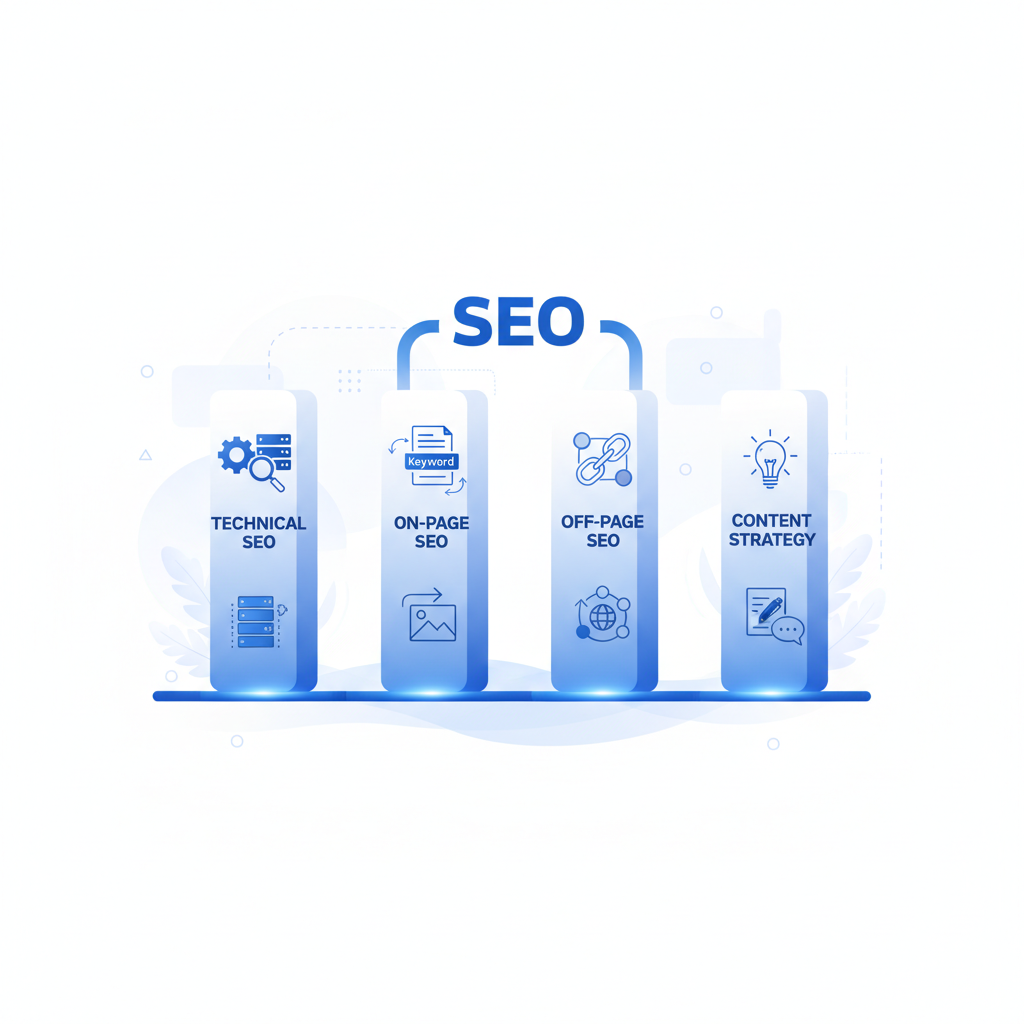
All SEO work falls into four categories. You need all four working together, like legs on a table.
1. Technical SEO: The Foundation
This is the “health” of your website from a search engine’s perspective. Can Google access, crawl, and understand your site without issues?
Key factors include:
- Site speed and performance – Slow sites frustrate users and get penalized (test with PageSpeed Insights)
- Mobile-friendliness – Over 60% of searches happen on phones
- Secure connection (HTTPS) – Security is a ranking factor
- Clean site architecture – Logical structure helps crawlers navigate
- No broken links or errors – 404s and server errors hurt your credibility
- Proper indexing directives – Telling Google what to index and what to ignore
A Real-World Example
We once had a client whose site was hacked repeatedly. Despite our best efforts to clean it up, the site kept getting reinfected. Eventually, Google de-indexed them entirely. They disappeared from search results completely. It took six months of remediation, security overhauls, and reconsideration requests to get them back in Google’s index. Technical SEO isn’t glamorous, but when it goes wrong, nothing else matters.
2. On-Page SEO: Optimizing Your Content
This is what most people think of when they hear “SEO”: the content on your pages and how it’s structured.
Key elements:
- Title tags – The headline that appears in search results (keep under 60 characters)
- Meta descriptions – The preview text under your title (keep under 155 characters)
- Header structure (H1, H2, H3) – Organize your content logically
- Keyword usage – Include relevant terms naturally, especially in titles and headers
- Content quality – Does your page actually answer what someone is searching for?
- Internal linking – Connect related pages on your site
- Image optimization – Descriptive file names, alt text, compressed file sizes
The Philosophy Shift
In the old days, we’d calculate keyword density percentages. We’d stuff keywords into every possible spot. We’d even hide keyword-loaded text off-screen using CSS positioning. That approach is long dead and will get you penalized today. Modern on-page SEO is about clarity, relevance, and user experience. Write for humans. Make sure Google understands what you’re writing about. Those two goals are now aligned. Tools like Screaming Frog can help audit your on-page elements.
3. Off-Page SEO: Building Authority
Off-page SEO is everything that happens outside your website that affects your rankings, primarily links from other websites pointing to yours.
Google treats links like votes of confidence. If reputable sites link to you, it signals that your content is trustworthy and valuable.
What works today:
- Earning links through great content – Create something worth referencing
- Digital PR – Get mentioned in news outlets, industry publications
- Guest posting on legitimate sites – Contribute genuine expertise
- Building real relationships – Network with others in your industry
- Local citations – For local businesses, consistent NAP (Name, Address, Phone) across directories
What we used to do (that doesn’t work anymore):
We ran private blog networks. We built keyword-specific microsites designed purely to pass link equity. We submitted to hundreds of article directories. At the time, everyone was doing it because it worked.
Then Penguin hit in 2012 and wiped out sites that had relied on these tactics. The game changed overnight.
Today, link building is about earning, not manufacturing. It’s slower. It’s harder. And it’s the only approach that lasts.
4. Content Strategy: The Long Game
Content is what you’re actually asking Google to rank. Without valuable, relevant content, there’s nothing to optimize. For comprehensive strategies, see our Content Marketing Playbook. For AI search, check out our GEO Guide. To learn about paid options, see Paid Media Optimization.
A solid content strategy includes:
- Keyword research – Understanding what your customers actually search for
- Search intent matching – Knowing whether someone wants information, a product, or a local service
- Content depth – Covering topics thoroughly enough to be the best result
- Regular publishing – Fresh content signals an active, maintained site
- Content updates – Revising old content to keep it current and accurate
How Long Does SEO Take? Real Expectations from Real Experience
This is the question every business owner asks first, and the answer nobody wants to hear.
SEO takes time. Usually 6-12 months before significant results.
Here’s why:
- Google needs to crawl and index your changes
- Trust is built gradually through consistent signals over time
- Competition doesn’t sit still. You’re hitting a moving target (use Google Trends to monitor trends)
- Backlinks take time to earn and accumulate
- Content needs time to be discovered and shared
What We’ve Seen Across Different Scenarios
The “Slow Build, Then Breakout” Pattern
With LA Roofing Materials, the first 12+ months were relatively flat. Not much visible movement. It would’ve been easy to get discouraged. But the foundation was being laid: technical fixes, content building, authority accumulation. Then around mid-2026, the curve bent upward and growth accelerated rapidly. Nearly tripled their keyword footprint in six months once momentum kicked in.
The “Steady Climb” Pattern
Seasons in Malibu showed more consistent, visible growth from earlier on. In an extremely competitive space (rehab and mental health), we saw steady gains month over month. There were dips. Algorithm updates hit, rankings shuffled. But the overall trajectory stayed upward because the fundamentals were solid.
The “Inherited Stagnation” Pattern
Both World Gym and Sector 9 had existing websites that weren’t gaining any traction. Two years of flat performance before we took over. Then the growth started. World Gym eventually reached 39,000+ ranking keywords. Sector 9 topped 11,000 with nearly 700 in the Top 3.
The point: every situation is different, but patience is non-negotiable. Anyone promising page-one rankings in 30 days is either lying or using tactics that will eventually backfire.
Understanding Search Intent: The Key to Modern SEO
This concept separates amateur SEO from professional SEO.
Search intent is the why behind a search query. What does the person actually want when they type those words?
Google has gotten remarkably good at understanding intent, and they reward pages that match it. You can have perfect on-page optimization and strong backlinks, but if your page doesn’t satisfy the intent behind a query, you won’t rank.
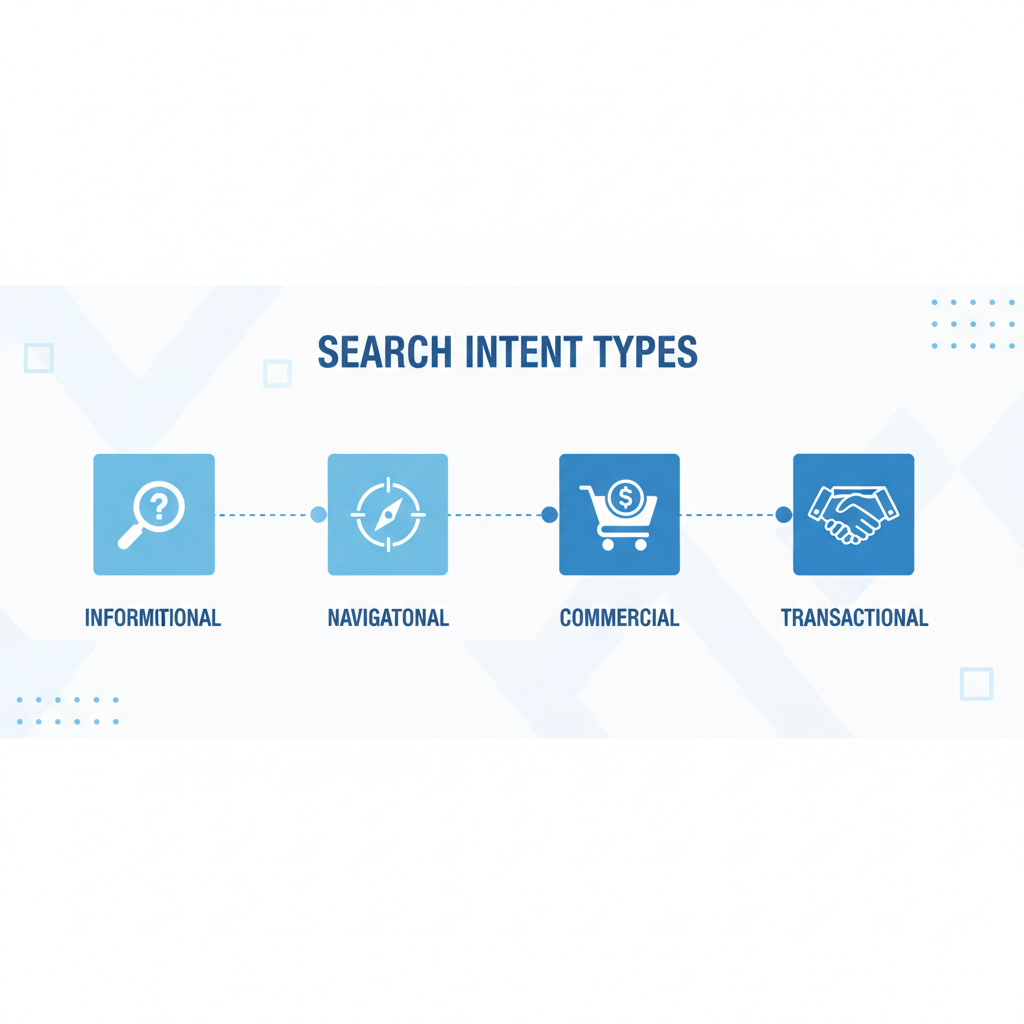
The Four Types of Search Intent
1. Informational Intent
The searcher wants to learn something.
- “How does SEO work”
- “What is compound interest”
- “Why do cats purr”
What ranks: Blog posts, guides, tutorials, explainer videos, Wikipedia-style content
2. Navigational Intent
The searcher wants to go to a specific website.
- “Facebook login”
- “Emarketed”
- “Nike official site”
What ranks: The homepage or relevant page of the brand they’re looking for
3. Commercial Intent
The searcher is researching before a purchase decision.
- “Best CRM for small business”
- “iPhone vs Samsung comparison”
- “Best AEO agencies in Los Angeles”
What ranks: Comparison posts, reviews, “best of” lists, buying guides
4. Transactional Intent
The searcher is ready to take action: buy, sign up, download.
- “Buy running shoes online”
- “SEO audit service pricing”
- “Download free invoice template”
What ranks: Product pages, service pages, landing pages with clear CTAs
How to Apply This
Before creating any page, ask: “What does someone searching this term actually want?” Then look at what’s currently ranking for that term. Google is showing you the answer. If the top results are all blog posts, don’t try to rank a product page. If they’re all comparison charts, don’t publish a 3,000-word essay. Match the intent, then be better than what’s already there.
Local SEO: Different Rules for Local Businesses
If you serve customers in a specific geographic area, local SEO is its own discipline with its own rules.
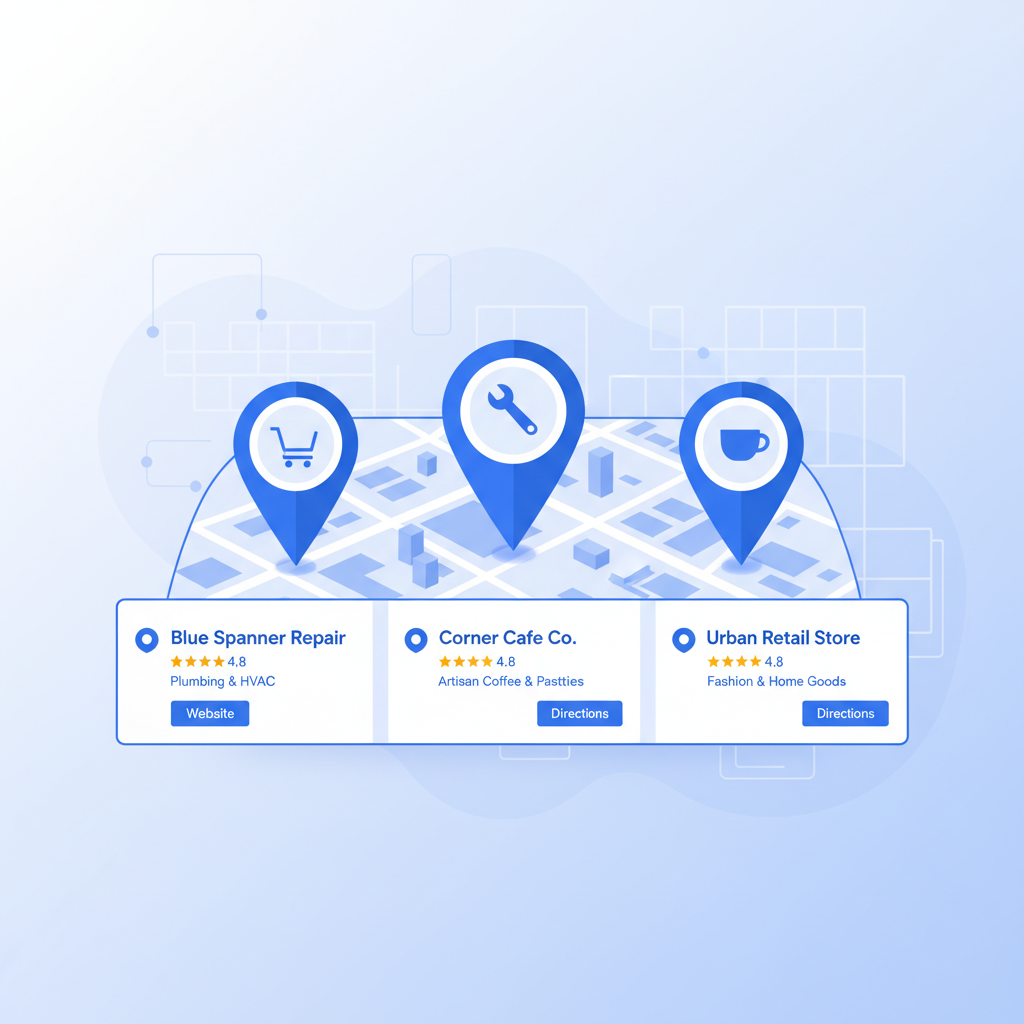
The local pack (those 3 business listings with a map that appear for “near me” searches) operates on different ranking factors than standard organic results.
Key Local SEO Factors
1. Google Business Profile (GBP)
This is the foundation of local SEO. Claim your listing, complete every field, choose accurate categories, add photos, and keep your information updated.
2. NAP Consistency
Your Name, Address, and Phone number should be identical everywhere: your website, GBP, Yelp, Facebook, industry directories. Inconsistencies confuse Google and hurt your rankings.
3. Reviews
Both quantity and quality matter. Actively encourage happy customers to leave Google reviews. Respond to all reviews, positive and negative, professionally.
4. Local Content
Create content relevant to your area. Mention neighborhoods, landmarks, and local events naturally. Show that you’re actually part of the community.
5. Local Link Building
Links from local news sites, chambers of commerce, community organizations, and other local businesses carry extra weight for local rankings.
Pro Tip from Experience
For businesses like LA Roofing Materials, local SEO and traditional SEO work together. They’re not just trying to rank for “roofing materials.” They’re trying to rank for “roofing materials Los Angeles,” appear in the local pack, and capture nearby contractors searching for suppliers. Different queries, different strategies, same overall goal.
Content That Ranks: What Google Actually Wants
Forget word counts and keyword percentages. Here’s what actually matters for content in 2026:
1. Experience, Expertise, Authority, Trust (E-E-A-T)
Google wants to surface content from people who know what they’re talking about.
- Experience – Have you actually done the thing you’re writing about?
- Expertise – Do you have credentials or deep knowledge?
- Authority – Does your site have a reputation in this space?
- Trust – Is your site secure, accurate, and transparent?
This matters even more for YMYL (Your Money or Your Life) topics: health, finance, legal, safety. That’s why ranking for addiction treatment terms (like Seasons in Malibu) is so competitive. Google heavily scrutinizes who they show for those searches.
2. Genuine Value Over Length
A 500-word page that perfectly answers a question will outrank a 3,000-word page of fluff. Depth matters when the topic requires it. Brevity matters when it doesn’t.
Ask: “After reading this, will someone have what they need?” If yes, you’re done. If not, keep writing.
3. Original Insight
With AI-generated content flooding the internet, original perspective is more valuable than ever. What do you know from experience that others don’t? What patterns have you seen? What can you teach that isn’t just rephrased from other sources?
This guide, for example, isn’t just SEO theory. It includes real examples from real clients across decades of actual work. That’s the kind of originality that stands out. Learn how to build comprehensive topic authority in your niche.
4. Structure and Scannability
People don’t read web pages like books. They scan.
- Use clear headers
- Break up text with bullet points
- Lead with the most important information
- Use short paragraphs
- Include visuals where helpful
Google measures user engagement. If people land on your page and immediately leave, that’s a signal that your content isn’t meeting their needs.
Measuring SEO Success: KPIs That Matter
You can’t manage what you don’t measure. Here’s what to track:
Primary Metrics
- Organic Traffic – How many visitors come from unpaid search results. The most fundamental SEO metric.
- Keyword Rankings – Where you appear for target terms. Track trends over time, not daily fluctuations.
- Conversions from Organic – Traffic is meaningless if it doesn’t lead to business outcomes: leads, sales, signups. Connect your SEO efforts to actual revenue.
Supporting Metrics
- Click-Through Rate (CTR) – The percentage of people who see your listing and click. Low CTR might mean your title and description need work.
- Bounce Rate / Engagement – Are people staying on your pages or leaving immediately? High bounce rates can indicate intent mismatch or poor content.
- Indexed Pages – How many of your pages are in Google’s index. Track for any unexpected drops.
- Backlink Profile – Monitor new links earned and watch for spammy links that could cause problems.
Tools to Use
- Google Search Console (free) – Your direct line to Google
- Google Analytics (free) – Traffic and user behavior data
- SEMrush, Ahrefs, or Moz (paid) – Keyword tracking, competitor analysis, backlink monitoring
Stay Organized: Download our free KPI Dashboard Template to track these metrics consistently and visualize your SEO progress over time.
Common SEO Mistakes We Still See
After 24 years, these are the patterns that keep showing up:
1. Impatience
Giving up on SEO after 3 months because “it’s not working.” You haven’t even completed one cycle yet. SEO is a marathon, not a sprint.
2. Chasing Shortcuts
Looking for tricks instead of building real value. Every shortcut eventually becomes a penalty. We know. We used them all in the early days.
3. Ignoring Technical Health
Spending money on content and links while your site loads slowly, has crawl errors, and isn’t mobile-friendly. Fix the foundation first. Our SEO & GEO Audit Checklist covers 75 technical and content optimization points.
4. Keyword Obsession Over Intent Obsession
Stuffing keywords instead of asking what searchers actually want. Write for humans. Include keywords naturally. That’s it.
5. Set-It-And-Forget-It Mentality
Treating SEO as a project instead of an ongoing process. Your competitors aren’t stopping. Google’s algorithm isn’t stopping. You can’t stop either.
6. Not Tracking Results
Flying blind without analytics. If you don’t know what’s working, you can’t do more of it.
7. Hiring Based on Price Alone
The cheapest SEO provider is cheap for a reason. Either they’re outsourcing to people with no experience, using risky tactics, or simply not doing much at all.
How to Choose an SEO Partner
If you’re evaluating agencies or consultants, here’s what to look for:
Green Flags
- Transparency – They explain what they’ll do and why
- Realistic timelines – 6-12 months, not “page one in 30 days”
- Case studies – They can show results from actual clients
- Clear reporting – You’ll know what’s happening and what it means
- Focus on business outcomes – Rankings are means, not ends
- Long track record – Experience through multiple algorithm updates
- Asks questions about your business – Not just your budget
Red Flags
- Guaranteed rankings – No one can guarantee Google’s behavior
- Secret methods – If they won’t explain it, it’s probably risky
- Buying links in bulk – Will hurt you long-term
- Contracts with no deliverables – What are you actually paying for?
- No reporting or unclear reporting – What are they hiding?
- High-pressure sales tactics – Desperation isn’t a good sign
The Future of SEO: What’s Coming
SEO has survived every change so far. Here’s what we’re watching:
AI in Search Results
Google’s AI Overviews (SGE) are changing how results appear. For some queries, users get AI-generated answers before organic listings. What this means: position zero matters more than ever, and being the source AI pulls from is the new competition.
Zero-Click Searches
More searches now get answered directly on the results page: weather, calculations, definitions. For these queries, winning means getting your content into the featured snippet or knowledge panel.
Voice Search
“Hey Google, find me a plumber near me” is common now. Voice searches tend to be longer, more conversational, and often local. Optimization means answering questions the way people actually ask them.
User Experience as a Ranking Factor
Page experience signals: Core Web Vitals, mobile usability, interactivity, are baked into rankings. Fast, smooth, mobile-friendly sites have an edge.
E-E-A-T for Everything
As AI content proliferates, Google will lean harder on trust signals. Who wrote this? What’s their experience? Why should we believe them? Real expertise will become more valuable, not less. (Learn more about optimizing for AI-powered search engines.)
Wrapping It Up: What Hasn’t Changed Since 1998
Tactics have changed completely. Here’s what hasn’t:
- People use search engines to find answers. That was true in 1998. It’s true in 2026.
- Google wants to show the best answer. Their definition of “best” has evolved, but the goal hasn’t.
- You earn rankings by being the best answer. The methods for proving that have changed. The core truth hasn’t.
- There are no permanent shortcuts. Every loophole closes. Every trick stops working. Every easy win becomes a penalty. The only sustainable approach is creating genuine value.
- Patience wins. It took Sector 9 two years of flat performance before the curve bent upward. It took LA Roofing Materials over a year before breakout growth. The businesses that succeed at SEO are the ones that don’t quit.
We’ve been doing this for over two decades. We’ve seen tactics come and go. We’ve adapted through every major algorithm change. We’ve survived the “SEO is dead” declarations that come every few years.
SEO isn’t dead. It’s just different. And if you’re willing to do the work, be patient, and build something real, it works as well as it ever has.