Content marketing.
Built to compound.
Strategies for creating, distributing, and measuring content that drives results — and builds the trust ecosystem that makes everything else easier.
What This Guide Is About
Content marketing is how businesses build trust with potential customers before those customers ever reach out. It’s the blog post someone finds when they’re researching a problem. The video that explains how a product works. The email that reminds them you exist.
We’ve been doing digital marketing for over two decades, and the fundamentals haven’t changed: people want helpful, honest information from sources they can trust. What’s changed is how that information gets found, how it’s produced, and how much noise you’re competing against.
This guide covers how content marketing actually works. Not the theoretical version, but the practical one. We’ll talk about what’s changed in the last few years (including AI), what hasn’t changed at all, and how different types of businesses approach this differently.
Whether you’re a DTC brand trying to stand out in a crowded market, a treatment center helping families find the right care, or a professional services firm looking to get in front of more clients, the principles are the same. The execution is where it gets specific.
The Relationship Between SEO and Content
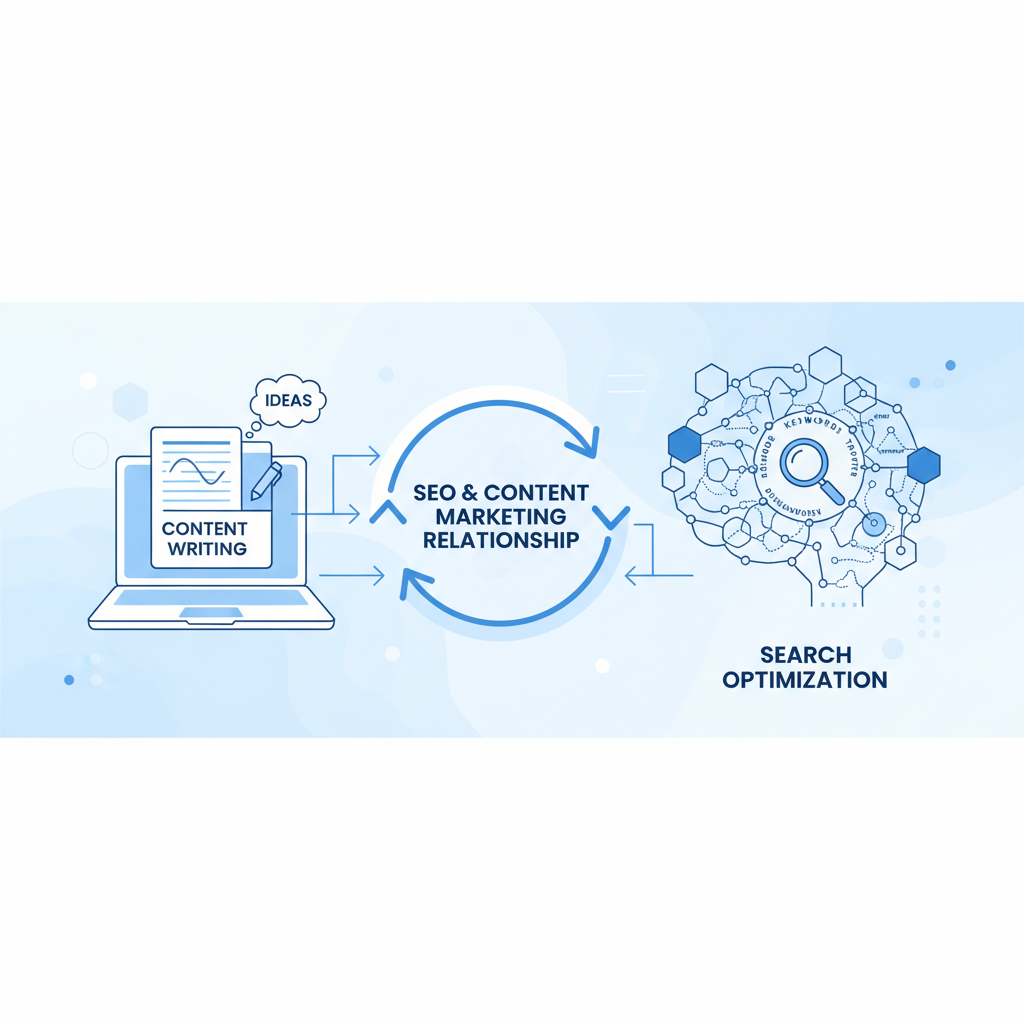
Here’s something that gets lost in marketing conversations: you can’t do SEO without content. There’s nothing to optimize if there’s nothing on the page.
When people say they want to “invest in SEO,” what they’re really investing in is content that’s structured to rank. That means:
- Writing pages that answer the questions people are actually searching for
- Organizing your site so search engines understand what it’s about
- Building enough depth on a topic that Google sees you as a credible source
The technical stuff matters: site speed, mobile experience, proper tagging. But that’s table stakes. The thing that actually moves rankings is having something worth ranking.
How Search Has Changed
Google has gotten significantly better at understanding what a page is actually about, not just what keywords it contains. The old approach of stuffing keywords and building sketchy backlinks doesn’t work anymore, and honestly, it shouldn’t.
What Google is looking for now falls under what they call E-E-A-T: Experience, Expertise, Authoritativeness, and Trustworthiness. In plain terms:
- Experience: Has the person writing this actually done the thing they’re writing about?
- Expertise: Do they know what they’re talking about?
- Authoritativeness: Is this site recognized as a legitimate source on this topic?
- Trustworthiness: Can users trust this content and this business?
Why E-E-A-T Matters for Certain Industries
If you’re a treatment center writing about addiction, Google wants to know that content is coming from people who actually work in that field, not a content mill churning out generic articles. For brands like Seasons or Inspire Malibu, the content we create isn’t just optimized for keywords. It’s reviewed and approved by clinical staff. It has real authors attached to it. It’s accurate and helpful, not just designed to get clicks.
Content for Different Search Intents
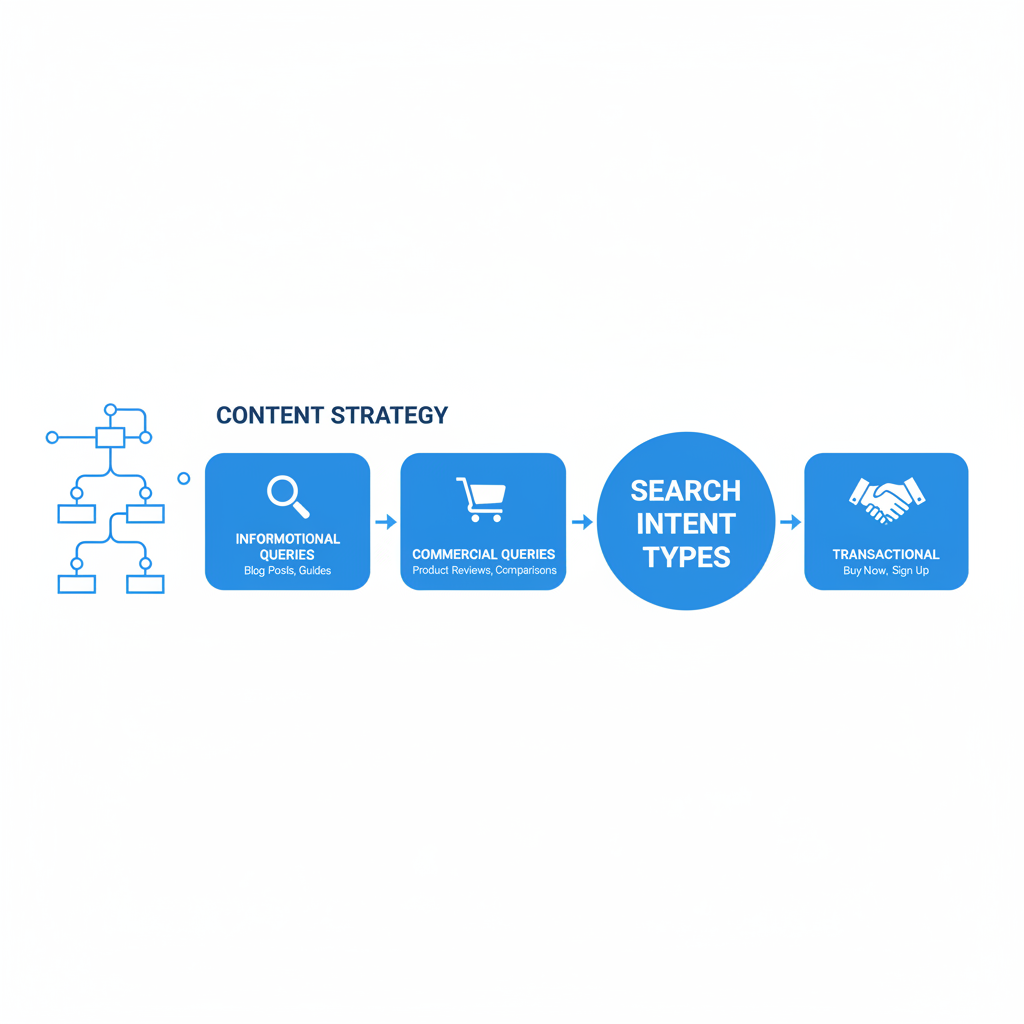
Not all searches are created equal. Someone typing “buy skateboard helmet” is ready to purchase. Someone typing “do I really need a helmet for skating” is still figuring things out.
Your content strategy needs to address both:
Informational Content
Answers questions and builds awareness. For a DTC brand like Nutcase Helmets or Sector 9, this might be content about choosing the right gear, safety tips, or the culture around the sport. For a treatment center, it’s often content that helps families understand what they’re seeing: why their loved one is behaving a certain way, what the signs of a problem are, what options exist.
This content typically lives on a blog or resources section. It’s not going to convert visitors immediately, but it gets people to your site who wouldn’t have found you otherwise.
Commercial Content
Closer to the transaction. Product pages, service pages, landing pages for specific programs. This is where you’re making the case for why someone should choose you.
Transactional Content
Optimized for people ready to act. For e-commerce, that’s product listings designed for Shopping ads. For services, it’s contact pages and intake forms that remove friction.
Getting the Mix Right
A good content strategy covers all three types, but the mix depends on your business. E-commerce tends to weight toward commercial and transactional. Treatment centers and professional services often need more informational content because the decision-making process is longer and more emotional.
How AI Fits Into Content Marketing
Let’s talk about this directly, because it’s what everyone’s wondering about.
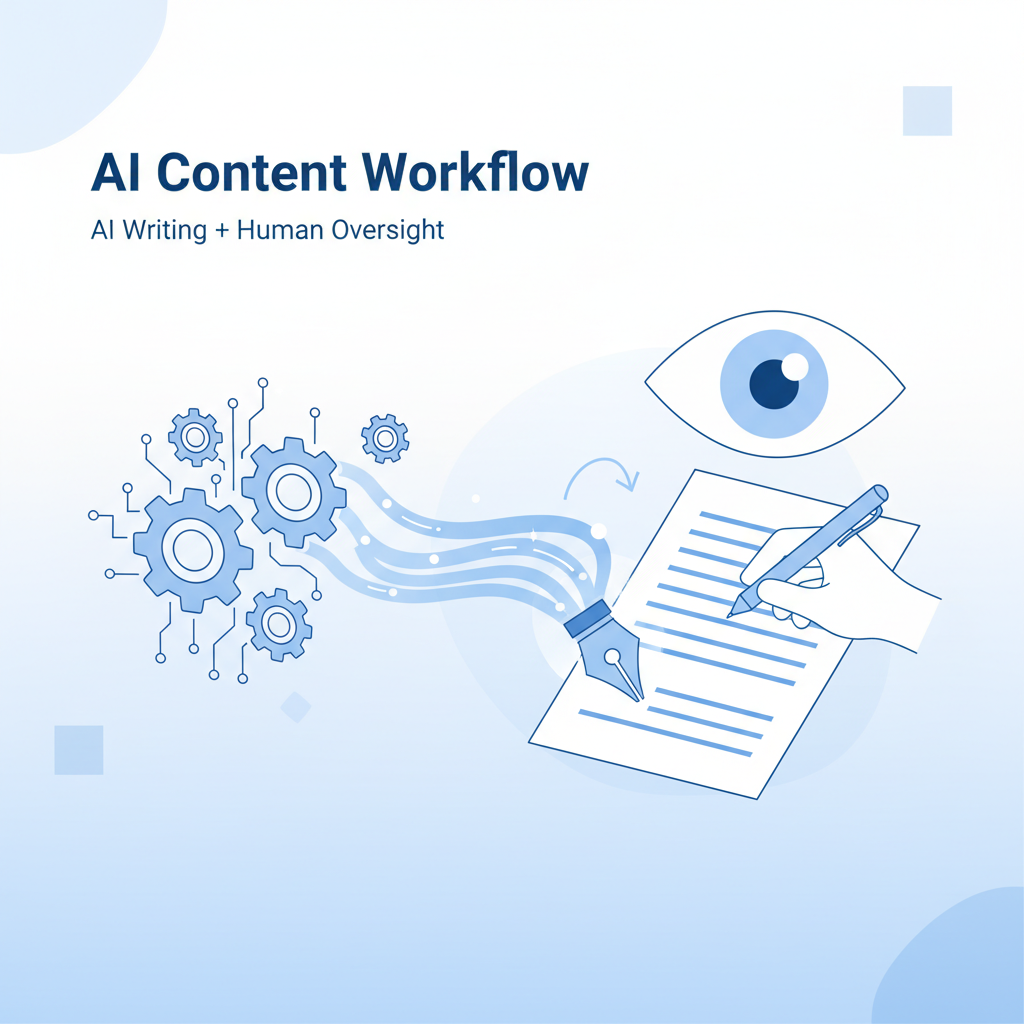
Yes, we use AI tools to help with content. We use Claude, ChatGPT, and other tools as part of our workflow. Here’s how we actually use them:
- Research and ideation: Finding related topics, understanding what questions people ask, identifying gaps in existing content
- First drafts and outlines: Getting a structure down faster so we can focus on making it actually good
- Editing and refinement: Checking for clarity, consistency, and completeness
- Custom prompts for each client: We build client-specific context so the AI understands the brand, the tone, and the constraints
- LLMs.txt files: We create these for clients to give AI tools accurate information about the business
What We Don’t Do
Publish AI-generated content without human review. Use AI to crank out cheap content at volume. Pretend AI wrote something that a person wrote, or vice versa. This approach follows Google’s guidelines, which are pretty sensible: they don’t ban AI content, but they do penalize low-quality content regardless of how it was made. The question isn’t “was this made with AI?” It’s “is this actually helpful?”
Why Human Oversight Matters
AI is good at certain things and bad at others. It’s good at synthesis: pulling together information that exists elsewhere. It’s good at structure and consistency. It’s fast.
It’s not good at original insight. It doesn’t have real experience. It can sound confident while being completely wrong. And it has a tendency toward generic, safe, forgettable writing.
For content that’s meant to build trust, that matters. If someone is researching treatment options for a family member, they need accurate information from people who actually understand the field. Ken Seeley’s content has credibility because it’s connected to someone with real experience in intervention work. That can’t be faked with AI.
For DTC brands, authenticity matters too. Seaside Surf Shop has an actual perspective on surf culture. Sector 9 has a point of view on skating. The content that works isn’t interchangeable with what any other brand could publish; it sounds like them.
That’s the human part. AI can help with the mechanics, but the voice, the expertise, and the judgment have to come from people.
Our AI Content Engine
For clients who want to scale content production without sacrificing quality, we’ve built an AI content engine that systematizes this approach. It’s not a “push button, get content” tool. It’s a structured workflow that combines AI efficiency with human expertise.
The system uses custom prompts tuned to your brand, pulls from your LLMs.txt file for accuracy, and routes everything through human review before anything goes live. You get more content, faster, without the quality problems that come from pure AI generation.
To organize your content production process, download our AI Content Calendar template to plan topics, track deadlines, and coordinate your content across channels.
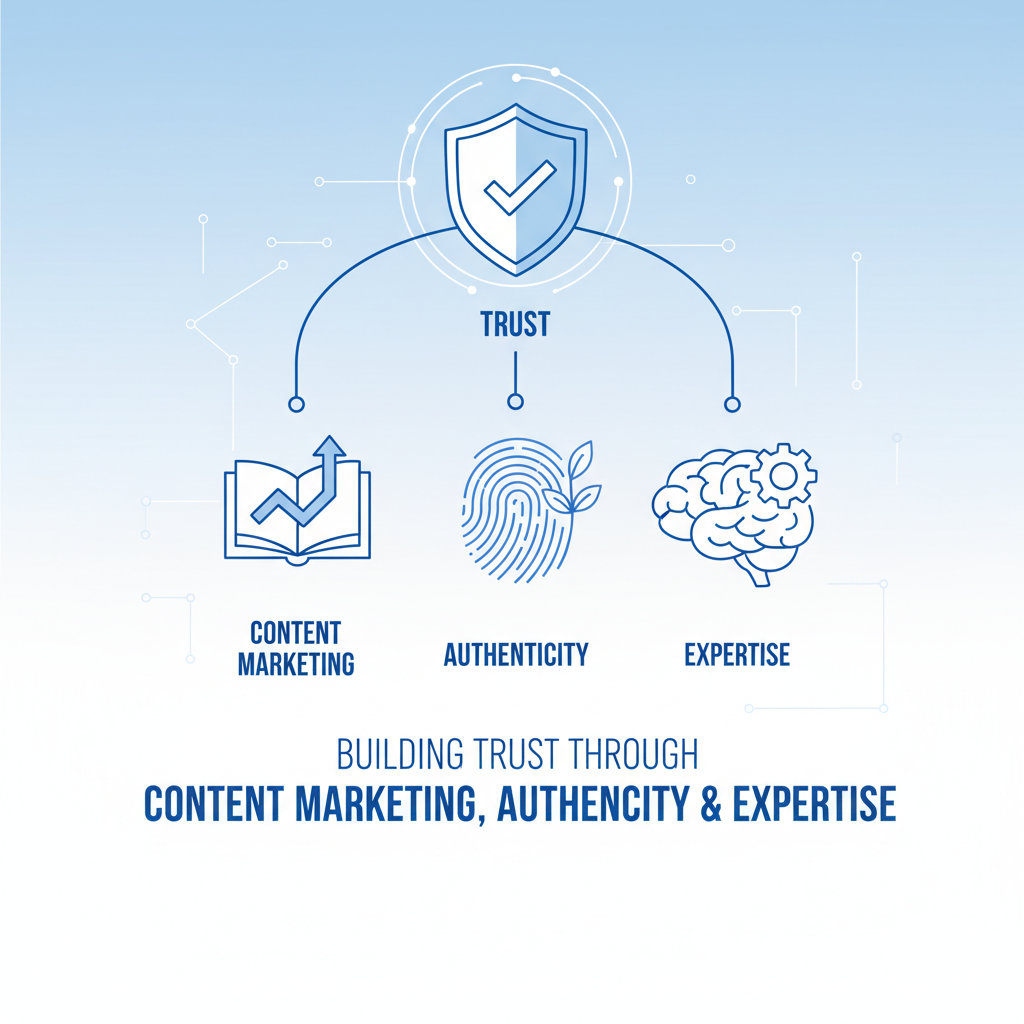
Building Trust Through Content
Marketing has always been about trust, but the way trust gets built has shifted. People are more skeptical of advertising. They research before they buy. They look for social proof, reviews, and evidence that you’re legitimate.
Content is how you build that evidence over time.
The Long Game
Here’s the thing about content marketing that some businesses struggle with: it’s not fast. Running Google Ads can get you traffic tomorrow. Content marketing is a slower burn.
But the economics are different. Paid traffic stops when you stop paying. Content accumulates. A blog post you publish today can still drive traffic three years from now. The investment compounds.
For brands like Pro-Tec or SixSixOne, evergreen content about helmet safety, gear maintenance, or sport-specific tips continues to bring in organic traffic month after month. That’s traffic you don’t have to pay for again.
For treatment centers, educational content ranks for searches that happen every day: people looking to understand addiction, mental health conditions, or how to help someone they love. That visibility builds over time.
Authenticity and Expertise
This comes back to E-E-A-T, but it’s worth saying plainly: the content that works best is content that could only come from you.
What do you know that your competitors don’t? What experience do you have that informs your perspective? What opinions do you hold that might be slightly different from the generic industry take?
REI’s content works because it reflects genuine outdoor expertise. Patagonia’s content works because they have a genuine point of view on environmental issues. Yeti’s content works because they understand their customer’s lifestyle in a specific way.
You don’t have to be those brands to apply the same principle. It just means digging into what makes your business different and letting that come through in what you publish.
For Spencer Recovery, that might mean content informed by their specific treatment philosophy. For a DTC brand like Blind or Enjoi, it might mean content that reflects the irreverent skate culture those brands grew up in.
Having Real Authors
One of the most practical things you can do for content credibility is attach real names to it. Not a faceless brand byline. Actual people on your team.
This signals expertise to Google (the E-E-A-T thing again), but more importantly, it signals credibility to humans. When someone reads an article about intervention strategies and sees it’s written by someone with actual experience in that field, that means something.
We typically work with our clients to identify staff members who can serve as authors, give feedback on content, and lend their expertise to what we’re creating. It’s a collaboration, not just an outsourced content factory.
Content Across Channels
Content marketing isn’t just blog posts. It’s everything you put out there that isn’t a direct advertisement.
Email Marketing
Email is still one of the highest-ROI channels when it’s done right. The key is actually having something to say.
For e-commerce, that means more than just “here’s 15% off.” It’s product stories, usage tips, behind-the-scenes content. Brands like Hint Mint or QuikShade can use email to stay in front of customers between purchases without being annoying about it.
For treatment centers, email is often about nurturing leads who aren’t ready to act yet. Someone might download a resource about recognizing addiction signs but not be ready to call for three months. Email keeps the connection warm.
We manage email campaigns for clients across different industries, and the common thread is relevance. If people look forward to getting your emails, or at least don’t mind them, you’re doing it right.
Video Content
Video intimidates a lot of businesses because it feels expensive and complicated. But the production quality bar is lower than people think, especially for educational content.
What matters more than polish is usefulness. A three-minute video explaining how to size a skateboard, shot on a phone in good lighting, is more valuable than an expensive video that doesn’t teach anything.
For treatment centers, video can humanize what feels like a scary process. A virtual tour, an explainer about what intake looks like, a message from a clinician. These reduce anxiety and build trust.
YouTube is also a search engine. Video content ranks both on YouTube and in Google’s video results, giving you another path to visibility.
Podcasting
We’ve run our own podcasts and have pitched this to clients because there’s real opportunity here. Podcasting is less saturated than blogging, the audience tends to be engaged, and it positions you as a voice in your industry.
The challenge is consistency. A podcast that publishes sporadically and then dies after ten episodes doesn’t help. But if you can commit to it, a podcast builds an audience that other content formats can’t reach: people who consume content while driving, working out, or doing chores.
For professional services or treatment centers, a podcast can be a platform for thought leadership. For DTC brands, it can be a way to engage the community around your products.
Social Media
Social is a distribution channel for content more than a primary content platform (unless you’re building specifically for TikTok or Instagram). The content you create for your site, your blog, your podcast: social is where you share it and engage around it.
For paid social, the content is the creative: the ads themselves, the videos, the graphics. This is a different kind of content creation, more like advertising than publishing, but it draws on the same understanding of your audience and what resonates with them.
Measuring What Works
One of the advantages of digital content is that it’s measurable. You can see what’s working and adjust.
The Basics
For organic content, you’re looking at:
- Traffic: How many people are finding this content through search?
- Rankings: Where do you show up for target keywords? Is that improving?
- Engagement: How long do people stay? Do they click to other pages?
- Conversions: Is this content contributing to leads or sales?
We use tools like Google Analytics, SEMrush, and Google Trends to track performance and find opportunities. This isn’t a one-time thing. We review regularly and adjust based on what we’re seeing.
To streamline your tracking process, download our free KPI Dashboard template to monitor key metrics like traffic, rankings, and conversions in one place.
The Reality of Attribution
Here’s an honest caveat: attribution in content marketing is messy. Someone might find you through a blog post, leave, come back three times through different channels, and eventually convert through a direct visit. Which touchpoint gets credit?
The answer is it’s complicated, and anyone who tells you otherwise is oversimplifying. What we can track is directional: is the content we’re creating contributing to overall traffic, leads, and sales? Are the trends moving in the right direction?
For e-commerce clients with Shopping ads, the attribution is cleaner. We can see ROAS directly. Content that supports those campaigns (landing pages, product descriptions) gets measured by how the campaigns perform.
Making Adjustments
Data is only useful if you act on it. When we see content underperforming, we dig into why. Is it targeting the wrong keywords? Is the content too thin? Is the topic just not something people care about?
When we see content performing well, we look for ways to expand. Can we create related pieces? Can we update and improve what’s already working? Can we repurpose it for other channels?
This is ongoing work, not a set-it-and-forget-it thing.
Getting Started
If you’re thinking about content marketing, or you’ve tried it and it hasn’t worked, here’s what we’d suggest:
Start with Goals
What are you actually trying to accomplish? More organic traffic? Better rankings for specific terms? More leads? Make sure you know what success looks like before you start creating content.
Use our Campaign Brief template to document your content goals, target audience, key messages, and success metrics before launching any major content initiative.
Understand Your Audience
What are they searching for? What questions do they have? What would genuinely help them? This isn’t about guessing. It’s about research. Keyword tools, customer conversations, looking at what competitors are doing.
Our Competitor Analysis template helps you systematically evaluate what competing brands are doing with their content and identify opportunities to differentiate your approach.
Be Realistic About Resources
Good content takes time to create and time to work. If you can only publish one solid piece per month, that’s better than four rushed pieces. Consistency beats volume.
Get the Foundations Right
Before worrying about content, make sure your site is technically sound. Fast, mobile-friendly, properly structured. The best content in the world won’t rank on a broken site.
Think Long-Term
Content marketing is a compounding investment. The first six months can feel slow. By year two, you’re often getting significant organic traffic from work you did months ago. This requires patience.
How We Approach This
We’ve worked with treatment centers, e-commerce brands, professional services firms, and nonprofits. The verticals are different, but our approach is consistent:
- We focus on SEO. Content is how SEO happens, and SEO is how people find you when they’re looking for what you offer. We also cover GEO for AI search.
- We use AI responsibly. It’s part of our toolkit, but it’s not a replacement for human judgment, expertise, and quality control.
- We create content that could only come from you. Real authors, real expertise, content that reflects your actual business, not generic articles that could be about anyone.
- We measure and adjust. Analytics aren’t just reports we send you; they’re how we make the work better over time.
We’re a small team of dedicated geeks. We’ve been doing this for over twenty years because we like making things work for our clients.
If you’re thinking about content marketing and want to talk through what it might look like for your business, that’s what we’re here for. Let’s work together.