AI Misses Brands That Rely On Subtlety
AI shopping and AI search reward explicit context, not implied brand cues. Here is why premium, healthcare, and B2B brands need clearer proof in 2026.
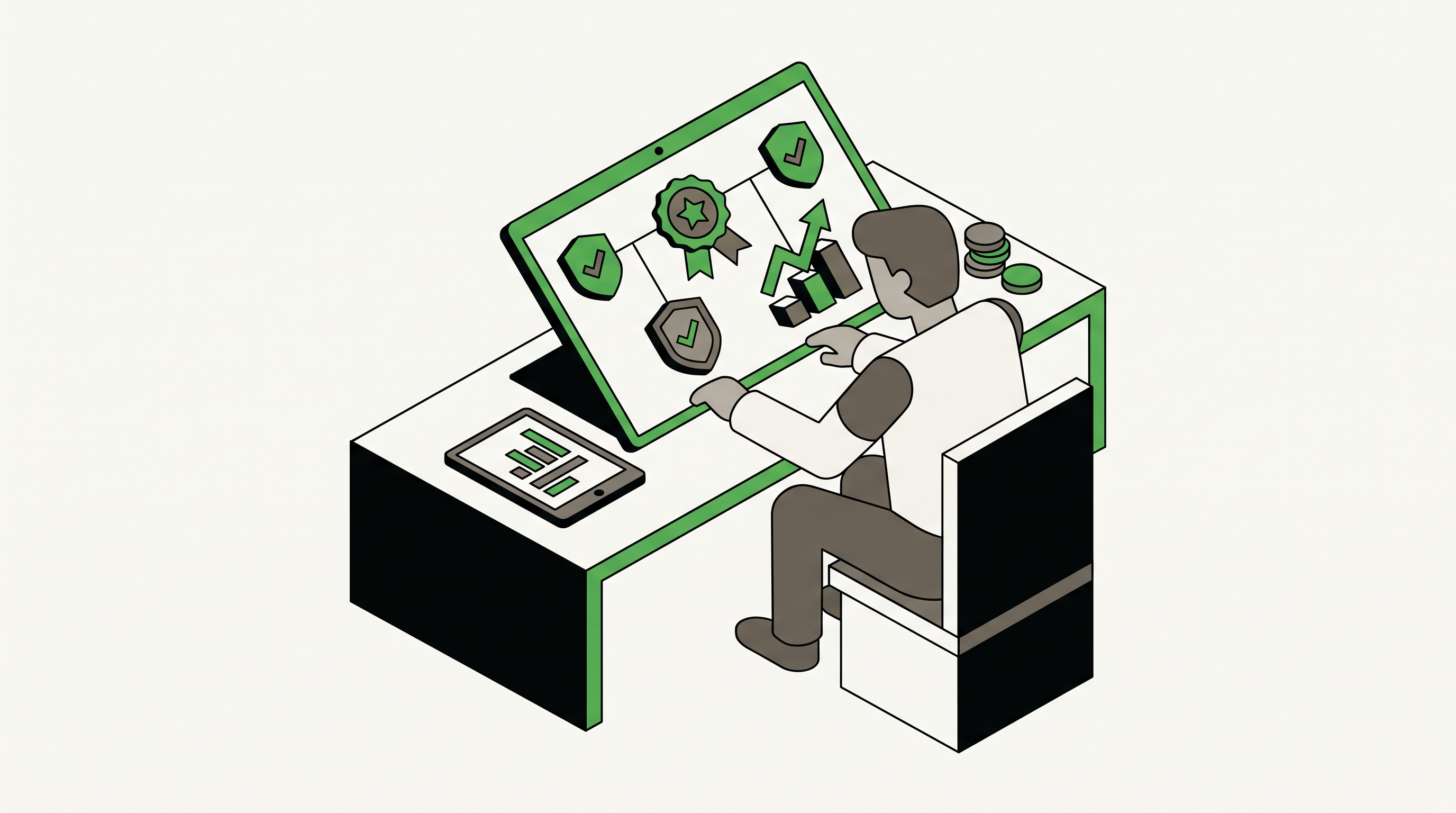
AI is getting better at recommending options. It is still bad at picking up what your brand implies but never says.
That matters more now that AI sits earlier in discovery, shopping, and vendor evaluation. On June 22, Harvard Business Review warned that LLMs can misread brands when meaning depends on subtle signals instead of explicit cues. Two days later, Axios reported that marketers at Cannes were saying brands still hold an advantage in trust and customer understanding that AI has not mastered. Pinterest framed the same shift from the platform side, saying brands now compete for recommendation, relevance and action, not just attention.
The takeaway is simple: if your value depends on tone, taste, reputation, or trust, you have to translate that into language and proof an AI system can actually carry forward.

Implicit Brands Lose More In AI Interfaces
A human buyer can infer a lot from design, phrasing, and category familiarity. AI systems are worse at that than marketers want to believe.
OpenAI’s merchant guidance says ChatGPT shopping results improve when brands provide product data that is complete, current, and rich enough to help shoppers compare options with context and key details in one place. It also says feeds help merchants control how products appear and keep information accurate. That is not just an ecommerce note. It is a clue about how AI-mediated evaluation works.
If your brand depends on the customer “getting the vibe,” the model may flatten you into a generic option.
That risk is highest for:
- premium brands that lean on aesthetic cues more than explicit differentiation
- healthcare brands that assume trust is obvious from design alone
- B2B firms that bury their edge under abstract positioning language
Clear Context Beats Stylish Ambiguity
This is why a lot of polished websites underperform in AI search.
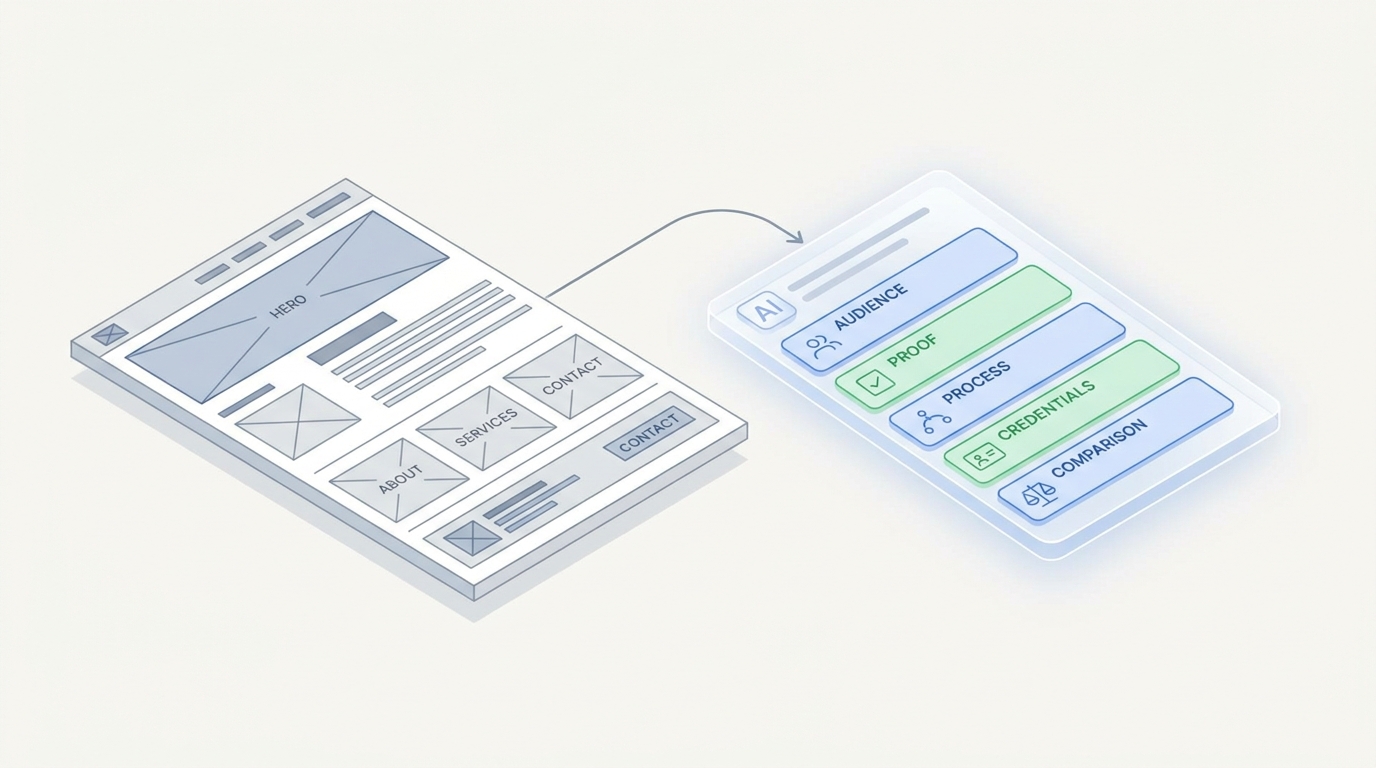
They look expensive. They sound respectable. They still fail the recommendation layer because they do not make the decision logic obvious. An AI assistant needs to understand who the offer is for, what makes it different, what proof supports the claim, and what tradeoffs define the fit.
Pinterest’s June 17 Cannes announcement made that shift explicit. Discovery is moving toward more conversational, contextual recommendation systems shaped by taste, intent, and trusted recommendations. If your website does not spell out those signals clearly, the assistant has less to work with than your creative director thinks.
That is why AEO services now overlap with brand strategy more than they did a year ago. The job is not only to be crawlable. It is to be interpretable.
High-Trust Categories Need This Most
Healthcare and behavioral health brands should pay close attention here because subtle positioning breaks down fast in high-consideration decisions.
People using AI to compare treatment options, providers, or agencies are not looking for a mood board. They are looking for cues they can defend: credentials, process clarity, treatment philosophy, insurance context, outcomes, reviews, and fit. If those are implied instead of stated, the model may miss them and the buyer may never get far enough to notice them.
We have seen the upside when those signals are made explicit. In behavioral health, Seasons in Malibu increased AI mentions from 49 to 122 while cited pages rose from 122 to 190. That growth did not come from vague premium language. It came from building a stronger trust footprint across search, content, and the website. The same principle shows up in our breakdown of how rehab centers win AI search without junk content: clearer pages beat prettier ambiguity.

What To Fix This Week
Pick five pages that matter to revenue and test them like an AI system would.
Ask:
- does the page say who it is for in plain language?
- does it explain what makes the offer different without buzzwords?
- does it place proof close to the claim?
- does it reduce ambiguity around fit, process, timing, or outcomes?
If not, tighten the page until the value is hard to misread.
The brands that win more AI recommendations in the next year will not always be the loudest or the most stylish. They will be the easiest to interpret correctly. If your brand relies on subtlety alone, AI will miss the point, and so will some of your next buyers.