Answer Equity Is Replacing Clicks as the KPI That Matters in AI Search
AI search is forcing marketers to measure citation visibility, answer share, and downstream demand, not just clicks. Here is the new KPI stack for 2026.
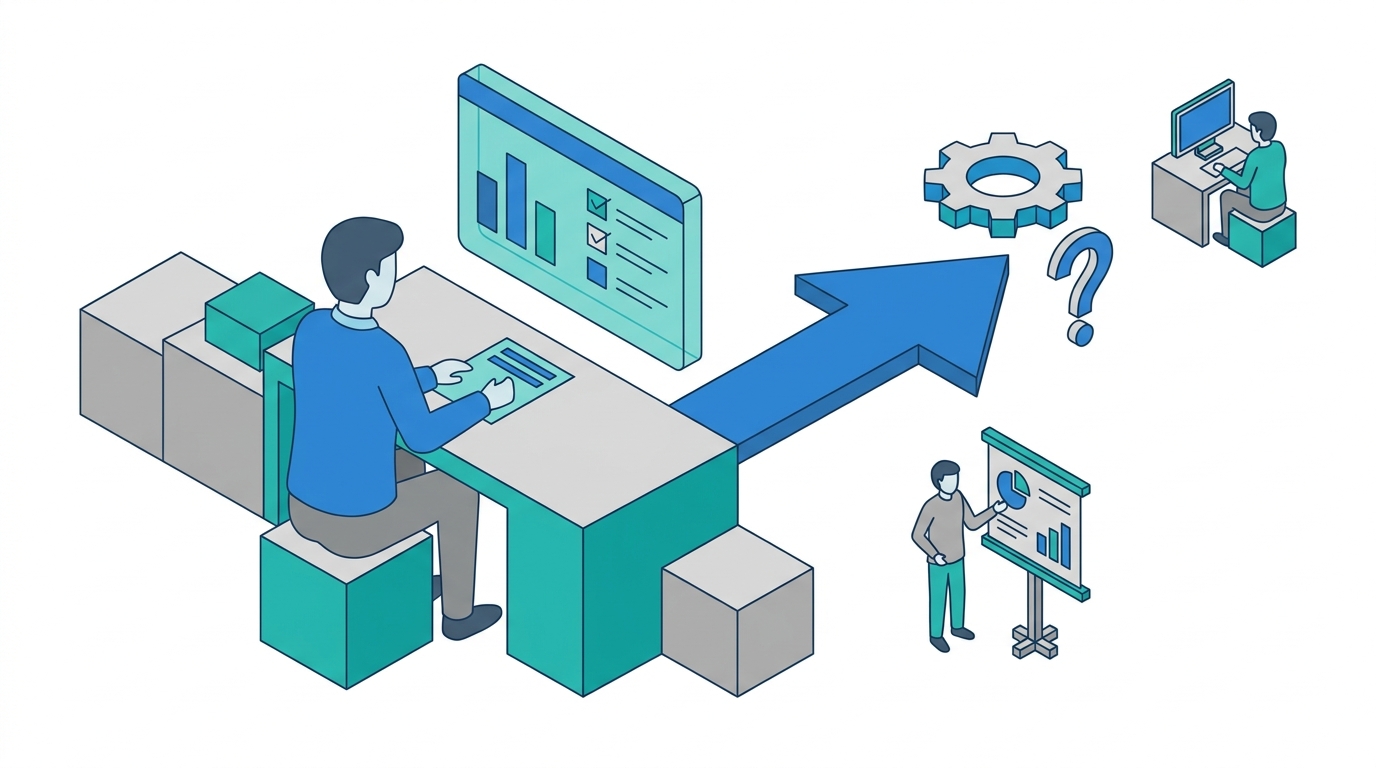
Clicks still matter, but they are no longer the cleanest way to understand search performance.
That is the real message behind the recent push toward “answer equity,” a phrase Search Engine Land used this week to describe what brands are actually competing for in AI search. When search engines summarize, compare, and recommend before the click, the main question shifts. It is no longer just “Did we get the visit?” It is also “Did we become part of the answer?”
For marketers, agencies, and healthcare brands, that shift changes both strategy and reporting. Traditional SEO dashboards were built for blue-link behavior. AI search introduces a different layer, one where citation presence, answer inclusion, and downstream brand lift often matter before traffic ever shows up in analytics.
If your reporting model still treats every search gain or loss as a clicks problem, you are going to misread what is happening.
What Answer Equity Actually Means
Answer equity is the share of useful authority your brand holds inside AI-generated answers.
In practical terms, it includes questions like these:
- Does your brand get cited or mentioned when buyers ask category questions?
- Do your pages appear as grounding sources for AI answers?
- Are your competitors getting named more often than you are?
- When people do not click right away, does AI visibility still lift branded search, direct traffic, or lead quality later?
That is a different measurement model from classic SEO. In traditional search, a marketer could focus heavily on rankings, CTR, and session growth. In AI search, those signals still matter, but they do not fully capture whether your brand influenced the buying decision.
Google’s own documentation on AI features and your website makes this pretty clear. AI Overviews and AI Mode are treated as part of Search, and Google explains that these experiences can surface a broader set of relevant links while using query fan-out and synthesized responses. That means your content can shape the answer even when the user never follows the classic path of search result, click, then browse.
For brands, the value has moved closer to answer formation.
Why This Shift Is Happening Right Now
Three things are colliding at once.
First, AI interfaces are taking over more of the decision-making layer. Google’s AI Mode in Chrome keeps the AI experience open beside the page, which means users can continue asking questions while comparing sources side by side. The browser visit still matters, but the AI layer becomes the main interface.
Second, measurement is splitting. Microsoft has already started exposing this reality through Bing Webmaster Tools. Search Engine Land reported on Bing’s AI Performance report, which shows citations, cited pages, and grounding queries. That is a meaningful step toward measuring AI visibility directly instead of pretending it is identical to normal search behavior.
Third, marketers are seeing the same pattern in live accounts: clicks soften while AI visibility rises. That is not hypothetical anymore. It is happening inside real campaigns, especially in categories where users are asking exploratory, comparison-heavy, or trust-sensitive questions.
At Emarketed, we have seen this firsthand. Seasons in Malibu holds 4,200+ keyword rankings and averages around 4,100 monthly organic visits. At the same time, AI mentions grew from 49 to 122. That is exactly the kind of pattern that breaks a clicks-only reporting model. The account can be winning influence inside AI systems even while the old dashboard gets noisier.
The Old KPI Stack Is Too Narrow
The historical SEO stack was built around a simple funnel:
- rank higher
- earn more clicks
- convert the traffic
That model was never perfect, but it was directionally useful when search behavior was mostly linear.
AI search is not linear.
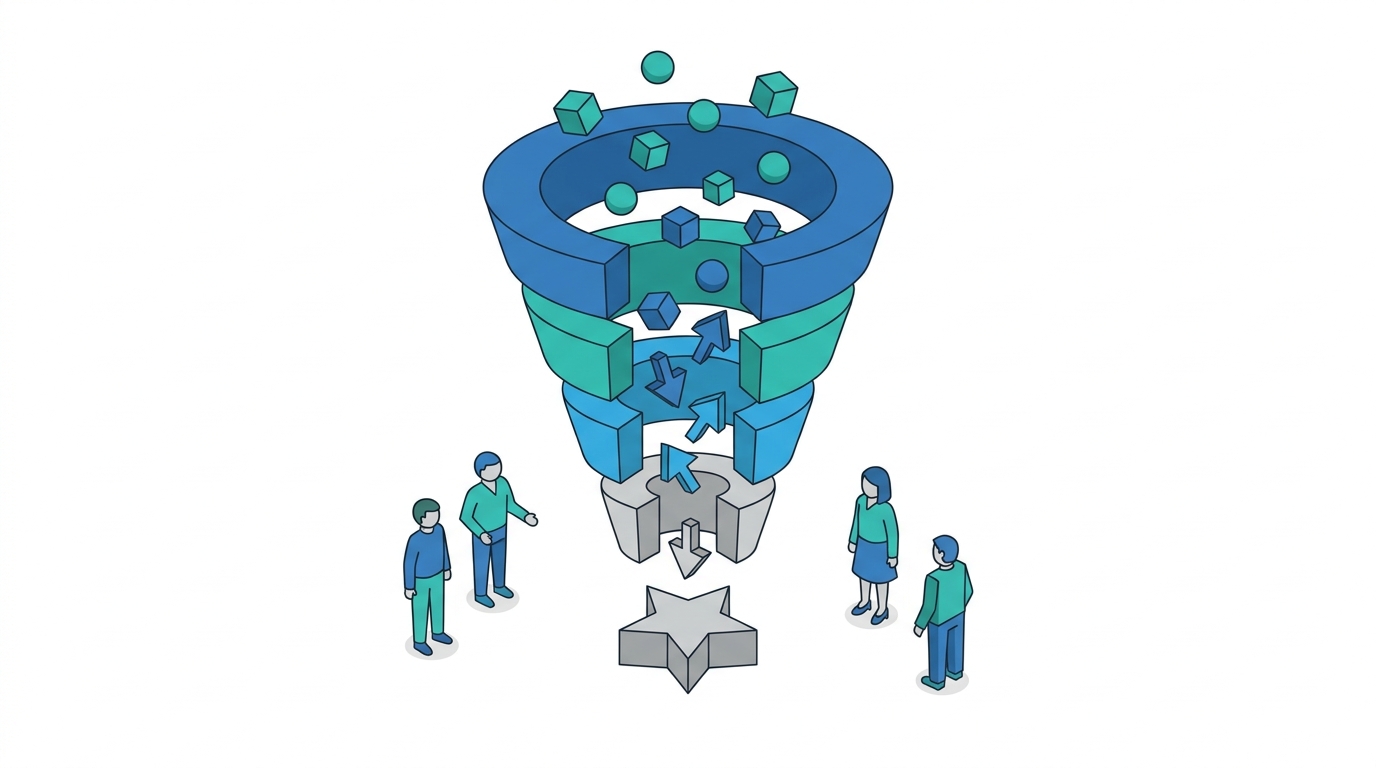
A buyer can see your brand in a Google AI Overview, ask ChatGPT to compare vendors, open one page in AI Mode, return later through a branded search, and convert on a different visit. If you only judge performance by last-touch organic clicks, you are going to miss a huge part of the story.
This is especially true in healthcare, B2B, and other high-consideration categories. People do not always click the first brand that influences them. They often shortlist, compare, verify, and revisit.
That means the old KPI stack needs to expand.
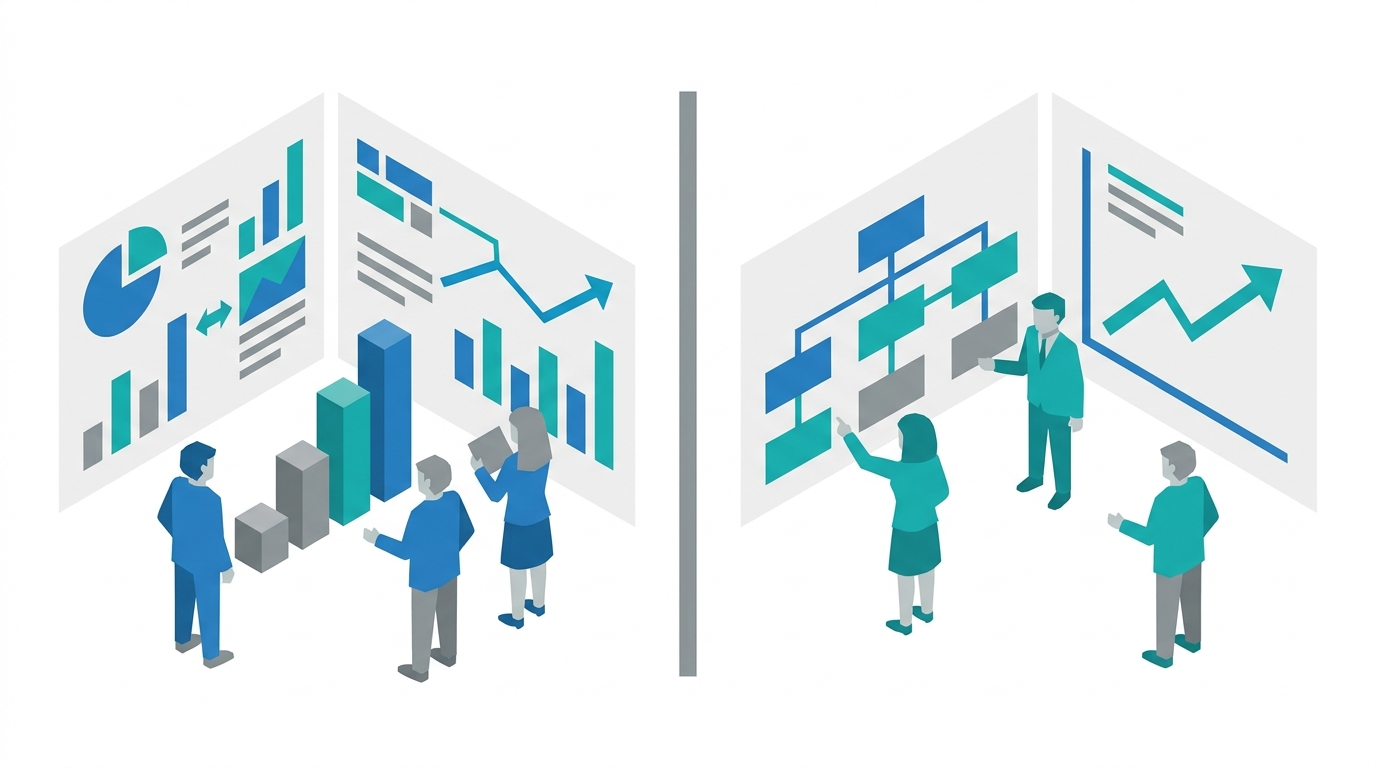
The New KPI Stack for AI Search
A stronger 2026 reporting model should track five layers.
1. Citation visibility
This is the starting point. Are you getting cited, referenced, or mentioned at all across Google AI Overviews, Google AI Mode, ChatGPT, Perplexity, and Bing AI experiences?
If the answer is no, your brand is invisible in an increasingly important discovery layer.
2. Citation share against competitors
Presence alone is not enough. If your brand appears occasionally but competitors dominate the answer set, they own more of the buyer’s attention. This is where answer equity becomes a competitive metric, not just a brand-awareness one.
3. Grounding intent
Which questions are producing your citations? Are you visible for commercial, comparison, problem-aware, or informational prompts? Bing’s early reporting direction matters because it points toward exactly this kind of analysis.
4. Assisted demand signals
Did branded search impressions rise? Did direct visits increase? Did lead quality improve after AI visibility increased? Many AI influenced journeys show up later through channels that do not explicitly label the original AI interaction.
5. Business outcomes
This is the reality check. Which cited pages connect to qualified leads, booked calls, patient inquiries, ecommerce revenue, or pipeline velocity? AI visibility matters because it shapes demand. It is not a vanity metric by itself.
What Marketers Should Change in Their Content Strategy
Once you accept that answer equity matters, the content playbook changes too.
The goal is not to chase a new buzzword. The goal is to make your content easier to extract, trust, compare, and cite.
That usually means:
- front-loading the answer instead of burying it under a long intro
- using clear H2 and H3 structure so machines can parse the page cleanly
- giving direct definitions, distinctions, and step-by-step explanations
- tightening factual claims so they are easy to verify and quote
- keeping pages current when freshness changes the usefulness of the answer
- strengthening internal links between service pages, explainers, and proof points
Search Engine Land’s recent coverage of agentic engine optimization reinforced this from another angle. The article highlighted how AI agents parse content differently, reward cleaner structure, and have limited patience for bloated pages. Even though that piece was about content built for agents rather than classic answer-engine optimization, the core lesson carries over: machine readability is now part of marketing performance.
A lot of brands still write as if a page only needs to convince a human who already clicked. In AI search, your page often has to convince the machine first.
Why Healthcare and Trust-Sensitive Brands Feel This Faster
This matters more in healthcare marketing than almost anywhere else.
When someone is looking for addiction treatment, behavioral health support, or a specialized medical provider, they do not always behave like a shopper clicking through ten results. They ask layered questions. They compare providers. They look for authority, safety, and proof. They often narrow their choices before they visit many sites at all.
That is why answer equity is such a practical KPI in healthcare. If your brand is not showing up in those early AI-assisted comparisons, you can lose consideration before a click is even available.
It also explains why this is not just a theoretical Emarketed talking point. Our work for Seasons in Malibu shows what it looks like when traditional authority and AI visibility start compounding together. The account has stable rankings, meaningful organic presence, strong social visibility, and rising AI mentions. That combination is much more informative than a single traffic number.
For healthcare brands, the job is not merely to rank. The job is to become a source AI systems trust when real people ask high-stakes questions.
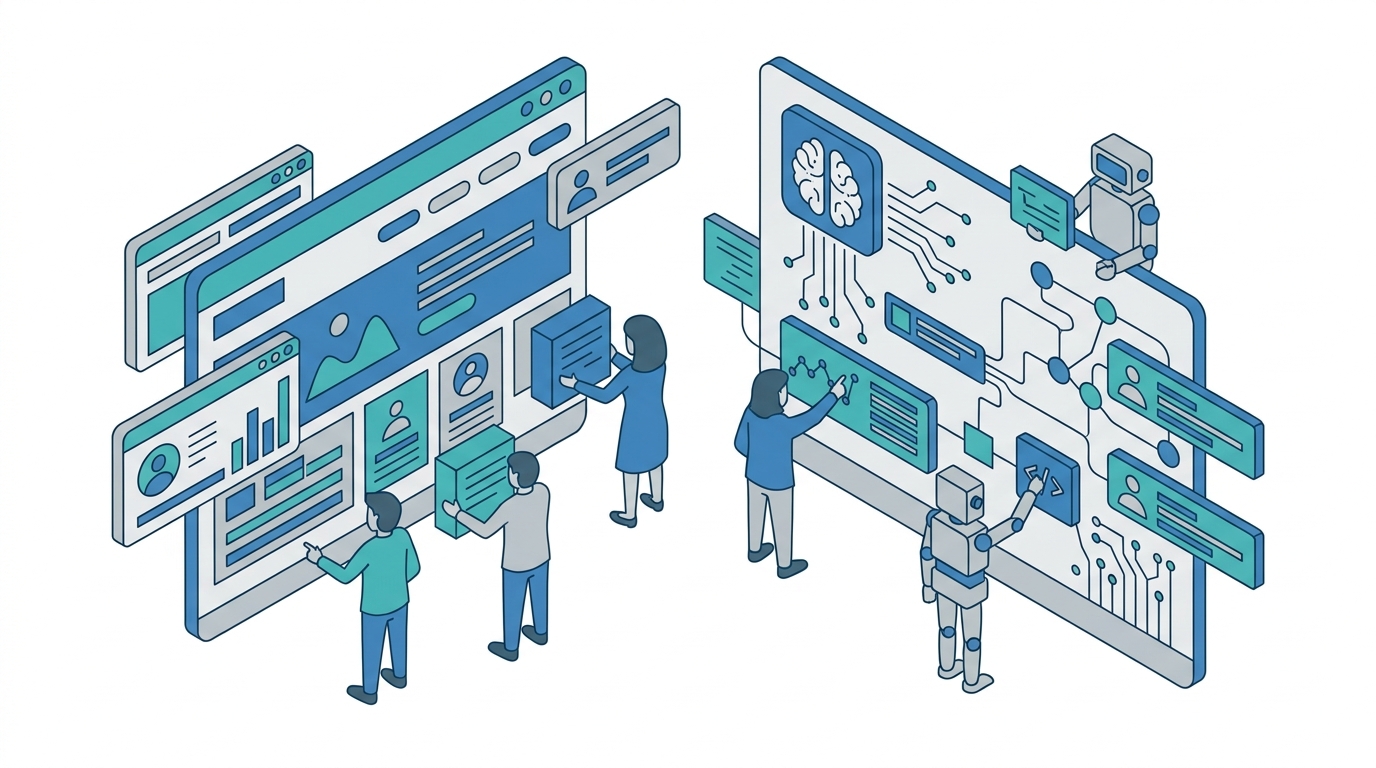
How Agencies Should Report This to Clients
This is where a lot of teams are still behind.
Many agencies know AI search is changing behavior, but they are still sending the same old monthly deck with a brief paragraph about AI at the top. That is not enough.
A better client report should separate classic search from AI visibility, even if the platforms do not do it cleanly for you yet.
Here is a simple structure:
Classic search section
Track rankings, clicks, landing pages, conversions, and technical performance the way you normally would.
AI visibility section
Track citation frequency, mention consistency, top cited pages, competitor share, and the question sets where the brand appears.
Assisted outcome section
Track branded search growth, direct traffic trends, lead quality, and any conversion lift tied to AI-visible pages.
Strategic interpretation
Explain what changed and why it matters. If organic clicks dipped while AI mentions rose, do not frame that as automatic failure. Frame it as a shift in how discovery is being mediated, then connect it back to business outcomes.
Clients do not need jargon for its own sake. They need a reporting model that matches reality.
What to Do if You Want More Answer Equity
If you want to improve this KPI, start with the pages that already deserve to win.
Audit the pages that answer real commercial questions, especially:
- core service pages
- pricing and comparison pages
- FAQ-heavy pages
- pages with strong expertise signals
- pages tied to revenue or lead quality
Then improve them for extractability and credibility:
- place the answer high on the page
- clarify who the page is for
- tighten vague claims
- add proof, examples, or original perspective
- strengthen internal links to related service and authority pages
- refresh outdated facts and examples
This is also where service-line alignment matters. If you are building AI visibility for a business that needs pipeline, not just traffic, the page strategy should connect directly to commercial intent. For a lot of brands, that means the best internal links are not random blog posts. They are closely related service pages and proof-driven resources like AEO services, measurement-focused explainers, and one practical tool such as the AEO Monitor.
The Real Shift Is Organizational, Not Just Tactical
The biggest mistake is to think answer equity is just a new dashboard widget.
It is really a planning change.
It affects how content teams prioritize topics, how SEO teams define wins, how paid teams think about search overlap, and how agency leaders explain value to clients whose traffic patterns are getting less intuitive.
That is why the phrase is useful. It gives teams language for something they are already feeling: the click is no longer the only unit of value.
In 2026, brands are competing for inclusion inside AI-mediated decision paths. The brands that win will be the ones that make themselves easy to trust, easy to quote, and easy to compare favorably.
That is answer equity.
FAQ
Is answer equity the same thing as SEO?
No. SEO is still the foundation for crawlability, rankings, technical health, and organic discovery. Answer equity is a newer way to think about how much authority and visibility your brand holds inside AI-generated answers.
Why are clicks becoming a weaker standalone KPI?
Because AI search increasingly summarizes and compares information before the user clicks. A brand can influence the decision, earn citations, and build trust without generating the same click pattern that traditional search used to produce.
What should agencies measure besides organic traffic?
Track citation visibility, competitor citation share, grounded query intent, branded demand lift, and the business outcomes connected to cited pages. Those metrics give you a fuller view of how AI search is shaping performance.
Does Google give marketers clean AI search reporting yet?
Not really. Google’s documentation blends AI search behavior into its broader Search framing, which is why many agencies still have to build their own internal reporting distinctions between classic search and AI-mediated discovery.
Why does answer equity matter so much in healthcare marketing?
Healthcare buyers and families often research deeply before they click. If your brand is not part of the early AI-assisted comparison and trust-building phase, you can lose consideration before analytics ever credits the interaction.
How can a brand improve answer equity quickly?
Start with high-value pages that already address real buyer questions. Make the answers clearer, tighten structure, refresh facts, add proof, and link related authority pages together so both users and AI systems can understand the topic faster.
The next phase of search belongs to brands that can prove value before the click. Traffic still matters, but it is no longer the whole story. The smarter KPI stack measures whether your brand is getting chosen as part of the answer, then ties that visibility back to real business outcomes.