Local Service SEO In 2026: Build Answer Pages First
AI search is changing how local buyers compare roofers, clinics, and attorneys. Build answer pages first for stronger trust, citations, and better leads.

If you run marketing for a local service business, another generic blog post is usually the wrong next move. AI search is pushing buyers toward direct answers, comparison summaries, and verification loops before they ever fill out a form. That means the pages closest to revenue are no longer broad awareness articles. They are concise, trust-heavy answer pages built for the real questions people ask before they call.
That shift is already showing up in current consumer behavior. Yext’s 2026 Consumer Search Behaviors Report says 47% of U.S. adults used AI for local search in the past month, and 58% visit the business website directly after getting an AI recommendation. Its full 2026 report adds a second point marketers should not ignore: in the past six months, 28% of respondents tried a new local business because of an AI recommendation.
For roofers, clinics, attorneys, contractors, treatment centers, and other high-consideration service brands, that changes the content priority list. The fastest win is not more publishing volume. It is building the pages that answer cost, timing, process, trust, and fit questions better than anyone else in your market.
Why Answer Pages Matter More Than Generic Blog Posts
Local buyers are using AI to compress the research phase. They ask one question, get a summary, then start verifying. That behavior makes vague content less useful.
Google’s May 27, 2026 update on Preferred Sources and original content in AI Search makes the direction clear. Google is adding stronger source labeling inside AI Overviews and AI Mode, plus new ways to surface original reporting and trusted perspectives. In plain English, the interface is rewarding content that looks reliable enough to cite and useful enough to click.
That is not what most local-business blogging calendars produce. A lot of local content still follows the old formula: publish broad educational posts, swap in a city name, and hope the volume adds up to visibility. AI systems do not need ten watered-down versions of the same article. They need a clean answer they can reuse.
An answer page does that better than a generic blog post because it is built around one decision-stage question:
- How much does this service usually cost?
- What happens in the first visit?
- How long does the process take?
- Who is a good fit, and who is not?
- What should I compare before choosing a provider?
Those are not top-of-funnel questions. They are the questions that influence whether a lead ever happens.
The Website Is Now Part Of The Verification Loop
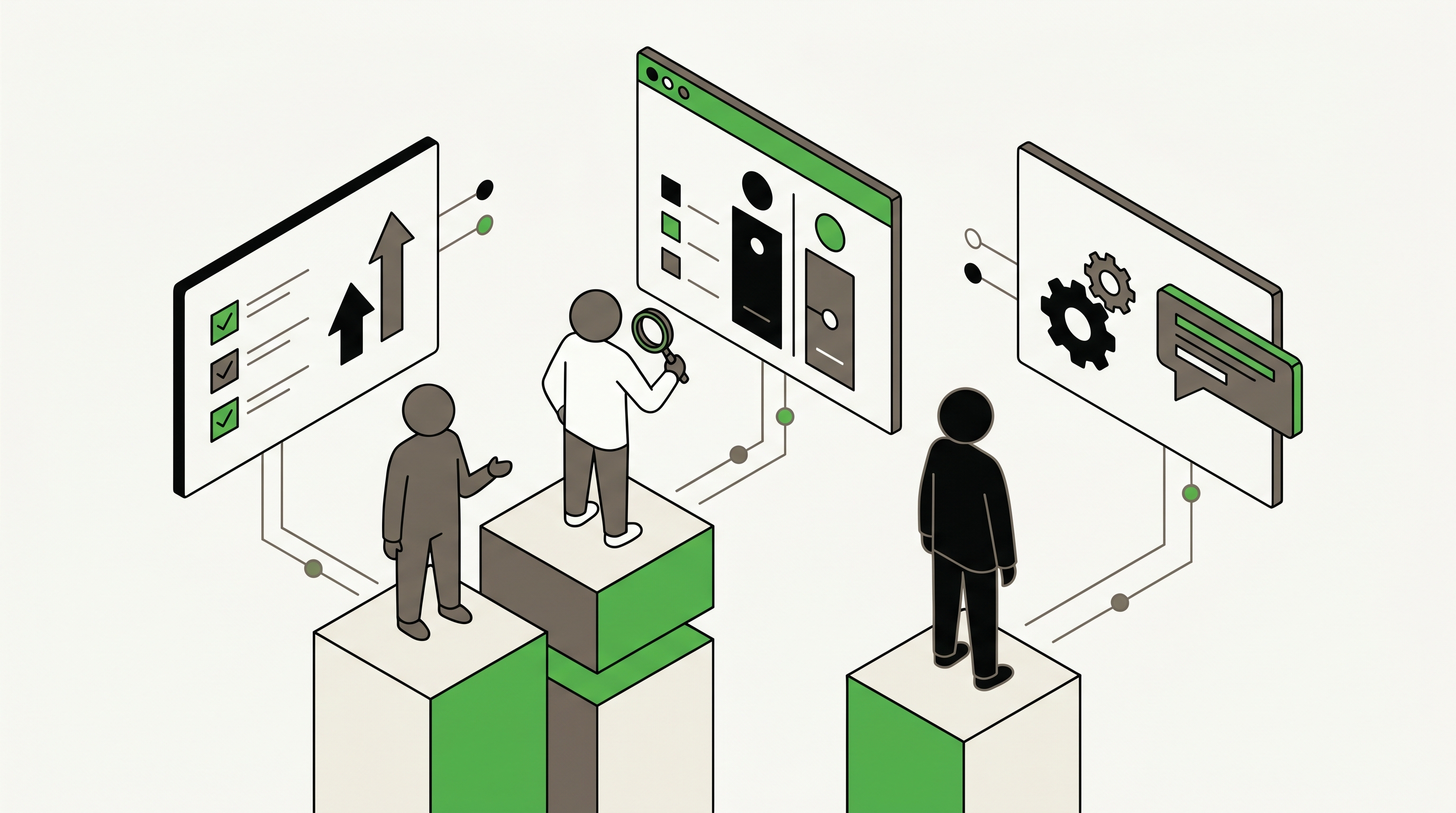
The most important stat in the Yext findings is not just that people use AI for local discovery. It is what they do next.
According to Yext’s U.S. findings, 62% search Google for more information after an AI recommendation, 58% visit the business website directly, and 52% click through to cited sources. That means your site is not just a destination after discovery. It is part of the proof process.
If that visitor lands on a thin service page that says you offer high-quality service with years of experience, you have not answered the question they came to verify. You have only described yourself.
That is where answer pages outperform broad blog posts. A strong answer page helps confirm the recommendation the buyer just received. It reduces uncertainty. It gives the visitor a reason to trust the summary instead of restarting the search from scratch.
This is also where local brands often waste effort. They keep adding blogs about general trends while their money pages remain weak. If your plumbing company has fifteen posts about winter maintenance but no page that clearly explains emergency response times, financing options, service-area limits, and what happens after a leak inspection, you are investing in the wrong layer.
The same logic applies to healthcare and other high-stakes categories. Google’s guidance on helpful, reliable, people-first content still points to the core standard: publish content created to help people, show real expertise, and answer what the visitor actually wants to know. Local service businesses do not need more filler. They need more evidence and more clarity.
What A Real Answer Page Looks Like
An answer page is not a 300-word FAQ entry. It is a full page built to resolve a real buying question.
For a roofing company, that might be:
- Roof replacement cost ranges in your market
- What insurance usually covers after storm damage
- How long a typical replacement takes
- How crews protect landscaping and clean up
- Which warning signs mean repair is no longer enough
For a treatment center, it might cover insurance verification, detox timing, travel logistics, family contact, and what the first 24 hours actually look like.
For a law firm, it may explain fee structures, timeline expectations, case fit, and what documents a prospect should gather before the first consult.
The structure matters. Open with the direct answer. Then support it with specifics, examples, common exceptions, and a clear next step. If your team already hears the question on sales calls, you already know what belongs on the page.
This is also where service pages and answer pages work together. Your core service page explains the offer. The answer page removes hesitation around it. That combination is far more useful than another broad article trying to rank for a loosely related keyword.
If your current site still treats service pages like brochures, start there. Emarketed covered this in What Content Gets Cited by AI, and What Gets Ignored: direct, specific pages are easier for AI systems to reuse than vague, padded content written to look comprehensive.
Why Structure And Local Detail Matter More Now
Good answer pages are not just well written. They are machine-legible.
Google’s documentation on LocalBusiness structured data is a reminder that local pages should clearly communicate hours, departments, service details, reviews where appropriate, and other business facts that help Search understand the page. Structured data alone will not make a weak page win, but it helps strong pages become easier to interpret.
This matters because AI systems are not choosing sources the same way classic rankings do. A May 2026 arXiv study on Google AI Overviews found that nearly 30% of cited domains did not appear in the co-displayed first-page results, which suggests a distinct source-selection mechanism. The practical takeaway is simple: being useful, credible, and easy to parse matters even when you are not the obvious blue-link winner.
For local service businesses, that should change how pages are built. Strong answer pages usually include:
- A direct answer in the first few sentences
- Local context such as service area, timelines, or pricing variables
- Specific process details instead of brand slogans
- Proof elements such as reviews, credentials, case examples, or before-and-after expectations
- Clean headings that map to follow-up questions
That last point is underrated. AI search journeys are conversational. People ask a question, then a narrower question, then a trust question. Your page should feel built for that chain.
The Business Case Is Better Than Most Brands Realize
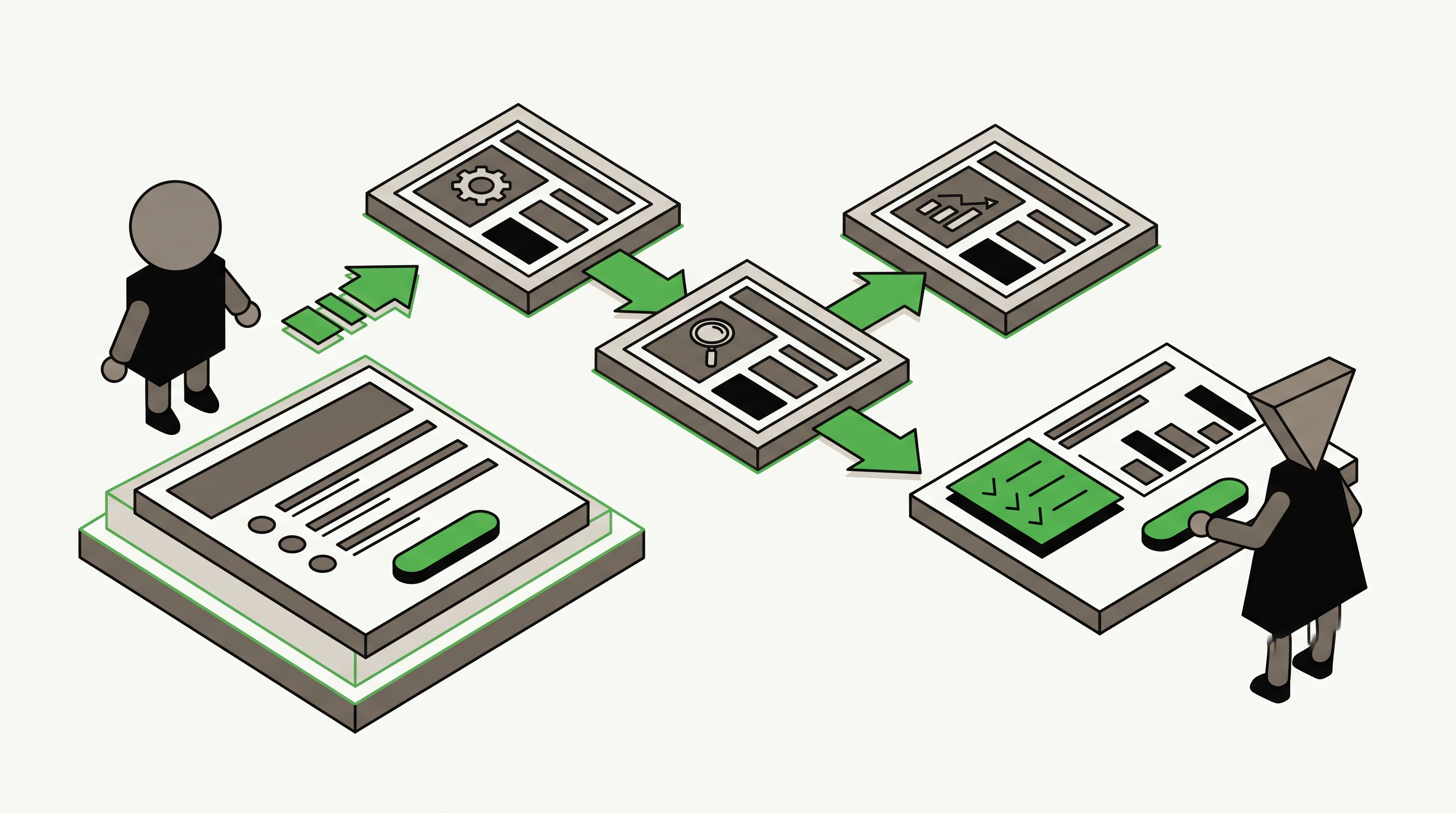
A lot of local brands still treat answer pages like a nice-to-have content exercise. They are not. They are conversion infrastructure.
If 58% of AI-driven local searchers visit the website directly after a recommendation, then the page they land on has a job to do immediately. It has to confirm relevance, reduce doubt, and make the next action feel safe. A broad blog post can assist with discovery, but it usually does not finish the trust-building job.
That is one reason answer pages tend to outperform generic blogs in high-consideration categories. They sit closer to money. They reflect real buyer language. They support both AI citation and human verification. They also help your sales team because the page starts handling the same objections the team answers every day.
At Emarketed, we have seen a version of this principle play out across client work. LA Roofing Materials grew from near-zero organic presence to more than 2,000 keyword rankings and a 258% increase in AI mentions through steady SEO and AEO execution. Results like that do not come from publishing filler at scale. They come from building a site that explains the business clearly enough for both humans and AI systems to trust it.
This is also why local brands should stop separating SEO, reputation, and website strategy into different silos. The modern buyer journey does not treat them as separate. AI discovery, review validation, website trust, and conversion all happen in one compressed path. That is why a serious local content strategy often needs stronger SEO services and stronger page architecture more than it needs another month of low-intent blogging.
How To Decide Which Answer Pages To Build First
Do not start with keyword volume. Start with sales friction.
Pull the questions that repeatedly come up before someone books, calls, or requests a quote. Then rank those questions by business impact. The best first answer pages are usually the ones that affect fit, conversion rate, or close rate.
For most local service businesses, the first batch looks something like this:
- Cost and pricing expectations
- Timeline and scheduling questions
- Service-area or eligibility questions
- Process and first-visit expectations
- Comparison questions about options, methods, or provider types
- Trust questions about reviews, credentials, guarantees, or outcomes
Once you have that list, map each question to an existing page. If the answer currently lives inside a vague paragraph on a service page or only in a receptionist’s script, it deserves its own asset.
Keep the page practical. Use plain language. Show the variables that change the answer. A cost page without caveats is not trustworthy. A timeline page without common delays is not useful. A trust page without proof is just another claim.
What To Do Monday Morning
Pick one core service and audit the pages around it. Ignore your blog archive for a moment.
Ask:
- Do we clearly answer the top five questions people ask before they call?
- Does each page start with the answer, or with marketing copy?
- Would this page help someone verify an AI recommendation quickly?
- Are pricing, timing, process, and fit explained in plain English?
- Is there enough proof on the page to support the claim?
If the answer is no, stop adding blog volume and fix that layer first.
For many local brands, the smartest 30-day content sprint is not four new articles. It is four answer pages tied to high-intent questions. Those pages can earn citations, improve conversion paths, reduce sales friction, and make the whole site more useful in both traditional and AI search.

FAQ
What Is An Answer Page In Local SEO?
An answer page is a dedicated page built around one high-intent buyer question, such as cost, timing, process, fit, or comparison. It is more specific and more conversion-focused than a broad blog post.
Why Are Answer Pages Better Than Generic Blog Posts?
They are usually closer to a buying decision. In AI search, buyers often move from a summary to a verification step. Answer pages help confirm trust faster because they address the exact questions people ask before they contact a business.
Should Local Businesses Stop Blogging Completely?
No. Blog content still has a role, especially when it builds authority or supports wider topic coverage. The point is priority. If your core trust and decision pages are weak, answer pages deserve the next investment before another generic article does.
Do Answer Pages Help With AI Search Visibility?
Yes, when they are direct, specific, and credible. AI systems are more likely to reuse content that answers a clear question cleanly and gives enough detail to support a recommendation or citation.
What Questions Should A Local Service Business Cover First?
Start with cost, scheduling, service area, first-visit expectations, comparison questions, and trust questions. Those topics tend to affect whether a lead happens, not just whether a page gets read.
How Many Answer Pages Should A Business Launch First?
Most businesses can make real progress with three to five strong pages tied to their highest-friction sales questions. Depth matters more than volume.
Build The Pages That Help People Decide
Local service businesses do not win the next phase of search by publishing more noise. They win by making their site easier to trust at the exact moment a buyer wants confirmation. In 2026, that means building answer pages that do the work generic blog posts usually cannot: resolve doubt, support verification, and help your brand survive the jump from AI recommendation to real lead.