Your IT Team Might Be Blocking AI Revenue
AI agents now shape discovery, comparison, and conversion before the click. Here is how marketing and IT should fix access, structure, and measurement.
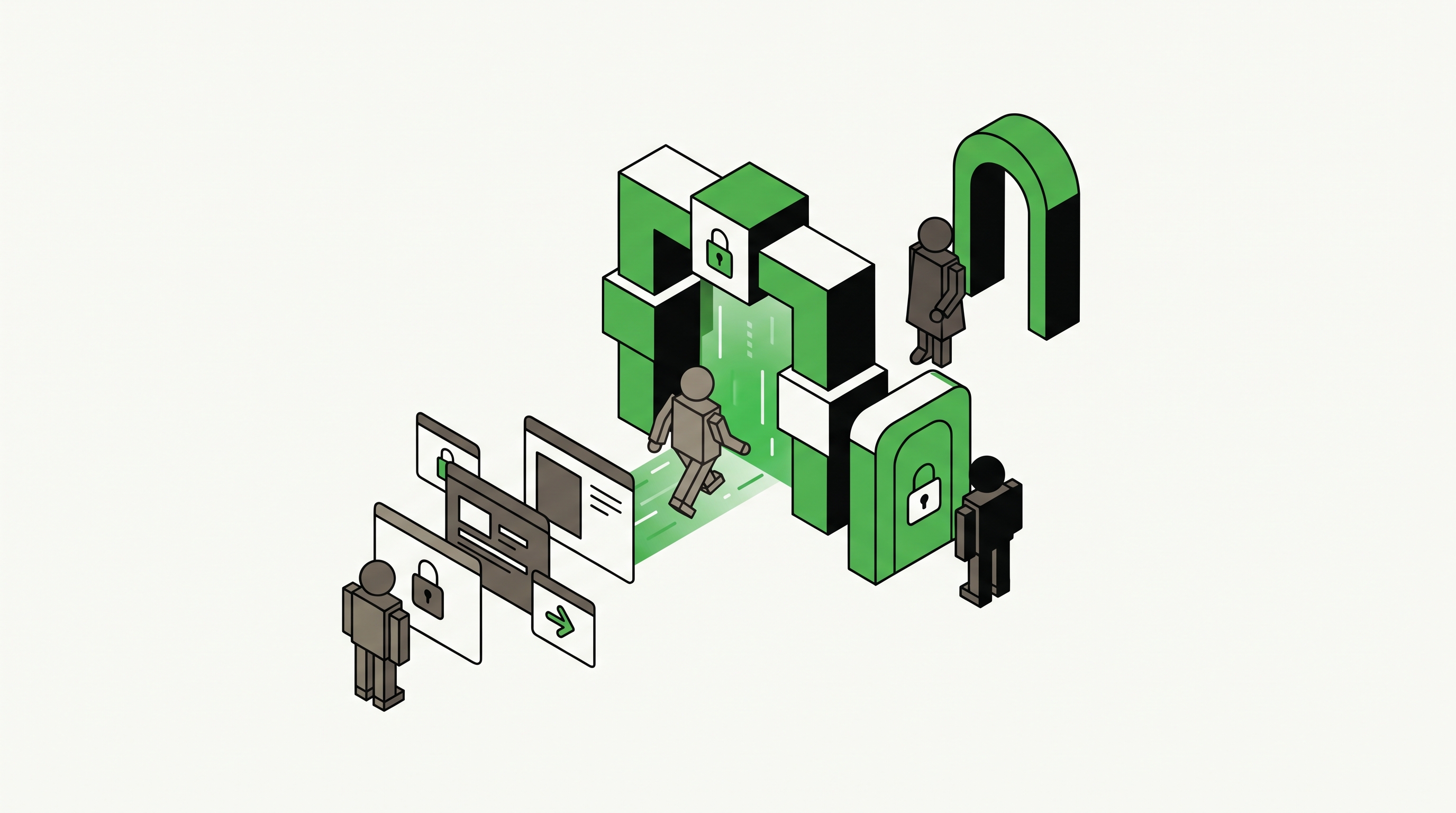
AI visibility is no longer just a content problem. It is an access problem, a site-structure problem, and an ownership problem.
That is the real takeaway from a strong cluster of June 2026 signals. A recent Search Engine Journal analysis built on BrightEdge internal data argued that AI agents already account for 15% of all website traffic, while 81% of organizations still bucket them with old-school bot noise. At the same time, Branch’s 2026 survey of 300 enterprise leaders found that 87% expect AI platforms to complete transactions within 12 months, while 26% still cannot track the journey from AI discovery to conversion. Then Chrome quietly turned part of this issue into an auditable website standard through its Lighthouse agentic browsing documentation.
Put that together and one thing is hard to ignore. If your site blocks, confuses, or underserves AI agents, you are not just missing citations. You may be making it harder for buyers to find, compare, and choose you at all.
For agencies, healthcare marketers, and in-house teams, this changes who needs to be in the room. AI search readiness is no longer something marketing can solve with a better FAQ section alone. It sits between marketing, IT, web, analytics, and whoever controls bot policy.
AI Agents Are No Longer Background Traffic
A lot of companies still treat AI user agents like a security housekeeping issue. That mindset is getting expensive.
The June 9 Search Engine Journal piece cites BrightEdge data showing AI agent activity rising 150% month over month between November 2025 and March 2026, with ChatGPT’s user agent accounting for more than 96% of AI user bot traffic. Even if you view those figures as directional rather than universal, the pattern matters. These are not theoretical crawlers waiting for some future adoption curve. They are already showing up on real websites on behalf of real users.
Branch’s research points to the same commercial direction from a different angle. Enterprise leaders project AI search traffic to rise from 35% of website traffic in 2025 to 50% in 2026, while traditional SEO traffic is also expected to grow from 45% to 53%. In other words, AI is not replacing search in a clean swap. It is layering more discovery and evaluation activity on top of the old model.
That is exactly why the “just block the bots” reflex is outdated. Some AI agents are training crawlers. Some are search-side retrieval layers. Some are user-facing browsers or assistants trying to compare options, understand services, or move a task forward. Treating all of them the same is like treating Googlebot, a form spammer, and a high-intent prospect as identical traffic.
If your robots rules, firewall settings, CDN policies, or bot filters are too blunt, marketing may be fighting for AI visibility with one hand tied behind its back.
Why This Is A CMO And IT Problem Now
The most useful part of the recent Search Engine Journal piece is not the headline stat. It is the framing.
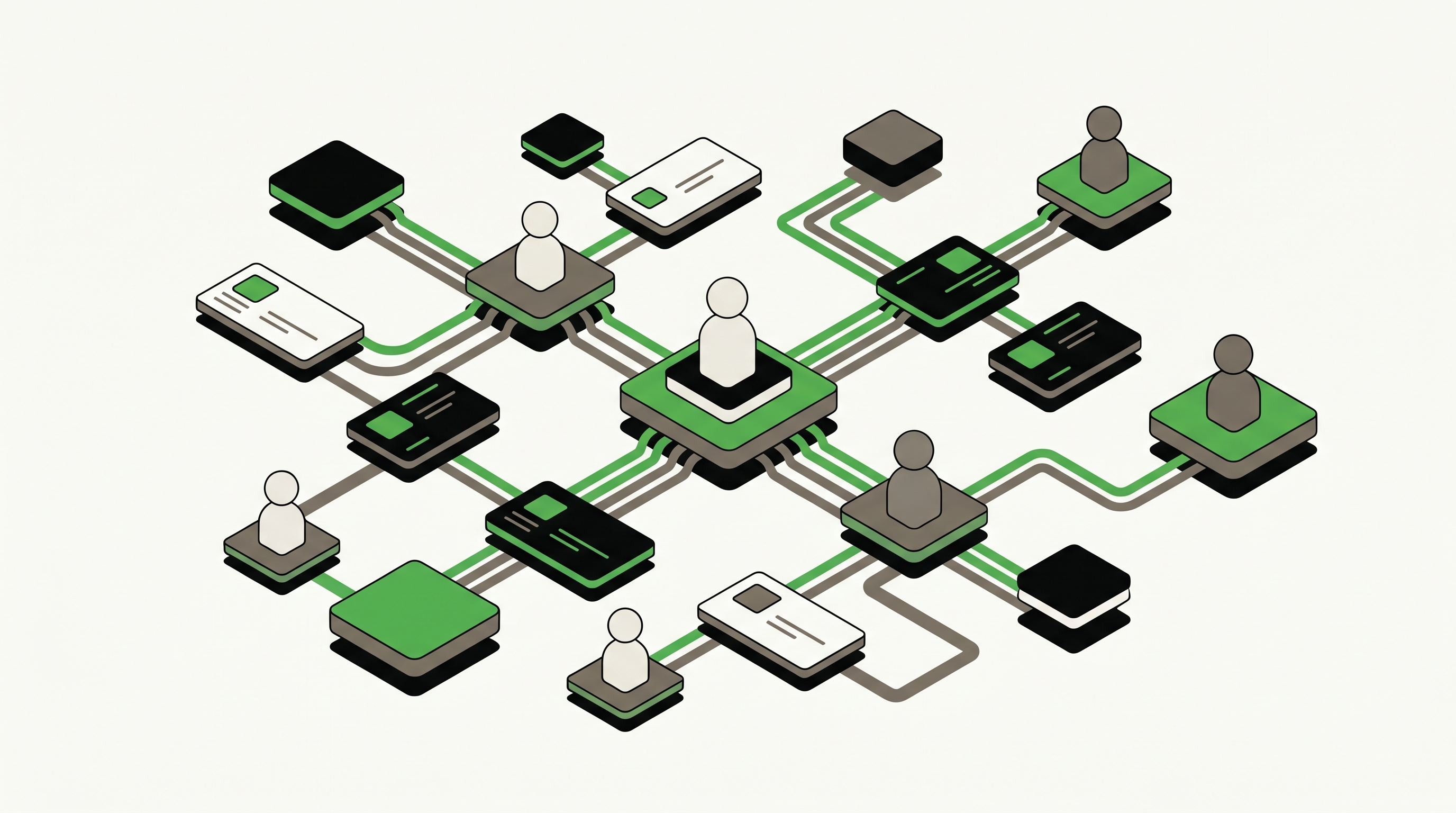
When marketers say “AI agents,” they usually mean external discovery, recommendation, and pre-conversion influence. When IT leaders hear the same phrase, they often think about internal productivity tools, automation rollouts, and security controls. Those are different conversations with different risks and different owners.
That mismatch creates practical failure points:
- marketing wants AI systems to find, read, and cite core pages
- IT wants to reduce abusive automation and protect infrastructure
- security wants to minimize unknown traffic patterns
- analytics wants proof the work matters
All four are reasonable. The problem is that most organizations have not separated the categories clearly enough to manage them well.
BrightEdge’s internal survey data, as reported by Search Engine Journal, says 75% of teams have no documented plan or named owner for AI agent and AEO readiness. It also says 56% of marketers’ recent conversations with IT or security stalled, were blocked, or got written off as “just SEO.” If those numbers are even roughly representative, a lot of revenue-impacting policy is being governed by default rather than by strategy.
This is especially risky for high-consideration services. A buyer researching a rehab center, B2B vendor, or agency may never know your site was partially blocked from the systems helping them shortlist options. They will simply see a thinner answer, a weaker comparison set, or a competitor with cleaner machine-readable access.
That is why answer engine optimization services now overlap with technical governance more than many marketing teams expected. The page copy matters. The proof assets matter. But so does whether the system can get in, interpret what it sees, and use it reliably.
What To Audit Before You Publish Another Page
If this issue is real for your organization, the first fix is not “make more content.” The first fix is to remove preventable friction.
Start with access policy.
Review your robots.txt, firewall rules, bot management settings, CDN challenges, and rate-limit controls with three buckets in mind:
- training crawlers
- search-side retrieval crawlers
- user-facing agents or browsers acting on behalf of a person
Those do not all deserve the same policy response. A publisher protecting archive content may choose differently from a service business that wants to be discovered, cited, and compared. If nobody in the company can explain the current policy by bucket, that is the problem.
Next, review log visibility and agent labeling. If AI traffic is still being dumped into a generic bot category, you cannot tell whether important pages are being reached, blocked, or ignored. That also makes the measurement problem we covered here much worse, because you lose the only early signal that agent access is improving or deteriorating.
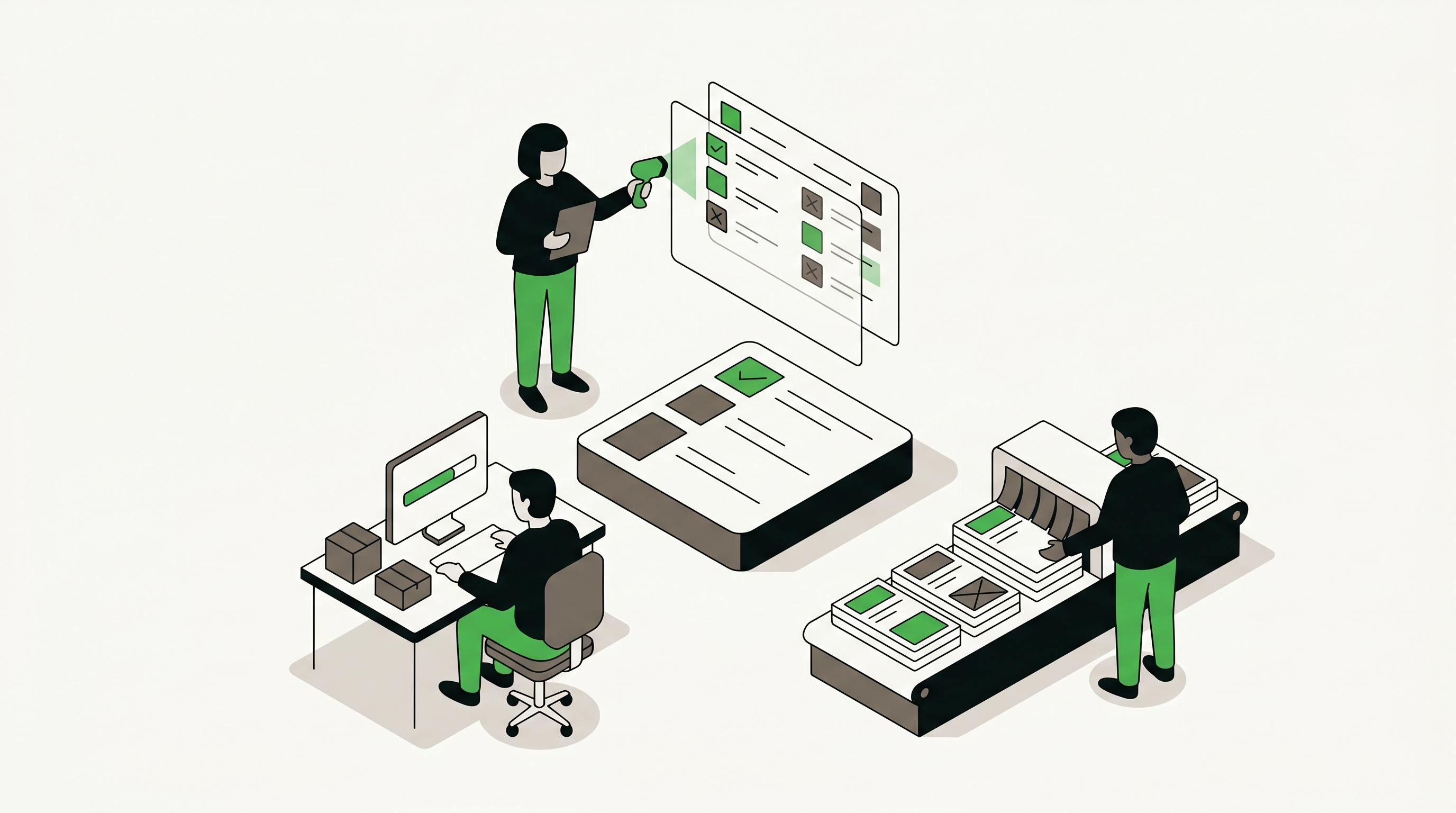
Then move to page selection. Do not audit your whole site at once. Start with the pages that influence revenue:
- core service pages
- comparison and alternatives pages
- FAQ and trust pages
- contact, intake, and booking paths
- healthcare proof pages such as insurance, credentials, and treatment-expectation content
If those pages are vague, hard to parse, or hard to access, publishing another awareness post will not compensate.
Build Pages And Forms Agents Can Actually Use
This is where Chrome’s Lighthouse documentation matters. Chrome says its experimental agentic browsing category evaluates how well a site is built for machine interaction, using signals such as WebMCP registration, accessibility-tree quality, layout stability, and the presence of llms.txt.
That is not a fringe developer curiosity. It is a preview of what platforms are starting to expect from the web.
Chrome’s docs make three points marketers should care about.
First, agents rely on the accessibility tree as a primary data model. If your buttons, form fields, labels, and relationships are unclear there, the page becomes harder for both machines and users with assistive needs to navigate. Second, layout shifts matter because an agent may identify an element and then miss it if the page moves underneath it. Third, Chrome now treats llms.txt as part of discoverability, which tells you machine-readable summaries are becoming a more normal part of site hygiene.
Chrome also documents Registered WebMCP tools, explaining that websites can expose capabilities such as “book appointment” or “add to cart” to agents more explicitly. That is still early, but the direction is obvious. The web is moving from “read my page and guess what this form does” toward “here is the action, here is the purpose, here is how to use it.”
For service businesses, that means a weak contact path is now two problems at once:
- humans may convert poorly because the path is unclear
- agents may fail because the path is unreadable
If your forms use vague labels, your CTAs repeat the same empty language, your service pages bury the actual offer, or your trust signals sit inside visual clutter instead of clean structure, your site becomes a bad source for both AI visibility and assisted conversion.
Healthcare And Other High-Trust Verticals Feel This First
Healthcare marketers should probably treat this shift as urgent.
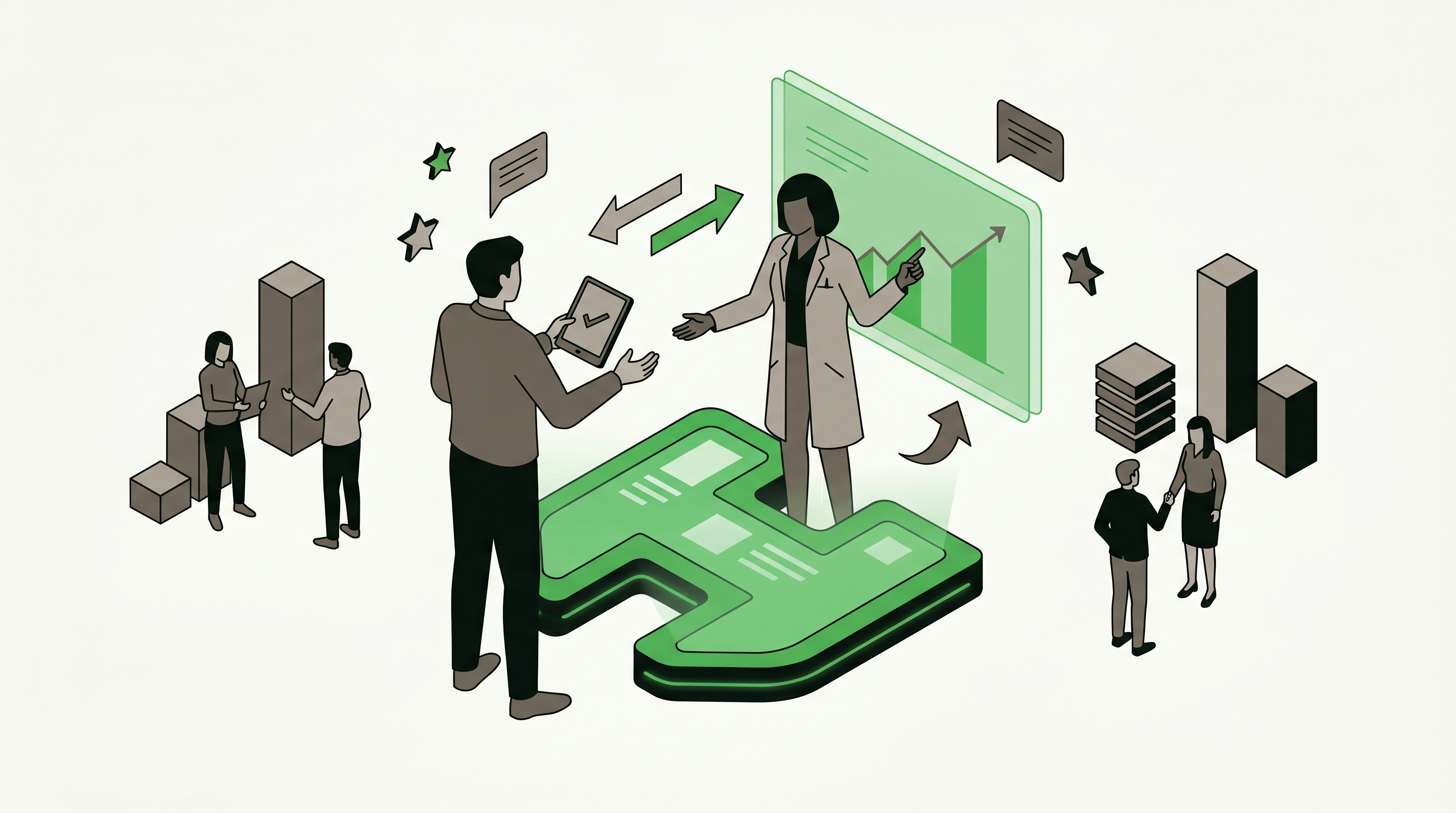
Branch found that 58% of health and wellness leaders expect a significant positive impact from agentic AI. That makes sense. Healthcare decisions involve explanation, comparison, privacy concerns, fit questions, and trust checks. Those are exactly the moments where buyers and families are likely to use AI systems before they ever submit a form.
At Emarketed, we have seen how much durable trust and visibility infrastructure matter in healthcare. Seasons in Malibu holds 4,200+ keyword rankings and 814,230 social impressions in a recent month, while AI mentions rose from 49 to 122 and cited pages climbed from 122 to 190. That is not just a content story. It is what happens when SEO, AEO, paid search, social, and web architecture reinforce one another instead of operating in silos.
For behavioral health, medical, legal, and B2B categories, the question is not only “Can the model cite us?” It is also “If an agent tries to inspect our credibility, understand our services, and move toward contact, does the site help or fight that process?”
That is why many brands need proof pages, not just polished service pages. A generic claims page may still rank for a phrase. It is far less useful when an AI system or a cautious buyer wants hard answers on fit, process, credentials, insurance, pricing logic, or next steps.
What To Do Monday Morning
If you want a practical starting point, bring marketing, IT, and whoever owns the website into one 45-minute review and answer five questions:
- Which AI agents are we intentionally allowing, limiting, or blocking today?
- Can we separate training crawlers from search-side and user-facing agents in policy and reporting?
- Which five revenue pages would hurt most if AI systems could not read or use them well?
- Are our forms, labels, headings, and trust sections clear in both human and machine terms?
- Who owns proof that AI visibility and agent access are improving?
Most companies do not have perfect answers yet. That is fine. The expensive mistake is pretending this remains a marketing-only topic or a security-only topic.
The next phase of AI search will reward brands that are accessible, legible, and credible across both human and machine journeys. The ones that move first will not just publish better content. They will remove the internal blockers that keep that content from being used.
FAQ
Are AI Agents Really Driving Meaningful Website Activity Yet?
Yes. The exact mix varies by industry, but recent BrightEdge data reported by Search Engine Journal says AI agents already account for 15% of all website traffic, while Branch found enterprise leaders expect AI search traffic to rise from 35% of website traffic in 2025 to 50% in 2026.
Should Brands Block All AI Crawlers To Protect Their Content?
Usually no. Brands need a more selective policy than publishers do. Blocking everything may reduce unwanted training use, but it can also reduce your ability to be discovered, cited, compared, or acted on inside AI search and agent flows.
What Is The Fastest Technical Improvement To Make?
Start with access policy, page clarity, and form semantics. Then publish a clean llms.txt, reduce layout shift, and improve labels and structure on your highest-intent pages.
Why Does This Matter More For Healthcare And B2B?
Because these categories depend on trust, nuance, and evaluation. Buyers often use AI tools to narrow options and verify credibility before they contact anyone, which makes weak machine-readable access more expensive.
Is This Just Another Name For Technical SEO?
Not exactly. Technical SEO still matters, but AI readiness extends into agent access, machine-readable actions, structured trust content, and forms or workflows that software can reliably interpret.
What Should Agencies Report To Clients Now?
Report more than traffic and rankings. Track AI citations, brand descriptions across platforms, agent access to priority pages, and whether high-intent pages are becoming easier for both buyers and machines to use.