Navigating the AI Search Landscape: Key Metrics for Healthcare Facilities
Discover how AI search transforms healthcare marketing. Learn key metrics for visibility as AI assistants summarize and recommend providers, impacting patient choices.

Healthcare facilities cannot afford to treat AI search as a side channel. Patients, family members, and referral sources are already using AI assistants and AI-generated search results to compare providers, evaluate treatment options, and narrow down who looks credible. If your facility is not showing up accurately in those answers, you have a visibility problem that standard rank tracking will not fully explain.
The shift matters because AI systems do not simply list websites. They summarize, recommend, compare, and cite sources. That changes what healthcare marketers need to measure. Instead of focusing only on keyword rankings and website traffic, teams need a clearer view of brand mentions, citation frequency, answer inclusion, accuracy, and conversion quality across AI-driven discovery.
This is where ai search healthcare measurement becomes practical. Facilities that track the right indicators can spot visibility gaps early, fix weak content, and improve how often they appear when high-intent users ask for help.
Why Traditional SEO Metrics Are No Longer Enough
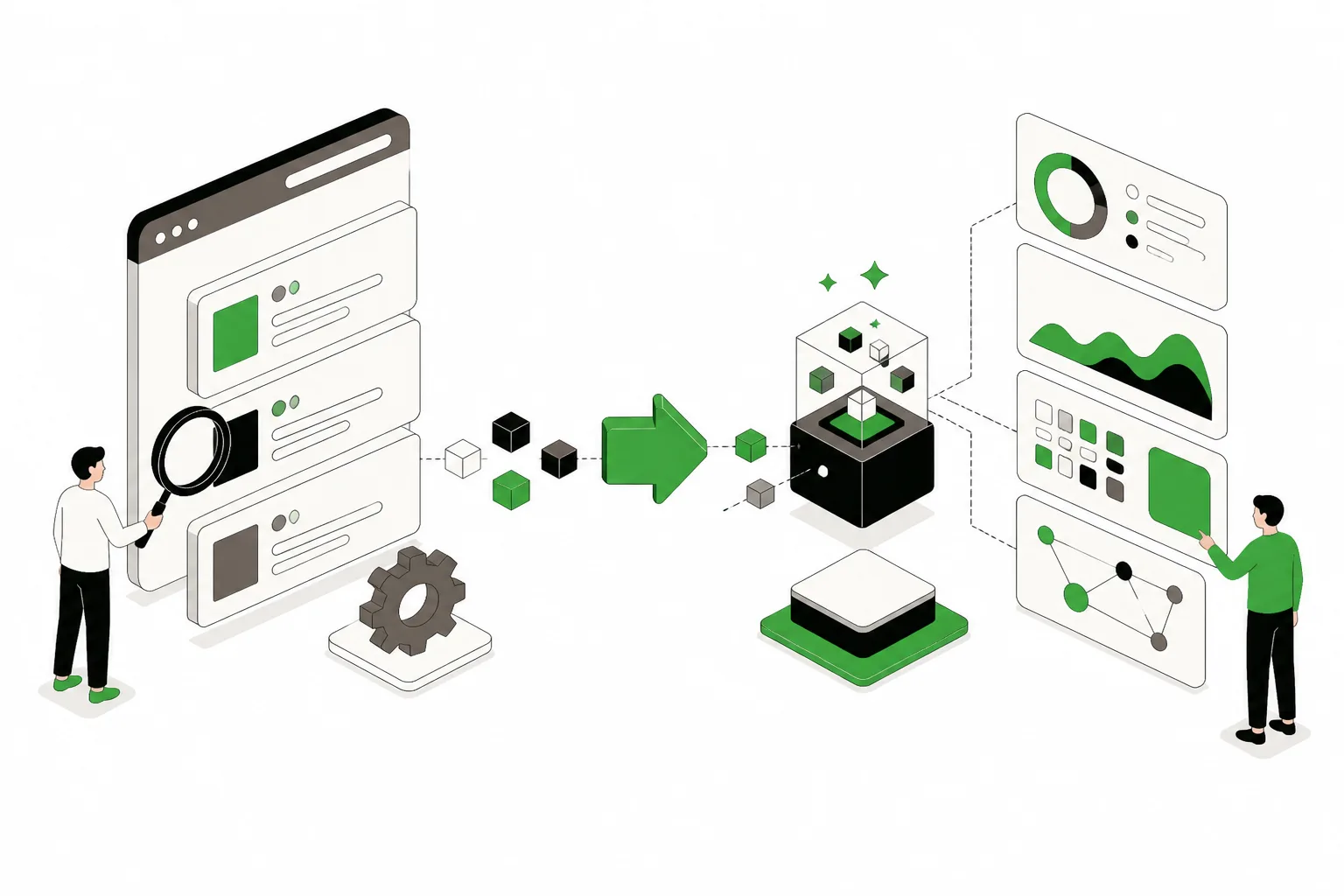
Organic rankings still matter, but they are no longer the whole picture. A healthcare provider may rank well for a service page and still be absent from AI-generated overviews, chatbot responses, or comparison-style answers. That disconnect is becoming more common as search behavior changes.
AI systems tend to reward sources that are clear, consistent, authoritative, and easy to cite. For healthcare organizations, that means your visibility depends not just on where you rank, but on whether your content answers real clinical and patient questions in a format AI engines can interpret confidently.
If your reporting stops at sessions, impressions, and average position, you are likely missing how users actually discover your brand in AI-assisted environments.
The Core AI Search Metrics Healthcare Facilities Should Track

Brand Mention Rate
One of the clearest signals is how often your facility is mentioned when users ask questions related to your services, location, or specialty. This can include direct prompts such as treatment comparisons, local provider recommendations, insurance-related questions, or symptom-to-care queries.
Brand mention rate helps answer a simple question: when AI tools discuss your category, are you part of the conversation? If not, your authority may be too weak, your entity signals may be inconsistent, or your content may not align with the way people ask for care.
Answer Inclusion Rate
This metric tracks how frequently your pages or brand appear inside AI-generated answers, not just in linked citations below them. Inclusion matters because many users make decisions before clicking through to a website.
For healthcare facilities, answer inclusion is especially important on high-intent topics such as treatment types, levels of care, admissions, insurance acceptance, and geographic availability. If competitors are repeatedly included and your facility is not, that gap can affect both leads and trust.
Citation Frequency And Source Quality
AI engines often rely on a mix of your website, third-party directories, reviews, and authoritative medical or local sources. Track how often your facility is cited and where those citations come from.
Not all citations carry equal weight. A mention on your own site is useful, but strong corroboration from reputable healthcare directories, local listings, and trustworthy editorial sources can improve confidence in your brand data. In healthcare, consistency across these sources is critical.
Accuracy Of Facility Information
Visibility without accuracy is a liability. AI-generated answers can surface outdated phone numbers, incomplete service descriptions, wrong locations, or misleading insurance details. Healthcare facilities should regularly audit whether AI tools describe their organization correctly.
This is not just a marketing issue. It affects patient experience, compliance risk, and intake quality. If AI systems are getting your facts wrong, your team needs to identify which source is feeding that error and correct it quickly.
Prompt Coverage Across The Patient Journey
Do not measure only a handful of branded prompts. Strong reporting should cover informational, comparative, navigational, and conversion-oriented queries. A behavioral health center, for example, may need visibility across questions about symptoms, treatment options, timelines, family support, payment concerns, and local program availability.
Prompt coverage shows whether your facility is visible only at the awareness stage or across the full decision path. That distinction matters because AI discovery often compresses the research process.
Click Quality And Conversion Quality
Traffic from AI-driven search can look modest at first, but the quality may be high. Track whether visits influenced by AI search produce phone calls, form fills, admissions inquiries, or qualified consultations. A smaller volume of better-fit leads is more valuable than broad traffic with weak intent.
Healthcare marketers should connect AI visibility reporting to downstream outcomes, not just top-of-funnel impressions. Otherwise, it is easy to overvalue exposure and undervalue actual patient acquisition.
How To Build A Practical Measurement Framework
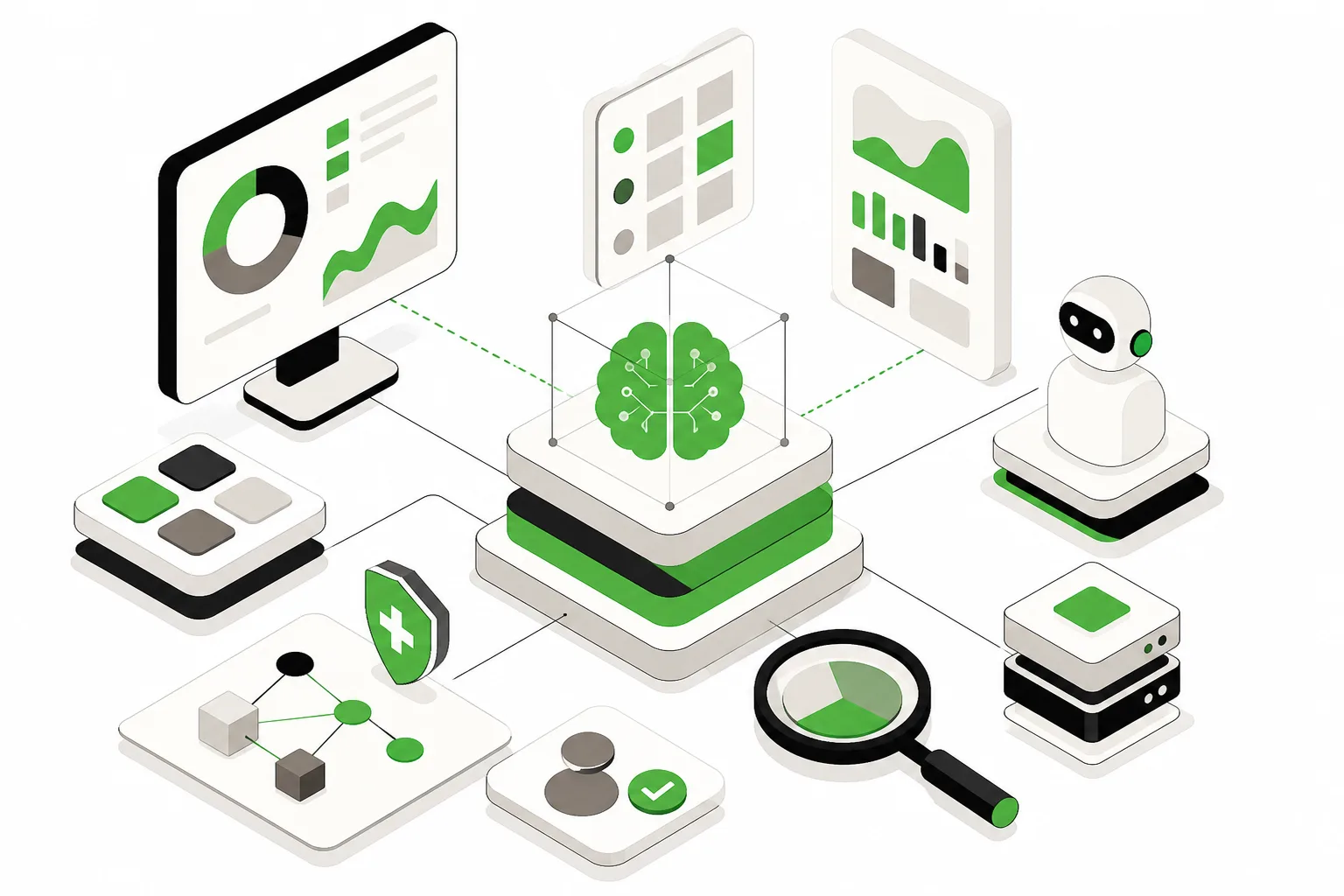
The most useful reporting frameworks are simple enough to maintain and detailed enough to guide action. Start with a focused set of service lines, locations, and question types. Then measure visibility repeatedly over time rather than treating AI search as a one-time audit.
A workable framework usually includes:
- Prompt sets by intent: branded, non-branded, local, comparative, and condition-based queries
- Visibility outcomes: mention, citation, inclusion, or absence
- Accuracy checks: services, locations, phone numbers, insurance, and provider details
- Competitive comparisons: which facilities appear more often and in what context
- Business outcomes: calls, form submissions, and qualified inquiries tied to affected pages
This is where tracking ai search visibility metrics becomes more than a reporting exercise. It gives healthcare teams a way to prioritize content updates, local listing cleanup, and authority-building efforts based on what AI systems are actually surfacing.
Common Visibility Gaps In Healthcare AI Search
Thin Service Pages
Many facility websites still rely on short service descriptions that were written for basic SEO, not for answer generation. If your pages do not clearly explain who you help, what treatment includes, how admissions work, and what makes your program distinct, AI systems have less usable material to reference.
Weak Entity Consistency
Inconsistent business data across your website, directories, and profiles can make AI systems less confident about your facility. This includes name variations, outdated locations, conflicting service details, and inconsistent provider information.
Missing Comparative Content
Patients often ask AI systems to compare options. Queries like inpatient versus outpatient care, detox versus residential treatment, or local provider alternatives are common. Facilities that avoid comparison content often lose visibility to publishers or competitors that address these questions directly.
Low Third-Party Validation
If your digital footprint relies almost entirely on your own website, your authority may be weaker than you think. Reviews, credible citations, and brand mentions across trusted sources can reinforce your legitimacy in AI-driven results.
How To Use The AI Search Optimizer Tool Effectively
A good visibility tool should help your team move from guesswork to repeatable analysis. Emarketed’s AI Search Optimizer is useful here because it gives healthcare marketers a faster way to assess how their site shows up across AI-driven environments and where improvement is needed.
Start by running your core domain and reviewing visibility patterns tied to major service pages. Focus first on the pages that drive admissions, appointments, or high-value inquiries. If those pages are weak in AI search, that is the first problem to solve.
Next, compare results against the questions real patients ask. Are your treatment pages clear enough to be cited? Are local pages specific enough to support geographic recommendations? Are your FAQs answering the same concerns intake teams hear every day? The tool should guide these decisions, not replace them.
From there, turn findings into action:
- Refresh priority pages with clearer service explanations and stronger structured content.
- Fix inconsistent business details across the web.
- Add content that addresses comparison and decision-stage questions.
- Strengthen supporting topical coverage around conditions, treatments, and patient concerns.
- Recheck visibility after updates to confirm whether inclusion improves.
What Healthcare Teams Should Do Next
AI search is already influencing how patients evaluate care options, and the facilities that win visibility are usually the ones with better clarity, stronger authority, and more consistent information. That makes measurement a leadership issue, not just a marketing task.
If you manage growth for a hospital, clinic, behavioral health center, or specialty practice, start with a baseline audit. Identify where your facility appears, where it is missing, and where AI-generated answers are getting your information wrong. Then use those findings to tighten your content, local signals, and authority strategy.
The teams that build this reporting discipline now will have a much better shot at owning the next wave of healthcare discovery. If you want a faster starting point, run your facility through the AI Search Optimizer, document the gaps, and make your highest-intent pages the first place you improve.