Why Podcast Ads Deserve Another Look
Podcast ads are easy to overlook in 2026 media plans, but rising audio scale, stronger attention, and better measurement make them worth testing again.
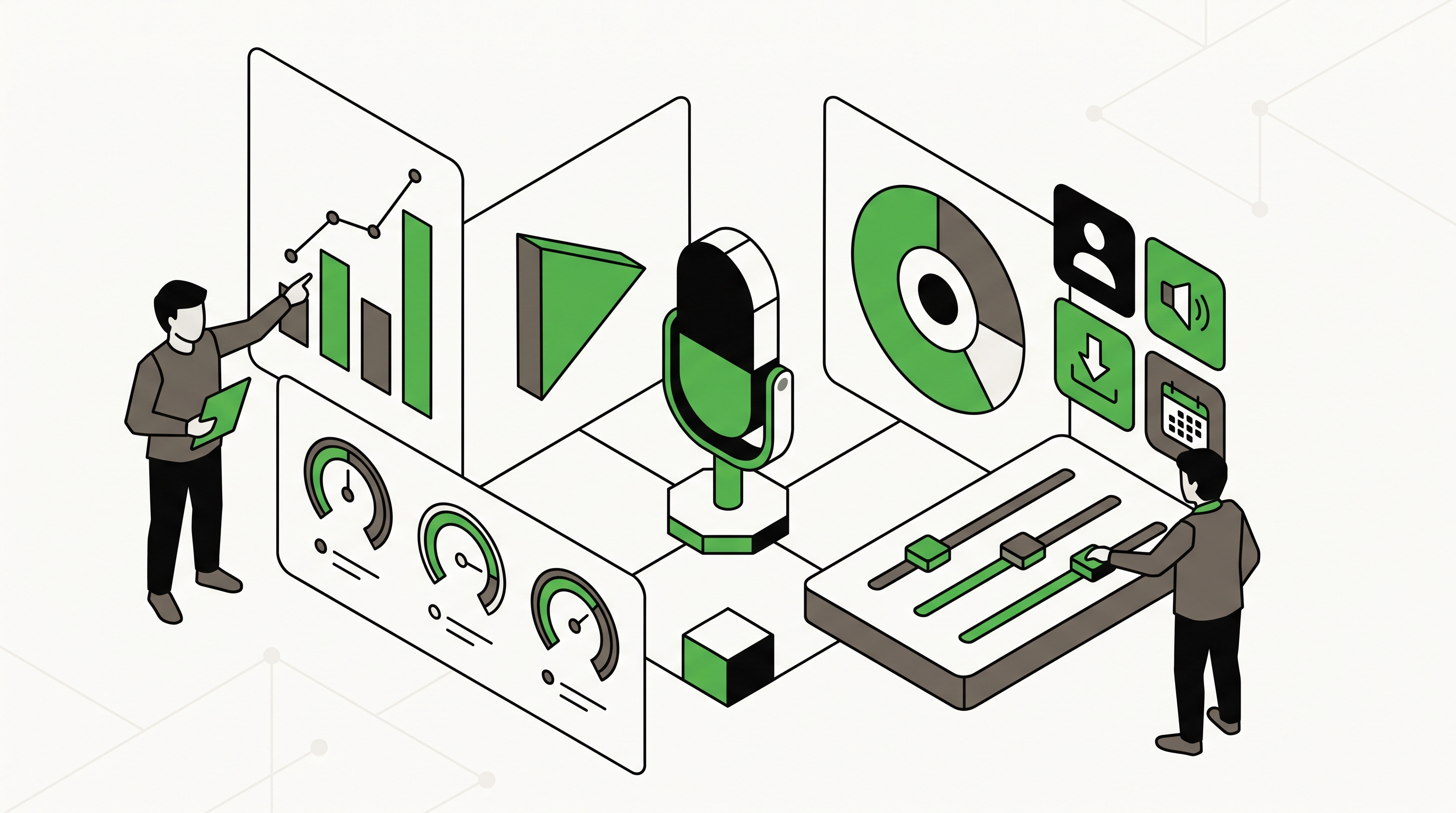
Podcast ads deserve another look in 2026 because most media plans still overvalue crowded visual channels and undervalue moments when people are actually listening.
That gap looks harder to ignore after Spotify said on August 4 that it reached 300 million Premium subscribers and 777 million monthly active users. Spotify also says its platform now includes 7 million podcast titles across 184 markets. At the same time, IAB says podcast advertising is projected to top $2 billion this year and approach $2.6 billion by 2026. This is not a niche channel anymore. It is a channel marketers keep pushing down the list because it does not look as flashy in a dashboard.
Visual Channels Keep Getting More Crowded
Most advertisers have spent the last few years chasing more inventory on feeds, more placements on short-form video, and more automation inside the same platforms their competitors already use.
That is not always wrong. It is just incomplete.
The practical problem is attention. A visual ad competes with every scroll, every tab, every notification, and every other brand trying to say something louder. Audio behaves differently. Spotify’s ad team says two out of three podcast listeners give podcasts their full attention and that one in three respondents listen because podcasts are screenless. If your media mix is overloaded with screen-based ads, that matters.
Podcasts Reach People In Useful Moments
One reason podcast ads keep getting underestimated is that they do not fit the usual “last click or it did not matter” mindset.
Spotify says 81% of podcast streams on its platform happen on weekdays, 35% during commuting hours, and 77% on mobile. That is a strong signal that audio shows up in the middle of real routines, not just entertainment binges. People listen while driving, walking, working out, cooking, or getting through admin work.
Those are valuable moments for categories that need repetition, credibility, or a little explanation before the buyer acts. B2B services, healthcare brands, home services, and specialty ecommerce companies all live in that zone. They do not always need another impression. They need a moment where the prospect actually absorbs the message.
Audio Is Easier To Measure Than A Lot Of Marketers Assume
Another outdated assumption is that podcast ads are good for awareness but too fuzzy for performance.
That is getting less true. Spotify’s ad analytics platform says advertisers can track campaign delivery, conversion lift, brand lift, and actions like purchases, leads, and add-to-cart events. Its benchmark report also says 1 in 5 podcast listeners who engage with an advertiser end up converting.
That does not mean every brand should dump budget into audio tomorrow. It does mean podcast ads should be judged with the same seriousness as other paid channels, especially for advertisers already running mature search, social, or retargeting programs. If your team is already doing the work to improve paid media optimization and tighten your paid ads strategy, audio is not some side experiment anymore. It is part of the real test set.
What Smart Tests Should Look Like
Do not start by buying broad reach and hoping the channel magically performs.
Start with audience logic. Pick shows where the host, topic, and listener mindset line up with the product. Use one clear offer or one clear problem statement. Build measurement around branded search lift, assisted conversions, lead quality, and post-exposure action, not just coupon-code attribution.
Creative matters too. Podcast ads usually work better when they sound conversational instead of forced or overproduced. That is a useful filter for any marketer who tends to force radio-style creative into digital audio.
Podcast ads are not a replacement for search, social, or email. They are a reminder that attention is still the scarce asset in media buying. The brands that treat audio like a serious channel instead of a leftover line item may find that some of the best inventory left is the inventory other marketers still ignore.