How To Audit Your Google Business Profile Like A Marketer
Most GBP audits stop at NAP. A real marketing audit checks category fit, reviews, photos, landing-page paths, and conversion signals that drive leads.
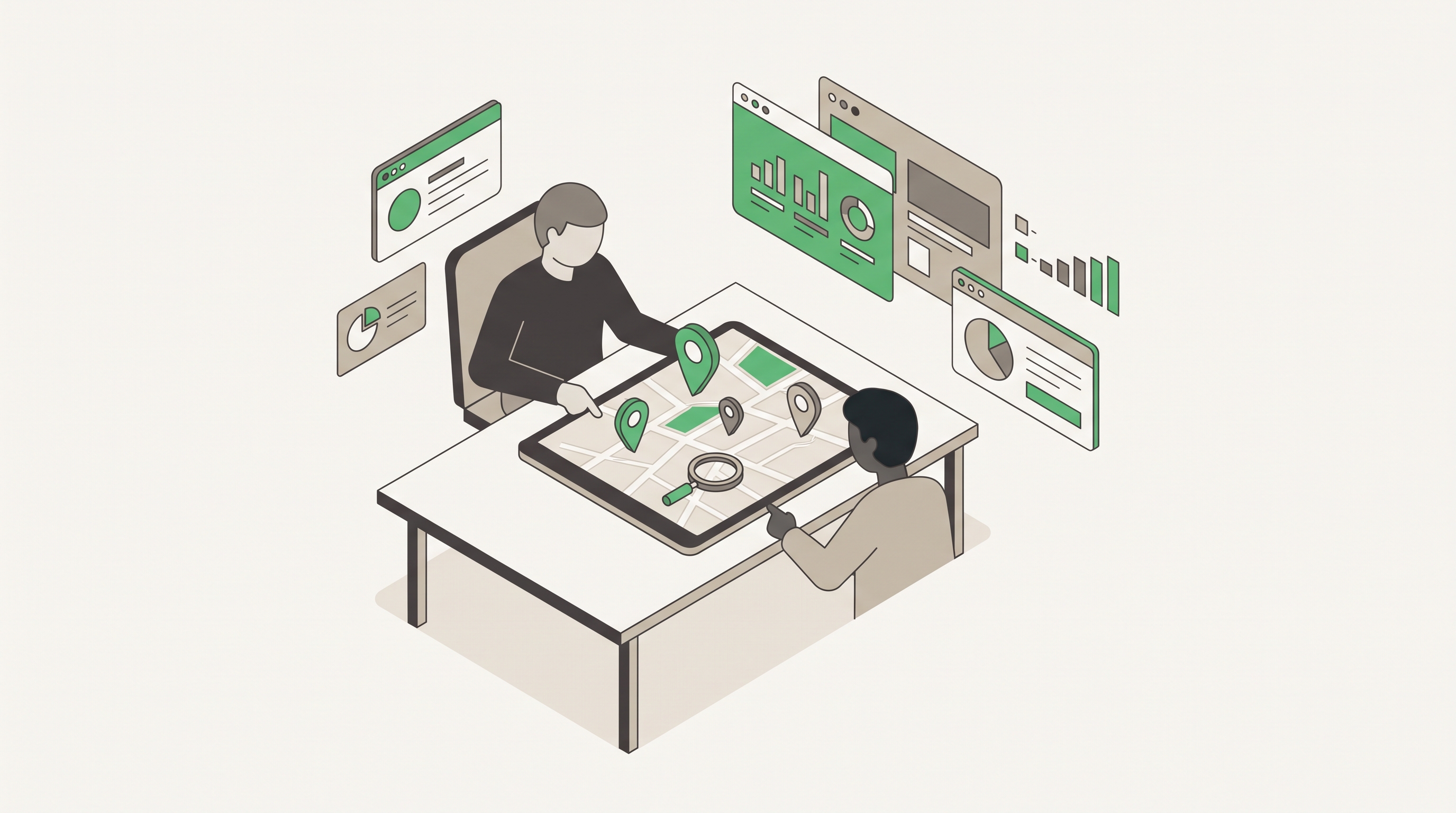
Most Google Business Profile audits are too shallow to be useful.
They check name, address, phone number, and maybe business hours. Then they call it done. That is not a marketing audit. That is a data-entry audit.
Google says local visibility is driven mainly by relevance, distance, and prominence. Distance is not something most businesses can control. Relevance and prominence are. That means your profile should be reviewed like a demand-generation asset, not just a listing that needs occasional cleanup.
If you want more calls, direction requests, form fills, and better-fit local leads, use this checklist.
Check Category Fit Before You Touch Anything Else
The primary category still does more strategic work than many marketers admit.
Google’s category guidance says you should choose the category that best matches what the business does and use additional categories only where they genuinely fit. That matters because weak category choices distort everything downstream. You can have strong reviews, good photos, and a solid website, then still show up for the wrong searches because the category signal is muddy.
Start the audit with four questions:
- Does the primary category match the main revenue-driving service?
- Do secondary categories support real offerings, not keyword wishes?
- Do listed services reinforce those categories?
- Does the website headline use the same commercial language the profile implies?
This is where local businesses often drift. The profile says one thing, the website says another, and the service list stays generic. If the profile points to broad visibility but the site is built for one narrow offer, you get mismatched traffic instead of better leads.
That is also why a GBP audit should sit close to your broader SEO work, not off by itself.
Audit Completeness Like It Affects Conversion, Because It Does
Google’s profile editing guidance is direct: complete and accurate information helps customers understand what you do, where you are, and whether you are a fit. It specifically calls out category, service area, attributes, photos, and business description as meaningful profile elements.
That is the operational checklist most marketers should use:
- business hours, including special hours
- service area, when relevant
- business description that explains what makes the company different
- attributes that reduce uncertainty
- services with real descriptions instead of empty labels
- website and contact paths that lead somewhere useful
The rule is simple: if a prospect has to click away just to learn what you actually offer, the profile is under-explaining the business.
Review Photos Like A Sales Asset, Not A Decoration Layer
Photos are one of the easiest ways to tell buyers what kind of experience to expect.
Google’s photo guidance says photos and videos make the profile more attractive, help customers recognize the business, and show storefronts, products, and services more clearly. That means the audit should not stop at whether photos exist. It should check whether the photos help a buyer trust the business faster.
Look for:
- outdated exterior shots
- weak cover imagery
- missing team, product, or service proof
- low-quality uploads that make the business feel neglected
- photos that do not match the current brand or location reality
For local-service businesses, the best profile galleries usually answer the question, “What will I actually experience if I contact or visit this business?” That is not cosmetic. It is trust-building.
Treat Reviews As A Visibility And Conversion Channel
Reviews do not just shape reputation after discovery. They influence discovery itself.
Google says more reviews and positive ratings can help local ranking. BrightLocal’s 2026 Local Consumer Review Survey adds the market reality: 68% of consumers say they will only use a business with four stars or more, and 31% only use businesses with 4.5 stars or more.
That changes how a marketer should audit reviews. Do not just count them. Check:
- average star rating
- review recency
- response rate
- whether replies sound human and specific
- whether reviewers keep mentioning the same strengths or the same problems
If the same complaint shows up repeatedly, that is not just a reputation issue. It is a messaging issue, an operations issue, or both. If the same strengths show up repeatedly, your website and profile copy should reinforce them.
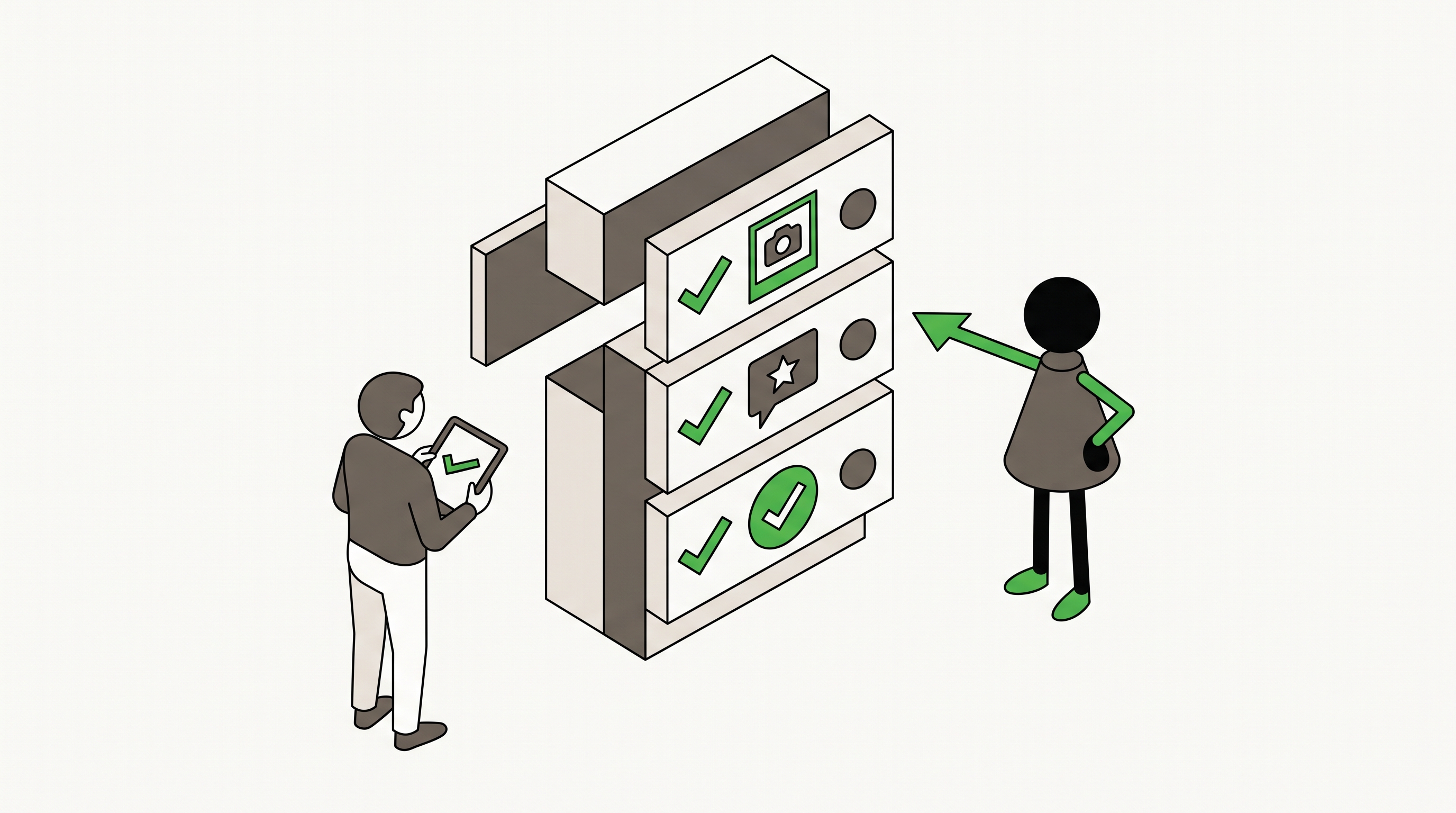
Audit The Click Path After The Profile
A Google Business Profile does not close the loop by itself. It hands people off.
That means one of the most important parts of the audit is the destination after the click:
- Does the website link send people to the right page?
- Does that page match the service intent signaled in the profile?
- Is the page mobile-friendly and clear about next steps?
- Are calls, bookings, and forms easy to complete?
This is where plenty of profiles quietly waste good visibility. The listing is solid, but the click lands on a weak homepage, a slow mobile page, or a service page that sounds generic.
For marketers, this is the bridge between local SEO and website development. If the profile promise and the landing-page experience do not line up, traffic quality suffers after the click.
Use Performance Data To Decide What To Fix First
Google’s Business Profile performance report gives you visibility into interactions, searches, views, calls, website clicks, and direction requests. Google Analytics now also supports GBP integration, which helps connect profile behavior to the wider customer journey.
That means the audit should end with a prioritization pass, not a vague list of observations. Check:
- which search terms are surfacing the profile
- whether clicks and calls are trending up or down
- whether direction requests match the right locations
- whether the profile is generating branded demand only or also non-branded discovery
- whether website behavior from profile traffic suggests strong or weak intent
If searches are broad but actions are weak, the profile may be attracting the wrong audience. If review volume is fine but website clicks do not convert, the landing-page handoff may be the real problem. If direction requests rise but calls stay flat, the business may be winning in-person intent while losing service-intent clarity.
What To Fix This Week
If you are doing a GBP audit this week, start in this order:
- confirm category and service alignment
- clean up incomplete or outdated profile fields
- improve weak or missing photos
- tighten review response habits and recency
- check where the profile sends traffic and what happens after the click
- use performance data to prioritize the highest-leverage fix
That is the real shift. A Google Business Profile should not be treated like a side listing you update when you remember. It is one of the clearest local buying surfaces your business owns.
If the profile is visible but not producing enough good action, do not ask only how to rank it higher. Ask whether it is doing enough to earn the click, support the visit, and move the lead toward the next step.