Google Business Profile Post Views Are Back
Google Business Profile post views are back. Local businesses should use them to test offers, events, and updates without overrating raw views alone.
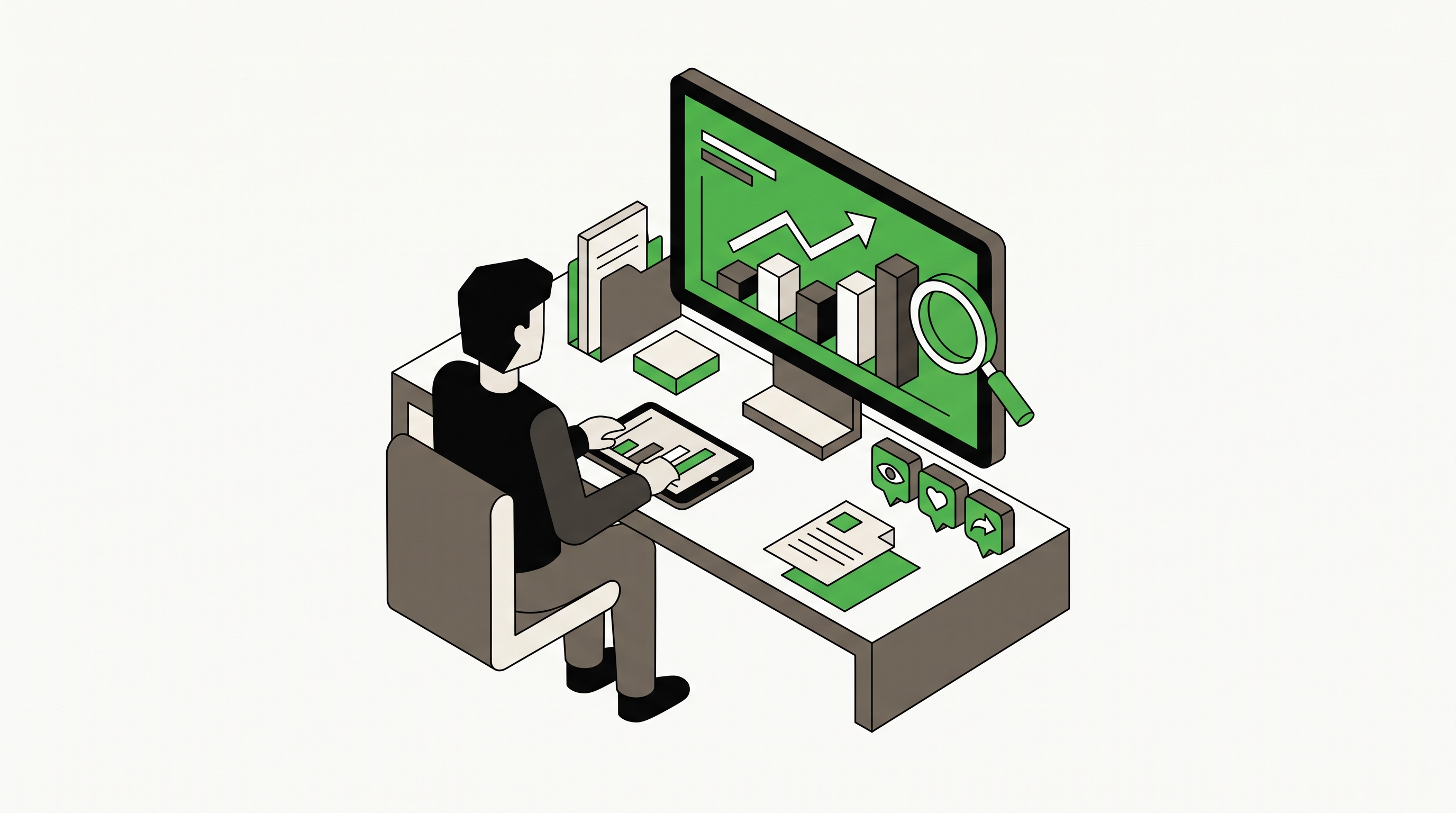
Google Business Profile posts just became measurable again, which gives local businesses a useful signal they should not overrate.
Search Engine Journal reported on September 10 that Google is rolling out post view counts inside the Business Profile dashboard. The new reporting covers posts from the past 18 months, combines views from Search and Maps, and includes updates, offers, and events. That is good news for local marketers who have been posting into a black box since Google retired post-level views and clicks in 2023.
The practical takeaway is simple: treat post views as a content testing signal, not proof that your local SEO is working. For businesses investing in local SEO or broader SEO services, the number is most useful when it helps you decide which messages deserve better placement across the rest of your marketing.
What Changed Inside The Dashboard
Google Business Profile posts now show a view count on each post card in the dashboard. According to the same Search Engine Journal report, the rollout is global, but the data is not available in the API yet.
That limitation matters. A single-location business can log in, compare recent posts, and spot patterns quickly. A multi-location brand still has a reporting problem because a dashboard number does not automatically become a performance report across dozens or hundreds of profiles.
PinMeTo noted the same gap: for now, the metric is useful for manual review, but it is not ready for estate-wide reporting pipelines. Google also has not clearly defined whether a view means a unique person, a repeated appearance, or another counting method.
The Metric Is Useful, But Incomplete
Views answer one question: did the post get seen? They do not answer whether someone called, requested directions, clicked through, booked, bought, or chose your business.
That does not make the metric useless. It makes it directional. If an urgent offer gets 3x the views of a generic update, your market may be responding to specificity. If event posts consistently outperform broad brand updates, your audience may care more about dates and reasons to act than general visibility. If every post gets weak views, the issue may be profile visibility, category fit, search demand, or the post itself.
The mistake is turning the metric into another vanity report. A business does not win because a Google post was viewed. It wins when that post supports a stronger local conversion path: accurate services, fresh photos, reviews, local landing pages, tracked calls, and a website that makes the next step obvious.
How Local Businesses Should Use It
Start by checking posts from the last 18 months and grouping them by type: offers, events, updates, service announcements, hiring posts, seasonal messages, and proof-driven posts. Look for obvious winners and losers.
Then ask a better question than “which post got the most views?” Ask what the strongest posts had in common. The pattern may be the offer, the timing, the image, the service category, the season, or the fact that the post answered a real customer concern instead of repeating generic brand copy.
For local service businesses, the best next step is a 30-day test:
- Publish one specific offer, event, or service update each week.
- Use plain customer language in the first sentence.
- Match each post to a relevant service page or appointment path.
- Track post views alongside calls, website clicks, direction requests, and form leads.
- Reuse the winning angle in ads, email, social posts, and on-page copy.
This is where local SEO and social media management should work together. A Google post should not be an isolated chore. If a message earns attention in Search and Maps, it may also deserve a short video, an email subject line, a paid ad test, or a homepage module.
The Monday Morning Move
Do not rebuild your local strategy around one revived metric. Use it to make your local content less lazy.
Open your Business Profile, sort through recent posts, and identify the three messages that earned the most visibility. Then compare those posts against actual business actions. If views and leads line up, repeat the angle. If views are high and leads are weak, fix the offer or the landing path. If views are low across the board, your profile may need stronger fundamentals before posting cadence matters.
Google gave local marketers a useful signal back. The businesses that benefit will be the ones that connect it to calls, visits, booked appointments, and real customer intent.