AI Does Not Kill B2B Sales Calls
AI agents now handle more B2B research, but sales calls still decide complex deals. Here is why validation, risk control, and trust matter more in 2026.
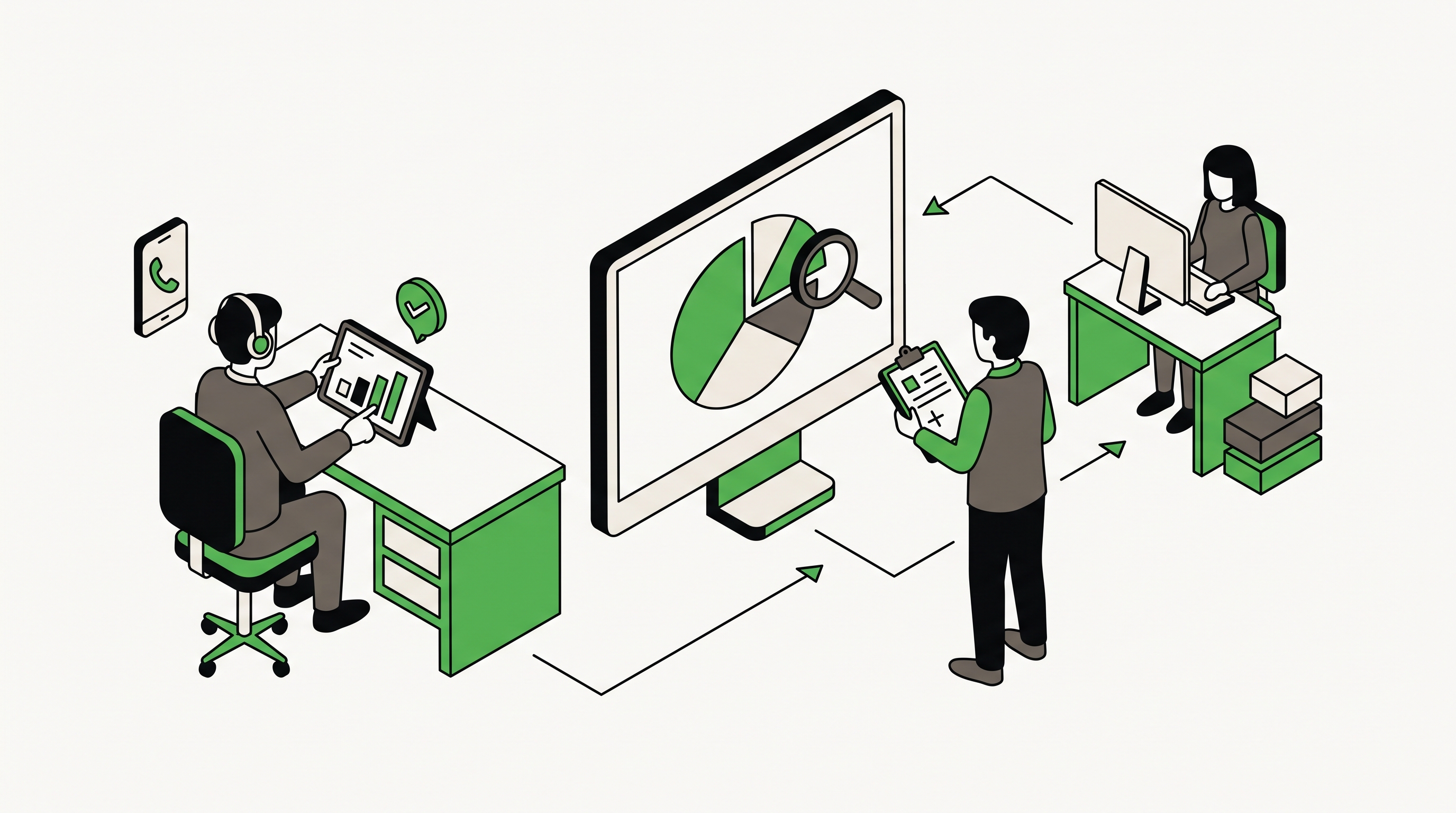
AI does not kill B2B sales calls. It changes what those calls are for.
That shift matters more this week because the newest agent releases are pushing more research, drafting, and workflow work upstream. OpenAI said in its new How agents are transforming work research that agentic use is moving from short prompts into longer, delegated tasks that run for minutes or hours. Anthropic made the same point from the product side when it launched Claude Sonnet 5, describing a model that can plan, use tools, and complete end-to-end work that used to stall halfway.
That does not make the sales conversation less important. It makes the validation step more important.
The Research Phase Is Getting Compressed
The old sales motion assumed buyers arrived with partial information. They searched, clicked around, compared vendors, and used the call to gather basic facts. That assumption is getting weaker fast.
Between agentic research tools, comparison prompts, and long-running task flows, buyers can now show up with a rough shortlist, draft requirements, and a first opinion about category fit before a rep ever joins the conversation. That is consistent with Gartner’s May 20, 2026 survey, which found that 45% of B2B buyers already use GenAI to gather information on vendors and products.
So yes, AI is doing more of the early homework. But that same Gartner survey found that 69% of buyers still turn to sales reps to validate AI-generated insights. The takeaway is simple: information is getting automated faster than confidence.
Sales Calls Now Carry A Different Job
If AI can summarize options, compare features, and frame the category, the call should not waste time repeating what the buyer already knows.
The real job of the call is now validation:
- confirm whether the AI summary was accurate
- surface tradeoffs the prompt missed
- explain implementation risk in plain language
- connect the offer to the buyer’s real constraints
That is where generic demos and broad capability decks start to break down. Buyers do not need another scripted overview if an agent already gave them one. They need someone who can reduce uncertainty.
This is also why stronger lead generation systems matter more than ever. If the buyer reaches you later in the journey, the website, form flow, CRM handoff, and sales response all need to assume a warmer but more skeptical prospect.
The Trust Gap Is Where Teams Still Win
AI can make a vendor sound plausible. It cannot fully carry the trust burden on its own.
That gap is where human teams still have room to outperform. A strong rep can challenge a bad assumption, explain what success actually requires, and make the buyer comfortable with a decision that has budget, operational, or career risk attached to it. An agent can prepare that conversation. It does not replace the moment where someone needs to believe the recommendation will hold up inside the real business.
At Emarketed, we have seen the same pattern in B2B execution. Metrex Valve deployed an AI sales agent through Emarketed and now generates roughly 20 qualified leads per month on autopilot. That result matters, but not because AI eliminated the human layer. It matters because the system handles the repeatable research and qualification work, while the business still controls how trust, fit, and next steps get validated.
The same logic shows up in our post on turning sales calls into content that AI can cite. The questions buyers ask on calls are still one of the best signals for where trust is weak and where AI-generated research needs human correction.
What To Change This Month
The smart move is not to treat AI as a replacement for B2B sales. The smart move is to redesign the handoff between AI research and human validation.
Start by reviewing your call structure. Cut the parts a buyer can get from a prompt. Spend more time on decision risk, rollout friction, pricing logic, and proof. Then review the sales questions that keep coming up and build pages, comparisons, and case-backed answers around them so your brand gets represented more accurately before the call even happens.
AI will keep compressing the research stage. That part is not slowing down. The opportunity is to make sure your team owns the moment where compressed research turns into decision confidence.