Prompt Libraries Vs Workflow Packages
Prompt libraries can start AI adoption, but packaged workflows are what teams can repeat, govern, approve, and confidently buy as AI work turns operational.
If your AI offer still starts and ends with a prompt library, you are packaging the wrong asset.
That is the clearest takeaway from this week’s product direction. On July 9, OpenAI said ChatGPT Work can take action across apps and files, stay with a project for hours, and create finished sheets, slides, docs, and Sites. The same day, OpenAI’s release notes said Work can keep projects moving through scheduled tasks and that users can approve important actions as it works. OpenAI also replaced the App Directory with a Plugin Directory built around packaged workflow capabilities, not loose tool access.
That matters because it shows where the market is going. Buyers are moving past “give my team better prompts” and toward “give my team a repeatable workflow we can trust.”
Prompt Libraries Still Matter, But They No Longer Win The Deal
Prompt libraries are not useless. They help teams standardize tone, reduce blank-page syndrome, and make first-wave AI adoption less chaotic.
The problem is that a prompt library is usually only half a system. It tells someone what to ask, but not what inputs are approved, what sources are allowed, what must be reviewed by a human, what gets stored, what happens next, or how the result connects to the rest of the workflow.
That gap gets more obvious as AI moves into real operating work. OpenAI’s new AI workflow packager is explicit about the difference. The guidance is to package the workflow, not just the final output, and to state what a person must verify, edit, approve, or decide before using the result.
That is a much higher standard than “here are 20 prompts for your marketing team.”
A Workflow Package Solves The Parts Prompts Leave Out
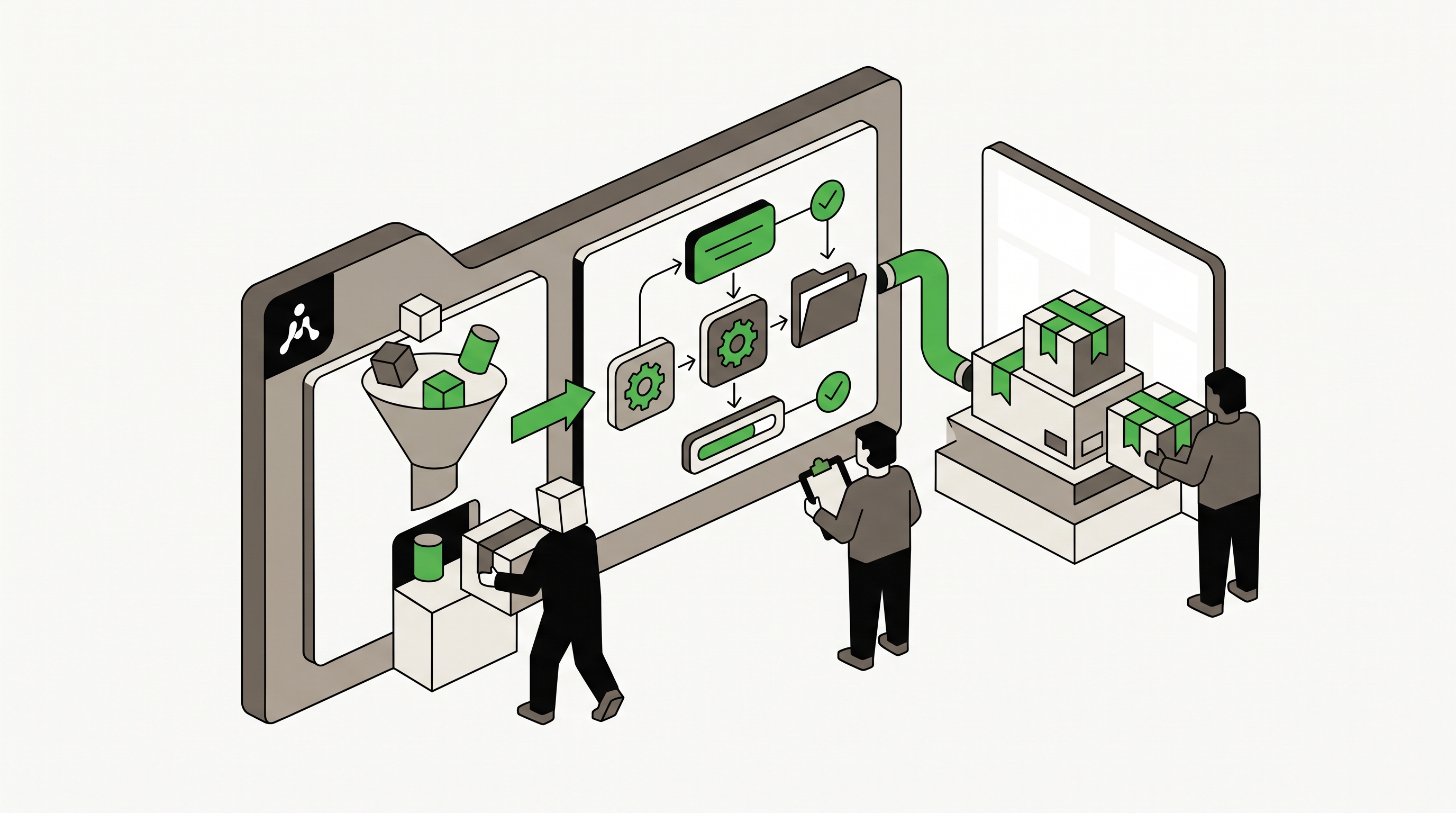
A workflow package is more than prompt text. It bundles the instruction layer, the tools, the inputs, the approval rules, and the maintenance logic into something another person can run without relying on the original builder to explain every step.
OpenAI now describes plugins as packaged capabilities for a workflow, combining skills, apps, and templates in one container. Anthropic has been pushing the same operating model. Its Claude for Small Business package ships with ready-to-run workflows across finance, sales, marketing, HR, and customer service, and Anthropic says Claude does the work while the user approves before anything sends, posts, or pays.
That difference matters in practice:
-
A prompt library helps someone draft a campaign.
-
A workflow package can pull the inputs, draft the campaign, route it for approval, and keep the rules consistent the next time.
-
A prompt library helps someone brainstorm a report.
-
A workflow package can gather the data, format the report, flag anomalies, and document what a person still has to review.
This is why the commercial value is shifting. Teams do not just want better prompts. They want something repeatable enough to trust.
The Better Comparison Is Prompt Asset Vs Operating Asset
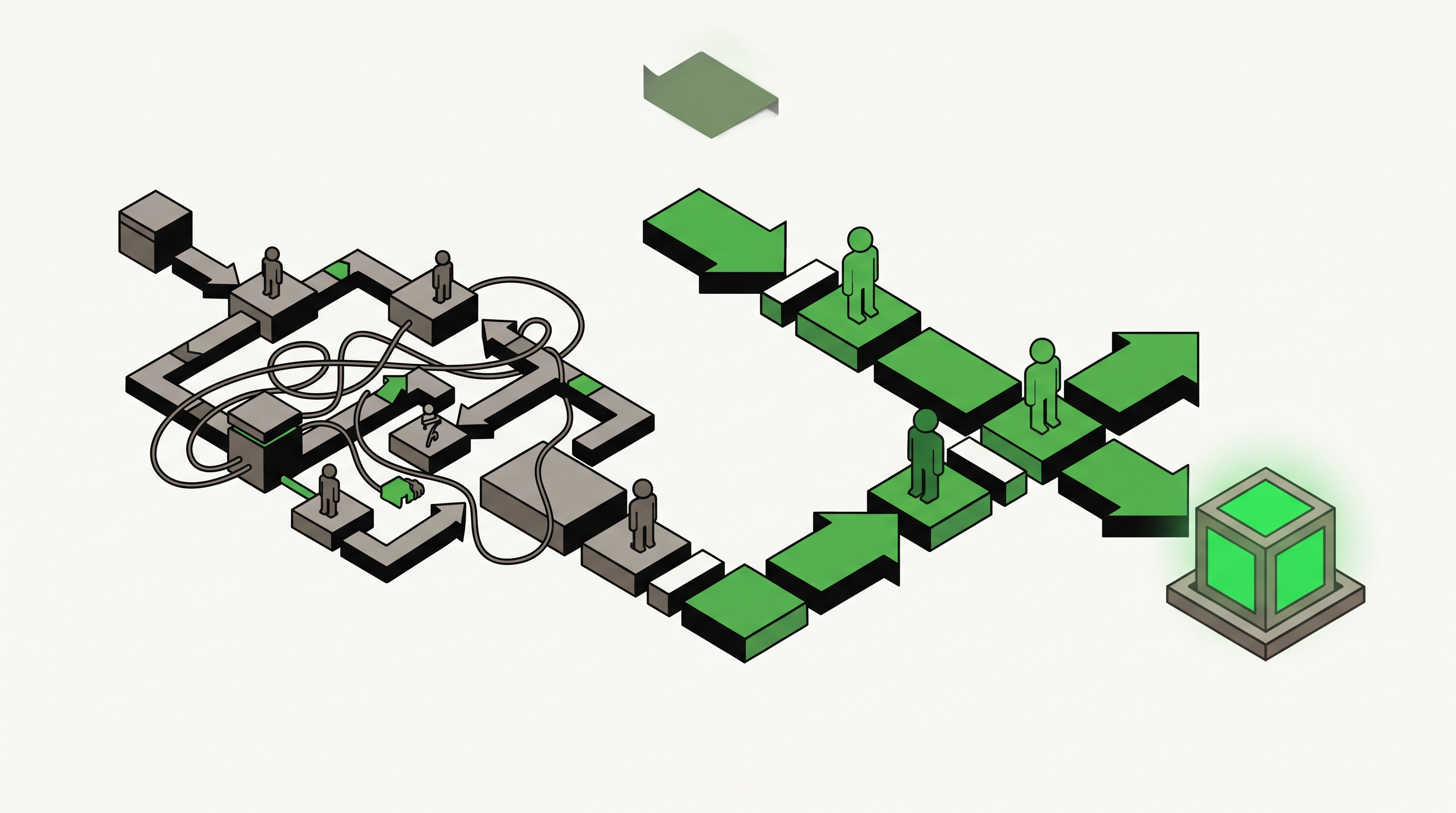
If you are selling or deploying AI, this is the comparison that matters now.
Prompt Library
A prompt library is best for:
- one-off drafting
- individual productivity
- experimentation
- tone or format consistency
It usually breaks down when:
- multiple tools are involved
- source quality matters
- outputs affect customers or revenue
- approvals, timing, or ownership are unclear
Workflow Package
A workflow package is best for:
- repeated tasks with stable steps
- cross-functional handoffs
- work that needs guardrails
- tasks where the team wants measurable before-and-after value
It gets stronger when:
- the inputs are defined
- the review points are explicit
- the owner is clear
- the same process happens weekly or monthly
Anthropic’s marketing team preview shows the difference well. In its Claude Cowork webinar page, one example is a Google Ads workflow that mines search terms, flags negatives with reasoning, and waits for approval before changing anything. That is not just a good prompt. That is an operating asset.
What Buyers Will Actually Pay For
The reason this matters commercially is simple. Prompt libraries are becoming easier to copy, while workflow packages are becoming easier to justify.
Buyers can get generic prompting help almost anywhere now. What they cannot get as easily is a workflow that is mapped to their tools, their review standards, their reporting needs, and the specific KPI they care about.
That is why the better offer usually looks closer to AI marketing agents or marketing automations than to a vague AI consulting bundle. The value is not that the system can write. The value is that it can do the same useful job repeatedly without creating more operational mess.
At Emarketed, we have seen this play out in the real world. Metrex Valve deployed an AI sales agent through Emarketed and now generates roughly 20 qualified leads per month on autopilot. That result is not a prompt-library story. It is a workflow story.
How To Upgrade Your AI Offer This Month
If you are an agency, operator, or in-house marketing leader, the fastest upgrade is to stop packaging isolated prompts as if they are the finished deliverable.
Start here instead:
- Pick one repeatable task that already happens every week or month.
- Define the required inputs and approved data sources.
- Write the prompt or instruction set second, not first.
- Document what must be reviewed, edited, approved, or escalated by a person.
- Name the workflow owner and the fallback if the AI output is wrong.
- Tie the workflow to one business outcome, such as speed, lead quality, reporting consistency, or reduced manual work.
That is also the practical lesson inside OpenAI’s workflow packaging guidance. The package has to make clear who should use the workflow, how to run it, what evidence supports it, and what claims are still not supported.
In other words, the asset is not the prompt. The asset is the repeatable system around it.
Recommendation: Keep The Prompts, Sell The Package
This is not an argument to throw your prompts away. Good prompts still matter. They are just no longer the most valuable part of the stack.
The stronger position in 2026 is to keep the prompt as a component and sell the workflow package as the product. That means packaged inputs, approvals, roles, tools, owners, and outcomes.
Teams that understand this shift will build AI systems other people can actually use. Teams that keep shipping prompt libraries as the main event will keep wondering why their adoption stalls after the demo.
The market is telling you what it wants now: not more prompt cleverness, but repeatable AI work that survives contact with real operations.