Why Small Creators Beat Big Influencers in 2026
Small creators are winning social budgets in 2026 because trust, tighter audience fit, and believable content now matter more than polished reach alone.
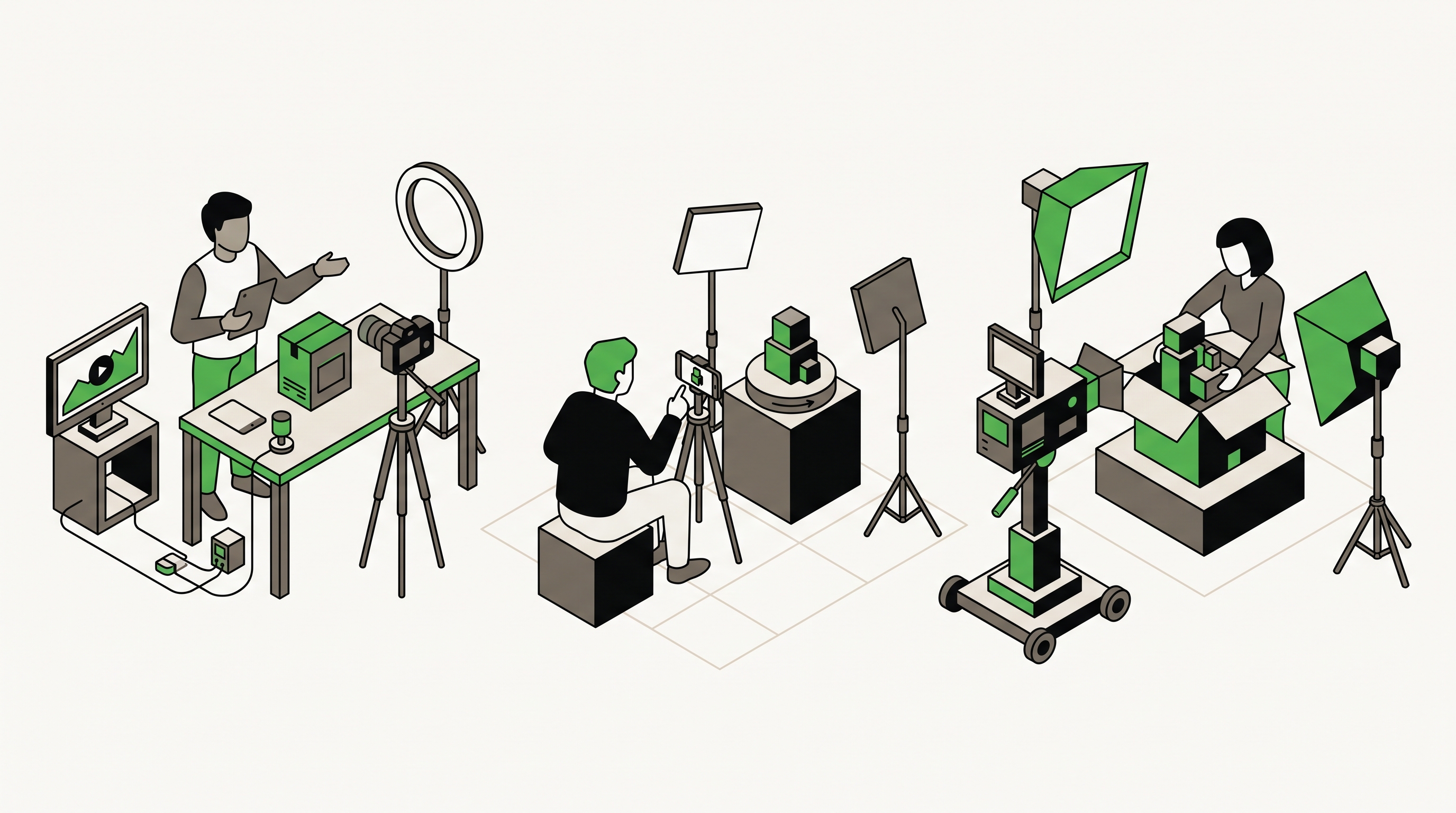
Small creators are taking budget from big influencers because social reach is getting less valuable on its own. What brands need now is believable content, tighter audience fit, and proof that a real person would actually talk about the product or service without sounding scripted.
That shift showed up clearly this week when The Wall Street Journal reported that brands are increasingly using creators with extremely small followings, sometimes as low as 500 followers, instead of defaulting to big-name influencer deals. The same report said the share of spend going to nanoinfluencers under 5,000 followers is projected to hit 19.9% in 2026, up from 3.1% in 2021. That is not a niche tactic anymore. It is a signal that polished reach is losing ground to credible recommendation behavior. You can read the WSJ report here.
Why This Shift Matters
Big follower counts still buy visibility, but visibility is not the same thing as persuasion. A local service company, B2B brand, clinic, or ecommerce store usually does not need a celebrity. It needs content that feels close enough to the buying decision to reduce doubt.
That is where smaller creators outperform. Their posts often look more like a recommendation than a campaign. Their audience overlap is usually tighter. Their content tends to feel less rehearsed. In a feed full of overproduced brand work, that difference matters.
HubSpot’s 2026 State of Marketing report points at the same broader pressure from another angle: trust and brand point of view are becoming growth levers while generic content gets easier to ignore. Smaller creator programs fit that reality well because they force brands to lean on specificity instead of polish.
What Instagram Rewards Now
This is not only a budget story. It is also a platform-behavior story.
Instagram’s own explanation of how ranking works makes the core point pretty clear: what people do with content matters more than the old assumption that a large audience guarantees reach. Saves, shares, watch behavior, and relevance signals shape distribution. That means a believable video from a small creator can outperform a cleaner piece from a larger account if the audience actually responds to it.
For businesses, the takeaway is simple. Stop asking, “Who has the biggest audience?” Start asking:
- who already talks like our buyer
- who can show the product or service naturally
- who can make the offer feel credible, not staged
That is the same logic behind stronger social media management. Good social work is not about copying creator aesthetics. It is about publishing proof that makes the business easier to trust.
Where Brands Get This Wrong
A lot of small-business and mid-market teams will read this shift and jump straight to “cheap influencer marketing.” That is the wrong lesson.
If you recruit small creators but hand them stiff talking points, the content still fails. If you push employees or customers into brand-voice scripts, the content still feels fake. If you trade money or product for posts and get sloppy about disclosure, you create a trust problem instead of solving one.
The FTC’s guidance on endorsements, influencers, and reviews is the part too many brands want to skip. If there is a material relationship, it needs to be disclosed clearly. That matters even more when the whole strategy depends on content feeling authentic. Hidden sponsorship turns “real person proof” into the exact kind of marketing people distrust.
What Smaller Brands Should Do Next
Most brands do not need a giant creator roster. They need five to ten people who are actually close to the audience and product.
That group might include:
- current customers
- employees who already post naturally
- niche local creators
- subject-matter voices with modest but relevant followings
The better play is to give them something real to show: a before-and-after, a product-in-use moment, a behind-the-scenes detail, a result, a process, or a reason they chose you. That is much closer to the practical standard we laid out in Social Media For Businesses That Are Not Pretty Or Viral. Buyers do not need more polish. They need something believable enough to remember.
If this shift keeps accelerating through the second half of 2026, more brands will realize they were not underinvesting in reach. They were underinvesting in credibility. The next move is to audit who can create that credibility for you, then build a program that feels like recommendation content instead of rented attention.