Your Storefront Is Becoming Ad Inventory
McDonald's media network pilot shows where commerce media is headed. Brands should audit owned touchpoints before turning attention into ad inventory.
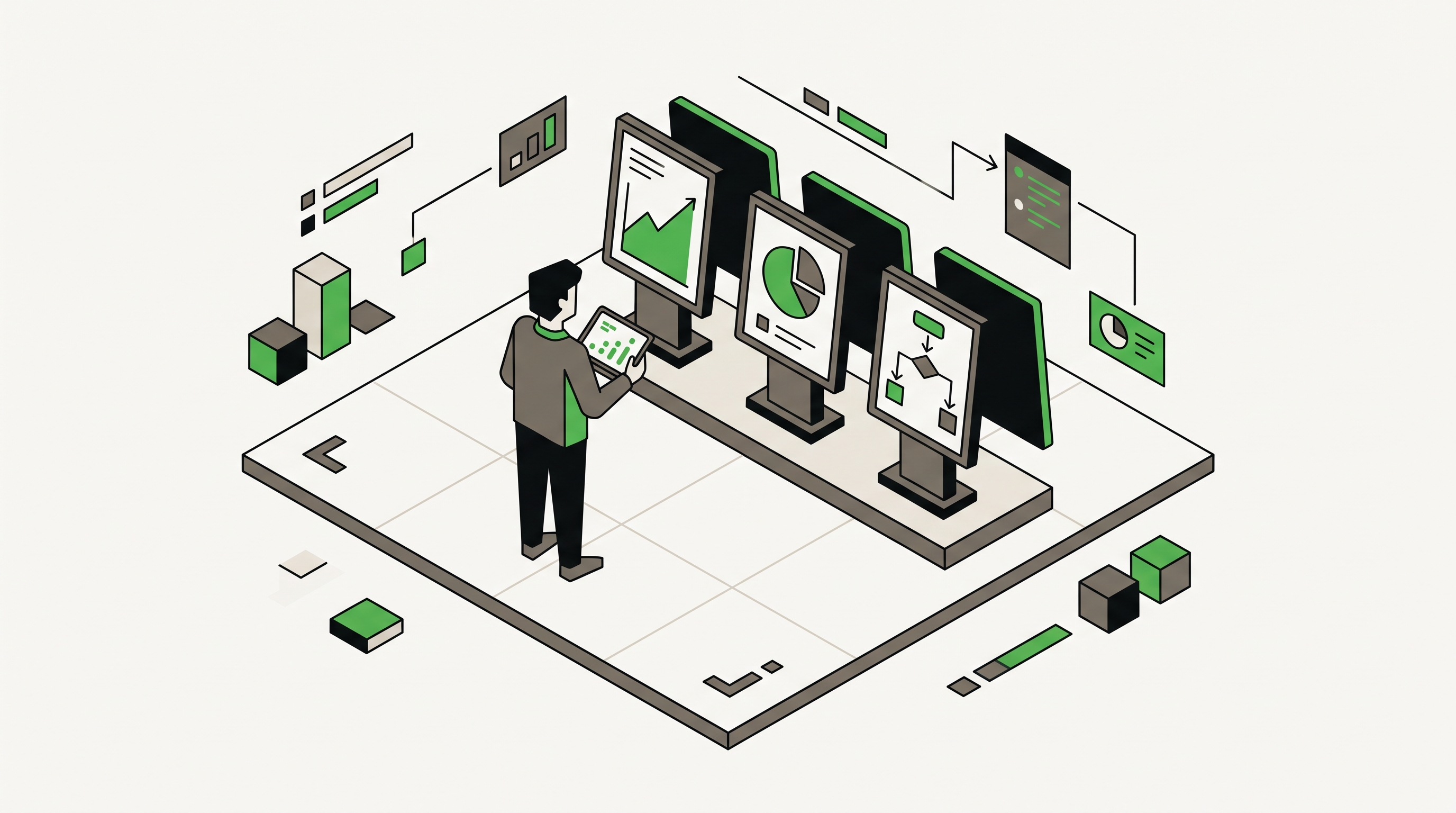
Customer attention is becoming media inventory, even in places marketers used to treat as operations.
Marketing Dive reported on September 23 that McDonald’s is piloting a media network across 450 company-owned U.S. restaurants, with ads appearing during customer interactions with its app, kiosks, menu boards, and restaurants. The company wants the network to become a $1 billion business.
The lesson for most businesses is not “build a media network.” It is sharper than that: every owned customer touchpoint now has commercial value, and weak brands will be tempted to monetize attention before they have earned enough trust to spend it.
The Storefront Is No Longer Just A Storefront
Retail media started with search results, product pages, sponsored listings, and retailer data. Now the idea is spreading into every surface where a customer is already paying attention.
McDonald’s is not only talking about banners inside an app. Its pilot points to a broader shift: ordering screens, loyalty apps, menu boards, self-service kiosks, receipts, emails, and in-store screens can all become media space when a company has enough traffic, data, and customer routine.
That is why commerce media keeps attracting budget. EMARKETER forecast U.S. advertisers will spend $69.33 billion on retail media in 2026, up from $58.79 billion in 2025. A later EMARKETER FAQ put the 2026 figure at $71.09 billion and said retail media growth is outpacing both social network and search ad spending.
For local businesses, ecommerce brands, healthcare groups, and regional service companies, the takeaway is not that you should suddenly sell ads. It is that your owned surfaces matter more than they used to. Your website, booking flow, checkout, email list, text program, waiting-room screens, and customer portal are no longer passive assets. They shape revenue, trust, retention, and partnership value.
Monetization Can Make A Weak Experience Worse
McDonald’s has scale, repeat behavior, loyalty data, and customer frequency. Most businesses do not. That distinction matters.
If a brand adds promotional clutter to a weak experience, it does not create a new revenue line. It creates more friction. A checkout page with too many distractions can lower completion. A healthcare intake flow with irrelevant messages can make the brand feel less trustworthy. A B2B quote form surrounded by cross-promotions can make a serious buyer wonder who the page was built for.
That is the part media-network hype often skips. Attention is not free just because you own the screen. If customers are using that screen to order, book, compare, request help, or make a high-stakes decision, every added message competes with the action you actually wanted.
Paid ads management and owned experience design have to work together. Buying more media is one kind of growth. Protecting the customer path after attention arrives is another. Brands that blur those jobs can end up selling ad space while quietly damaging conversion.
The Better Move Is To Audit Owned Attention
Before a business thinks about monetizing a touchpoint, it should audit whether that touchpoint already does its main job well.
Start with the surfaces customers actually use:
- homepage and service pages
- product and checkout pages
- booking or quote forms
- loyalty emails and SMS flows
- customer portals and app screens
- in-store signage or waiting-room screens
- confirmation pages and post-purchase messages
Then ask a harder question for each one: what is the customer trying to accomplish here, and what message would help rather than distract?
For ecommerce, that may mean product recommendations, delivery clarity, financing information, or review proof. For local services, it may mean call tracking, appointment availability, service-area clarity, and trust signals. For healthcare, it may mean privacy, insurance fit, treatment credibility, and a lower-friction path to call.
That work is less flashy than launching a media product, but it usually produces cleaner money. A stronger owned experience can improve conversion, lead quality, repeat purchase, referral value, and first-party data before anyone sells a single impression.
It also makes future advertising smarter. If the customer path is already clear, the brand can test partnerships, sponsored placements, or co-marketing without guessing whether weak conversion was caused by the ad, the offer, or the page.
Retail Media Discipline Applies Beyond Retail
We covered the measurement problem in Retail Media Has A Measurement Problem: more networks do not automatically create better performance. The same principle applies to owned touchpoints. More surfaces do not automatically create more value.
The winners will be the brands that separate three questions:
- Is this touchpoint helping the customer act?
- Is this message improving trust or adding noise?
- Can we measure the business impact beyond impressions?
That discipline matters even if you never launch a media network. It changes how you treat your website, emails, forms, app screens, and physical locations. Each one either reduces friction or adds it. Each one either supports the sale or competes with it.
McDonald’s pilot is a useful signal because it shows where large brands are headed. Customer attention is being packaged, priced, and sold closer to the point of action.
For everyone else, the Monday move is simpler: inventory your owned touchpoints, remove distractions from the ones closest to conversion, and improve the messages that help customers decide. Do that before you chase a new ad channel. Owned attention is valuable only when the experience deserves it.