AI Visibility Checking Tool: What It Measures, Why It Matters, and How to Use One Well
Discover how AI visibility checking tools measure your brand's presence in AI-generated answers and why they're crucial for search performance across platforms.
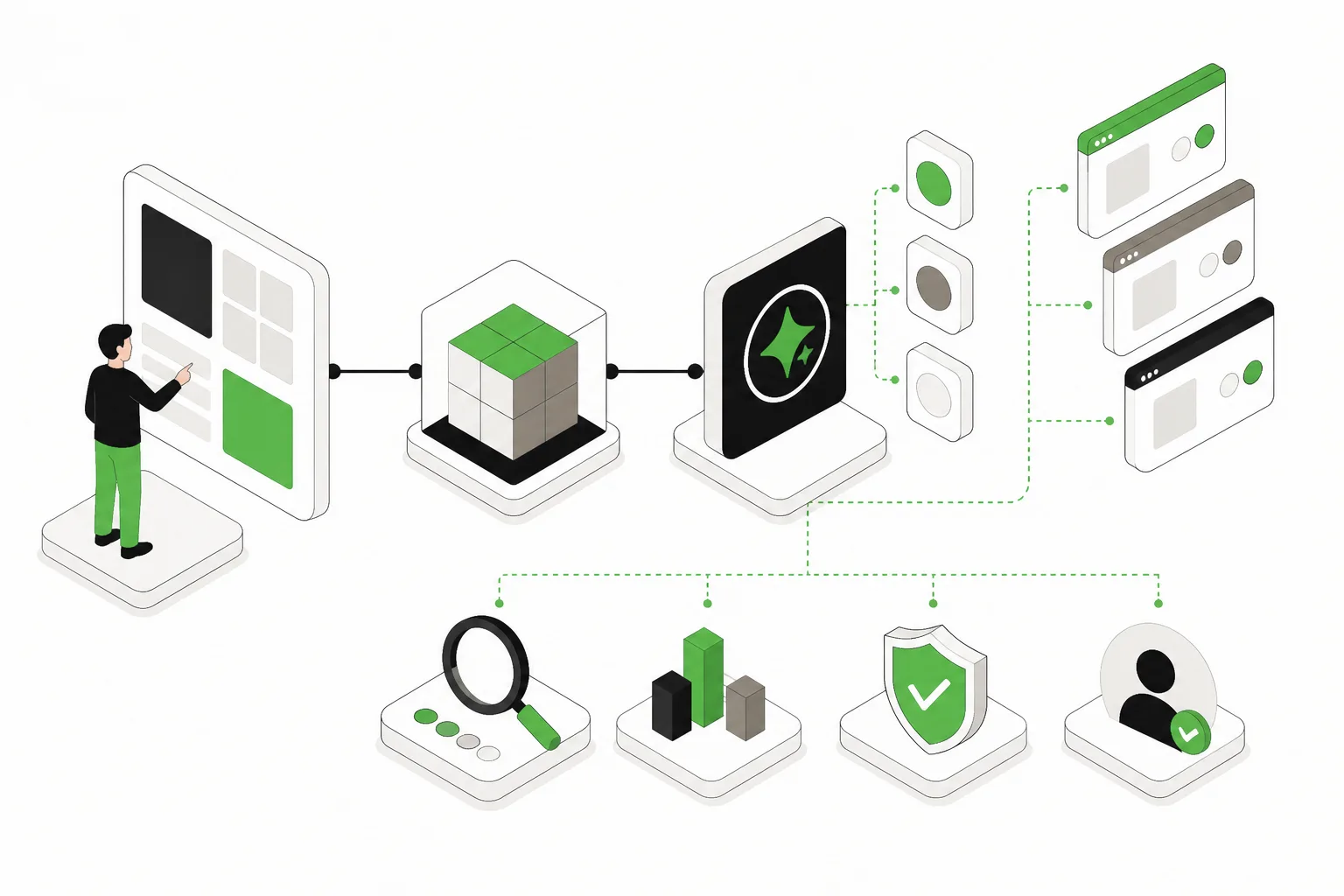
If people can find your brand in Google, that is no longer enough. Your business also needs to show up in AI-generated answers, recommendation engines, and conversational search results. That is where an AI visibility checking tool becomes useful. It helps you see whether platforms like ChatGPT, Perplexity, and Google’s AI experiences recognize your brand, mention your pages, and surface your content when people ask relevant questions.
For agency owners, marketers, healthcare organizations, B2B teams, and local businesses, this is not a side metric. It is becoming part of search performance. If AI systems summarize your category without naming your company, you have a visibility problem even if your traditional rankings still look decent.
What An AI Visibility Checking Tool Actually Does
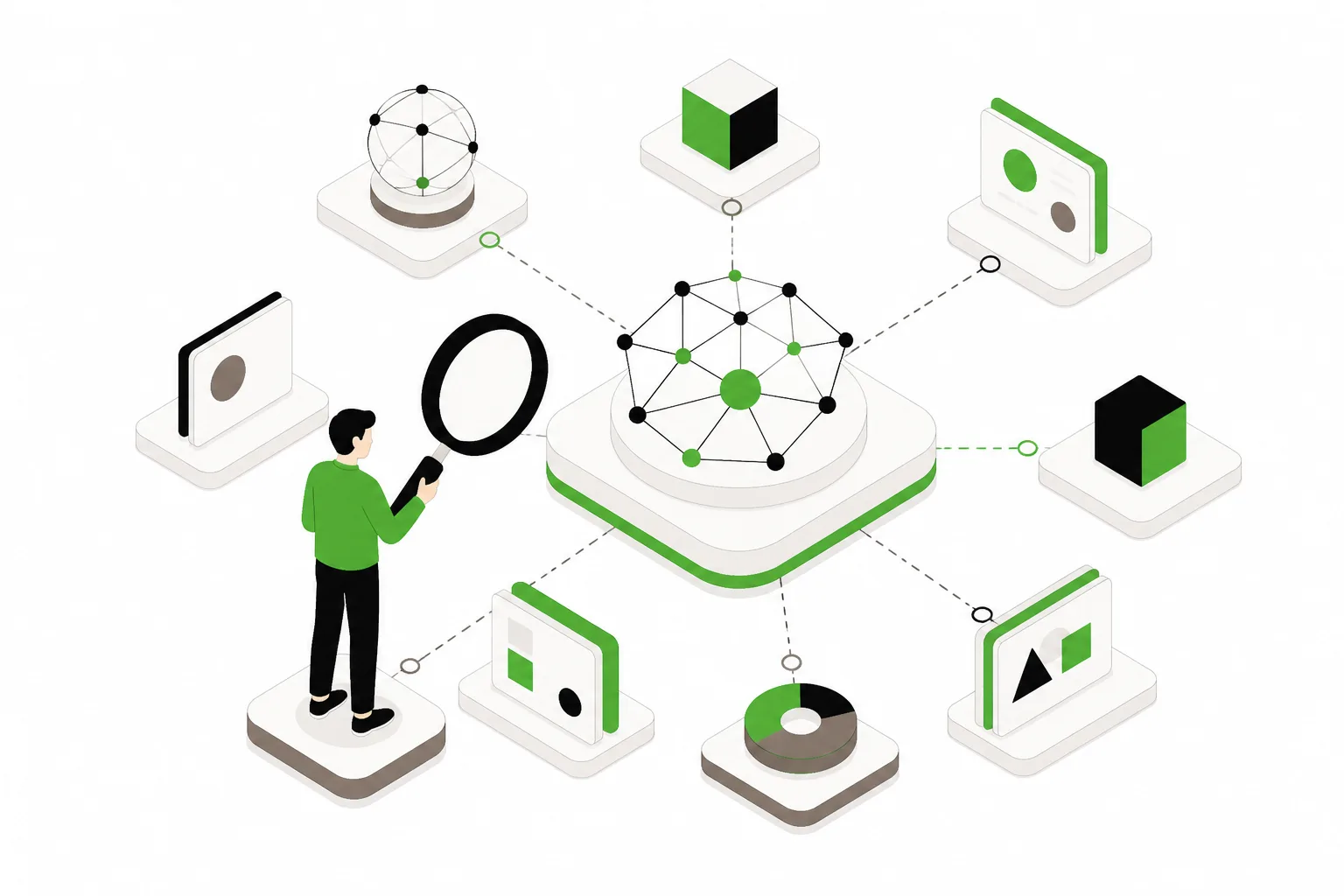
A good tool does more than scan your site for keywords. It looks at how your brand appears across AI-driven discovery environments. That includes branded mentions, topical relevance, citation patterns, entity recognition, and whether your site is structured in a way that AI systems can interpret clearly.
In practical terms, the tool should help answer questions like these:
- Does an AI platform know your brand exists?
- Is your company associated with the right services or topics?
- Are your competitors being cited more often than you?
- Does your site provide content that is easy for AI systems to extract and summarize?
- Are technical issues limiting discoverability?
That last point matters more than many teams realize. If your site is slow, poorly structured, thin on topical depth, or inconsistent in brand language, AI systems may have less confidence in using it as a source.
Why AI Visibility Is Different From Traditional SEO
Traditional SEO is still foundational, but AI visibility introduces a different layer of competition. Ranking on page one is about earning clicks from a search results page. AI visibility is about being selected, cited, summarized, or recommended before a click even happens.
That changes how performance should be evaluated. A page can rank reasonably well and still fail to appear in AI answers. On the other hand, a brand with strong topical authority and clear entity signals may earn mentions in AI responses even when it is not the top blue link.
This is why many teams now pair standard SEO reporting with answer engine optimization. If your content is built only for crawlers and not for synthesis, you may miss a growing share of discovery.
What To Look For In A Useful Tool
Brand Recognition Signals
The first job of any AI visibility checker is simple: determine whether AI systems recognize your company and understand what you do. A strong tool should show whether your brand appears in prompts related to your products, services, geography, or industry.
If you want a quick benchmark, Emarketed’s AI search visibility checker is built to score how your site shows up across AI-driven search environments. That kind of snapshot is especially useful for businesses that suspect they are underrepresented in AI results but do not yet know why.
Topic Authority Analysis
AI systems tend to favor sources that demonstrate depth, not just isolated pages. A useful checker should help you understand whether your site covers a topic comprehensively or only touches it lightly. This matters for healthcare providers, B2B firms, and service businesses where trust and expertise shape visibility.
If your content is scattered, repetitive, or too shallow, AI systems may prefer a competitor with stronger thematic coverage.
Competitive Comparison
A tool is more valuable when it shows your visibility relative to others in your market. It is not enough to know your score in isolation. You need to know who is being surfaced instead of you, and for which prompts or categories.
This is often where strategy becomes obvious. Maybe your competitor has clearer service pages. Maybe they have stronger brand mentions across the web. Maybe they publish more useful educational content. The right tool helps you stop guessing.
Technical And Content Diagnostics
AI visibility is not only a content issue. Site health still matters. Schema, crawlability, page speed, internal linking, and clean information architecture all support discoverability. Pairing AI visibility analysis with a broader technical review is usually the smarter move.
That is why many marketers also run a website audit alongside AI visibility checks. If the site has structural problems, content improvements alone will not carry the full load.
Who Should Use An AI Visibility Checking Tool
This is not just for enterprise SEO teams.
- Agency owners can use it to expand reporting beyond rankings and traffic.
- Healthcare facilities can assess whether high-trust service lines are represented accurately in AI answers.
- B2B companies can track whether they are visible for solution-aware research queries.
- Local and regional businesses can evaluate whether AI systems connect their brand to the right market and services.
- In-house marketing teams can identify content gaps before they become pipeline gaps.
If your buyers increasingly use AI to research vendors, compare providers, or shortlist options, then visibility in those systems affects revenue, not just awareness.
Common Mistakes When Evaluating AI Visibility
Confusing Mentions With Performance
A single brand mention in an AI answer does not mean your visibility is strong. You need consistency across relevant prompts and topics. One appearance is anecdotal. A pattern is strategic.
Ignoring Prompt Intent
Different prompts produce different outcomes. A brand may appear for navigational or branded searches but disappear for commercial comparison queries. A useful evaluation process tests informational, transactional, local, and branded intent separately.
Focusing Only On Tools
The tool is the starting point, not the strategy. Once you identify weak visibility, the real work begins: improving service pages, building topic clusters, clarifying brand positioning, strengthening structured data, and earning better digital authority signals.
Expecting AI Visibility To Improve Overnight
AI systems do not update the same way rank trackers do. Some changes can show impact quickly, but broader brand recognition often improves over time as your site and external signals become more coherent.
How To Improve Your Results After Running A Check
- Fix core technical issues first. Slow pages, weak crawlability, and poor structure create drag everywhere.
- Tighten your service and product pages. Make sure each page clearly states what you do, who you help, and where you operate.
- Build topic depth. Create supporting content that answers adjacent questions, not just bottom-funnel queries.
- Standardize brand language. Your company description, categories, and differentiators should be consistent across your site.
- Strengthen authority signals. Case studies, expert bios, citations, and trust elements help AI systems interpret credibility.
- Track visibility over time. One scan is a snapshot. Repeated checks show whether your changes are actually moving the needle.
For businesses that need a broader strategic approach, this usually overlaps with Answer Engine Optimization services. The point is not to chase novelty. It is to improve how your brand is understood and surfaced where people increasingly search.
FAQ
What Is The Difference Between An AI Visibility Tool And A Traditional Rank Tracker?
A rank tracker monitors positions in search engine results pages. An AI visibility tool looks at whether your brand or content appears in AI-generated answers, summaries, and recommendation-style results.
Can Small Businesses Benefit From AI Visibility Tracking?
Yes. Local and regional businesses can use it to see whether AI systems associate their brand with the right services and geography, especially when buyers ask for recommendations.
Does AI Visibility Replace SEO?
No. It builds on SEO. Strong technical SEO, useful content, and clear site architecture improve your ability to show up in both traditional search and AI-driven results.
How Often Should You Check AI Visibility?
Monthly is a good baseline for most businesses. If you are actively updating content, launching service pages, or entering a competitive market, you may want to check more often.
What If My Brand Does Not Show Up At All?
That usually points to weak topical authority, unclear entity signals, limited brand recognition, or technical issues on the site. It is fixable, but it requires more than adding a few keywords.
What To Do Next If Your Brand Is Barely Visible
Start by measuring where you stand, then compare that against what your market is asking and what competitors are being cited for. From there, prioritize the pages and topics that shape buyer decisions, not just traffic charts.
If your site is not showing up in AI answers, treat that as a signal to sharpen your content structure, technical foundation, and brand clarity. The businesses that win here will not be the ones publishing the most. They will be the ones that are easiest for AI systems to understand, trust, and reference.