Apple Maps Ads Make Local Listings Paid Media
Apple Maps ads turn local listings into paid media. Local businesses should clean up place cards, photos, action links, and tracking before testing spend.
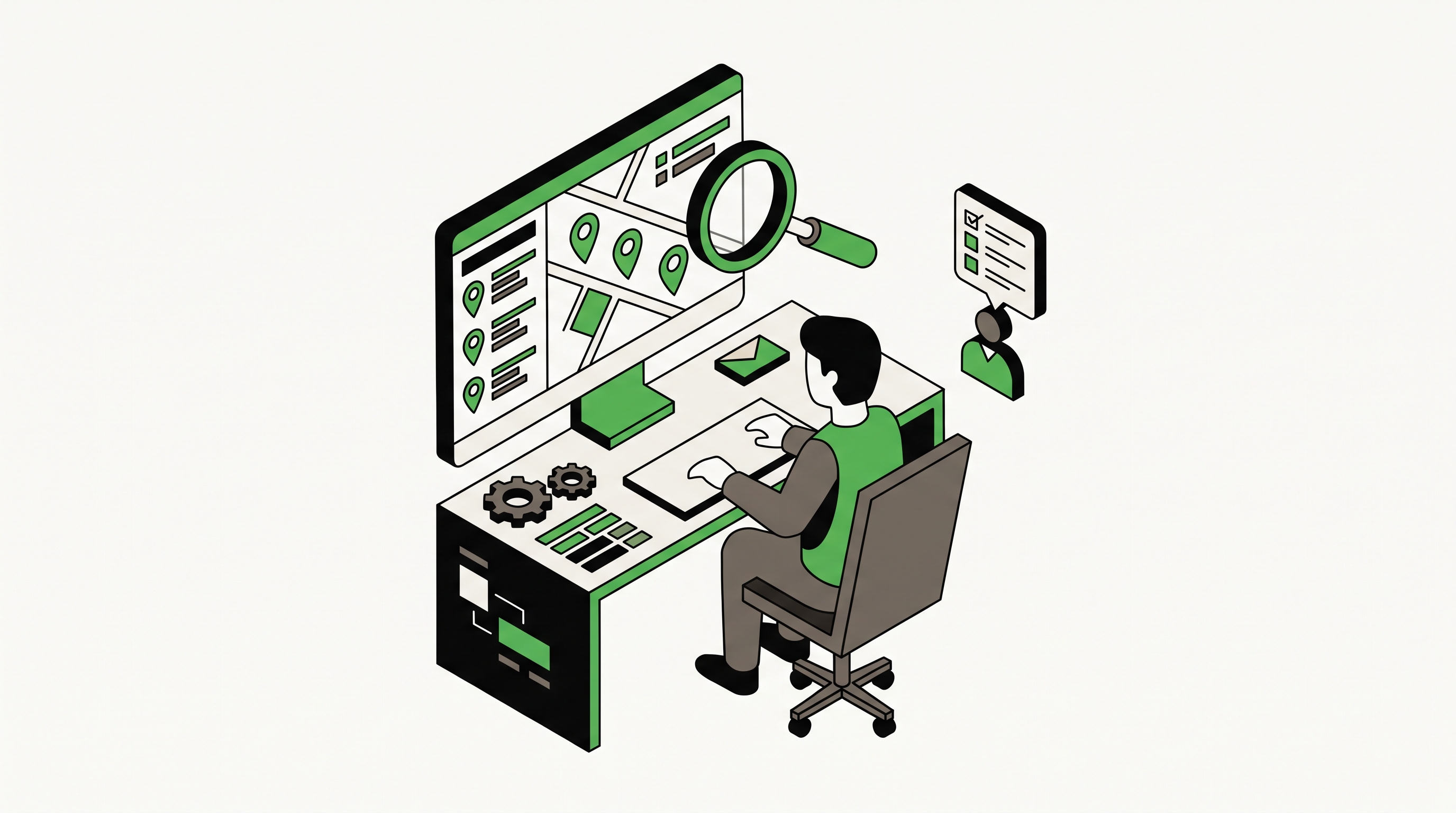
Apple Maps is no longer just a listings cleanup task for local businesses. It is becoming a paid discovery surface, which means your place card, photos, hours, action links, and tracking now sit much closer to media buying.
The latest signal came September 24, when Square announced an Apple Business integration that lets eligible sellers sync location details from Square Dashboard into Apple Maps, Siri AI, Apple Wallet, and other Apple services. Apple had already said in March that Apple Business would let U.S. and Canadian businesses place local ads in Maps during search and discovery moments.
For local businesses, the takeaway is simple: Apple Maps now deserves the same operational discipline you give Google Business Profile, paid search, and local landing pages. If your listing is thin, outdated, or hard to act on, paid placement will only make that weakness more visible.
Maps Are Becoming Conversion Surfaces
Local search used to split cleanly into two jobs. SEO teams cleaned up listings, and ad teams bought traffic. That split is getting weaker.
Apple says businesses can use Apple Business to advertise on Maps, reach people while they are intentionally searching nearby, and encourage actions such as calls, navigation, and visits. Its Apple Business page also says claimed businesses get 30 percent more views, while action links increase clickthrough rate by 31 percent across website, call, and action buttons.
That does not make Apple Maps ads a guaranteed win. It makes the listing experience more important. A person searching on a map is usually closer to action than a person reading a general blog post. They want directions, a phone number, availability, appointment booking, a menu, reviews, photos, or a reason to trust the business now.
If the place card gives them a dead link, weak photo set, wrong holiday hours, or a generic website button that lands on the homepage, the ad did its job and the business failed the handoff.
The Place Card Is Part Of The Funnel
Apple’s own place card guidance makes the funnel issue clear. Apple Business partner documentation says action links can send users to booking, ordering, menu, reservation, or other location-specific pages, and flexible action links can include UTM parameters for analytics. The same guide says attractive gallery photos drive engagement and that photos are a key part of discovery and customer engagement.
That is practical, not cosmetic. A restaurant should not send Apple Maps users to a general homepage if the likely action is order, reserve, view menu, or get directions. A clinic should not send people to a broad services page when the better action is book appointment, call, confirm insurance fit, or view location details. A retailer should not run a local ad if its hours, photos, inventory expectations, and pickup path are unclear.
This is where local SEO and paid ads management have to meet. Listing accuracy creates the base layer. Paid placement increases exposure. Conversion depends on whether the action path matches the searcher’s intent.
Do The Cleanup Before You Test Spend
Most local businesses do not need to rush into Apple Maps ads tomorrow. They should start by making the organic and operational layer worth advertising.
Audit each location for five basics:
- claimed Apple Business access
- correct name, address, phone, hours, and special hours
- current storefront, interior, product, staff, or facility photos
- action links that match the business model
- analytics that can identify Apple Maps traffic without violating Apple’s privacy rules
Multi-location businesses should also decide who owns updates. If store managers, agencies, POS teams, and marketing all touch location data separately, the listing will drift. Square’s integration matters because it reduces that operational gap for businesses already running location data through Square. The broader lesson applies even if you use another system: one accurate source of truth beats occasional manual cleanup.
The paid media question comes after that. Start with locations where the place card is complete, the action path is trackable, and the business can handle the demand. A business that misses calls or sends map users into a weak booking flow should fix the handoff before buying more visibility.
Apple Maps ads are not a replacement for Google, SEO, or paid search. They are another sign that local discovery is spreading across more surfaces. The Monday move is to treat Apple Maps like part of the revenue system, not a forgotten directory. Clean the listing, tighten the action path, measure the visits you can measure, then test paid placement where the business is ready to convert.