The Rehab Marketing Funnel: From First Search To First Call
Rehab marketing breaks when websites ignore trust, insurance, reviews, and admissions friction. Here is how the funnel works for treatment centers in 2026.

The rehab marketing funnel does not start when someone fills out a form. It starts earlier, usually in a private search session where a family member is trying to understand cost, urgency, safety, insurance, and whether a center feels credible enough to trust.
That early stage matters more now because the research path is getting compressed. KFF’s March 2026 poll on AI for health information and advice found that 29% of adults used AI tools or chatbots for physical health information in the past year, 16% used them for mental health information, and 65% of health AI users said they turned to these tools because they wanted quick or immediate information or support. If you market a treatment center, that means the first trust test may happen before admissions ever gets a shot.
This is the real rehab marketing problem in 2026. Many centers still treat the funnel like a straight line: rank, click, call, admit. The real path is messier. People search, compare, verify, hesitate, ask about insurance, check reviews, read provider pages, and only then decide whether the first call feels safe enough to make. If your website is vague at any point in that path, the funnel leaks before a human conversation begins.
Search Starts Earlier Than Most Teams Assume
Search is no longer just a Google keyword moment. It is a mixed discovery moment across search engines, AI tools, maps, review ecosystems, and private research habits.
KFF’s June 2026 tracking poll on social media and AI for health information found that 29% of adults now use AI tools or chatbots for health information monthly, nearly double the 17% reported in June 2024. The same poll found 31% use social media monthly for health information. That tells you something important about behavioral health search: the funnel is not clean, and it is not confined to one platform.
For rehab brands, that changes what counts as top of funnel. A family member may start with:
- whether detox is necessary
- whether out-of-network benefits might apply
- whether a loved one needs residential or outpatient care
- whether the center looks medically credible
- whether the first step is a call, a verification form, or something else
Those are not casual research questions. They are decision questions. If your highest-visibility pages only talk about compassionate care, personalized treatment, and healing environments, you are skipping the practical concerns that shape the shortlist.
This is one reason older rehab SEO playbooks age badly. They assume visibility starts with a broad query and ends with a click. In reality, the first meaningful impression may be an AI summary, a review panel, a map listing, or a cited page that answers one specific concern well. That is why the rehab funnel should be built around question clusters, not just keywords.
The first stage of a stronger funnel usually includes:
- direct pages on detox, levels of care, and dual-diagnosis fit
- clear insurance expectation pages
- local pages that explain who each location is best for
- FAQ blocks based on real admissions questions
- visible trust signals high on the page, not buried at the bottom
If you want a related healthcare search lens, our breakdown of why “near me” SEO is breaking for healthcare shows how local discovery is shifting from pure proximity toward trust, clarity, and recommendation signals.

The Shortlist Gets Built On Trust Signals, Not Brand Language
Once a center makes the first cut, the next stage is not usually more traffic. It is verification.
BrightLocal’s 2026 Local Consumer Review Survey found that 40% of consumers trust AI platforms to provide business recommendations, 42% trust AI recommendations as much as traditional reviews, and 82% read AI-generated review summaries. For treatment centers, that means your review profile, business details, and visible proof are no longer conversion extras. They are part of how the shortlist gets assembled.
Google’s official LocalBusiness structured data documentation makes the same point from another direction. Google can display business details in Search or Maps through knowledge panels, including hours, departments, and other business information. Its structured data search gallery also notes that local business details can surface open hours, ratings, directions, and actions to book appointments. In plain English, a treatment center’s trust layer is showing up in more places than the main website.
That means weak business profiles create funnel leaks fast:
- a location page that hides phone hours
- a profile with thin or inconsistent service descriptions
- outdated program details across the site and listings
- reviews that say little about safety, staff, or admissions experience
- no clear difference between detox, residential, PHP, IOP, and outpatient offers
This is where rehab marketers often confuse aesthetics with trust. A polished homepage can still underperform if the pages that actually answer decision-stage questions are thin. Families do not need prettier language first. They need confirmation that the center is real, specific, and worth the next step.
At Emarketed, we have seen what happens when that trust footprint gets stronger across more than one surface. Seasons in Malibu holds 4,200+ keyword rankings and 814,230 social impressions in a recent month. That result is not coming from one clever page. It comes from a coordinated visibility system across search, social, site structure, and proof.
In practical terms, a stronger shortlist stage usually means:
- one page for each real level of care
- clear local/location pages with address, phone context, and audience fit
- stronger clinician, accreditation, and program-proof sections
- review generation and response as an operating discipline
- updated GBP and entity details that match what the website says
Insurance, Program Fit, And Safety Questions Decide Whether They Stay
The middle of the rehab funnel is where many centers lose people they already worked hard to reach.
NIAAA’s Ten Questions for Alcohol Treatment Programs is a useful reality check because it shows what informed buyers should ask right away: availability, costs and insurance, credentials, and whether the program is actually licensed and accredited. NIAAA is also direct that families should confirm insurance coverage, ask what extra charges to expect, and understand whether copayments, medications, tests, or family therapy add cost.
That lines up with what families are already doing in the wild. They do not want to call blind if they can avoid it. They want enough context to know whether the center is even plausible before they share a story with an admissions rep.
This is why generic service pages break in the middle of the funnel. They describe treatment categories but avoid the real comparison questions:
- What problems is this level of care meant for?
- When is detox usually part of the path?
- What does insurance verification actually tell me?
- Is family involvement available?
- What does the first 24 hours look like?
- How is dual diagnosis handled?
Those questions deserve real pages, not one vague paragraph on a broad admissions page.
Our earlier post on what families ask ChatGPT before they call rehab looked at how AI changes those upstream trust questions. The funnel lesson is slightly different here: even when discovery starts elsewhere, the website still needs to carry the comparison stage cleanly. If it does not, the search win never turns into a real opportunity.
For treatment centers, the page set that usually matters most in this stage includes:
- insurance and payment expectations
- detox and medical oversight explainers
- level-of-care comparison pages
- staff credentials and accreditation pages
- admissions process pages
- FAQ pages tied to common objections
This is also where a more mature drug rehab marketing strategy earns its keep. The job is not only to drive demand. It is to make the demand easier to qualify and easier to trust.
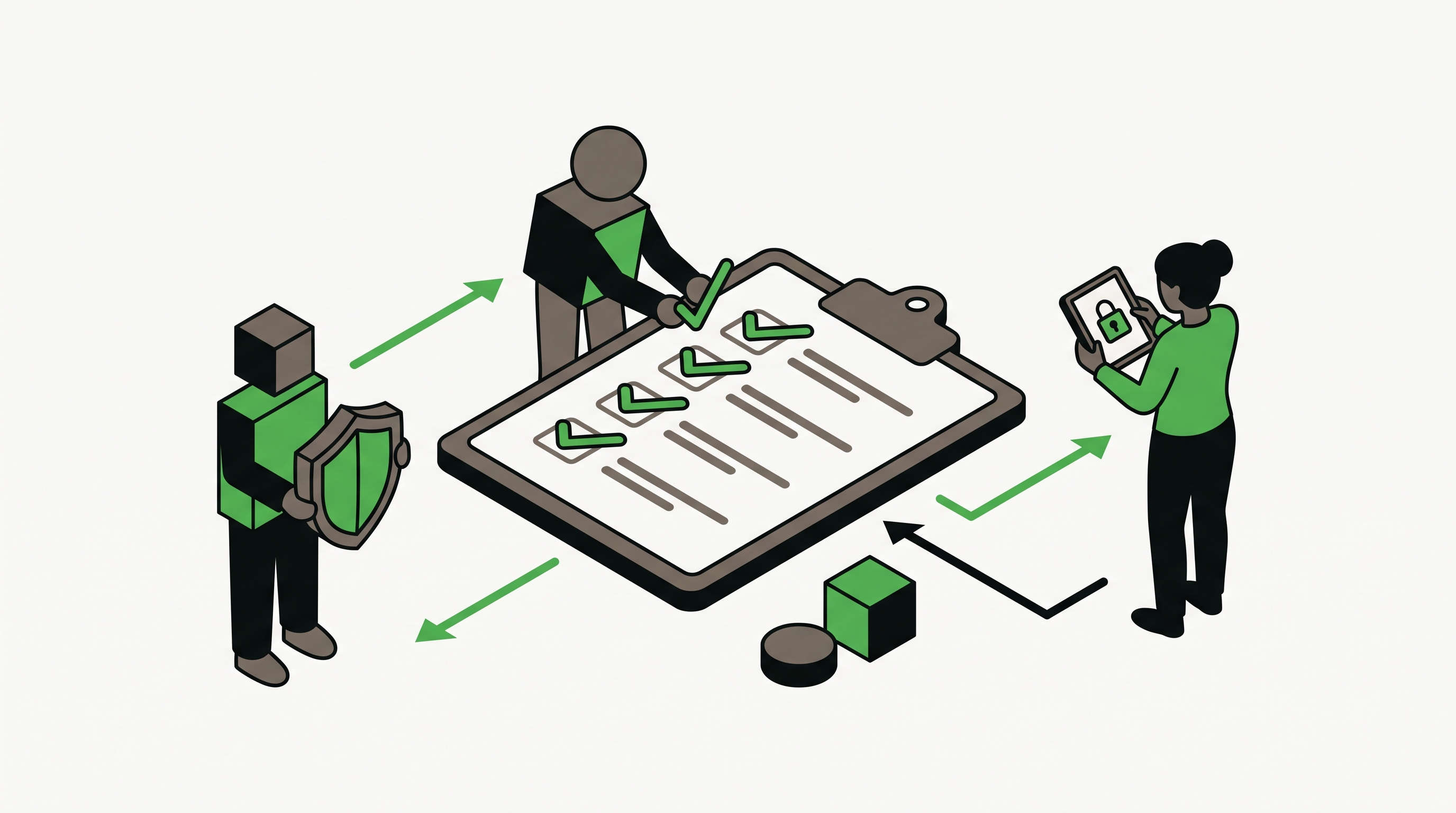
The First Call Should Continue The Research, Not Restart It
A lot of centers still treat the first call like the beginning of discovery. That is a mistake.
By the time someone calls, they have often already formed a working opinion about urgency, fit, privacy, cost, and credibility. KFF’s March 2026 poll found that 58% of people who used AI for physical health advice later followed up with a doctor or provider, while 42% of those who used AI for mental health information followed up with a mental health professional. A meaningful share never followed up at all. That means the centers that reduce friction fastest are more likely to win the call that does happen.
NIAAA’s quality-care guidance adds another important layer. It says an early full assessment should cover not only substance use, but also general medical health, mental health, housing and transportation, family and social support, job status, and legal problems. That is a reminder that a quality first conversation is not just intake logistics. It is context gathering.
The admissions experience should feel like the natural next step from the website, not a reset that forces the caller to start over.
That means the best-performing funnels usually do three things well:
1. They Match The Call To The Content
If the site says the center handles insurance verification, detox coordination, dual diagnosis, and family questions, the first call should be able to handle those topics confidently. When the call experience and the content experience feel disconnected, trust drops.
2. They Lower The Cost Of The First Contact
Not every caller is ready for a full assessment in minute one. Some need to ask whether the center is even a fit. Good funnels make that easy. The site should explain who answers the phone, what happens next, and what information will help the conversation move faster.
3. They Use The Call To Confirm Fit, Not Just Capture Contact Info
NIAAA warns against one-size-fits-all treatment approaches. The same should apply to admissions handling. If every caller gets the same generic script regardless of clinical, family, insurance, or transportation context, the funnel is operating like a call center instead of a care path.
This is where marketing and admissions need tighter alignment. Marketing should not be guessing what objections exist. Pull them from the real calls. Then use them to rewrite page intros, FAQs, proof sections, and call CTAs.
What A Better Rehab Marketing Funnel Looks Like In Practice
If a treatment center wants fewer leaks between first search and first call, the fix is usually operational before it is promotional.
Here is the practical version:
- Audit the first 20 questions your admissions team hears every week.
- Map those questions to the pages that should answer them before the call.
- Rewrite the top pages so the first paragraph answers the actual decision question.
- Tighten local proof: reviews, business details, hours, program descriptions, and clinician credibility.
- Make the CTA specific to the user state, not just “Contact Us.”
For many centers, the biggest win is not more traffic. It is making the existing funnel easier to trust. When your site answers insurance questions more clearly, distinguishes levels of care better, explains the admissions step honestly, and surfaces real proof earlier, lead quality tends to improve because the wrong-fit caller filters out sooner and the right-fit caller arrives more prepared.
That is the work worth doing Monday morning. Pull three recent admissions calls, list the unanswered questions that should have been handled on the website first, and fix those pages before you ask for more traffic.
FAQ
What Is The Rehab Marketing Funnel In 2026?
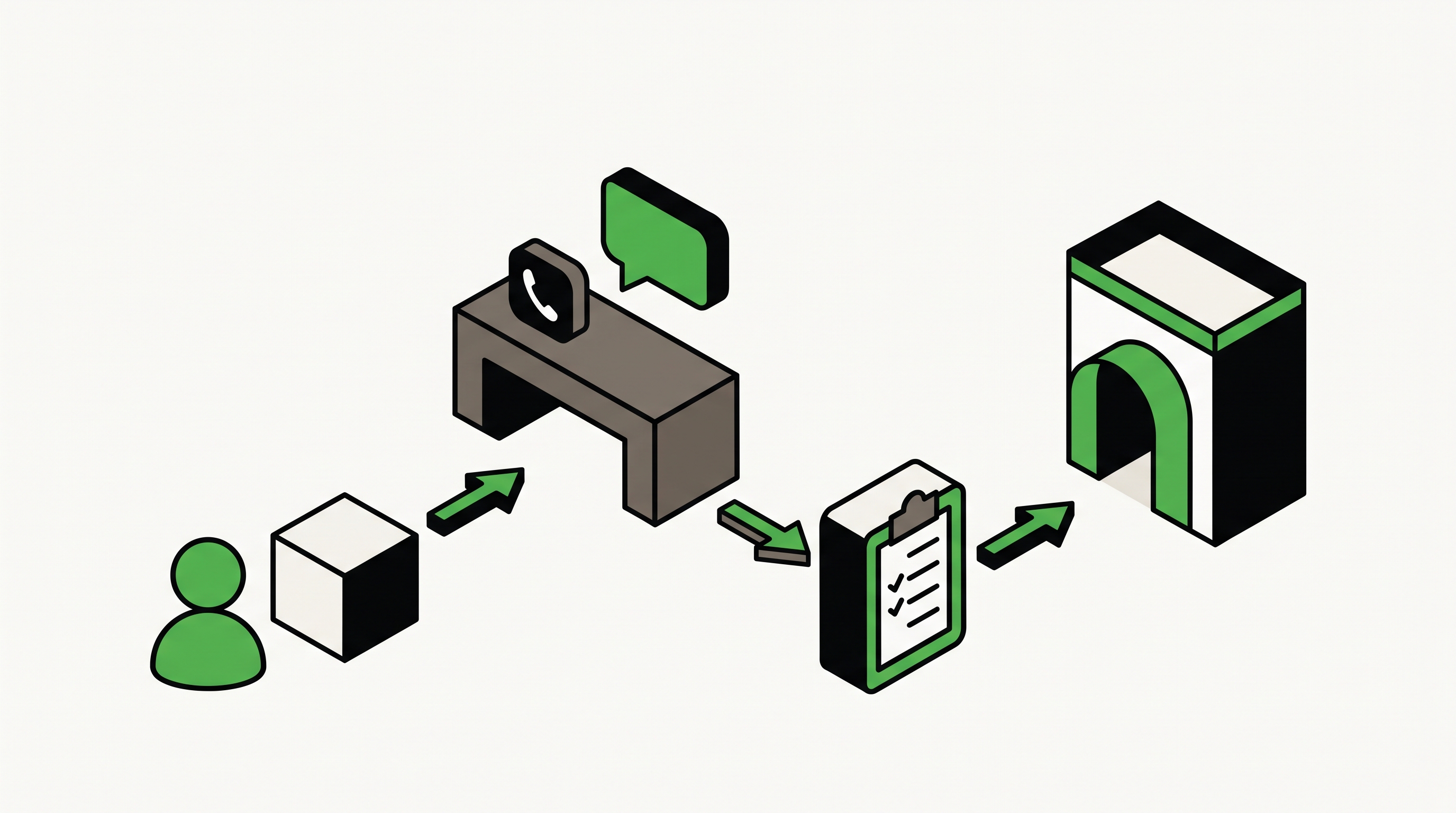
It is the path from first search to first call, including AI research, local discovery, review checks, insurance questions, service-page evaluation, and the admissions conversation itself.
Why Do Rehab Websites Lose Leads Before The First Call?
Most lose people because they stay vague where families need specifics. Insurance, detox, credentials, levels of care, privacy, and next steps are often underexplained.
What Pages Matter Most In A Rehab Funnel?
Insurance pages, admissions pages, level-of-care pages, detox explainers, clinician and accreditation pages, and FAQ content tied to real family questions usually matter more than generic awareness content.
Do Reviews Matter That Much For Treatment Centers?
Yes. Reviews now influence both human trust and AI-generated recommendation layers. They help shape whether a center looks credible enough to investigate further.
What Should A Treatment Center Fix First?
Start with the pages that sit closest to the call: admissions, insurance, detox, primary program pages, and location pages. If those are weak, more traffic just makes the leak bigger.