GEO vs AEO: What Businesses Actually Need To Know About AI Search Optimization
The GEO vs AEO debate is getting louder, but businesses should not get stuck in the acronym fight. Here is what actually matters for AI search visibility.

Key Takeaways
The GEO vs AEO debate is worth paying attention to, but not because businesses need another acronym to memorize. It matters because the search market is trying to define what comes after traditional rankings.
AEO means Answer Engine Optimization. It focuses on becoming the direct answer in search features, AI Overviews, voice assistants, and answer-style interfaces.
GEO means Generative Engine Optimization. It focuses on being included, cited, summarized, or recommended inside generative AI responses from systems like ChatGPT, Perplexity, Claude, Gemini, and Google AI Mode.
Google is pushing back on the idea that this is totally separate from SEO. Recent Search Central guidance, as covered by Search Engine Journal, frames AEO and GEO as extensions of SEO rather than replacements for it.
That is partly right, but incomplete. Google can speak for Google Search. It cannot fully define how discovery works inside ChatGPT, Perplexity, Claude, social search, browser agents, or vertical AI tools.
The practical answer is simple: do not buy a separate magic GEO package or a separate magic AEO package. Build an AI visibility system that makes your business easy for search engines and AI systems to find, understand, trust, cite, and recommend.
Why The GEO vs AEO Debate Is Happening Now
For years, search marketing had a fairly stable vocabulary. SEO meant ranking in Google. Content marketing meant publishing useful material. Conversion optimization meant turning traffic into leads.
AI search disrupted that vocabulary.
Now a user can ask ChatGPT for the best treatment centers in Malibu, ask Perplexity for the most credible B2B marketing agencies in Los Angeles, ask Gemini to compare service providers, or ask a browser agent to research vendors and shortlist options. In those moments, the user may not see ten blue links. They may see one answer, three recommendations, or a synthesized summary with citations.
That shift created a naming problem.
Some marketers call the new discipline AEO, because the goal is to become the answer. Others call it GEO, because the goal is to appear inside generative engine responses. Others use LLMO, AI SEO, AI search optimization, answer optimization, or agentic search optimization.

The naming debate is understandable. It is also distracting. A business owner does not care which acronym wins. They care whether their company shows up when a serious buyer asks an AI system who to trust.
That is the real issue.
What AEO Actually Means
Answer Engine Optimization is the older and more intuitive term. It grew out of featured snippets, voice search, knowledge panels, People Also Ask boxes, and zero-click search.
The idea is straightforward: structure your content so a machine can extract a clear answer.
That usually means:
- Direct definitions near the top of a section
- Question-based headings
- FAQ content
- Schema markup
- Strong internal linking
- Clear author and business information
- Concise paragraphs that can stand alone
AEO fits naturally with SEO fundamentals. If a page is technically sound, well structured, useful, and authoritative, it has a better chance of being used as an answer source.
The limitation is that AEO can sound too tied to Google-style answer boxes. It explains featured snippets and AI Overviews well. It does not always capture the broader shift toward generative assistants that compare options, summarize reputations, and make recommendations across multiple sources.
What GEO Actually Means
Generative Engine Optimization is the newer term. The academic version of the term became more visible after researchers published the paper GEO: Generative Engine Optimization, which studied how content could be adjusted to improve visibility in generative engine responses.
GEO is less about winning a single answer box and more about influencing how generative systems retrieve, synthesize, and cite information.
In practice, GEO focuses on:
- Entity clarity
- Topical authority
- Credible citations
- Third-party mentions
- Original data or expert insight
- Consistent brand information across the web
- Content that can be retrieved and summarized accurately
That makes GEO a useful term when talking about ChatGPT, Perplexity, Claude, Gemini, and AI research tools. These systems do not always behave like search result pages. They may pull from training data, live web retrieval, citations, structured sources, community discussions, reviews, and brand mentions.
That is why our GEO guide treats GEO as an extension of search strategy, not a replacement for it.
Why Google Says This Is Still SEO
Google has an obvious interest in keeping the conversation grounded in SEO. From Google’s perspective, AI Overviews, AI Mode, Search, crawling, indexing, helpful content, structured data, and page experience are all part of the same ecosystem.
That is not wrong.
If your website is slow, thin, unclear, technically broken, or untrusted, renaming your work as GEO will not fix it. The foundation still matters. Google still needs to crawl and understand your pages. Users still need useful content. Authority still matters. Links still matter. Reviews still matter. Clear structure still matters.
The problem is that Google’s framing only covers part of the market.
A business does not only need to be visible in Google Search. It increasingly needs to be visible across AI assistants, answer engines, agentic browsers, vertical recommendation tools, and customer research workflows that may never start with a traditional search results page.
That is where the debate gets more interesting.
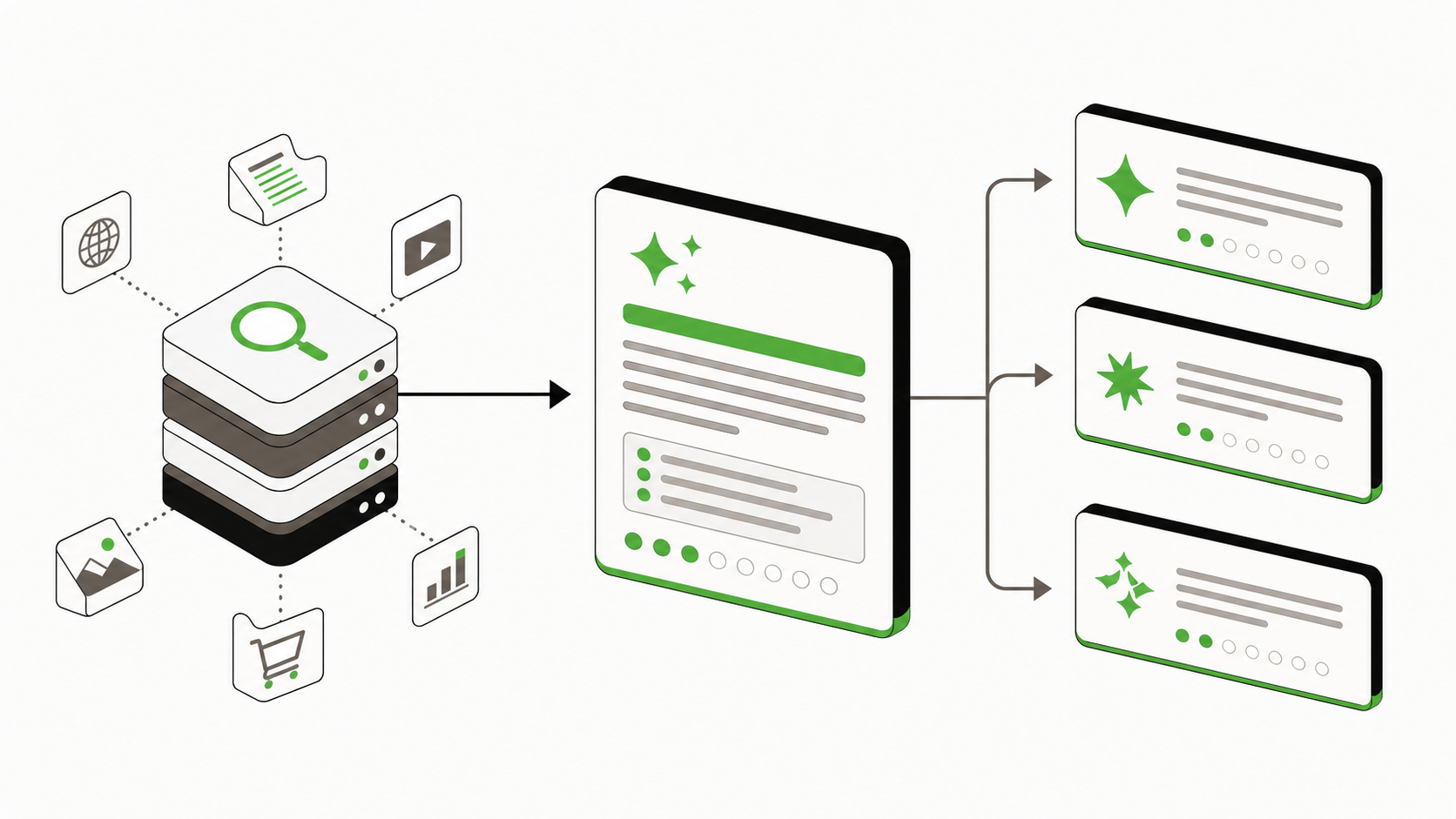
Google can reasonably say AEO and GEO are still SEO inside Google’s ecosystem. But a marketer still has to ask a broader question: how does our brand appear when machines summarize the market?
Where AEO And GEO Overlap
Most of the actual work overlaps. That is why the acronym fight can get silly.
Whether the proposal says AEO, GEO, AI SEO, or AI search optimization, the useful work usually includes the same core pieces:
- Build pages that answer real buyer questions
- Create topic clusters around high-intent problems
- Add schema where it helps machines understand the page
- Earn backlinks and third-party mentions from credible sources
- Make reviews, awards, credentials, and proof easy to verify
- Publish content that demonstrates experience, not generic summaries
- Keep business information consistent across your website and outside profiles
- Monitor how AI platforms describe your company and competitors
This is why backlinks still matter for AEO. AI systems need trust signals. A high-quality citation from a credible publication, industry site, partner, or directory can influence how machines understand your authority.
The same is true for technical signals. An llms.txt file will not magically rank a weak website. But it can help create a clearer machine-readable orientation layer for AI systems and agentic browsing audits.
Where The Difference Actually Matters
There are still meaningful differences between the terms.
AEO is strongest when the goal is to answer a specific question. Think:
- What is answer engine optimization?
- How much does rehab marketing cost?
- What are backlinks for SEO?
- Do small businesses need SMS marketing automation?
GEO is strongest when the goal is to be included in a generated recommendation or synthesis. Think:
- What are the best agencies for behavioral health marketing?
- Which companies provide AEO services in Los Angeles?
- Compare three AI marketing agent platforms for small businesses.
- What should I know before hiring a SEO agency?
The first category rewards direct answers. The second rewards authority, reputation, comparison data, third-party validation, and consistent brand presence across the web.
That distinction matters because many businesses stop too early. They publish a FAQ and think they are done. But AI recommendation visibility is not only about one page answering one question. It is about whether the larger web gives the model enough confidence to mention your brand.
The Better Frame: AI Visibility
For most clients, the cleanest umbrella term is AI visibility.
AI visibility includes SEO, AEO, GEO, technical optimization, content strategy, entity building, backlinks, reviews, and measurement. It keeps the focus where it belongs: whether your business is visible and trusted in the places buyers now research.
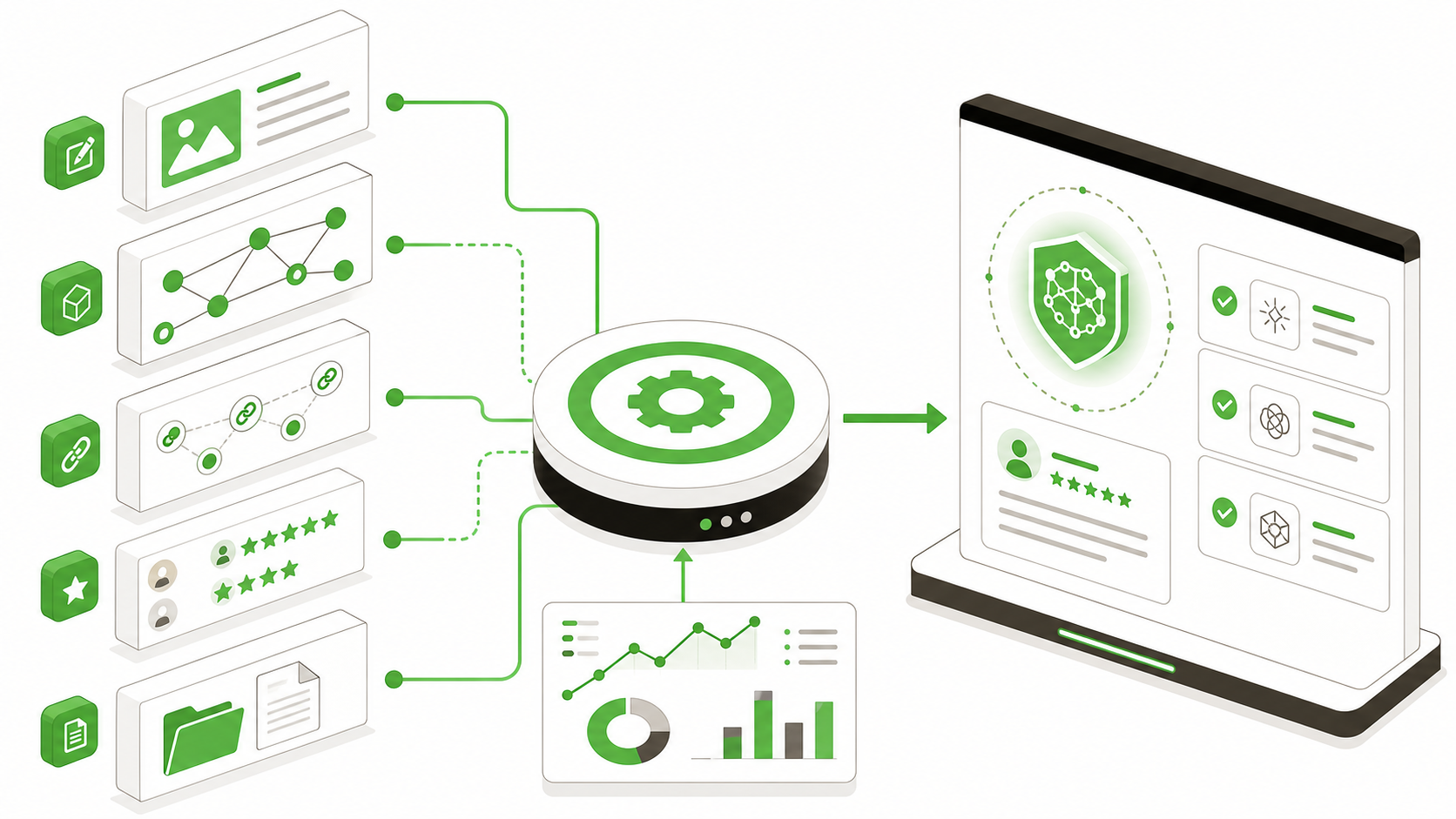
That frame also prevents bad strategy.
If you treat GEO as a separate tactic, you may chase superficial formatting tricks. If you treat AEO as only FAQ schema, you may miss the brand authority layer. If you treat AI search as just traditional SEO with a new label, you may miss the fact that clicks are no longer the only outcome.
AI visibility forces better questions:
- Does the brand appear in AI answers?
- Is the description accurate?
- Are competitors being recommended instead?
- Which sources are being cited?
- Does the site give machines enough evidence to trust the business?
- Are third-party sources reinforcing or weakening the brand story?
- Are AI-referred visitors converting differently from traditional organic users?
Those are better questions than “Should we call this AEO or GEO?”
What Businesses Should Actually Do
The practical strategy is not complicated, but it does require discipline.
1. Keep The SEO Foundation Strong
AI visibility does not erase SEO. It depends on it.
Your site still needs crawlable pages, clean architecture, fast load times, indexable content, clear internal links, and useful service pages. If the foundation is weak, AI systems have less reliable material to work with.
Start with the basics before chasing new acronyms.
2. Build Answer-Ready Content
Every important service, product, and buyer question should have clear, direct answers on your site.
This does not mean writing thin FAQ spam. It means organizing useful expertise in a way that both people and machines can understand. Define the concept. Explain who it is for. Show how it works. Include examples. Address objections. Make the next step clear.
3. Strengthen Entity Signals
AI systems need to understand who you are.
That means consistent business names, author names, service descriptions, bios, social profiles, local listings, citations, reviews, and third-party mentions. If the web describes your company inconsistently, AI systems may hesitate to recommend you.
4. Earn Trust Outside Your Own Website
Your website is not the only source that matters.
AI systems look for corroboration. That can come from reviews, backlinks, podcasts, event pages, local directories, partner pages, case studies, client mentions, media coverage, and niche industry sources.
For local and service businesses, this is where a good AEO strategy starts to look like reputation strategy, content strategy, and digital PR working together.
5. Measure AI Search Directly
Traditional rankings are not enough.
You need to test prompts in ChatGPT, Perplexity, Gemini, Claude, Google AI Overviews, and any industry-specific discovery tools your buyers use. Track whether your brand appears, how it is described, what sources are cited, and which competitors show up.
This is still a messy measurement category. That is exactly why it matters. The brands that build measurement habits early will understand the market before competitors do.
What We Would Tell A Client
If a client asked whether they need GEO or AEO, the honest answer would be:
You need the outcome both terms are pointing at.
You need content that answers real buyer questions. You need a website that machines can parse. You need a brand that AI systems can identify. You need third-party authority that supports your claims. You need measurement across AI platforms. And you need to keep doing the SEO work that makes all of that discoverable.
That is not a trend. It is the next layer of search.
Gartner’s widely cited forecast that traditional search volume could drop 25% by 2026 because of chatbots and virtual agents, published in Gartner’s 2024 newsroom release, captured the direction of travel. Whether that exact number lands perfectly is less important than the behavior shift behind it. Buyers are asking AI systems for answers before they click through websites.
That means the job is no longer just to rank. The job is to be understood, trusted, cited, and remembered.
The Bottom Line
The GEO vs AEO debate is useful as long as it leads to better strategy. It becomes a waste of time when it turns into acronym theater.
AEO is a good term for answer readiness. GEO is a good term for generative AI visibility. SEO remains the foundation. AI visibility is the operating system that connects them.
For businesses, the move is clear: build the strongest possible presence across traditional search, answer engines, and generative AI systems. Do the foundational work. Make your expertise machine-readable. Earn trust outside your own site. Track how AI platforms describe you.
The company that wins will not be the one with the cleverest acronym. It will be the one AI systems can confidently recommend.
Frequently Asked Questions
Is GEO Different From AEO?
Yes, but the overlap is large. AEO focuses on becoming the answer in answer-style interfaces. GEO focuses on being cited, summarized, or recommended inside generative AI responses. The tactics are similar, but the measurement and platform behavior can differ.
Is Google Saying GEO And AEO Are Just SEO?
Google’s current framing is that these practices remain part of SEO, especially inside Google Search. That is partly true. The foundation is still crawlability, usefulness, structure, and trust. But AI visibility across ChatGPT, Perplexity, Claude, Gemini, and agentic browsing goes beyond Google’s search results page.
Which Term Should A Business Use?
Use the term your audience understands. AEO is clearer for many business owners because it describes becoming the answer. GEO is useful when discussing generative AI platforms. For client strategy, AI visibility may be the best umbrella term.
Do Small Businesses Need A Separate GEO Strategy?
Not usually. Small businesses need one integrated search strategy that covers SEO, AEO, GEO, content, reputation, and measurement. A separate GEO strategy only makes sense if it is tied to concrete work and clear reporting.
What Is The First Step Toward AI Search Visibility?
Start by auditing how AI systems currently describe your company and competitors. Then fix the foundation: service pages, answer-ready content, schema, reviews, backlinks, internal links, and consistent entity information.
Does LLMS.txt Help With GEO Or AEO?
It can help as part of the technical layer, but it is not a shortcut. An llms.txt file gives AI systems and agents a clearer orientation layer for your site. It should support strong content, structured data, internal links, and authority signals, not replace them.