Meta Ads vs Google Ads: How Local Businesses Should Split Budget
Google Ads captures demand, Meta Ads creates it. Here's how local businesses should split a $4,000 monthly budget between the two platforms.
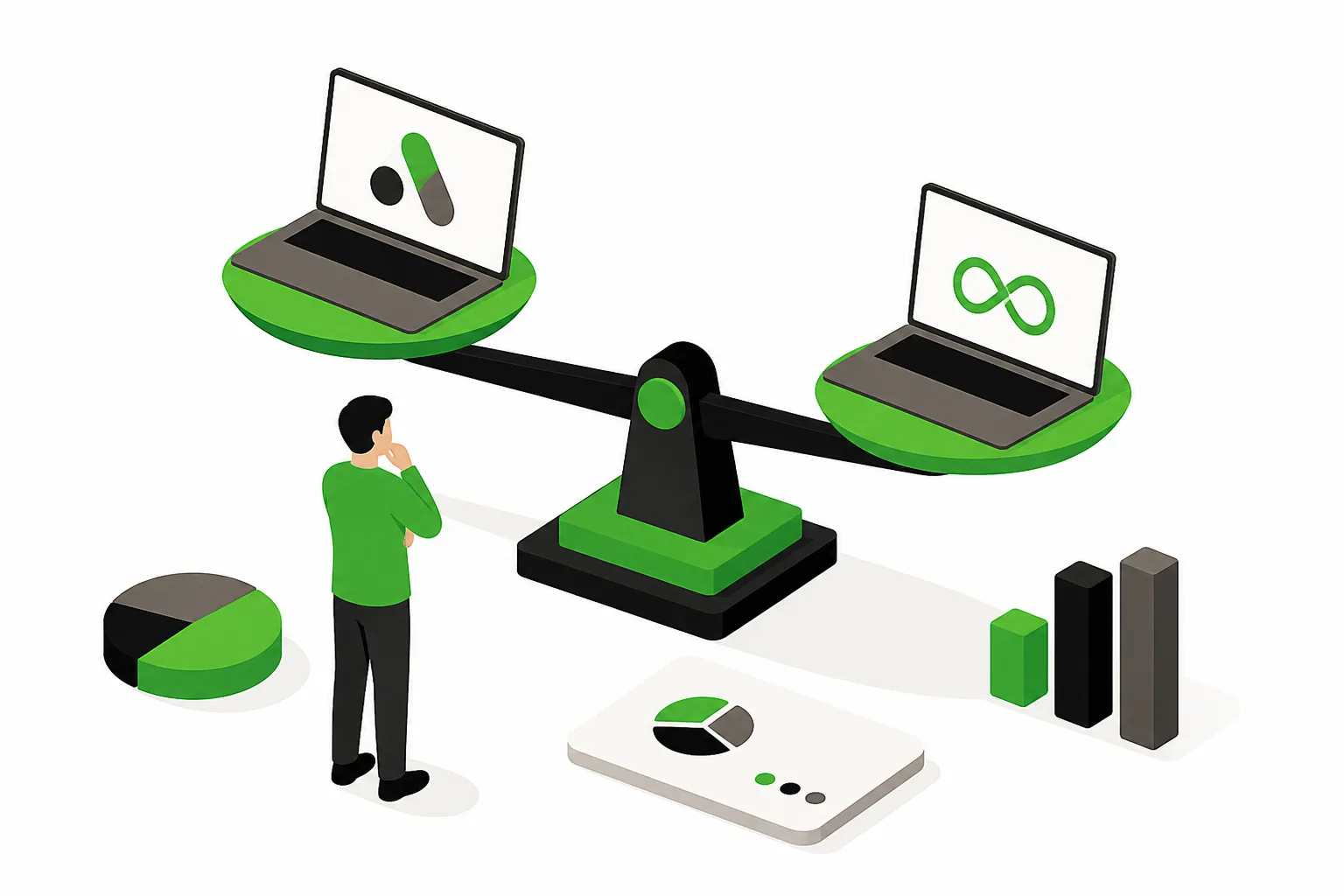
You have $4,000 a month to spend, your phone is not ringing enough, and every rep who sells ads says their platform is the one that works. That is the real decision local businesses face, not some abstract channel debate. You need to know where paid media should go first, what each platform is actually good at, and how to avoid wasting budget trying to force one channel to do the other channel’s job.
Here is the short version: Google Ads captures existing demand. Meta creates and shapes demand, then helps you stay visible until people are ready. For most local businesses, the best answer is not Meta or Google. It is a budget split based on urgency, sales cycle, average customer value, and whether people are already searching for what you sell.
If you are comparing meta ads vs google ads, the useful question is not which platform is better in general. It is which platform matches the stage of demand you need to influence right now.
Start With Buyer Intent, Not Platform Loyalty
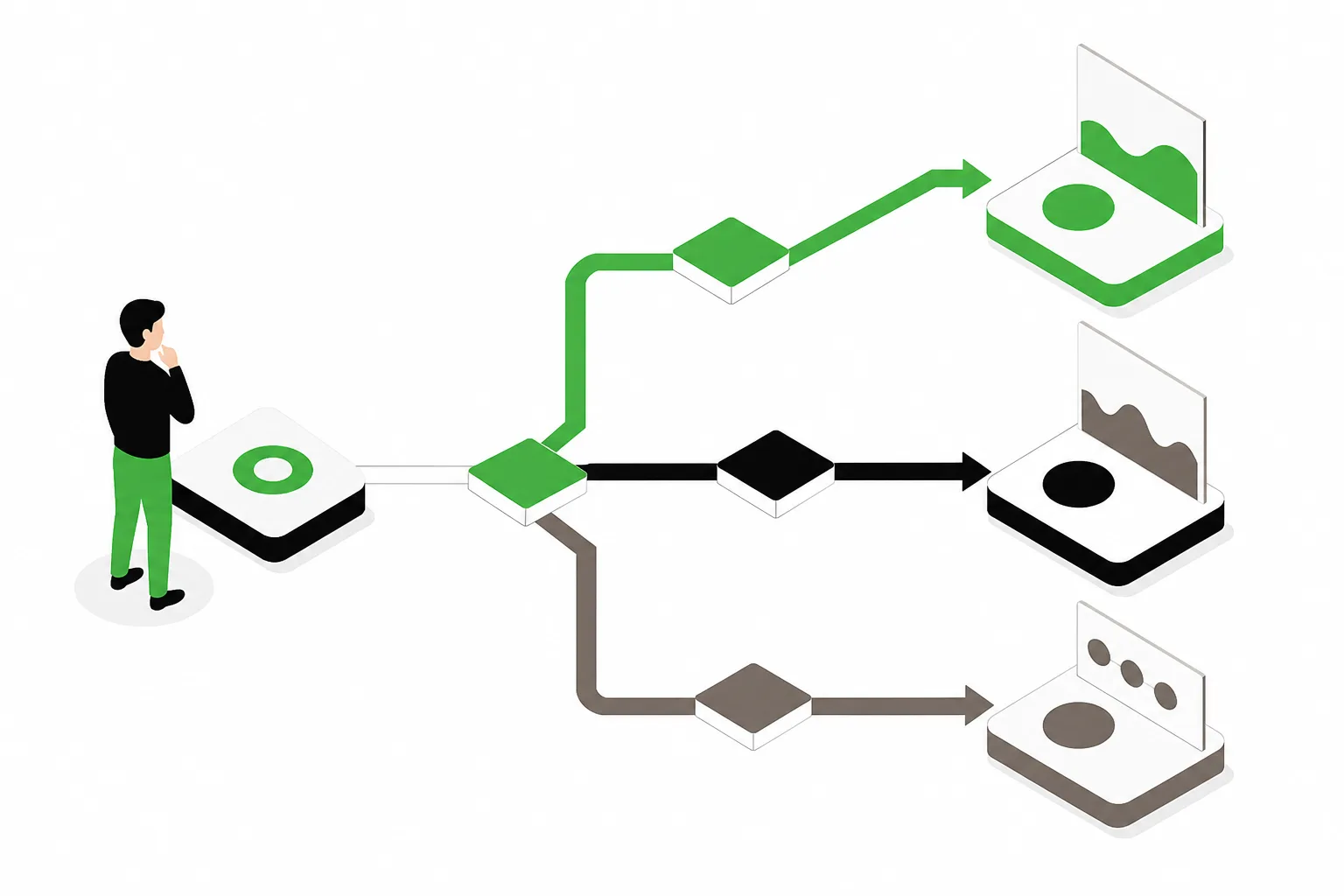
Local businesses usually overspend when they choose channels based on familiarity. A business owner likes Facebook, so they put everything into Meta. Another owner has heard Google leads are better, so they ignore social entirely. Both can be wrong.
Google Ads works best when people know they have a problem and are actively looking for a solution. Searches like “emergency plumber near me,” “dentist open Saturday,” or “physical therapy clinic in Pasadena” are high intent. The person is raising their hand.
Meta Ads works best when people are not searching yet, but can still be influenced by a strong offer, a clear pain point, or repeated exposure. Think “summer HVAC tune-up,” “new patient special,” or “family meal deal tonight.” You are interrupting attention, not answering a search.
That distinction matters because demand capture and demand creation produce different lead quality, different speed, and different expectations.
What Google Ads Does Best For Local Businesses

Fast Demand Capture
Google is usually the first place to put budget when a business needs leads now. Search traffic is intent-rich, especially for urgent services. If someone’s water heater failed this morning, they are not browsing Instagram for inspiration. They are searching.
Home services businesses often win here first. Plumbers, roofers, electricians, restoration companies, HVAC contractors, and locksmiths can all justify a heavier Google allocation because the demand already exists. The platform helps you intercept it.
Clearer Commercial Intent
Google also tends to produce more bottom-funnel actions for clinics and professional services. A local med spa, urgent care center, injury clinic, or family law firm can target searches tied to immediate need. That usually means stronger conversion rates from click to call or form fill than social prospecting campaigns.
This is where strong local ppc management matters. Search campaigns need tight geography, disciplined keyword control, call tracking, negative keywords, and landing pages that match the search. Without that setup, you can burn through budget on broad traffic that never had a chance to convert.
Better For High-Urgency Categories
If the service is urgent, unplanned, or problem-driven, Google usually deserves the larger share. Examples include:
- Emergency home services: plumbing leaks, AC failure, electrical issues
- Immediate healthcare needs: urgent care, same-week dental appointments, injury treatment
- Time-sensitive legal and professional services: bail bonds, estate disputes, tax resolution
These categories do not need a lot of awareness building. They need visibility at the exact moment someone is ready to act.
What Google Ads Does Not Do Well On Its Own
Google is less effective when search volume is low, when the offer is new, or when buyers need education before they convert. A premium wellness clinic, a new restaurant concept, or a remodeling firm with long sales cycles may find that search alone limits growth. You can only capture the demand that already exists.
That is where Meta becomes useful.
What Meta Ads Does Best For Local Businesses

Demand Creation And Market Education
Meta Ads can put your business in front of the right audience before they search. This matters for services people do not think about every day, or where the buyer needs a reason to act now.
A pediatric dental office can promote a back-to-school new patient offer to parents in a specific radius. A med spa can educate potential patients on treatment benefits with before-and-after creative and testimonials. A restaurant can push a seasonal event or limited-time menu to nearby users who fit the right demographic profile.
That is not a substitute for search. It is how you create interest upstream.
Lower Cost Reach, Weaker Immediate Intent
Meta often gives you cheaper impressions and clicks than Google, but that does not automatically mean cheaper customers. The traffic is colder. People were scrolling, not searching. You have to earn the response with creative, offer, targeting, and repetition.
For local businesses with strong visuals or compelling offers, that tradeoff can work well. Think cosmetic clinics, gyms, restaurants, event venues, boutique retail, and family entertainment businesses. Those categories can benefit from awareness and consideration campaigns before a direct lead ask.
Better For Audience Building And Retargeting
Meta is also excellent for staying visible after someone has visited your site, watched a video, or engaged with your brand. That makes it powerful in longer consideration cycles. A homeowner may click a remodeling ad, browse your site, and leave. Seeing your projects, reviews, and financing message later in their feed can bring them back.
For many local businesses, Meta is not the first-click hero. It is the channel that improves branded search, return visits, and assisted conversions over time.
Which Businesses Usually Win On Each Platform
Businesses That Often Lean Google First
- Plumbers, HVAC, electricians, and restoration companies
- Dentists offering urgent or high-intent services
- Urgent care and walk-in clinics
- Personal injury and family law firms
- Auto repair shops
These businesses serve demand that is already active. When the need is obvious and immediate, Google usually carries the heavier load.
Businesses That Often Lean Meta First
- Restaurants and hospitality concepts
- Med spas and aesthetic clinics
- Gyms and fitness studios
- Event venues and local attractions
- Boutique retail and lifestyle brands
These businesses benefit more from visual persuasion, repeat exposure, promotions, and local awareness. Search can still matter, but Meta often plays a bigger role in generating interest.
Businesses That Need Both Early
Some categories should not treat this as an either-or decision. A remodeling company, orthodontic practice, or multi-location healthcare group often needs Google to capture active searches and Meta to nurture everyone else who is comparing options. If the sale is valuable enough and the decision takes time, both channels usually earn a seat.
How To Split Budget Based On Goal
When You Need Leads Now
If your pipeline is thin and the immediate goal is booked appointments, calls, or quote requests, start heavier on Google. A practical split for many local businesses is 70 to 80 percent Google, 20 to 30 percent Meta.
Use Google for high-intent search and branded terms. Use Meta mainly for retargeting site visitors, video viewers, and lead form openers who did not submit. That keeps your brand in front of warm prospects without asking Meta to carry the full acquisition burden.
When You Need Pipeline Building
If you already have stable lead flow and want to build future demand, the split can move closer to 50 percent Google, 50 percent Meta, or even 40 percent Google, 60 percent Meta in categories where visual persuasion matters more than immediate search volume.
This approach works well for med spas, elective healthcare, premium home remodeling, and restaurants trying to grow frequency, not just one-time visits.
When Budget Is Tight
If you are spending less than roughly $1,500 to $2,000 per month total, trying to do everything at once usually weakens both channels. Pick the platform that matches your strongest buying signal.
For emergency and high-intent services, that is usually Google. For promotion-heavy businesses with strong creative and local audience targeting, that can be Meta. Add the second platform once the first is producing stable data.
When You Have Multiple Locations
Regional businesses should split by market maturity, not just by total company budget. Established locations with search demand can absorb more Google spend. Newer locations often need more Meta support to build awareness and seed branded searches before search campaigns scale efficiently.
If you need a framework for planning that mix, Emarketed’s Paid Media Optimization resource is a useful starting point for mapping channels to goals and performance thresholds.
Realistic Cost And Timeline Expectations
Google Ads Timelines
Google can generate leads quickly, sometimes within days, but efficiency takes work. The first month often reveals which search terms convert, which geographies waste spend, and which ad copy drives calls versus low-quality clicks.
Do not expect instant perfection. Expect faster signal.
Cost per click can be high in competitive local categories, especially legal, healthcare, and home services. That does not mean the channel is too expensive. It means your close rate, booking process, and average customer value have to justify the spend.
Meta Ads Timelines
Meta usually needs more creative testing and more patience. You may get leads in week one, but stable performance often takes several weeks of testing audiences, offers, formats, and follow-up workflows.
The channel is also more sensitive to weak creative. A plain stock image and generic headline will disappear in the feed. Strong local creative, clear offers, and proof points matter more here than many owners realize.
Watch Cost Per Qualified Lead, Not Just Cost Per Lead
This is where businesses fool themselves. A restaurant may get cheap engagement on Meta that never turns into visits. A clinic may get lower lead volume on Google, but a much higher show rate and patient value. The metric that matters is not just form fills. It is qualified leads that turn into revenue.
Track calls, booked appointments, show rates, close rates, and customer value by channel. If your reporting stops at clicks, you are not managing the budget, you are just observing it.
Why Retargeting Across Both Platforms Usually Beats Picking A Winner
The strongest local ad systems often use Google and Meta together, with each doing a different job. Google captures active demand. Meta follows up on that interest, reinforces trust, and creates more return visits. Then branded search volume rises, direct traffic increases, and Google campaigns often convert better because the prospect has seen you before.
A home remodeling company is a good example. Someone searches “kitchen remodel contractor near me,” clicks your ad, looks around, and leaves. Later they see your Meta ad with project photos, financing language, and a testimonial from a nearby homeowner. A week later they search your brand name and submit a consultation form. Which platform gets credit depends on your attribution model. Which platform helped create the sale is easier to answer: both.
The same pattern shows up for healthcare clinics. A patient may find you on Google, compare providers, then respond after seeing repeated Meta ads featuring physician credibility, insurance information, or patient reviews.
Restaurants can reverse the sequence. A diner sees a Meta ad for a weekend special, remembers the brand, then searches the restaurant name on Google Maps before visiting. Again, the path is not linear.
FAQ
Should A Local Business Start With Google Ads Or Meta Ads?
Start with Google if people already search for your service with clear intent, especially in urgent categories. Start with Meta if your offer needs awareness, education, or visual persuasion before people are ready to act.
How Much Should A Small Local Business Spend On Each Platform?
It depends on category and goal, but many lead-focused local businesses begin around 70/30 in favor of Google. Businesses focused on awareness, promotions, or longer-term pipeline may move closer to 50/50 after search demand is covered.
Are Google Leads Better Than Meta Leads?
Often, yes, for immediate intent. But “better” should mean higher close rate and customer value, not just easier attribution. Meta can produce excellent leads when the offer, creative, and follow-up process are strong.
Can Restaurants And Clinics Rely On One Platform Alone?
They can, but they usually should not for long. Restaurants often use Meta to drive awareness and Google to capture branded and local intent. Clinics often use Google for active demand and Meta for education, retargeting, and trust building.
When Does It Make Sense To Hire Help?
When budget is meaningful enough that mistakes are expensive, when lead quality is inconsistent, or when no one on your team can manage creative, tracking, bidding, and landing page alignment. That is usually the point where professional PPC oversight pays for itself.
Build The Split Around Revenue, Not Channel Preference
The right budget split is not a rule you copy from another business. It comes from how your customers buy, how fast you need results, and how much education the sale requires. Google should usually lead when demand is active and urgent. Meta should usually gain share when awareness, trust, and repeated exposure influence the sale.
For many local and regional businesses, the smart move is a phased plan: capture existing demand first, add Meta retargeting second, then expand into broader audience campaigns once tracking proves where revenue comes from. If you want help building that mix, pressure-testing your spend, or tightening campaign performance across both platforms, Emarketed’s paid advertising team can help. The next practical step is to contact the team with your current budget, service area, and lead goals, then map the split around actual buying behavior instead of platform hype.