Meta Ads Vs Google Ads For Local Businesses
Meta Ads vs Google Ads for local businesses: when to start with search, when to start with social, and how to split budget for leads, calls, and sales.

If you run a local business and can only fund one paid channel first, start with Google Ads when people already know they need you. Start with Meta Ads when people do not wake up searching for your category, but will respond to a strong offer, a clear visual, or a smart retargeting sequence.
That is the short answer. The longer answer is that most local businesses lose money by splitting a small budget too early. Google captures existing demand. Meta creates and shapes demand. Both can work, but they do different jobs, require different assets, and break in different ways.
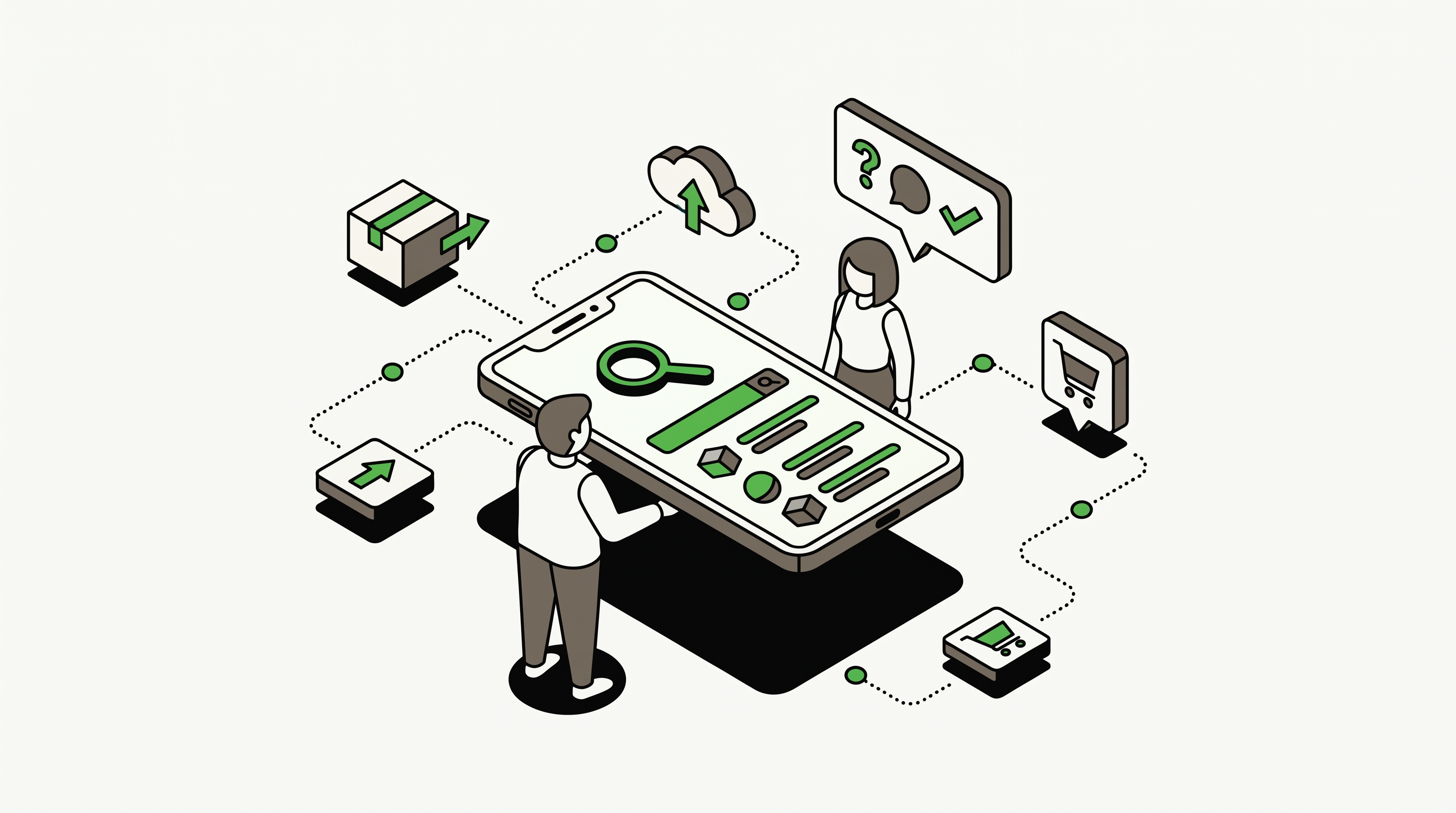
Google says Search campaigns reach people actively searching for your products and services. Its Local Ads can also surface your business across Google Search, Maps, and Waze with calls, directions, reviews, and location details built into the ad experience. On the Meta side, the platform pushes lead generation through instant forms and message-based lead ads, which are built to reduce friction inside Facebook and Instagram.
The performance gap between the two channels is not theoretical. WordStream’s 2025 Google Ads benchmarks analyzed more than 16,000 search campaigns, while its 2025 Facebook ads benchmarks analyzed more than 1,000 campaigns and found an average cost per lead of $27.66 for Meta lead campaigns. Those averages are broad, but they reinforce the real planning question: do you need intent first, or attention first?
This guide shows where budget should go first for urgent services, elective healthcare, professional services, and ecommerce or local retail. It also covers lead quality, creative demands, tracking, remarketing, and the point where using both channels starts to make sense.
Start With Buyer Intent, Not Platform Preference
Most channel debates go wrong because the business owner is really asking a different question: where is the buyer when they decide to act?
Google usually wins when the customer already has a defined need:
- emergency plumbing
- water damage cleanup
- HVAC repair
- dentist near me
- personal injury lawyer
- accountant for small business
In those categories, the buyer is not browsing for inspiration. They are trying to solve a problem now. That is exactly the environment Google Ads is built for. You bid on searches, align the ad to the need, and send the click to a page that helps the prospect call, book, or request a quote.
Meta usually wins earlier in the journey:
- med spa offers
- elective dental treatments
- boutique fitness memberships
- local events
- seasonal retail promotions
- visually driven product launches
Those buyers may convert later, but the first touch often comes from interruption, not intent. They were not searching for you. The ad created enough curiosity, relevance, or urgency to make them stop scrolling.
This is why the channel choice should follow buyer behavior. If your offer depends on someone realizing they have a problem right now, Google deserves the first budget dollars. If your offer depends on education, aspiration, or repeated exposure, Meta deserves more consideration.
For businesses already trying to line up search demand with landing-page performance, our post on paid search and SEO merging for small businesses is a useful companion. The paid click and the page experience are now one system.
When Google Ads Should Get The First Budget
Google Ads should go first when speed, intent, and lead quality matter more than volume.
Urgent Service Businesses
If you are a roofer, locksmith, attorney, plumber, restoration company, or clinic handling time-sensitive inquiries, Google is usually the priority. People search when the problem becomes expensive or painful enough to solve now. That search behavior is high signal. It often produces fewer but better leads than social traffic.
Google’s call reporting and website call conversion tracking make this even more practical for local service businesses that close over the phone. Google notes that website call conversions can measure calls for up to 60 days after the original ad click. That matters when your lead path includes a visit, a return trip, and then a call.
Professional Services
Law firms, accounting firms, consultants, and specialized B2B service providers usually benefit from starting with Google because the prospect is comparing options with a known need. Search terms like “tax accountant for small business,” “estate planning lawyer near me,” or “commercial HVAC maintenance company” come with clearer commercial intent than a social impression ever will.
That does not mean Google is easy. Cost per lead can be high in competitive categories. WordStream’s 2025 Google Ads benchmark report calls out Home & Home Improvement with an average CPL of $90.92. The lesson is not “avoid Google.” The lesson is that when clicks are expensive, weak landing pages and sloppy qualification get punished fast.
Local Healthcare And High-Trust Services
Elective healthcare is where local marketers get tempted to overgeneralize. If someone is searching “rehab center near me,” “dental implants cost,” or “IV therapy clinic Los Angeles,” Google should usually come first because the intent already exists. Meta can still help, but it should not replace the channel that captures active demand.
This is also where lead quality matters more than raw form count. A healthcare inquiry, legal lead, or high-ticket home services call is worth far more than a cheap lead that never books. For businesses in these categories, Google’s tighter link to search intent and call tracking usually makes the first budget decision simpler.
If you want an outside view of how local visibility and trust signals interact before the paid click even happens, our post on local SEO in 2026 for service business rankings is worth reading alongside this one.
When Meta Ads Should Get The First Budget
Meta should go first when your offer needs audience building, visual persuasion, or repeated exposure before the prospect is ready to search.
Elective And Aspirational Offers
Medical spas, cosmetic dentistry, fitness programs, aesthetics, local boutiques, and experience-driven businesses often have to create demand before they can capture it. People may want the outcome, but they are not always typing the exact service into Google today.
That is where Meta has an advantage. The platform gives you visual inventory across Facebook and Instagram, plus native lead formats that lower friction. Meta says its lead ads with forms are designed to make it easy for prospects to submit information directly on platform, and its message-based lead ads are built for direct follow-up in chat.
If the business has a strong offer, believable proof, and creative that shows the transformation or outcome, Meta can introduce the brand before search demand ever appears.
Ecommerce And Local Retail
Meta is often the better starting point for local retail or ecommerce businesses with visually strong products, especially when the customer does not begin with a branded search. That includes apparel, gifts, specialty food, lifestyle products, and seasonal offers.
WordStream’s 2025 Facebook ads benchmark report found an average click-through rate of 1.71% for traffic campaigns and an average cost per click of $1.92 for lead campaigns. Those are not universal promises, but they do highlight why Meta is attractive for testing hooks, offers, and audience segments faster than many businesses can on search alone.
The catch is creative fatigue. A weak image, stale headline, or generic video will burn out quickly. Google can sometimes survive plain-looking ads if the intent is strong. Meta rarely forgives boring creative for long.
Budget Size, Lead Quality, And Creative Reality
A small budget is not a reason to run both channels. It is a reason to make a sharper bet.
If the monthly spend is limited, most local service businesses should choose the one platform that matches the strongest buying signal. Splitting a modest budget between Google and Meta often leaves both channels underfed. You end up with too little search data to find winning queries and too little Meta data to find winning audiences or creative.
Lead quality usually follows the same pattern:
- Google leads are often fewer, but closer to action
- Meta leads are often cheaper, but colder at first touch
- Remarketing can raise quality on both sides
That is not a knock on Meta. It is just a different job. A prospect who fills out a Meta instant form after seeing a med spa offer may still need more follow-up than someone who searched for “botox near me pricing” and called directly from a Google ad.
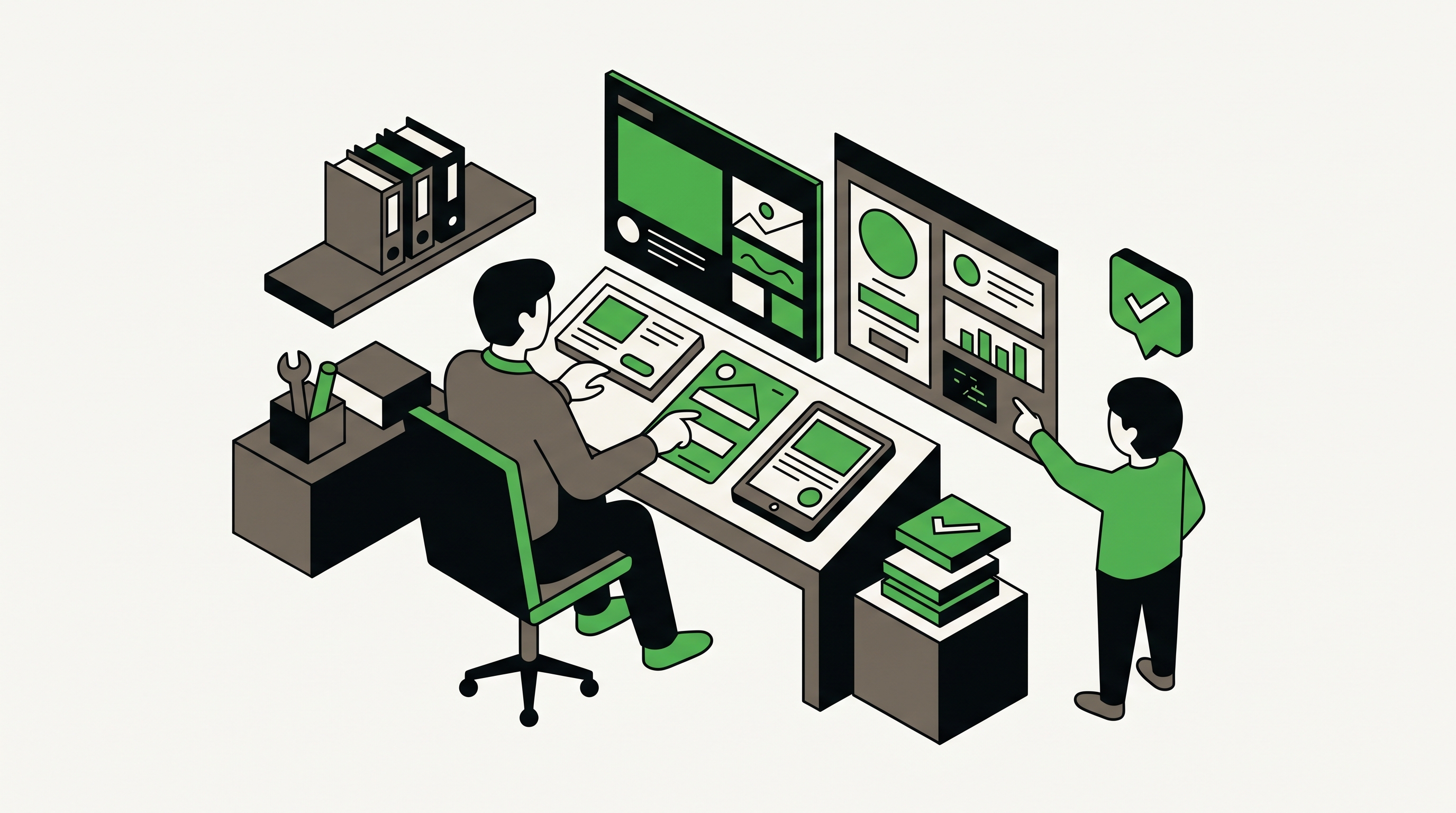
Creative demands are different too. Google rewards clear copy, keyword-to-page alignment, and a strong landing page. Meta rewards creative testing, offer clarity, audience fit, and frequency control. If your team cannot consistently produce credible images, short-form video, testimonials, before-and-after style proof where appropriate, or strong hooks, Meta gets harder fast.
For many local businesses, that becomes the deciding factor. They do not actually have a channel problem. They have an asset problem.
Tracking Should Influence The Channel Choice
This point gets ignored far too often.
If you cannot track what happens after the click, both platforms will mislead you. Google at least gives local businesses a more direct path to call tracking and offline attribution. Its enhanced conversions for leads use first-party data to improve attribution and bidding performance when leads close later, not just online. For businesses that quote jobs, schedule consultations, or close by phone, that is a major advantage.
Meta has improved its measurement stack too. The platform’s Conversions API is built to improve measurement across the customer journey, but the setup discipline still matters. If form submissions are low quality, the pixel or server-side events will simply optimize toward more low-quality submissions.
That is why Google is usually the safer starting point for service businesses with long sales cycles but clear search demand. The path from keyword to call to closed lead is more legible.
Meta becomes much stronger when:
- you already know your best audience segments
- your offer is proven
- your follow-up speed is solid
- you have creative worth testing
- you can feed real conversion signals back to the platform
When Both Channels Should Work Together
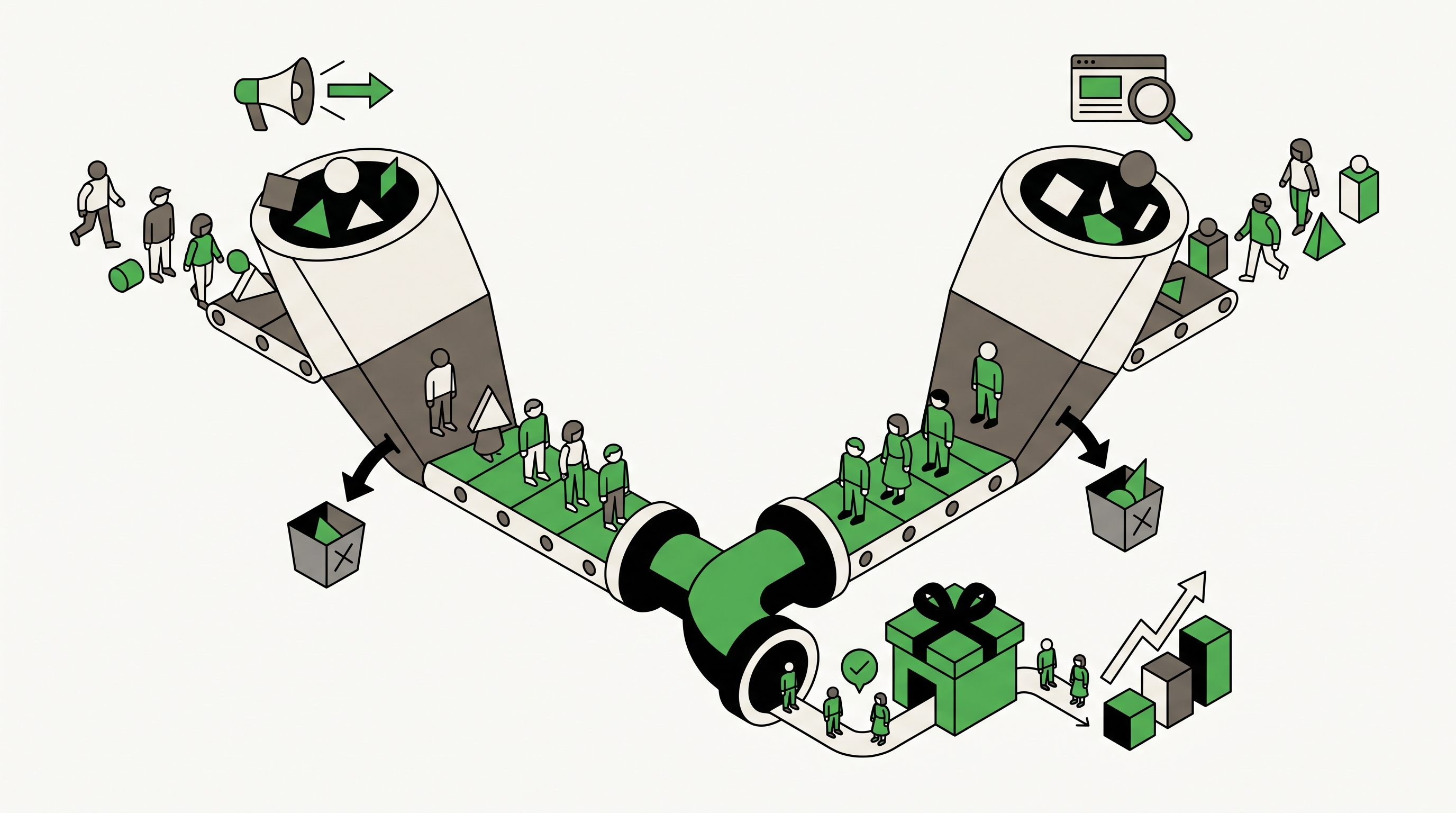
The best answer for established local businesses is often not Google or Meta. It is sequencing.
Start with Google when you want to capture people already in market. Add Meta when you want to stay in front of non-converters, educate colder audiences, or create demand in adjacent segments.
That stack works especially well in four cases.
Urgent Services With A Delayed Decision Layer
A roofing company may win emergency searches on Google, then use Meta remarketing to stay visible while the homeowner compares quotes and financing options.
Elective Healthcare With Research Cycles
A med spa, cosmetic dentist, or behavioral health provider may use Meta to educate and build trust, then let Google close the high-intent search later when the person starts comparing providers.
Professional Services With Long Consideration Windows
An accounting or legal practice can capture bottom-funnel searches on Google while using Meta to retarget site visitors with proof, reviews, or case-specific educational content.
Retail Brands With Both Discovery And Demand
A local retailer or ecommerce brand can use Meta to introduce products and offers, then capture follow-up branded or category searches on Google.
If that sounds like more operational discipline, it is. The brands that win here usually have better landing pages, better attribution, and a tighter remarketing loop. That is also why a focused paid ads strategy tends to outperform random platform hopping.
A Simple Decision Framework
If you are deciding where the next dollar goes, use this:
Start with Google Ads first if:
- buyers already search for the service by name
- phone calls are a primary conversion path
- the category is urgent, high-intent, or comparison-heavy
- lead quality matters more than cheap volume
Start with Meta Ads first if:
- the offer is visual, demonstrable, or impulse-friendly
- buyers need education before they search
- you have strong creative and fast follow-up
- the business depends on awareness as much as intent
Use both when:
- search demand exists, but one click rarely closes the sale
- your team can track leads past the form fill
- you have enough budget to let each platform do its job properly
The mistake is not choosing the wrong platform once. The mistake is expecting one platform to do the other platform’s job.
Frequently Asked Questions
Should Most Local Service Businesses Start With Google Ads Or Meta Ads?
Most should start with Google Ads. If the customer already knows they need the service and is searching for it, search intent is the strongest buying signal you can pay for.
Are Meta Leads Lower Quality Than Google Leads?
Often, yes at first touch. Meta leads tend to be colder because the platform is interrupting attention rather than capturing a search. That does not make them bad leads, but it usually means follow-up and remarketing matter more.
Is Meta Better For Ecommerce And Local Retail?
Usually, yes when the product is visual and the brand still needs discovery. Meta is often better at generating initial interest, while Google becomes more valuable once branded or category demand shows up.
Can Healthcare Marketers Rely On Meta Alone?
Rarely. Elective healthcare can benefit from Meta for education and retargeting, but local healthcare marketers usually still need Google to capture high-intent searches around treatment, cost, location, and provider comparison.
When Should A Business Split Budget Across Both Platforms?
Only after one platform is already producing useful signal or when the business has enough budget, tracking, and creative to support both. Splitting too early usually starves both channels.
What Matters More, Cheap Leads Or Qualified Leads?
Qualified leads. A lower CPL is meaningless if the contacts do not answer, do not fit the offer, or never book. For local businesses, sales quality should outweigh dashboard vanity every time.
The Monday-morning move is simple: map your last 20 real customers by how they first recognized the problem. If they started with a search, fund Google first. If they started with an offer, a visual, or repeated exposure, test Meta first. Then build the second channel only after the first one is telling the truth.