Missed Calls Will Cost You In Local Services Ads
Google will charge some missed Local Services Ads calls starting October 1, 2026, making call routing, hours, and response speed part of paid media performance.
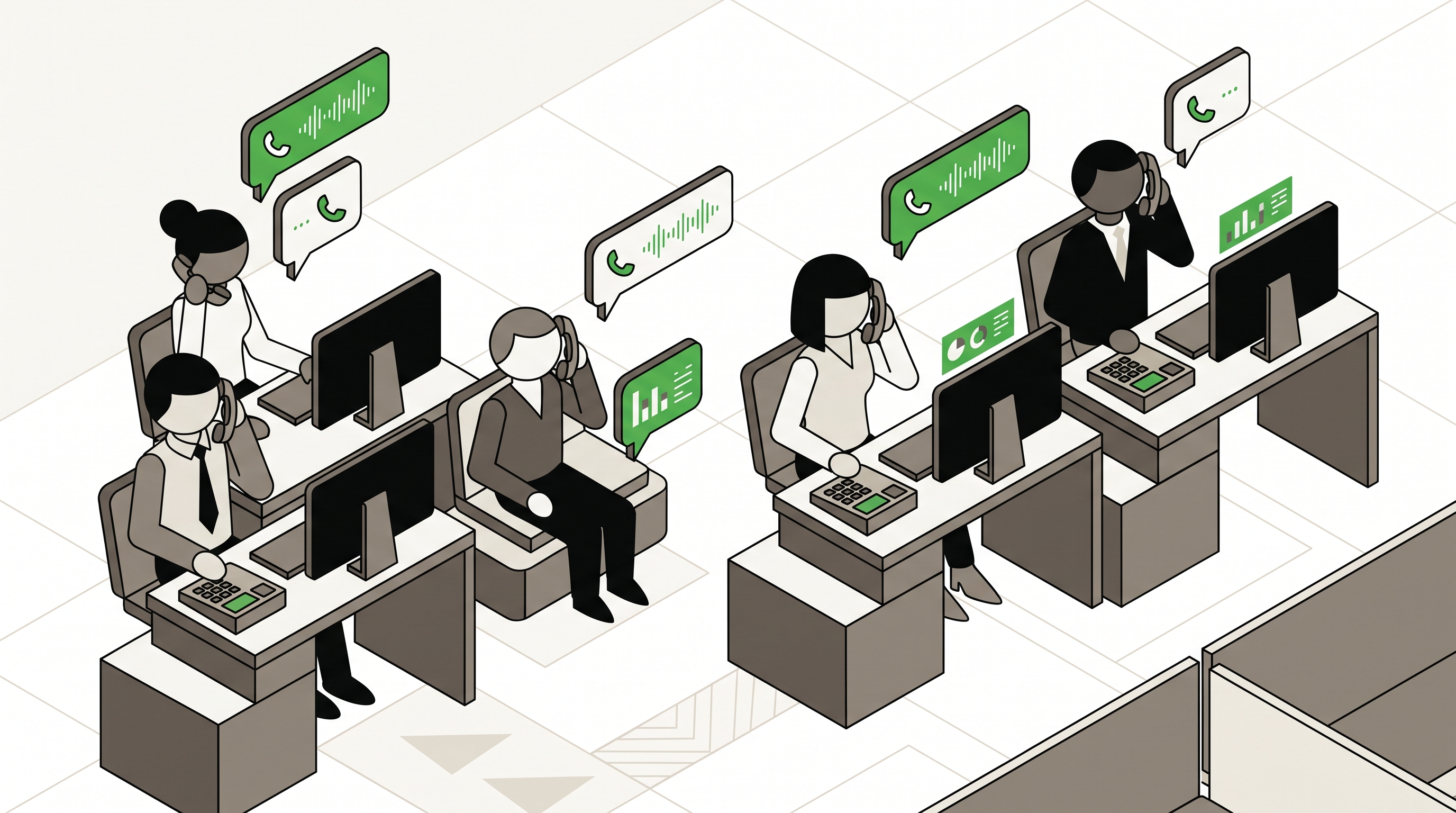
Missed calls are about to get more expensive for Local Services Ads advertisers.
On August 25, 2026, Search Engine Land reported that Google will begin charging for some missed and follow-up Local Services Ads calls starting October 1, 2026. The key detail is the one local business owners will feel fastest: a missed call during business hours can count as a valid lead if the caller stays on the line for more than 20 seconds, with some call-routing exceptions. If you rely on LSAs for home services, legal, healthcare, or other high-intent local demand, this is not a small billing tweak. It changes what “media performance” includes.
Google’s own Local Services Ads setup guide already says these ads drive direct calls, messages, and bookings from people searching for services in your area. Its newer pay-per-lead Performance Max documentation makes the direction even clearer: Google now treats answered calls, voicemails, and return calls to missed connections as part of the direct phone-call goal for this local ad model.
Your Front Desk Is Now Part Of Your Paid Media System
That was always true in practice. Now it is true in billing.
If a business pays for local leads, then misses calls during posted hours, the ad account and the call-handling process are no longer separate problems. They are one system. A weak handoff can turn media spend into wasted spend even when the ad itself did its job.
This is especially important for businesses with:
- phones that ring to one overloaded desk
- after-hours coverage gaps
- call trees that slow down routing
- no clear process for voicemail callbacks
If your team wants a broader paid media tune-up after this change, Emarketed’s paid ads services are built for exactly this kind of performance cleanup.
The Smart Response Is Operational, Not Just Financial
Do not react by only lowering budget.
Google’s Local Services Ads performance guide recommends broader service-area coverage, strong reviews, messaging, and booking features that give customers more ways to reach you, especially during nights and weekends when you cannot answer the phone. That guidance matters more now because every unanswered call creates more downside.
Before October 1, local advertisers should check:
- whether business hours in LSA and Google Business Profile are accurate
- whether missed calls trigger a fast callback workflow
- whether message leads and direct booking are enabled where appropriate
- whether the call-routing setup forces too much friction before a human picks up
This is also why the earlier shift we covered in Local Services Ads moving into Google Ads matters. The platform is pushing local ad management closer to automated paid media systems, which means sloppy operations show up faster in cost and lead quality.
What Local Marketers Should Do This Week
Treat this as a response-time audit, not a policy footnote.
Run a few real test calls during stated business hours. Check how long the phone rings, whether callers hit a confusing prompt tree, whether voicemail instructions are clear, and how fast a missed call gets returned. Then compare that process to the value of a typical booked job, consult, or qualified lead.
The local businesses that handle this change best will not be the ones that argue with the invoice later. They will be the ones that tighten the path from ad click to human response before October 1 arrives. If you want a companion framework for the account side, Emarketed’s paid media optimization resource is a useful next read.