Why Your Contact Page Is Losing Local Leads
A weak contact page costs local leads in 2026. Here is what to fix so buyers, Google, and review-driven searchers can trust your business faster.
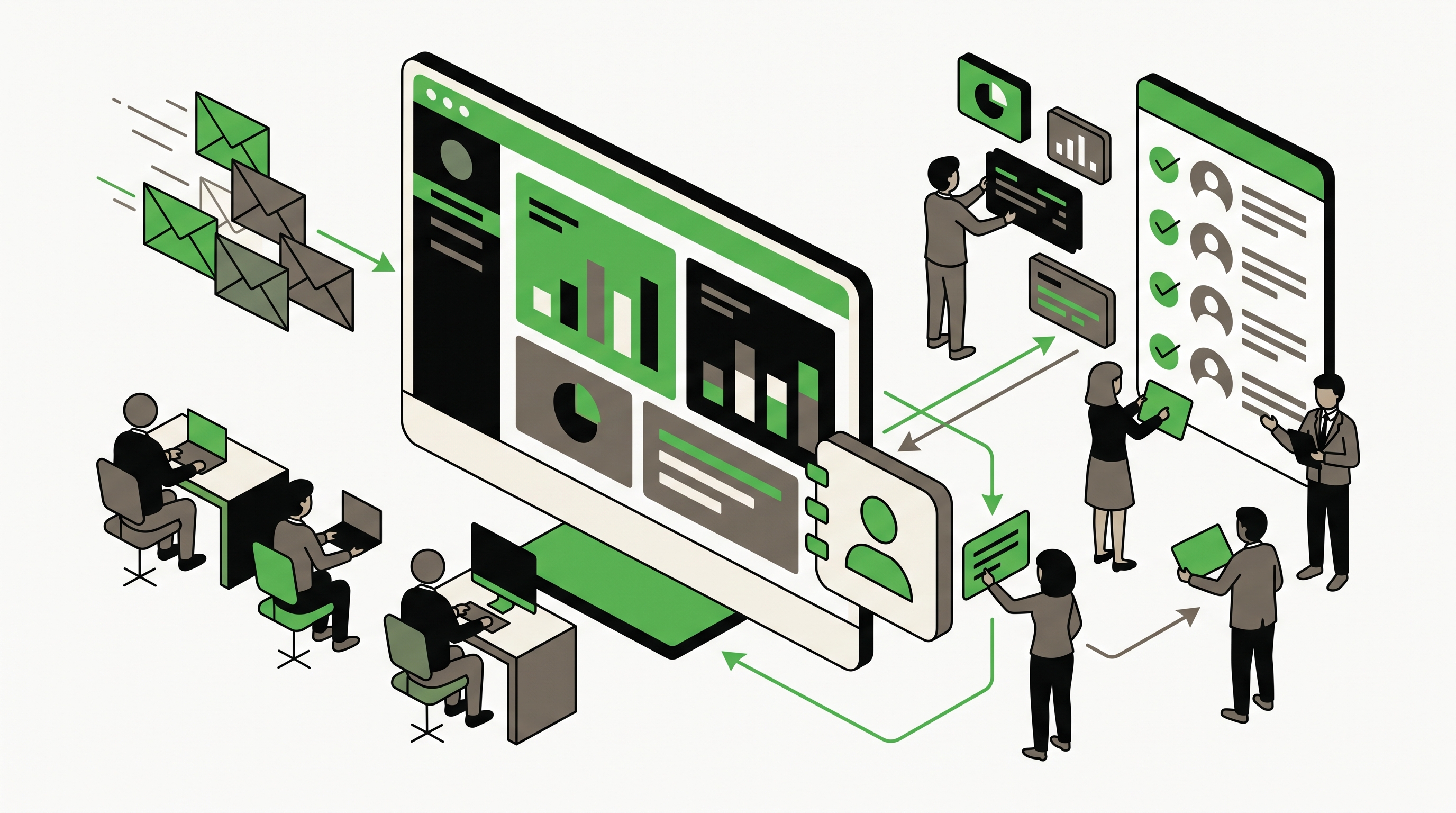
Your contact page is not a legal requirement with a form attached. It is one of the pages buyers use to decide whether your business feels real enough to call.
That matters because local search behavior now includes a verification step almost by default. Yext’s 2026 Consumer Search Behaviors Report found that after an AI recommendation, 53% of people search Google or Bing to verify what they saw, 49% visit the business website directly, 42% click the cited sources, and 28% check reviews. If someone lands on your contact page during that process and finds a thin form, vague location details, or no clear next step, you are making the trust check harder than it should be.
The Myth: A Contact Page Only Needs A Form And A Phone Number
That idea used to survive because contact pages sat at the very end of the journey. In 2026, they show up much earlier.
Buyers use them to confirm whether your business serves their area, whether the phone number matches what they saw in search, whether the business looks active, and whether reaching out will feel simple or annoying. For local service companies, healthcare groups, roofers, B2B suppliers, and professional services firms, that is not small stuff. It is qualification.
This is why weak contact pages quietly hurt lead quality. HubSpot’s 2026 State of Marketing report says 93.8% of marketers saw lead quality improve over the past year. Better buyers are not a free win, though. They are also more selective. If your page creates friction during the verification step, the higher-intent prospect may leave before your team ever gets the chance to respond.
Buyers Use The Contact Page To Reduce Risk
A strong contact page helps someone settle a few practical questions fast:
- Is this the official site?
- Is this business actually in my area?
- Is there a real person or team behind this?
- What is the fastest way to get the right answer?
- What happens after I reach out?
Those questions sound simple, but they are often the final barrier before a call or form submission.
Yext’s report shows review signals still shape the purchase decision heavily, with star rating, review recency, sentiment, and volume all carrying serious weight. That means your contact page cannot live in isolation. It should support the same trust picture people are building from your reviews, search listings, and social presence. If your page hides office hours, uses a different phone number than your profile, or gives no sense of who handles inquiries, it introduces doubt right when the buyer is trying to remove it.
This is also where local businesses lose easy opportunities. A lot of teams spend heavily on traffic and then make the handoff feel clumsy. If your SEO strategy is helping more qualified visitors find you, the contact page should make that intent easier to convert, not harder.
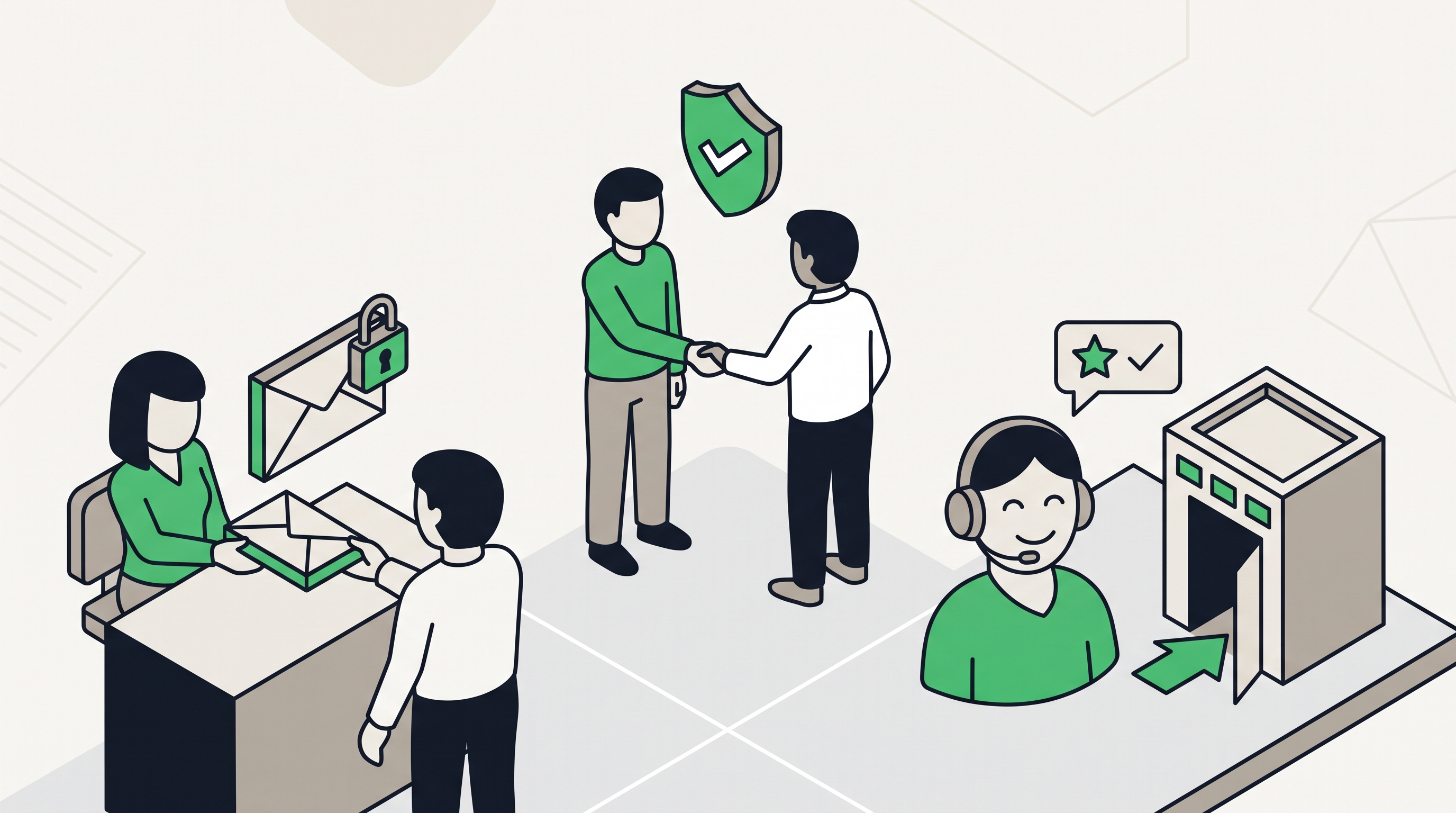
Google Uses These Details Too
This is not only a conversion issue. It is a visibility issue.
Google’s documentation on establishing business details says businesses should provide location, official site, and content information so those details can appear in Search results, the knowledge panel, and Google Maps. Google also says LocalBusiness structured data can help surface business hours, departments, reviews, and related details in Search.
In plain English, your contact page is one of the places where search engines and buyers both look for business clarity.
That does not mean a contact page alone will fix local visibility. It does mean the page should reinforce the basics cleanly:
- business name
- address or service-area explanation
- primary phone number
- hours or response expectations
- department or location differences when relevant
- embedded trust signals that match what people see elsewhere
If those details are inconsistent across your site, Google Business Profile, directories, and reviews, you create extra work for both the search engine and the buyer.
At Emarketed, we have seen how much consistency compounds over time. LA Roofing Materials grew from near-zero organic presence to 2,000+ keyword rankings and lifted AI mentions by 258%. Results like that do not come from one page alone, but they do depend on a site that makes core business signals easy to verify.
What A Better Contact Page Actually Includes
Most businesses do not need a fancy redesign here. They need a more useful page.
The strongest local contact pages usually include:
- a clear headline that says what happens when someone reaches out
- one primary CTA, not three competing asks
- a real phone number and email path that match your public listings
- service-area or office-location detail that removes ambiguity
- business hours or response-time expectations
- a short trust block with reviews, credentials, or relevant proof
- department routing when sales, support, and location contacts differ
For some businesses, that page should also explain whether calls are answered live, whether quotes require photos or project details, whether insurance questions can be handled there, or whether same-day callbacks are realistic. The point is not to add fluff. The point is to answer the operational questions that shape whether a lead feels comfortable moving forward.
If your site work is overdue across the board, website development should include this page in the conversion audit. Contact pages are often treated like leftovers, even though they sit much closer to revenue than many blog posts ever will.
What To Fix This Week
Open your contact page on mobile and check it like a skeptical buyer, not like the person who built it.
Look for these problems first:
- the page does not explain who should use the form
- the phone number or address differs from other public listings
- there is no stated response window
- the CTA asks for too much information too soon
- there are no visible trust signals near the form
- the location or service area still feels vague after 10 seconds
Then compare the page against your Google Business Profile, major directories, and recent reviews. If the core details do not align, fix that before you worry about adding more traffic.
In 2026, local buyers do not separate trust, search, and conversion into neat channels. They move across all three in one session. A stronger contact page helps you meet that behavior with less friction, clearer signals, and a better shot at turning search visibility into a real conversation.