AI Summaries Make Trust Signals More Important
AI assistants shape brand perception before buyers click. Here is which website trust signals help your business get summarized accurately and credibly.

AI assistants are becoming the first place buyers hear your brand described back to them. That changes what trust looks like.
In G2’s 2026 AI Search Insight Report, 51% of B2B software buyers said they start research with an AI chatbot more often than Google, and 71% said they rely on AI chatbots somewhere in the software research process. G2’s blunt conclusion is the part marketers should not skip: review sites have become the trust layer in AI search. At the same time, Gartner said on May 20, 2026 that 45% of B2B buyers are already using GenAI to gather information on vendors and products, while 69% still turn to sales reps to validate what AI tells them.
That is the new tension. AI is handling more of the first impression, but people still want proof.
If your website is vague, thin, or hard to verify, AI systems do not stop and wait for better copy. They pull from whatever is easiest to interpret across your site, your profiles, your reviews, and third-party mentions. In practice, that means weak trust signals create weak summaries. Strong trust signals create a stronger starting point before the call, demo, or quote request ever happens.
This is the practical shift: your website is no longer just a destination. It is source material for how AI explains your brand.
AI Is Becoming The First Brand Summary
A few months ago, many marketers still treated AI search like a side channel. That is getting harder to defend.
G2 found that AI chatbots are now the top source influencing which vendors make buyer shortlists, ahead of vendor websites, peers, and salespeople. Buyers are not only using AI to define a category. They are using it to compare options, narrow a field, and form an opinion about which brand looks credible enough to explore further.
That first impression is getting stickier too. On June 4, 2026, OpenAI began rolling out a more capable memory system for ChatGPT that helps future conversations start from shared context instead of from scratch. Earlier, OpenAI also said in its shopping research launch that ChatGPT can guide research by comparing options, weighing constraints, and adapting results as users refine what they want. Perplexity is pushing in the same direction. Its app connectors product page says users can search across files, connected apps, and web sources at once, then act on what they find without leaving the interface.
Put those changes together and the pattern is obvious. AI assistants are not acting like simple answer boxes anymore. They are becoming research environments that carry context forward.
That matters because a buyer may ask:
- which agencies are best for multi-location healthcare growth
- which roofing suppliers look most credible for commercial projects
- which software vendors fit a specific integration need
- which provider seems trustworthy enough to contact
If the first answer is assembled from mixed, stale, or generic information, your brand can lose ground before anyone reaches your site. If the answer is assembled from clear trust signals, you start with more momentum.
What Counts As A Trust Signal In AI Search
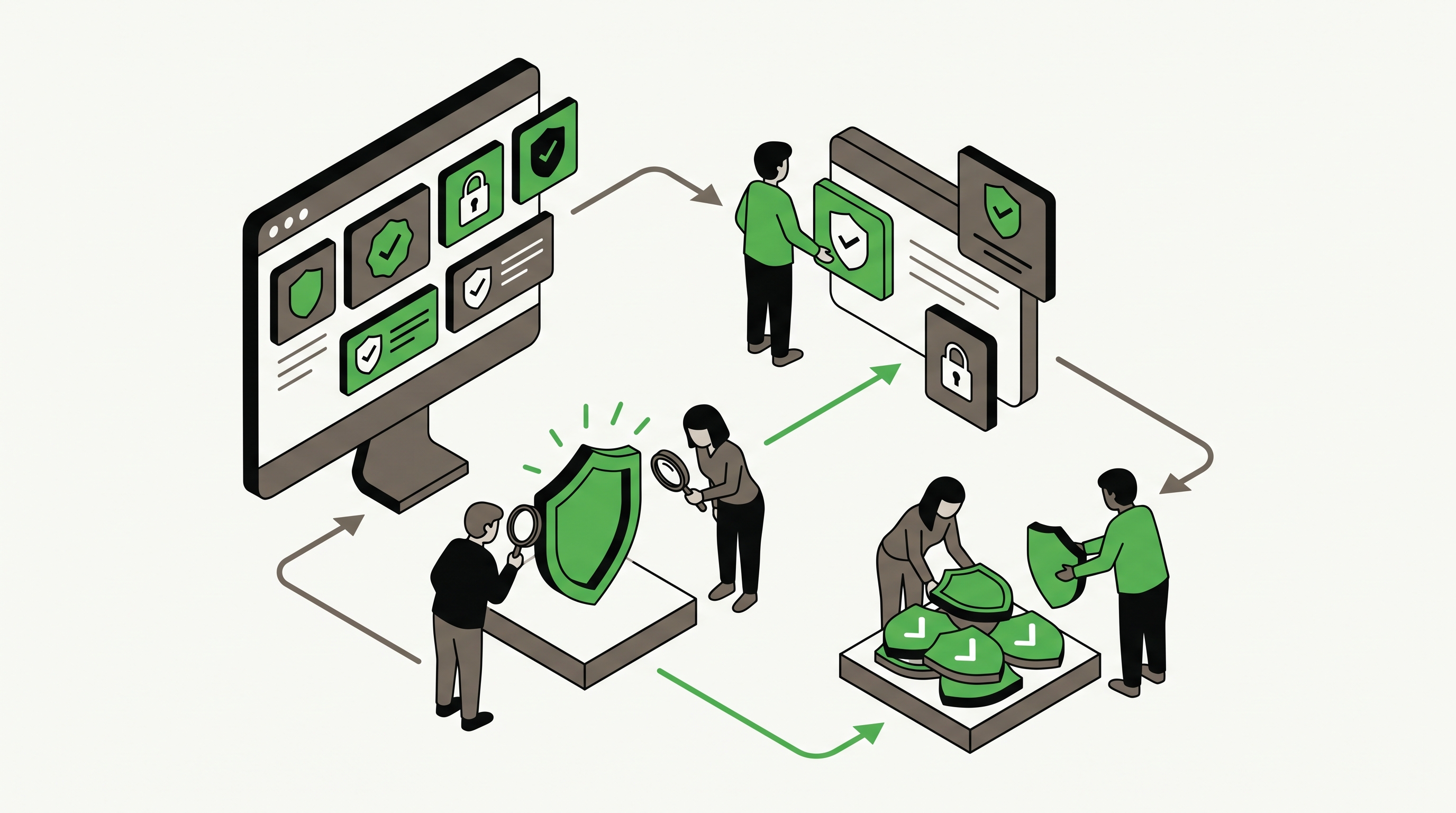
A trust signal is not just a testimonial slider or a badge wall in the footer. In AI search, a trust signal is any piece of evidence that helps a system and a human decide your business is real, relevant, and credible.
The strongest signals usually fall into five buckets.
Clear Business Identity
Google’s guide on establishing business details is useful because it gets back to basics. Google explicitly recommends claiming your Business Profile, verifying your site in Search Console, updating official business information, and adding structured data so Google can understand your organization more clearly.
That may sound elementary, but a surprising number of brands still leave gaps between their official site, public profiles, contact details, and social presence. If AI has to guess which version of your business is current, you have already made the summary worse.
Specific Proof
Buyers trust specifics more than adjectives. That includes results, certifications, years of category experience, named vertical expertise, implementation details, and concrete examples of the work.
Google’s people-first content guidance still applies here. Content should show firsthand expertise, original information, and substance. If your site says you provide innovative solutions and best-in-class service but never proves it, AI has nothing solid to reuse.
Reviews And Third-Party Validation
This is where G2’s report is especially useful. It argues that reviews are becoming the trust layer in AI search because buyers still want receipts after the AI answer. That lines up with common sense. If an assistant recommends a brand, the next instinct is often to verify the recommendation somewhere else.
For service businesses, that may mean Google reviews, Clutch, G2, industry directories, local citations, or trade mentions. For healthcare, it can include accreditation listings, provider directories, and review platforms. For B2B suppliers, it can mean association listings, customer proof, and relevant trade visibility.
Real People, Not Anonymous Brand Voice
If your leadership, specialists, clinicians, or sales engineers are invisible on the site, the company can feel generic. Named people, authored expertise, and role clarity help both users and AI systems understand who stands behind the claims.
That does not mean every page needs a bloated author box. It means the site should make it easy to answer basic credibility questions: who leads this company, who does the work, who reviews the advice, and what experience do they have?
Process Clarity
Trust rises when buyers can see how things actually work. Pricing approach, onboarding steps, response times, implementation expectations, review processes, admissions flow, and support structure all reduce ambiguity.
This is one reason our post on what content gets cited by AI, and what gets ignored matters beyond SEO. The pages that get reused most often tend to answer real decision questions directly, not hide them behind polished brand language.
Why Weak Trust Signals Create Weak AI Summaries
AI systems are fast pattern matchers. They look for stable details they can reconcile across sources. When those details are missing, vague, or contradictory, the model still has to complete the answer somehow.
Usually that leads to one of four problems.
Your Brand Gets Described Too Generically
This is the most common issue. The answer is not wildly wrong, just thin. Your company gets summarized as a marketing agency, software platform, treatment center, or local provider without the nuance that actually differentiates you.
Third-Party Sources Frame You More Than Your Own Site
If your website is light on proof and specifics, directories, review sites, old interviews, and forum mentions can end up shaping the description more than your owned pages do. Sometimes that works in your favor. Often it leaves your positioning incomplete or dated.
The Buyer Sees Friction Right After The AI Answer
Gartner’s data is important here. Buyers use AI for speed, but they still validate before committing. If a prospect clicks through after an AI summary and lands on a site with thin bios, no proof, vague services, and no process clarity, the trust gap becomes obvious immediately.
Sales Teams Inherit A Harder Conversation
When trust is weak upstream, sales has to repair it live. That means more time re-explaining basics, calming skepticism, and clarifying who you are actually best for. A better site does not replace sales. It lets sales start from a stronger point.
The Trust Signals Most Companies Still Hide
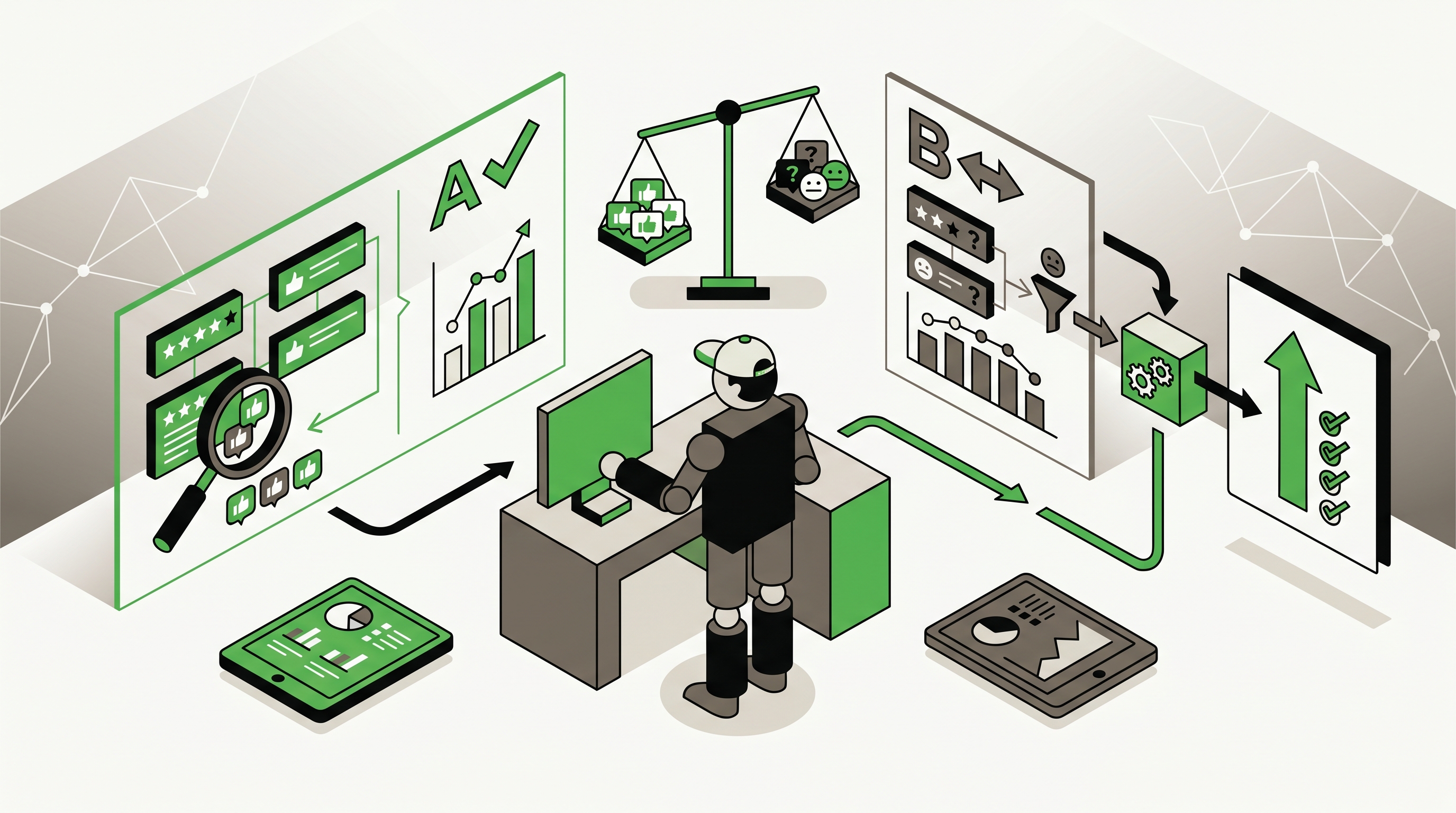
A lot of businesses already have trust assets. They just bury them.
The usual misses are:
- reviews isolated on one platform and never reflected clearly on-site
- case studies that describe activity but skip outcomes
- team pages with names but no category expertise
- service pages with no mention of who the offer is best for
- contact pages that force a call before answering obvious questions
- accreditation, certifications, or partner status hidden in PDFs or footers
- process details left out because they feel too operational
Those are not minor design flaws. They are interpretation gaps.
At Emarketed, we have seen how much this matters for B2B and local service brands that need authority, not just traffic. LA Roofing Materials grew from near-zero organic presence to more than 2,000 keyword rankings and a 258% increase in AI mentions through consistent SEO and AEO execution over time. That kind of lift does not come from publishing generic blog posts and hoping for the best. It comes from building a site and a broader presence that gives both search engines and AI systems more confidence in what the brand actually does.
This is also why website work and search work are converging. If your positioning, proof, structure, and trust signals are weak, the fix is not another layer of clever prompting. The fix is stronger source material. That is often a website development problem and an AEO problem at the same time.
A Practical Trust Signal Audit For The Next 30 Days
This does not require a giant rebrand. It requires a sharper audit.
Week 1: Audit The First Impression
Run your core commercial prompts across the AI tools your buyers use. Look at how your brand is described, which sources get cited, and which competitors appear beside you.
Document three things:
- what the assistant says you are
- what proof it uses
- where the summary feels thin, inaccurate, or generic
Week 2: Tighten Business Identity
Check the basics against Google’s business-details guidance:
- official business name
- contact information
- location data where relevant
- social profile consistency
- structured data presence
- Search Console verification
This is not glamorous work, but it reduces identity drift fast.
Week 3: Upgrade The Pages Closest To Trust
Do not start with low-intent blog content. Start with the pages buyers hit when they are deciding whether to trust you:
- home page
- primary service pages
- about page
- team or leadership page
- case study or proof pages
- contact or consultation page
Add clearer proof, stronger specificity, and more honest process detail. If a buyer has to schedule a meeting to learn the basics, the page is underperforming.
Week 4: Expand Off-Site Validation
Improve the third-party sources that keep appearing in AI answers. That may mean asking for better reviews, updating public profiles, tightening directory copy, or earning more relevant mentions in industry publications and communities.
The goal is not vanity coverage. It is source consistency.
If you want a deeper framework for the off-site side, our post on brand mentions and AI visibility is a good next read. The short version is simple: if the web cannot corroborate your claims, AI summaries will stay weaker than they should.
FAQ
What Are Trust Signals In AI Search?
They are the details that help AI systems and buyers believe your business is legitimate, relevant, and credible. That includes business identity, reviews, proof, expert authorship, and process clarity.
Why Do Trust Signals Matter More Now?
Because AI assistants are increasingly shaping the first impression before a buyer visits your site. If the model has weak evidence to work with, the summary gets weaker too.
Are Reviews More Important Than Website Copy?
Not exactly. They do different jobs. Reviews validate trust from outside your company, while website copy explains positioning, expertise, and process. The best results come when both reinforce each other.
What Is The Fastest Trust Signal Fix Most Brands Can Make?
Tighten the pages closest to trust first: your home page, service pages, about page, team page, and proof pages. Add specifics, not more slogans.
Does This Matter Only For B2B Companies?
No. It matters for agencies, healthcare organizations, local service businesses, manufacturers, and any company with a considered buying cycle. If buyers compare before contacting you, AI summaries matter.
Do I Need Special AI Tools To Improve This?
Not at the start. Most companies can make real progress by fixing identity consistency, clarifying pages, improving reviews, and publishing stronger proof before they buy new software.
What To Do Monday Morning
Ask ChatGPT, Perplexity, and Google AI surfaces to describe your company the way a buyer would. Then compare that answer to the story your sales team would tell in a real conversation.
If the AI version sounds thinner, vaguer, or less credible, that is the work.
Fix the trust signals first. In 2026, that is not a cosmetic website project. It is how you improve the source material AI uses to decide whether your brand sounds worth trusting at all.