Healthcare AEO Strategy 2026: Why Top Hospitals Are Prioritizing It Now
Major hospitals are naming healthcare AEO strategy a top 2026 priority — what behavioral health, rehab, and smaller facilities should do now.

Top health systems are prioritizing Answer Engine Optimization (AEO) to ensure their facilities appear as the primary recommendation in AI-driven search results. By refining their healthcare AEO strategy, these organizations aim to capture patient intent at the exact moment a query is made.
A recent report from Becker’s Hospital Review revealed that 17 of the leading health systems in the United States have officially designated AEO as a top marketing priority for 2026. Universal Health Services specifically highlighted the role of AEO in providing patients with timely, accurate information during critical decision-making moments. This shift signals a move away from traditional search engine results pages toward AI-driven answers that provide direct solutions to complex medical queries.
The Shift From Search Results to Direct Answers
For years, healthcare marketing focused on ranking for specific keywords in Google. However, the rise of generative AI models like ChatGPT, Claude, and Perplexity has changed how patients find care. Instead of browsing a list of ten blue links, patients now ask specific questions like: “What is the best residential treatment center in Florida for dual diagnosis?”
Large health systems realize that if they are not the answer provided by these engines, they essentially do not exist for a growing segment of the population. A comprehensive AEO strategy focuses on making a facility’s data digestible for AI. When Universal Health Services mentions AEO as a tool for timely information, they are referring to the ability of AI to pull real-time data about services, locations, and specialties to assist patients in crisis.
Not sure how your facility appears in AI search right now? Use our free AI Search Optimizer to get a baseline read on your current visibility.

Why Behavioral Health and Rehab Centers Must Act Now
While massive health systems have the budget to pivot quickly, smaller behavioral health and addiction treatment facilities often lag behind. This creates a significant risk for 2026. If a smaller facility relies solely on traditional SEO, they may find their organic traffic dropping as AI Overviews take over the top of search results.
Smaller facilities actually have an advantage in niche expertise. AI engines prioritize entities that demonstrate high levels of authority and trust in a specific area. By focusing on specific treatment modalities and local expertise, smaller facilities can compete with larger systems for the answer spot in localized or specialized queries.
How to Implement Your Healthcare AEO Strategy
To stay competitive, marketing directors at smaller facilities must shift their focus from high-volume keywords to conversational authority.
Optimize for Structured Data and Schema
AI engines rely on structured data to understand the relationship between your facility and the services you provide. Implementing healthcare schema markup allows an answer engine to quickly identify your location, accepted insurance providers, and specific treatment programs. Start with a free Website Audit to see what technical gaps your site has today.
Create Content Based on Patient Questions
Stop writing for search bots and start writing for the ask. Your content should directly answer the questions your admissions directors hear every day. Use a question-and-answer format in your blog posts and service pages. If your facility treats veterans with PTSD, create content that specifically answers how the process works, what the timeline looks like, and what outcomes to expect. Our free Topic Authority Builder can help you identify which questions to prioritize.
Build Authority Through Entity-Based SEO
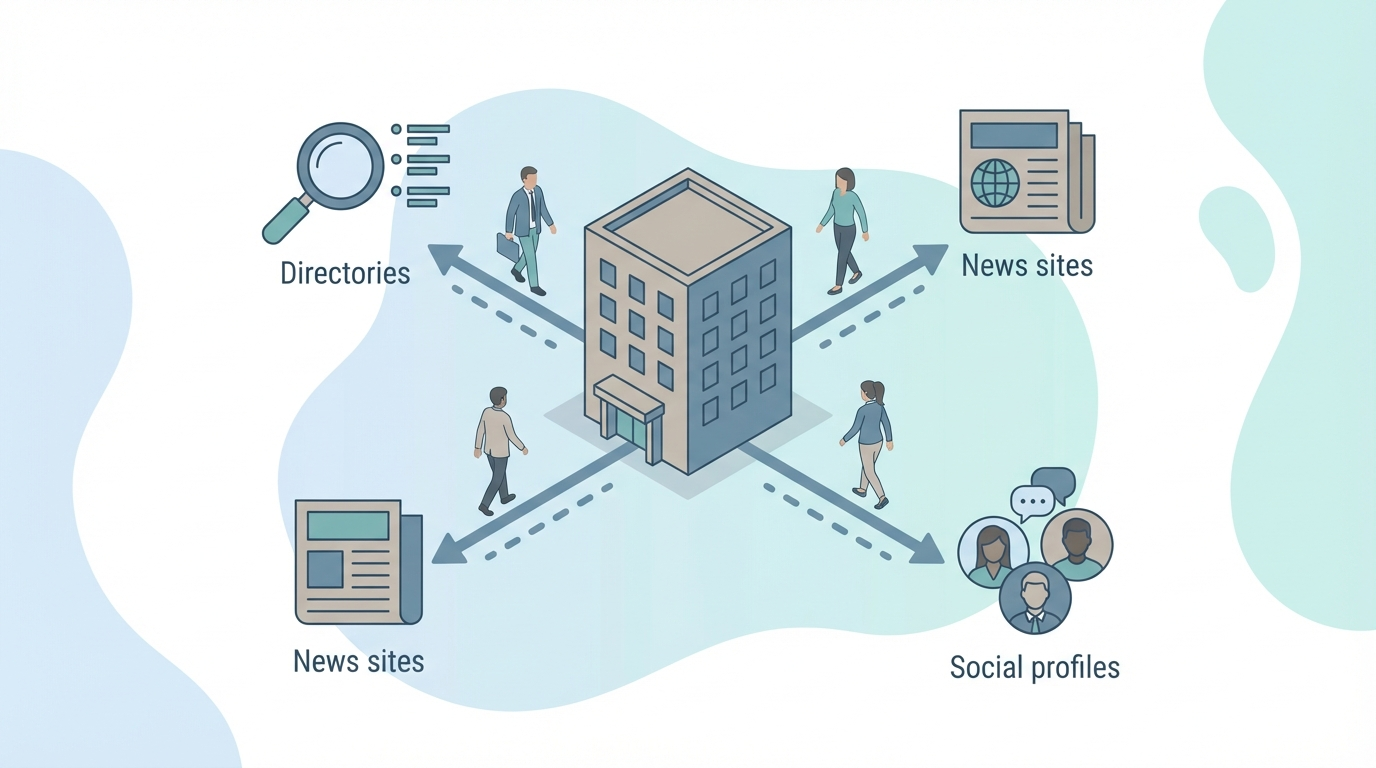
Answer engines look for entities rather than keywords. An entity is a well-defined organization with consistent signals across the web. To build entity authority, ensure your clinical directors have robust online profiles linking back to your facility, get listed on authoritative healthcare directories, and earn citations in relevant publications. Use our free LLMs.txt Generator to help AI models understand and categorize your facility correctly.
Frequently Asked Questions
What is the difference between SEO and AEO for healthcare? Traditional SEO gets your website ranked on Google. AEO gets your facility recommended by AI tools like ChatGPT, Perplexity, and Google AI when patients ask conversational questions. Both matter, but AEO is where patient acquisition is heading in 2026.
Why are large health systems investing in AEO now? Because AI search is already changing how patients find care. Facilities that build AEO authority now will compound that advantage as AI tools become the default starting point for healthcare decisions. Those who wait will be playing catch-up against brands with a 2-year head start.
Can a smaller facility compete with a major hospital system in AI search? Yes. AI engines prioritize specificity and authority in a niche over broad brand recognition. A behavioral health center that thoroughly answers questions about dual diagnosis treatment in a specific city can outrank a national hospital chain for that query. The key is building deep, trustworthy content around your exact specialization.
Check Your Facility’s AI Visibility Right Now
Not sure where your facility stands? Use our free Healthcare AI Visibility Monitor to instantly check whether ChatGPT, Perplexity, and Google AI recommend you when someone searches for a provider in your area. No account required.
If you want a full audit with a custom action plan, contact Emarketed and we will show you exactly what it takes to move up.