How to Get Cited by AI Search Engines: a Step-by-Step Guide
Learn how to improve your site's visibility in AI search engines with our step-by-step guide. Enhance clarity, trust, and relevance to get cited by AI assistants.
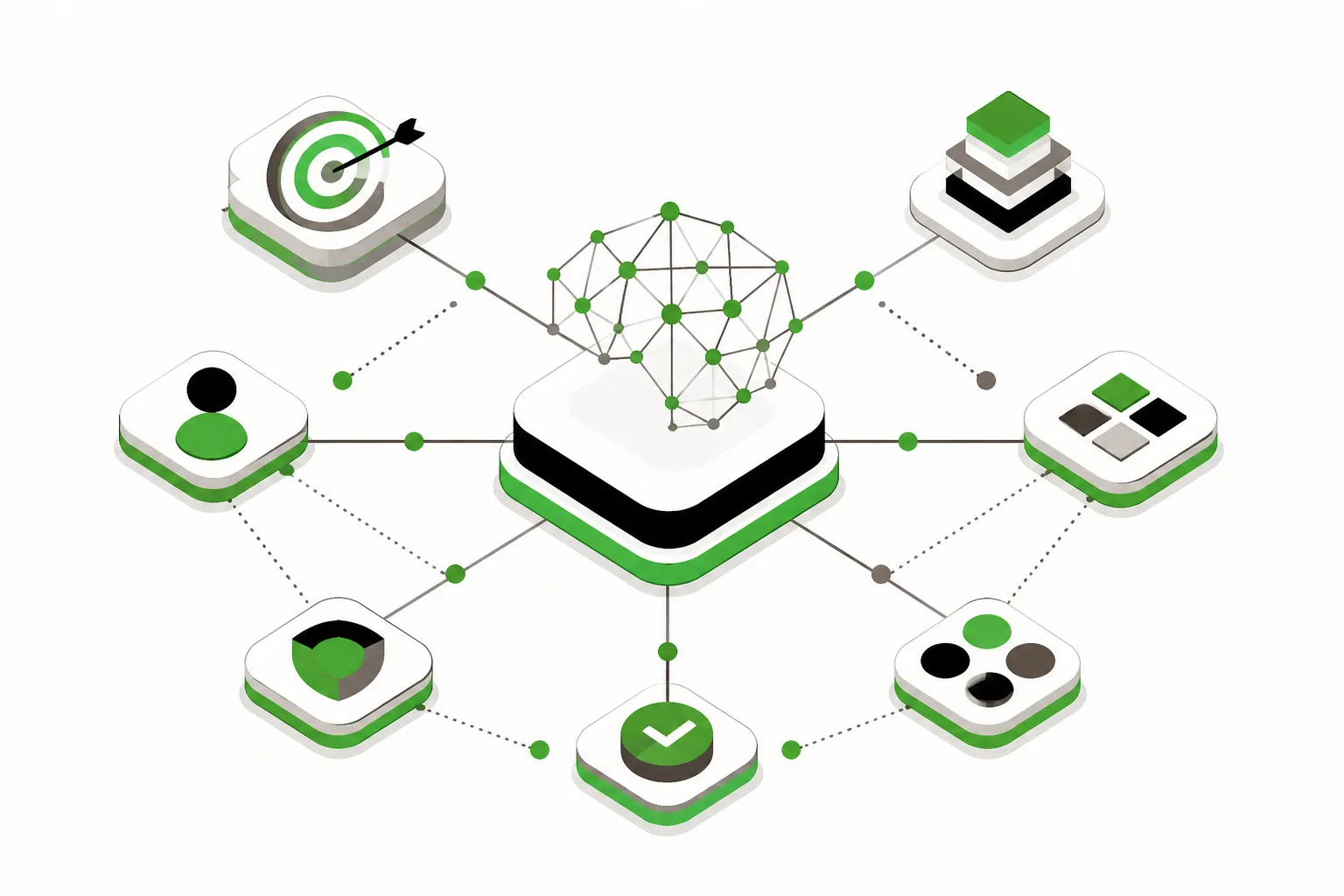
AI search does not rank pages the same way traditional search does. It assembles answers, pulls supporting facts from multiple sources, and chooses which brands, pages, and publishers to cite based on clarity, trust, structure, and topical relevance. If your site is not being referenced in AI-generated answers, the problem is usually not one thing. It is a visibility system issue.
That matters because citation is becoming a real distribution channel. Whether someone is researching software, comparing agencies, checking treatment options, or looking for a local provider, AI assistants increasingly shape which brands get seen first. If you want more visibility, you need to make your content easier for machines to understand, trust, and quote.
What AI Search Engines Actually Cite

AI search engines and assistants tend to cite pages that do three things well: answer a specific question directly, show signals of credibility, and fit naturally into a broader topic area. They are not just looking for a keyword match. They are looking for the best supporting source for a claim or recommendation.
That means thin service pages, vague blog posts, and generic AI-written copy usually underperform. Pages that win citations often include clear definitions, step-by-step guidance, original framing, concise summaries, and supporting evidence from trustworthy sources.
Step 1: Start With An AI Visibility Baseline
Before changing content, measure where you stand. You need to know whether your brand is already appearing in AI-generated responses, which pages are being surfaced, and where you are missing entirely. This is the foundation of an effective ai citation audit.
Look at branded prompts, commercial prompts, comparison prompts, and informational prompts. For example, ask AI tools who the top providers are in your niche, what solutions they recommend, and which sources they cite. Then document patterns:
- Are you mentioned by name?
- Are competitors cited more often?
- Are AI tools pulling from your homepage, blog posts, or third-party sites?
- Are they citing outdated pages or missing your strongest content?
If you want a quick benchmark, use the AI Search Optimizer to check how visible your site appears across AI-driven search experiences.
Step 2: Build Pages Around Answerable Questions
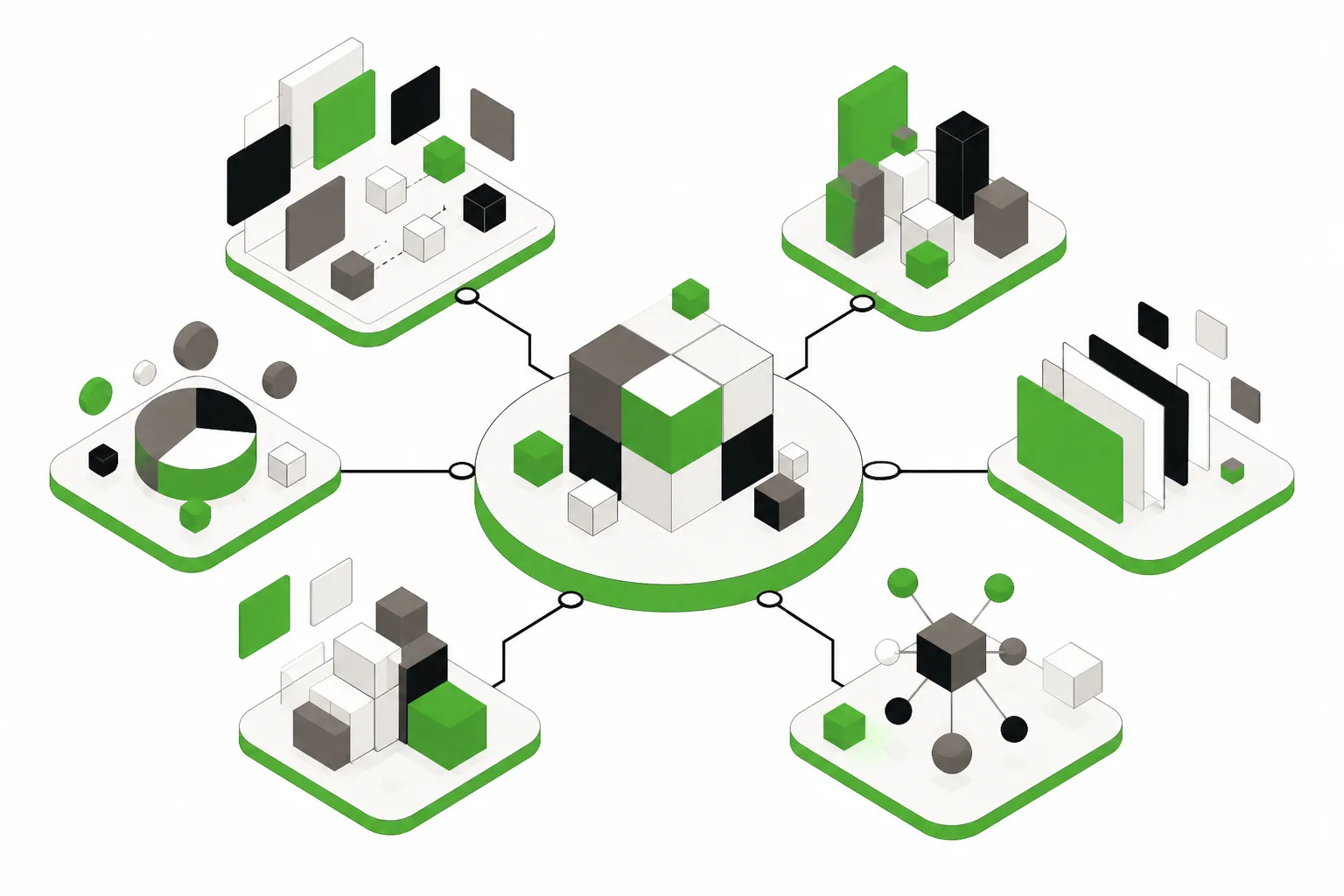
AI systems prefer content that resolves a question cleanly. That does not mean writing shallow FAQ fluff. It means structuring pages so the main answer is obvious, specific, and easy to extract.
Write The Answer Early
Open with the point. If the page is about pricing, explain pricing. If it is about treatment options, explain the differences. If it is about service comparisons, give the criteria first. Do not bury the useful part under a long brand introduction.
Use Clear Content Blocks
Break pages into sections that can stand alone. Good AI-citable blocks often include:
- A direct definition
- A short explanation of why it matters
- Bullet points or numbered steps
- A comparison table or decision framework
- A concise takeaway after each section
This structure helps human readers, but it also helps AI systems identify what your page is about and which part is worth citing.
Step 3: Strengthen Trust Signals Across The Site
AI search engines are cautious about weak or unverified sources, especially in healthcare, finance, legal, and high-stakes B2B categories. If your content makes claims without context, authorship, or supporting evidence, it is less likely to be referenced.
Add Real Proof
Use named authors, business details, first-hand experience, case examples, client outcomes, and references to reputable external sources when appropriate. If you mention a study, link to the original publisher. If you cite platform guidance, reference the platform directly.
Make Your Business Legible
Your site should clearly explain who you are, what you do, who you serve, and why you are credible. Strong About, Services, and contact pages support citation potential because they reduce ambiguity. If your positioning is fuzzy, AI systems may skip you in favor of brands with clearer authority signals.
For businesses building a broader answer engine strategy, a dedicated AEO approach helps align content, site structure, and entity signals.
Step 4: Cover Topics In Clusters, Not Isolated Posts
One good article rarely creates durable AI visibility by itself. Citation tends to improve when your site demonstrates topic depth. That means publishing connected content around a subject, not random posts chasing volume.
For example, if you want citations for a service category, create a cluster that includes:
- A core service page
- A practical explainer
- A comparison post
- A pricing or cost guide
- A common mistakes article
- A glossary or definitions page
This gives AI systems more confidence that your site is a legitimate source on the topic, not just a single page trying to rank.
Step 5: Format Content So AI Can Extract It Cleanly
Messy formatting hurts citation potential. Dense paragraphs, vague headings, and overloaded pages make it harder for AI systems to identify the strongest supporting passage.
Use Descriptive Headings
Each section heading should tell readers exactly what is inside. Avoid clever labels that hide the meaning. “What AI Search Engines Actually Cite” is stronger than “Why This Matters.”
Prefer Specific Language
Generic claims like “we deliver tailored solutions” are not useful citation material. Specific statements are. Say what the process is, who it is for, what changes, and what someone should do next.
Keep Important Facts Close Together
If a page explains a concept, defines a term, and gives a recommendation, keep those elements near each other. AI systems often extract compact sections better than scattered explanations spread across a long page.
Step 6: Earn Mentions Beyond Your Own Website
Your site matters, but off-site validation matters too. AI tools often pull from publisher sites, directories, review platforms, industry roundups, and discussion sources. If your brand only exists on its own domain, you are easier to ignore.
Focus on mentions that reinforce expertise and consistency:
- Industry publications
- Guest contributions with real insight
- Relevant local or niche directories
- Podcast appearances and interview transcripts
- Review profiles with detailed, credible feedback
This is especially useful for local and regional businesses. A strong brand footprint improves your odds of showing up when AI models synthesize recommendations.
Step 7: Improve Brand Recognition In AI Systems
Some businesses have solid content but weak brand recall in AI tools. That gap shows up when your pages rank in search, yet assistants fail to mention your company by name. If you care about getting cited by ChatGPT and similar systems, you need both content relevance and stronger entity recognition.
Check whether AI assistants can accurately describe your company, services, geography, and differentiators. If they cannot, your site and off-site signals may be too fragmented. A simple way to test that is with the Brand Presence Checker, which helps reveal whether AI platforms recognize and recommend your brand.
Step 8: Refresh What AI Is Most Likely To Reuse
Not every page deserves equal attention. Start with the pages most likely to be cited:
- Service pages
- High-intent guides
- Comparison content
- Pricing pages
- Glossaries and definitions
- Location pages with real local detail
Update them for clarity, accuracy, and specificity. Remove filler. Add better headings. Tighten explanations. Expand sections that answer common buyer questions. AI citation often improves when a page becomes easier to quote, not just longer.
Common Mistakes That Keep Sites From Being Cited
- Writing for keywords instead of questions: AI systems prefer useful answers, not awkward phrase repetition.
- Publishing generic thought leadership: Broad opinions without specifics rarely get cited.
- Ignoring site-wide trust signals: Weak author, business, and contact information lowers confidence.
- Relying on one article: Topic authority usually requires a connected content set.
- Skipping testing: If you are not checking prompts and outputs regularly, you are guessing.
FAQ
How Long Does It Take To Get Cited By AI Search Engines?
It depends on your niche, authority, and how much content and brand cleanup is needed. Some improvements show up within weeks, especially on high-quality pages that already rank. Broader citation gains usually take sustained work across content, entity signals, and off-site mentions.
Do Traditional SEO Rankings Still Matter?
Yes. Strong organic visibility often supports AI citation because ranking pages are easier for systems to discover and trust. But rankings alone are not enough. Many well-ranked pages are still poorly structured for extraction and citation.
Can Small Businesses Compete For AI Citations?
Yes, especially in local, niche, and specialized categories. Smaller brands often win by being clearer, more specific, and more useful than larger competitors with bloated content.
What Types Of Pages Get Cited Most Often?
Practical explainers, comparison pages, glossaries, service pages with clear positioning, and pages that answer narrow questions tend to perform well. Content that is easy to quote usually beats content that tries too hard to sound impressive.
What To Do In The Next 30 Days
Run a baseline audit, identify the prompts that matter most to your buyers, and review the pages AI tools should be citing but currently ignore. Then rewrite those pages for direct answers, stronger trust signals, and cleaner structure.
If your team wants a practical starting point, begin with your top three commercial pages and one high-intent guide. Test how AI platforms respond before and after the updates. That process will tell you very quickly whether your content is becoming easier to trust, easier to extract, and far more likely to be cited.