Gartner Predicts 25% Search Volume Drop by 2026: What It Means for Your Business
Gartner forecasts traditional search engine volume will drop 25% by 2026 due to AI chatbots. Learn what this means for your marketing strategy and how to adapt.
Key Takeaways
- Traditional search engine volume will decline 25% by 2026 according to Gartner research
- AI chatbots and virtual agents are replacing traditional search behavior
- Businesses must adapt their marketing strategy to maintain visibility
- Brand building and answer engine optimization are now critical
The Search Landscape is Shifting
For decades, Google has been the gateway to the internet. Users typed queries, clicked links, and visited websites. That model is undergoing its biggest change since Google launched.
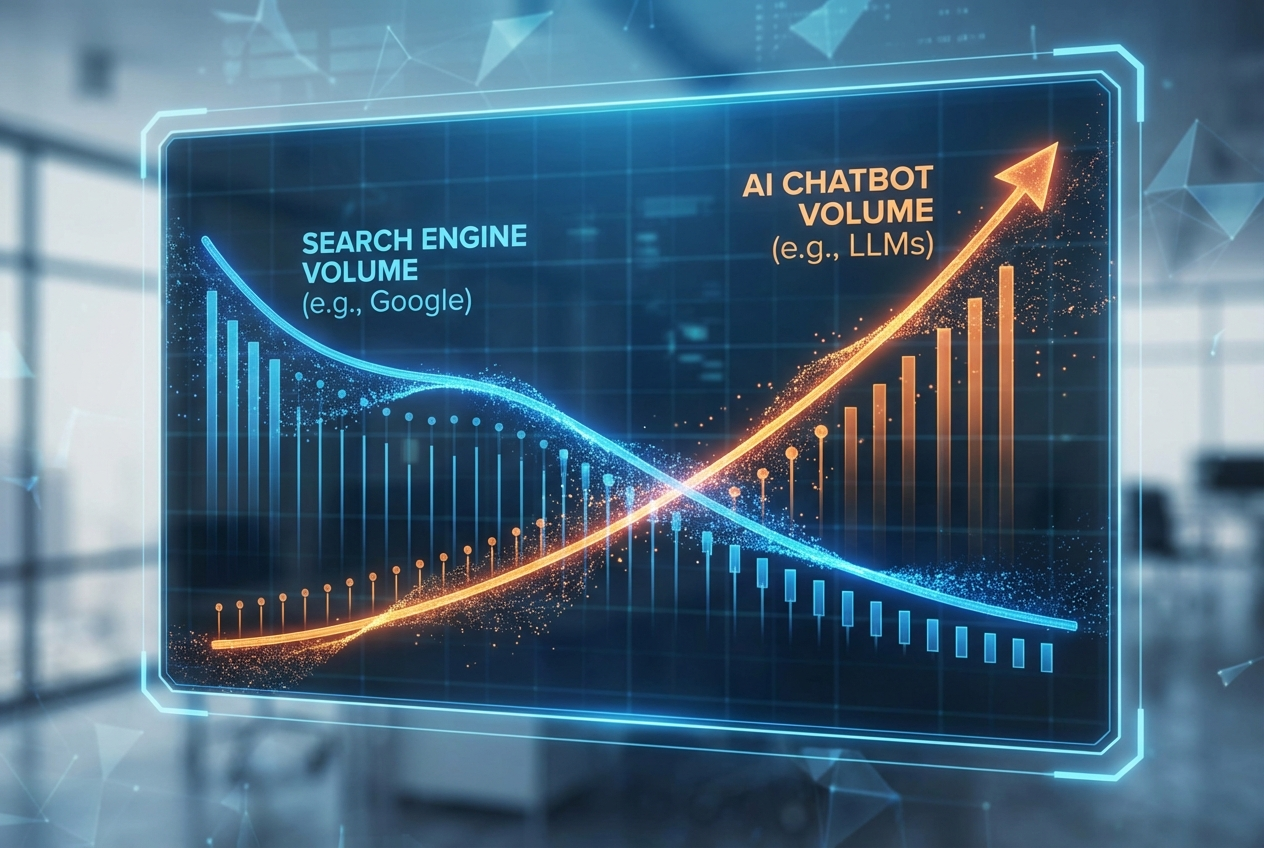
Research from Gartner predicts that by 2026, traditional search engine volume will drop 25 percent. The culprit is not a competitor search engine. It is AI chatbots and virtual agents that answer questions directly without requiring users to visit websites.
This is not a distant prediction. We are living through it right now in February 2026.
Why Search Volume is Declining
The way people find information has fundamentally changed. Users now have multiple options beyond traditional search engines.
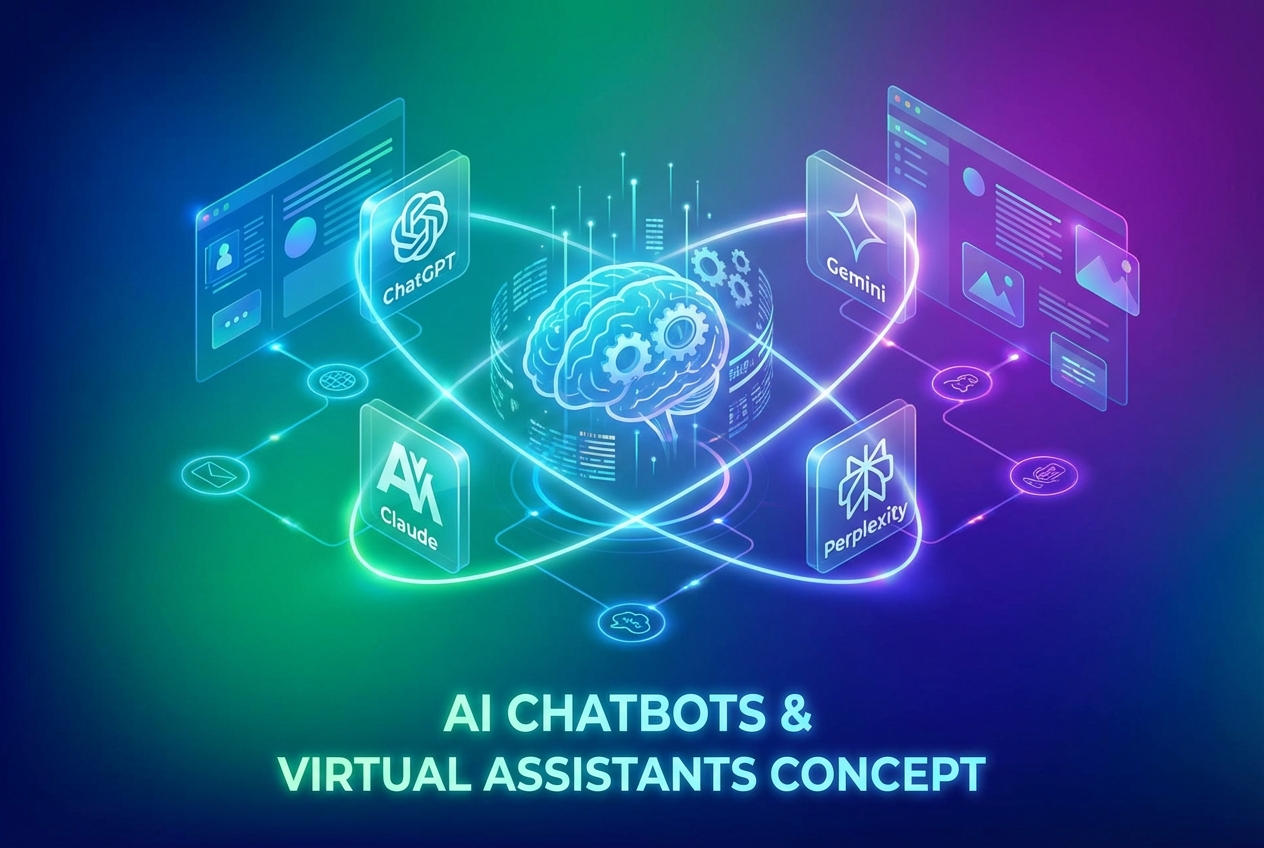
AI Chatbots like ChatGPT, Claude, and Gemini process billions of queries daily. Users ask questions in natural language and receive immediate, conversational answers. There is no need to scan through blue links.
AI Overviews in Google search results provide direct answers at the top of the page. Google now summarizes information from multiple sources, giving users what they need without clicking through. This zero-click trend is reshaping how success is measured in digital marketing.
Voice Assistants integrated into devices and applications handle routine queries hands-free. Users ask Siri, Alexa, or Google Assistant and receive instant responses.
The result is that fewer queries reach individual websites. Gartner’s prediction reflects this structural shift in how people access information.
What This Means for Your Business
If your marketing relies heavily on organic search traffic, the decline affects you directly. Here is what you need to understand.
Traffic Patterns Are Changing
ChatGPT now processes approximately 1.6 billion daily queries, which represents about 12 percent of Google’s search volume. However, it sends significantly less traffic to websites compared to traditional search. The attention has shifted, but the clicks have not followed proportionally.
This means businesses must rethink how they measure success. Traditional SEO metrics like sessions and pageviews may understate actual brand influence.
Brand Visibility Matters More Than Ever
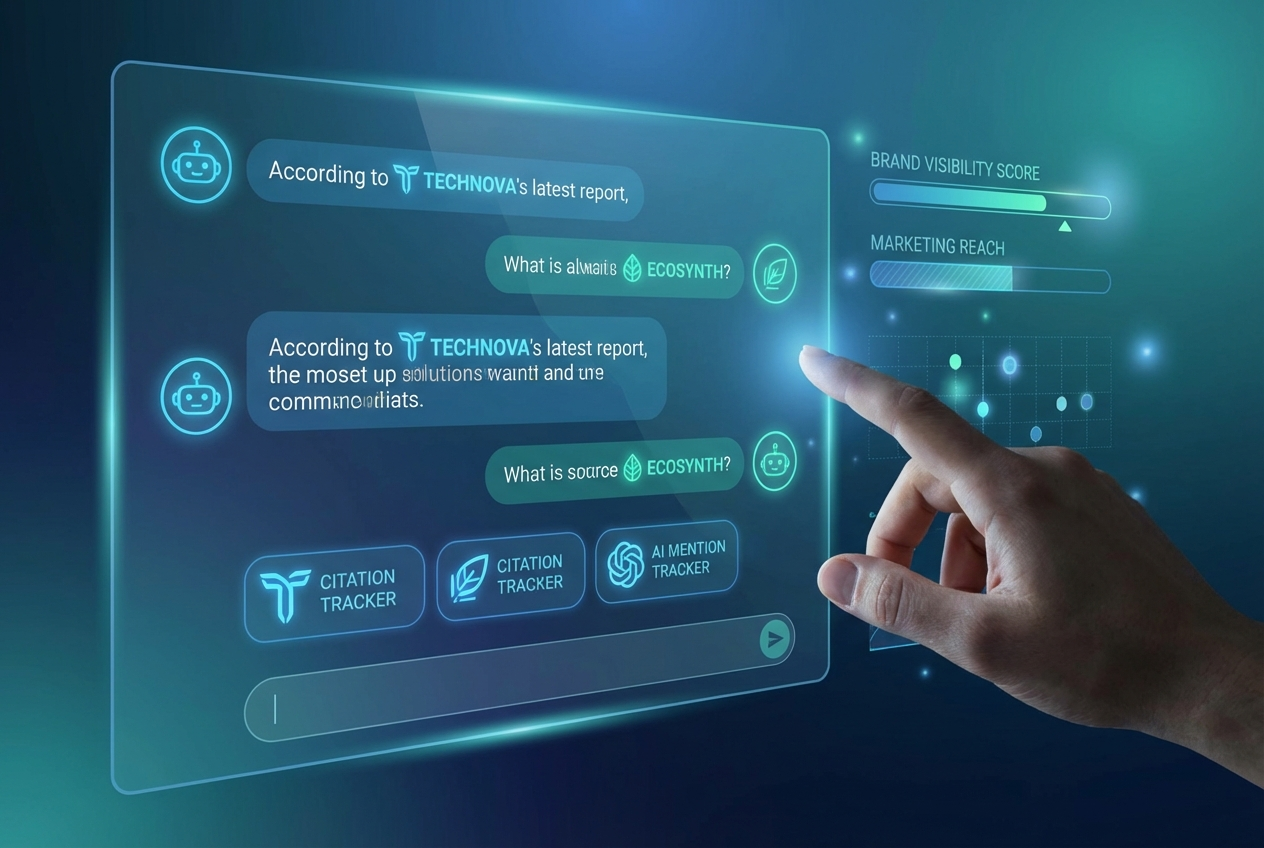
When users get answers from AI, they still encounter brand names. Citations and mentions in AI responses build awareness even without clicks. This is why answer engine optimization has become essential.
Companies that appear as trusted sources in AI responses maintain visibility even as click-through rates decline. Building topical authority and earning citations is now a core marketing priority.
Direct Traffic May Increase
Research shows that AI visibility often correlates with increased direct traffic over time. Users who encounter your brand in an AI answer may later type your URL directly into their browser. The AI exposure builds familiarity that converts to direct visits.
How to Adapt Your Strategy
You cannot stop the shift, but you can position your business to thrive within it.
-
Optimize for AI answers. Structure your content to be cited by AI systems. Use clear answers to common questions, cite authoritative sources, and organize information in ways that AI can easily reference.
-
Build strong brand recognition. When users encounter your brand in AI responses, familiarity drives future action. Invest in brand building through consistent messaging, thought leadership, and visible expertise.
-
Diversify your traffic sources. Do not rely solely on organic search. Develop multiple channels including email, social media, direct relationships, and paid advertising.
-
Track new metrics. Monitor share of model, which measures how often your brand appears in AI responses. Track brand search volume to gauge awareness. Look at direct traffic as a lagging indicator of AI visibility success.
-
Create pillar content. Comprehensive guides and resources that AI systems can cite position your brand as an authority. The content you create today becomes the source that AI references tomorrow.
The Bigger Picture
The 25 percent decline in traditional search volume represents a massive shift in how information flows on the internet. But this shift creates opportunities for businesses that adapt quickly.
Companies that optimize for AI visibility now will capture market share as the transition accelerates. Those that wait risk becoming invisible in the places where their customers are looking.
The future of discovery is conversational, AI-driven, and answer-focused. Understanding this shift and responding to it is no longer optional. It is essential for business survival in 2026 and beyond.
Frequently Asked Questions
Will traditional SEO become obsolete?
Traditional SEO remains valuable, but it is no longer sufficient on its own. Answer engine optimization and brand building in AI contexts have become equally important.
How can I measure AI visibility?
Test your keywords in ChatGPT, Perplexity, and Google AI Overviews. Track whether your brand appears in responses and how you are cited. This is your new ranking position.
Should I reduce my SEO budget?
Rather than reducing SEO spending, redirect it toward AI optimization and brand building. The fundamentals of creating quality content still apply, but the distribution channels have expanded.
What types of content work best for AI citation?
Content that directly answers questions, provides expert insights, and cites credible sources performs well. Structured data, clear headings, and authoritative treatment of topics help AI systems identify your content as a reliable source.