Generic AI Services Are Getting Commoditized
OpenAI’s new partner push is a warning for agencies: generic AI services are getting commoditized fast. Here is what clients will still pay for in 2026.
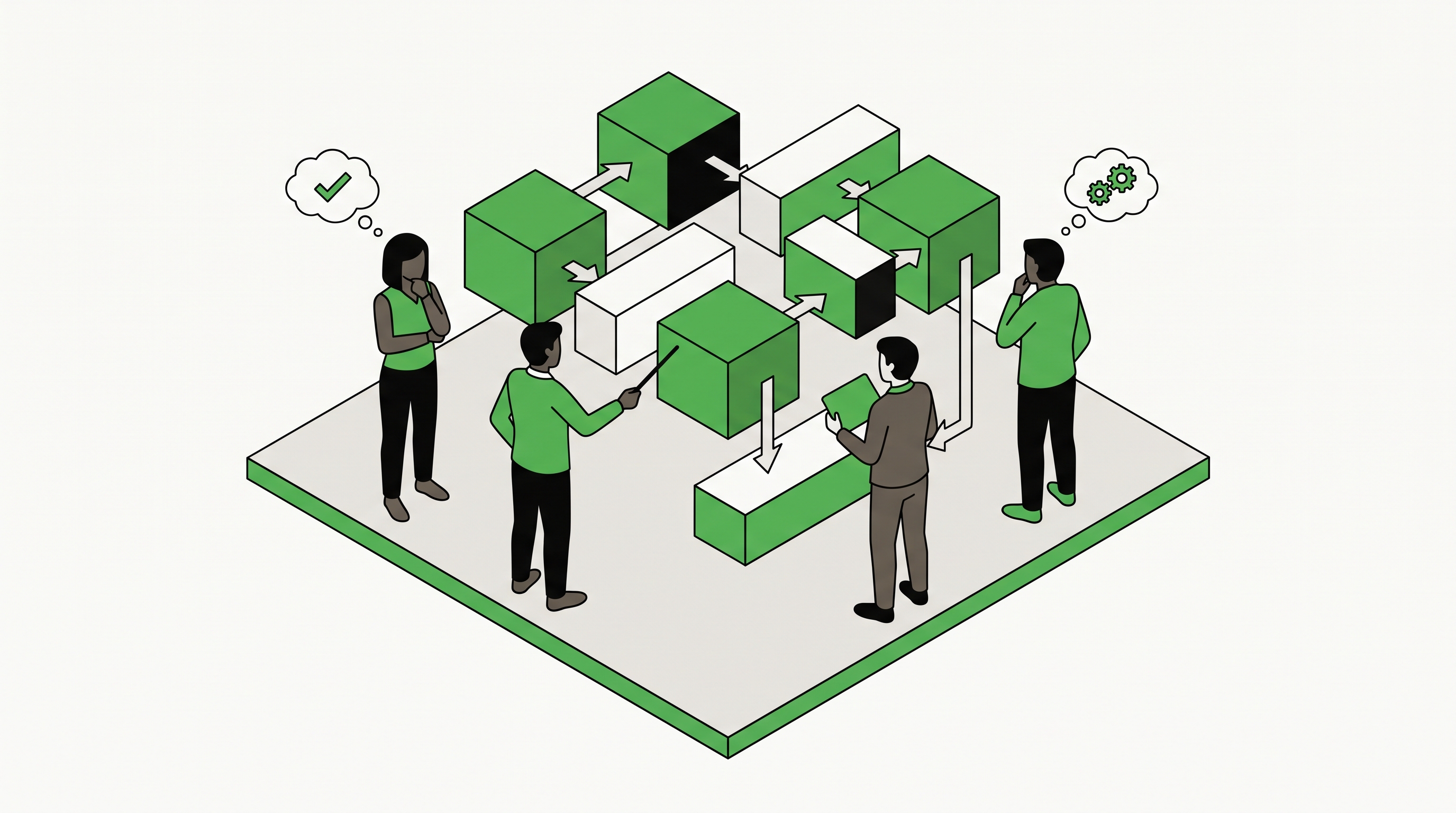
OpenAI’s new Partner Network is not just a channel announcement. It is a warning shot for agencies still selling vague AI strategy, generic training sessions, and prompt-library packages as if that work will stay premium.
It will not.
When a platform vendor says the limiting factor is no longer model capability but the ability to identify the right use cases, redesign workflows, integrate systems, and drive adoption at scale, the message is clear. The market is moving past novelty. Generic AI services are getting cheaper, more crowded, and easier to compare.
That does not mean agencies lose. It means the easy version of the offer loses.
AI Is No Longer A Differentiator By Itself
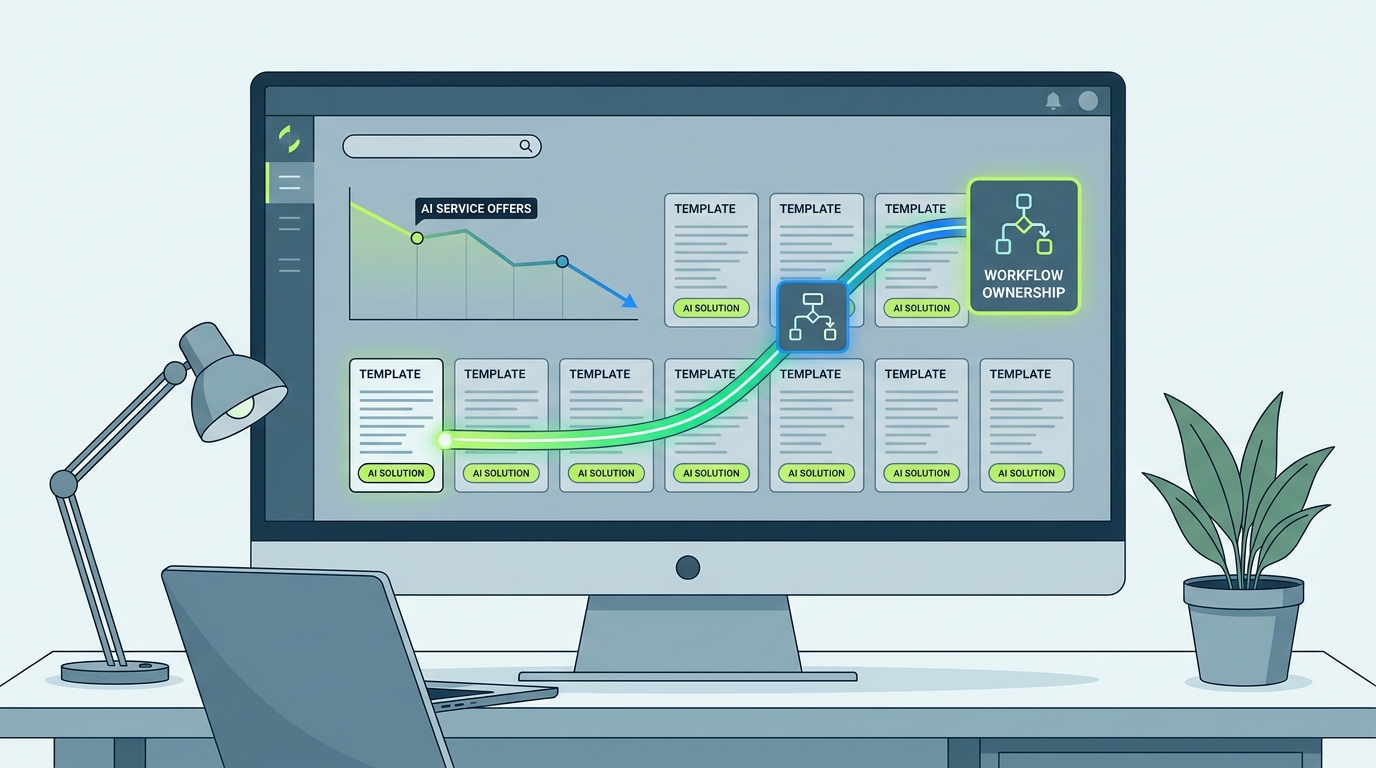
HubSpot’s 2026 State of Marketing Report puts numbers behind the shift. It says 80% of marketers already use AI for content creation, 75% use it for media production, and 61% believe marketing is going through its biggest disruption in 20 years because of AI.
That is exactly why “we help you use AI” is becoming a weak pitch.
Once most teams are already using the tools, the value no longer sits in access. It sits in execution quality. Clients do not need another agency to tell them AI matters. They need someone who can show where it changes margin, speed, conversion, or delivery, then build the workflow around that outcome.
The agencies that keep packaging AI like a trend report are going to get squeezed by cheaper consultants, internal teams, and now the platforms themselves.
The New Money Is In Workflow Ownership
OpenAI is investing $150 million into its partner ecosystem and says it aims to train and enable 300,000 certified consultants by the end of 2026. That should reset how agencies think about positioning.
If thousands of firms can get trained on the same core tools, then generic implementation knowledge stops being scarce. The premium moves somewhere else: vertical expertise, workflow design, governance, measurement, and change management.
OpenAI’s June 25 report, How agents are transforming work, makes the same point from another angle. It found that non-developer adoption is growing faster than developer adoption, and that users are shifting toward longer, harder tasks that run across multiple parallel agents. In other words, AI is moving into normal operating work, not just experimentation.
That kind of adoption creates a different client question. Not “Which model should we try?” but “Which workflows deserve ownership, budget, and rules?”
That is also why structured offers such as AI marketing agents are easier to defend than broad AI consulting retainers. One is tied to a business function. The other is tied to a buzzword.
What Clients Will Still Pay For
Clients will still pay well for AI work when it does one of four things.
First, it solves a specific operating problem. Lead qualification, reporting summaries, content refresh workflows, internal research, sales follow-up, and admissions routing all make sense because they map to a measurable lane.
Second, it reduces coordination cost. If three teams touch the same AI-driven workflow with different rules, quality drops fast. That is why shared process design matters more than random tool usage. We made a similar point in our post on one shared AI search workflow, not three teams.
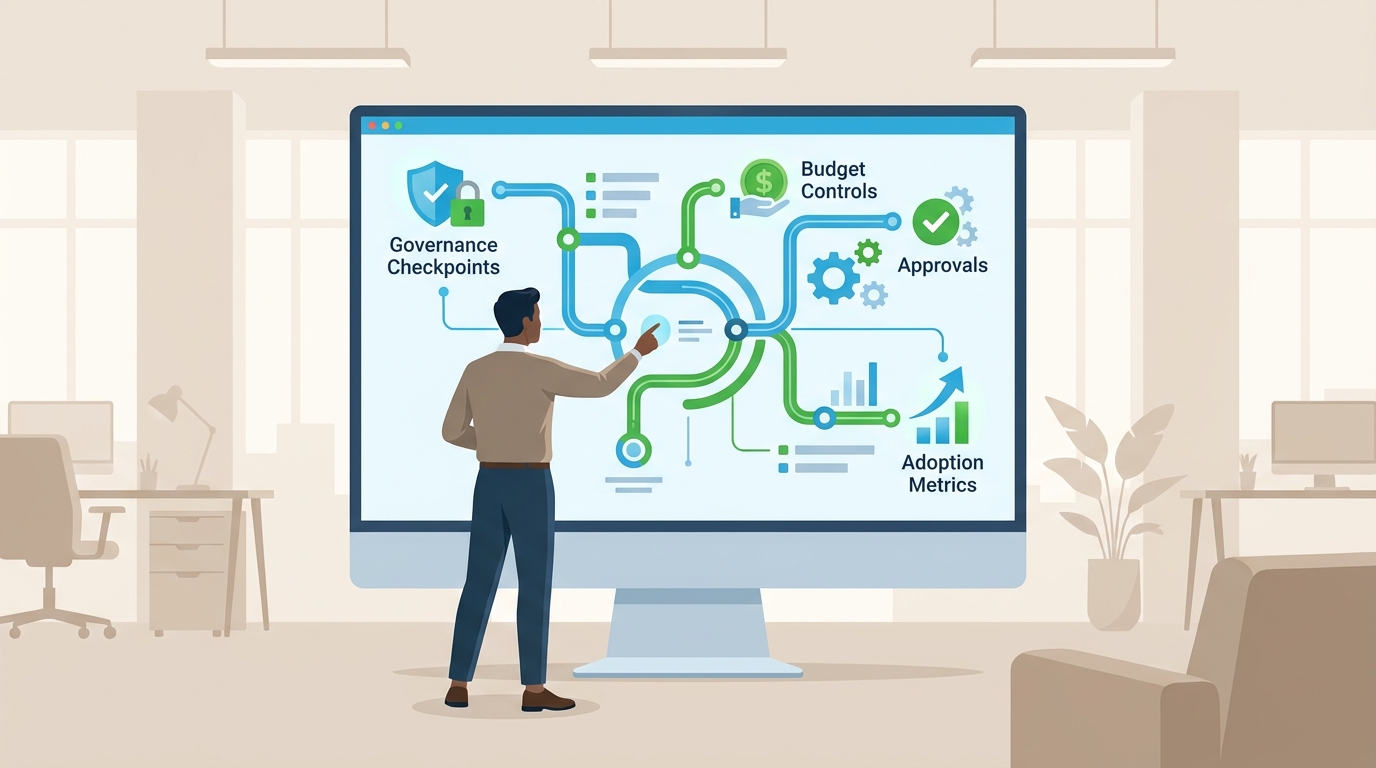
Third, it includes governance. Spending limits, review checkpoints, approval logic, and role-based access are no longer enterprise extras. They are part of the product.
Fourth, it reflects real industry knowledge. A rehab operator, a B2B manufacturer, and a regional service brand do not need the same workflow. Agencies that understand the constraints of the market will keep pricing power longer than agencies selling generic AI enablement decks.
What To Change This Week
If your agency still leads with AI audits, AI training, or AI strategy workshops as standalone offers, tighten the package now.
Pick one workflow where you can own the result, define the KPI, set the review rules, and explain the business case in plain English. That is the offer. The tools are underneath it.

The firms that win the next year of AI work will not be the ones saying “we do AI” the loudest. They will be the ones who can attach AI to a measurable workflow, in a specific market, with enough operational discipline that the client does not feel like they are funding another experiment.