Marketing AI Is Wide, Not Deep
Marketing teams are adding AI fast, but most have not rebuilt the workflows, ownership, and measurement needed to turn adoption into durable gains.

Marketing teams are using AI in more places than ever. Most are still using it shallowly.
That is the useful takeaway from the last few weeks of marketing research. On June 15, 2026, BCG reported that 96% of CMOs say AI is driving end-to-end transformation, but 42% are still using GenAI mainly to assist humans with individual tasks. Only 8% are running campaigns where multiple AI agents operate autonomously. The gap is not adoption. The gap is workflow depth.
The broader market data points the same way. The 2026 CMO Survey says AI now touches 24.2% of marketing activities, up from 13.1% in 2024, and companies expect that figure to reach 55.9% within three years. But the same report found that no marketing technology activity scored above 5 on a 7-point performance scale. Teams are buying into AI faster than they are redesigning the work around it.
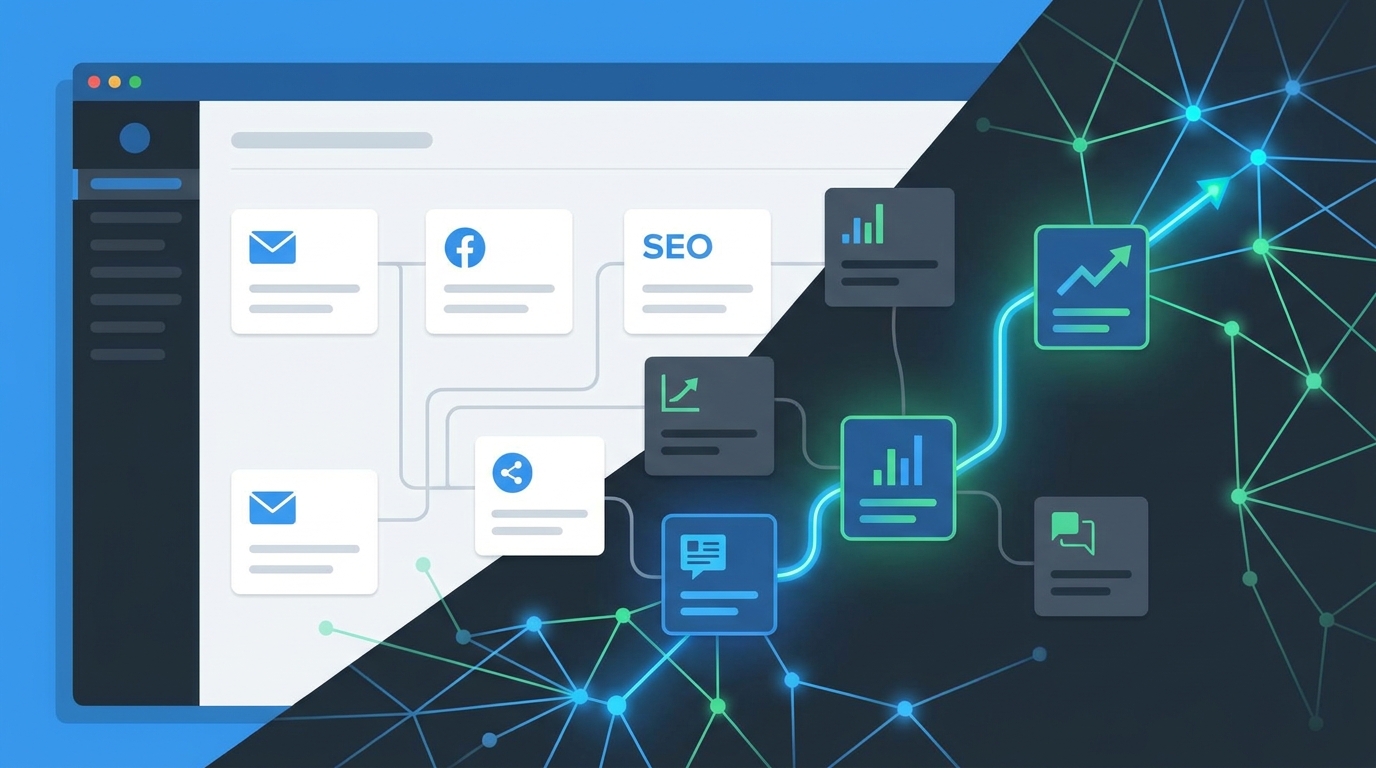
Adoption Is Outrunning Execution
This is why so many AI programs look busy without becoming durable.
Marketers are adding AI to content creation, personalization, automation, and analysis. That part is real. What has not caught up is the operating layer: ownership, approvals, integration, training, and ROI proof. The CMO Survey called out the same blockers most teams already feel in practice: budget pressure, integration problems, limited bandwidth, and talent gaps.
That should sound familiar if your team keeps producing more drafts, more summaries, and more dashboard snapshots without actually improving speed or outcomes. Wide adoption can still produce shallow execution.
Gartner put the leadership problem in even plainer terms. In its June 9, 2026 Marketing Symposium/Xpo recap, Gartner said only 15% of CEOs believe the CMO has the AI-savviness they need right now. It also warned that AI readiness is moving faster than human readiness. That mismatch is where a lot of current frustration lives.
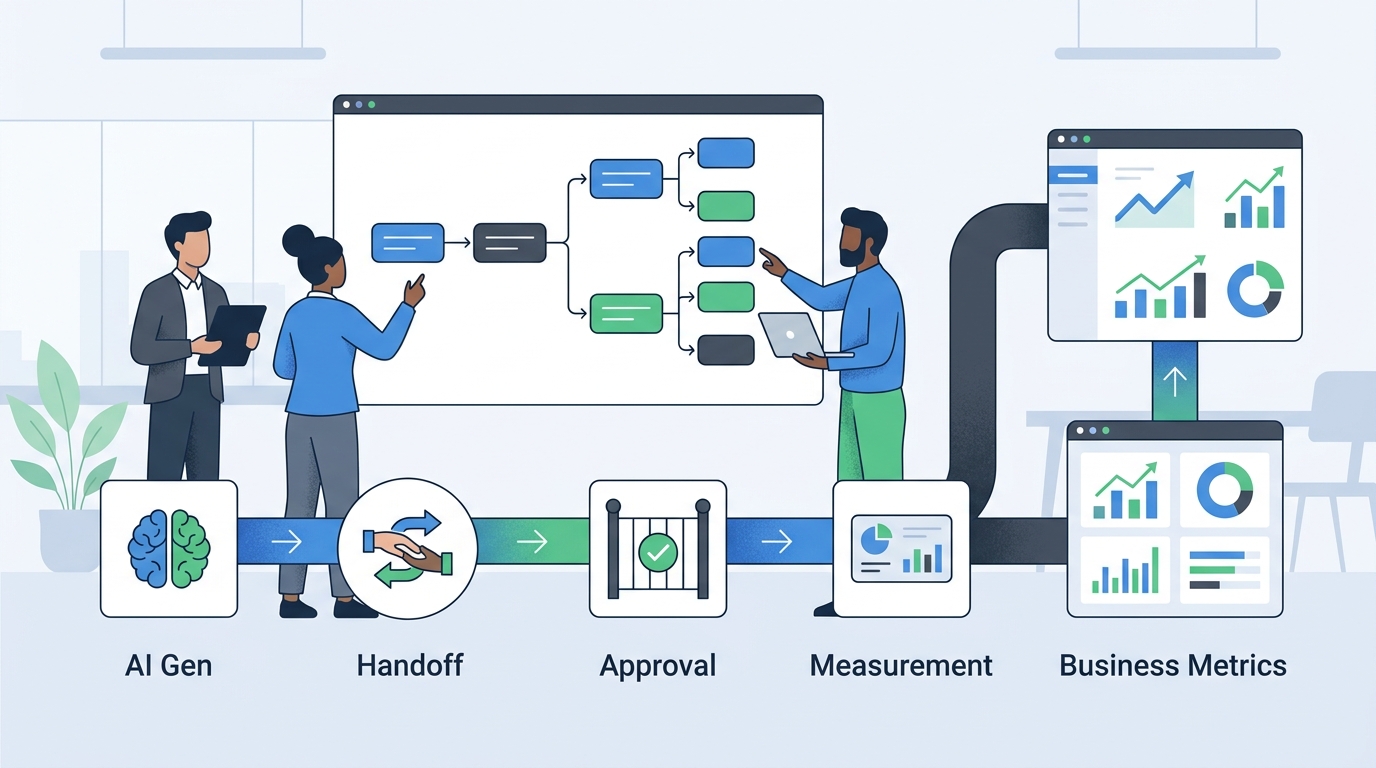
Wide AI Does Not Mean Strong AI
A team can use AI across ten tasks and still have no real AI operating advantage.
The stronger pattern is narrower and more disciplined. Pick one workflow that matters, define the handoffs clearly, assign an owner, and attach it to a business metric. That could be reporting synthesis, AI-search content refreshes, sales research, paid search QA, or lead follow-up. The point is not to sprinkle AI everywhere. The point is to make one complete path more dependable.
That is also where agencies still have room to win. A client can buy the same model access you can. It is much harder to build a governed workflow around it. That is why posts like AI programs need budget owners matter, and why outcome-tied offers like AI marketing agents hold up better than generic AI consulting.
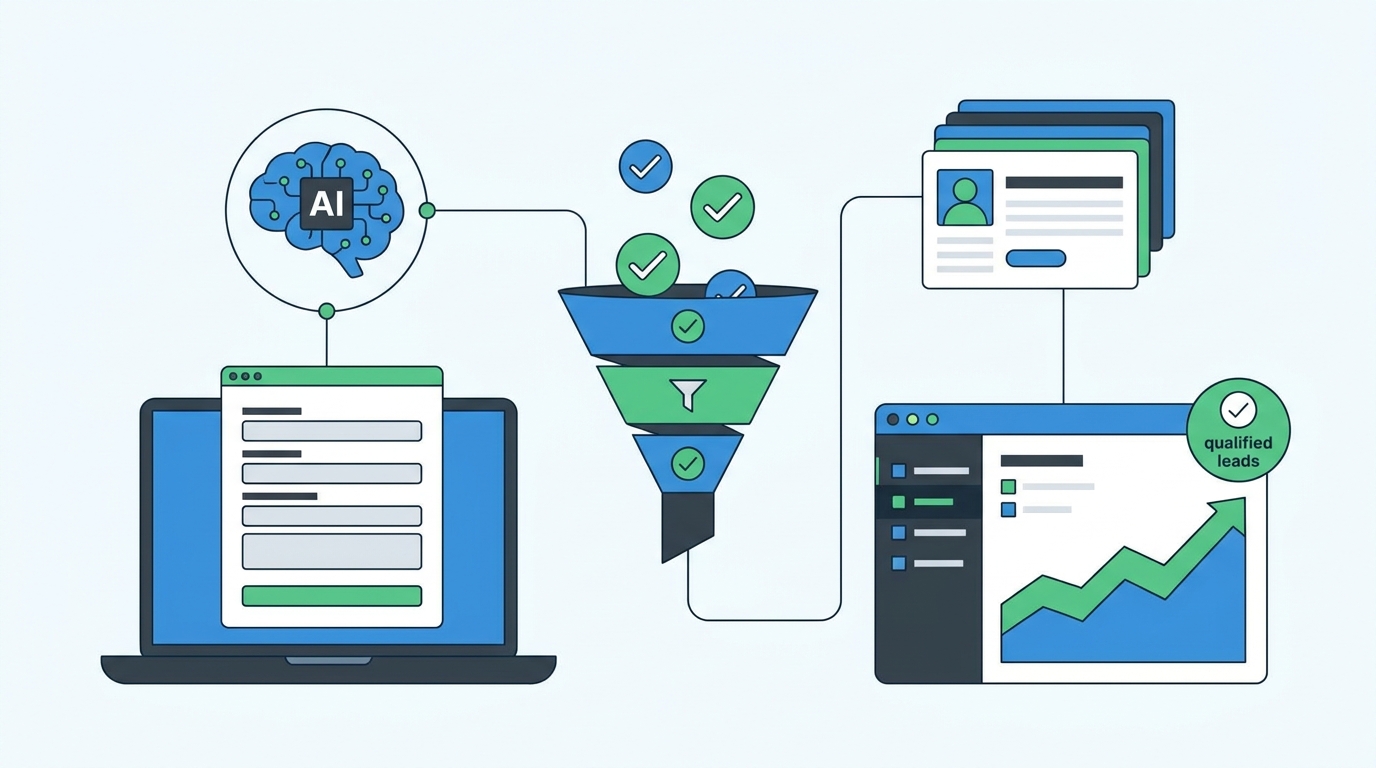
At Emarketed, we have seen the same pattern in client work. Metrex Valve deployed an AI sales agent through Emarketed and now generates roughly 20 qualified leads per month. That result did not come from “using AI more.” It came from building one clear system around a real business job.
What Smart Teams Should Do Next
If your AI roadmap still reads like a shopping list, tighten it.
Pick one workflow with a visible business cost. Define what the AI handles, what a human reviews, and what metric proves the system is working. Run it long enough to learn where it breaks, then improve that path before expanding to the next one.
The next year will not belong to the teams using AI in the most places. It will belong to the teams that make AI dependable in the places that matter most.